Year: 1980
Runtime: 150 mins
Language: English
Directors: Joseph Sargent, Daniel Mann
A Jewish singer is abruptly taken from her concert hall and deported to Auschwitz, where she and a group of fellow musicians are forced to perform for the camp’s inmates. Their harrowing duty is to use music to calm prisoners destined for the gas chambers, offering fleeting moments of humanity amid unimaginable horror.
Warning: spoilers below!
Haven’t seen Playing for Time yet? This summary contains major spoilers. Bookmark the page, watch the movie, and come back for the full breakdown. If you're ready, scroll on and relive the story!
Explore the full timeline and setting of Playing for Time (1980). Follow every major event in chronological order and see how the environment shapes the story, characters, and dramatic tension.
Last updated: February 18, 2026 at 23:23
Meet the key characters of Playing for Time (1980), with detailed profiles, motivations, and roles in the plot. Understand their emotional journeys and what they reveal about the film’s deeper themes.
Last updated: February 18, 2026 at 23:23
Explore the central themes of Playing for Time (1980), from psychological, social, and emotional dimensions to philosophical messages. Understand what the film is really saying beneath the surface.
Last updated: February 18, 2026 at 23:23
Browse frequently asked questions about Playing for Time (1980) focused on characters, relationships, themes, symbols, setting, and story context. This movie info FAQ gives spoiler-aware explanations for character arcs, world details, and thematic interpretation so readers can better understand what the film is really about.
The film takes place at Auschwitz concentration camp in Oświęcim, Poland. The setting depicts the camp's grim infrastructure including barbed wire, guard towers, and the dehumanizing daily routine that prisoners endured. Within this brutal environment, the Women's Orchestra becomes both a literal and figurative space where music intersects with the machinery of the Holocaust.
Playing for Time is set during World War II in the 1940s, specifically during the Holocaust. The film portrays the Nazi regime's systematic oppression and forced labor at Auschwitz, using the orchestra as a lens to show how cultural expression persisted amid tyranny, even as it was weaponized by the captors.
The Women's Orchestra of Auschwitz was a group of female prisoners forced to perform for the camp's inmates. Their music served a dual purpose: it offered moments of humanity and consolation to prisoners facing death, while also functioning as a tool of control for the Nazi guards. The orchestra represented both a lifeline and a form of complicity in the camp's brutality.
The film explores three interconnected themes: Survival, where music becomes both a lifeline and a form of complicity; Moral Dilemma, examining how prisoners must weigh preserving life against enabling brutality; and Solidarity, showing how close bonds form among women sharing music in a space designed to erase individuality. The central contradiction is music, typically a source of beauty, being used to facilitate genocide.
The film portrays how Fania and other musicians navigate camp hierarchies to secure protections, sometimes bending rules to help each other. Their choices expose the tension between dignity and survival, as performed acts become tools of the oppressors. The narrative highlights the painful price of survival when keeping alive requires collaboration with the system designed to destroy you.
Fania Fenelon is a French Jewish singer-pianist portrayed by Vanessa Redgrave. She survives by leveraging her fame within the camp's social hierarchy, negotiating with guards and fellow prisoners to secure better conditions. Her choices and relationships with Alma Rosé and other musicians expose the central tension between dignity and survival in extreme circumstances.
Alma Rosé, played by Jane Alexander, leads the Women's Orchestra as its conductor and moral center. She guides rehearsals under constant threat, striving to preserve artistic integrity amid brutality. Her leadership highlights the struggle to sustain humanity and solidarity through music, anchoring the group even as circumstances grow increasingly dire.
Music becomes a precarious lifeline that both consoles and traps the inmates. The orchestra offers dignity and temporary relief from the horrors of camp life, but it also exposes prisoners to the gatekeepers' control and the risk of being complicit in the Holocaust's machinery. The musicians must navigate this contradiction daily, using their art to survive while questionning the moral cost of that survival.
Close bonds form among the women as they share music and stories in a space designed to erase individuality. Alma Rosé's leadership anchors the group and sustains morale. These relationships reveal resilience and humanity in the face of overwhelming cruelty, demonstrating how connection and shared purpose can emerge even in the most dehumanizing circumstances.
The film is based on the real-life Women's Orchestra of Auschwitz, which operated from 1943 to 1944. Led by Alma Rosé, a real violinist and daughter of famous composer Arnold Rosé, the orchestra forced prisoners to perform for various Nazi functions and as prisoners marched to their deaths. The film dramatizes these events to explore how art persisted, and was corrupted, during the Holocaust.
The contradiction of music, typically a source of beauty, comfort, and hope, being used to facilitate genocide is central to the film's devastating impact. This juxtaposition forces viewers to confront how art can be weaponized, how beauty can exist alongside horror, and how survival in extreme circumstances requires navigating impossible moral complexities.
Discover curated groups of movies connected by mood, themes, and story style. Browse collections built around emotion, atmosphere, and narrative focus to easily find films that match what you feel like watching right now.
Characters use their art as a fragile shield against overwhelming tyranny.If you were captivated by how Playing for Time uses music as a means of survival, explore these other films where art becomes a lifeline against oppression. Find similar stories of creative resistance in bleak historical and fictional settings.
The narrative follows characters whose artistic talents are co-opted or weaponized by an oppressive system. Their journey is one of moral compromise, where the act of creation is both a means of survival and a source of profound internal conflict, often set against a backdrop of historical or dystopian tragedy.
These films share a core theme: the intersection of art and survival under extreme duress. They create a powerful, melancholic mood by contrasting the humanizing force of creativity with the dehumanizing reality of oppression, resulting in stories of heavy emotional weight.
Trapped characters face impossible choices that test their humanity.Fans of Playing for Time's harrowing exploration of survival ethics will find similar tension in these films. Discover other stories set in confined spaces where characters face unbearable choices and the line between right and wrong blurs.
Stories in this thread unfold within a tightly controlled, claustrophobic environment—be it a prison, a bunker, or a repressive society. The plot is driven by the characters' progressively difficult choices, often pitting personal survival against collective good or moral integrity, leading to a psychologically devastating conclusion.
These movies are grouped by their oppressive atmosphere and central focus on moral ambiguity under duress. They share a bleak tone, heavy emotional weight, and a steady, intense pacing that immerses the viewer in the characters' desperate circumstances.
Don't stop at just watching - explore Playing for Time in full detail. From the complete plot summary and scene-by-scene timeline to character breakdowns, thematic analysis, and a deep dive into the ending - every page helps you truly understand what Playing for Time is all about. Plus, discover what's next after the movie.
Read a complete plot summary of Playing for Time, including all key story points, character arcs, and turning points. This in-depth recap is ideal for understanding the narrative structure or reviewing what happened in the movie.
Track the full timeline of Playing for Time with every major event arranged chronologically. Perfect for decoding non-linear storytelling, flashbacks, or parallel narratives with a clear scene-by-scene breakdown.
Discover movies like Playing for Time that share similar genres, themes, and storytelling elements. Whether you’re drawn to the atmosphere, character arcs, or plot structure, these curated recommendations will help you explore more films you’ll love.
Playing for Time (1980) Plot Summary & Movie Recap
Playing for Time (1980) Scene-by-Scene Movie Timeline
Playing for Time (1980) Spoiler-Free Summary & Key Flow
Movies Like Playing for Time – Similar Titles You’ll Enjoy
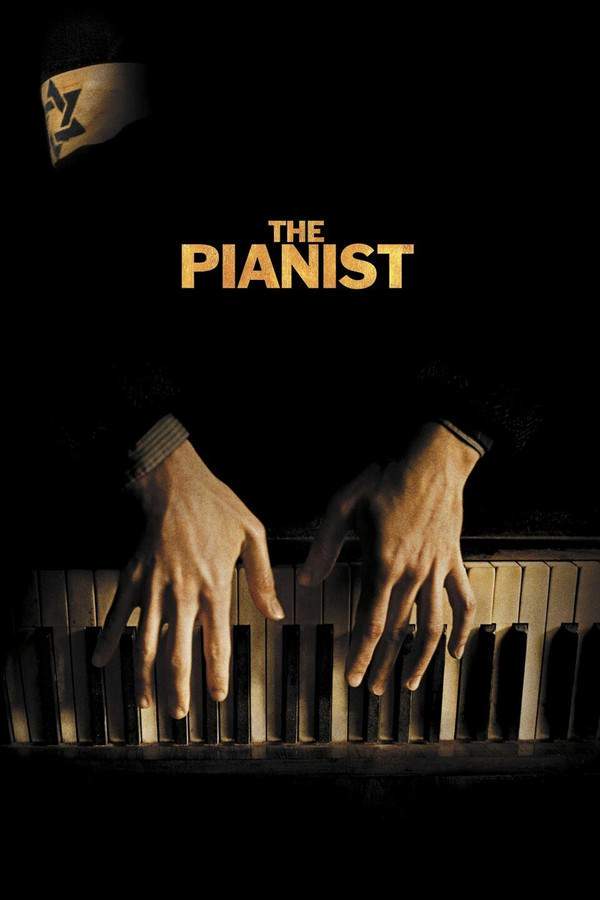
The Pianist (2002) Detailed Story Recap
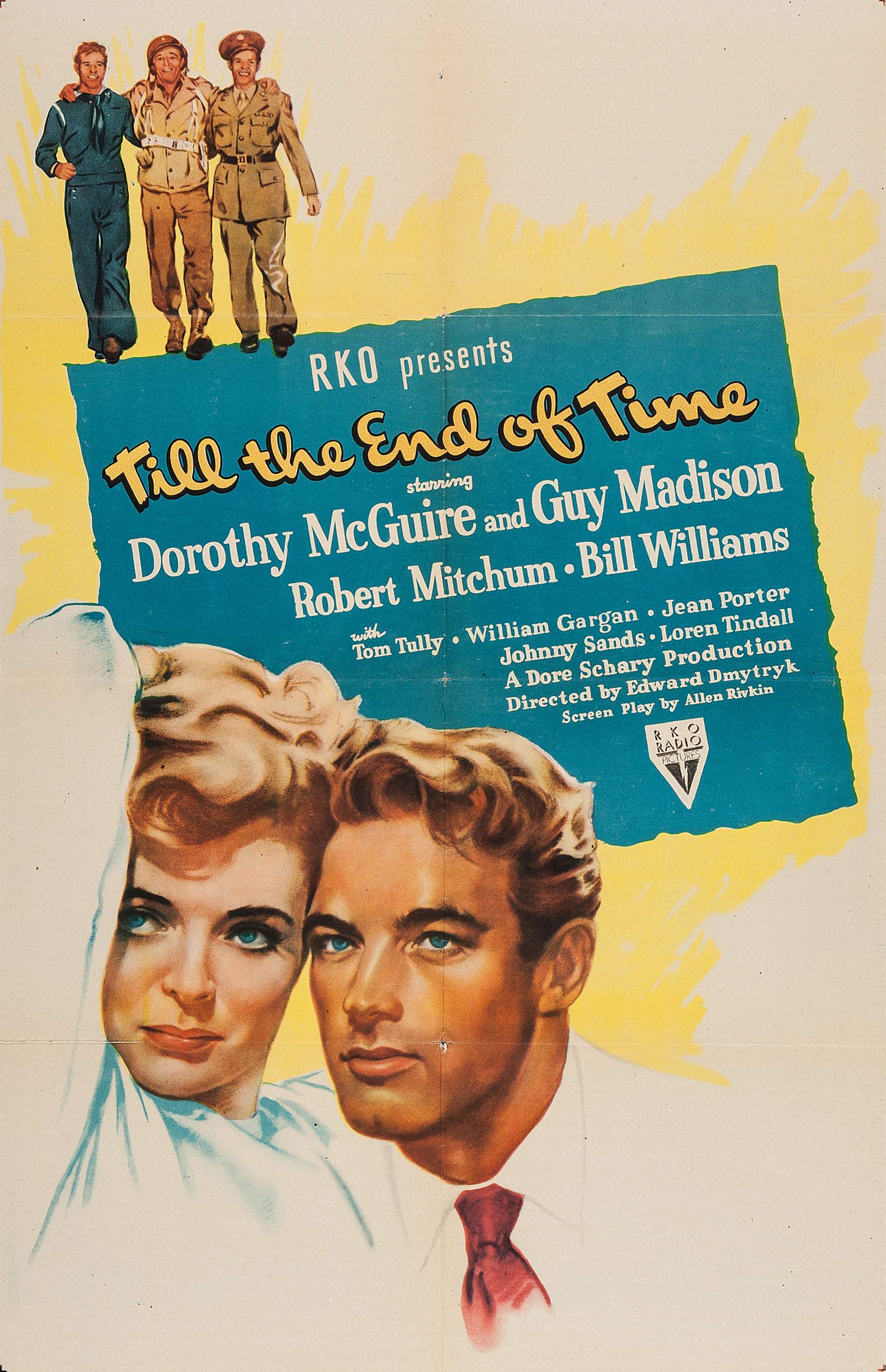
Till the End of Time (1946) Spoiler-Packed Plot Recap
I’ll Find You (2019) Spoiler-Packed Plot Recap
Out of the Ashes (2003) Story Summary & Characters
The Execution (1985) Full Summary & Key Details
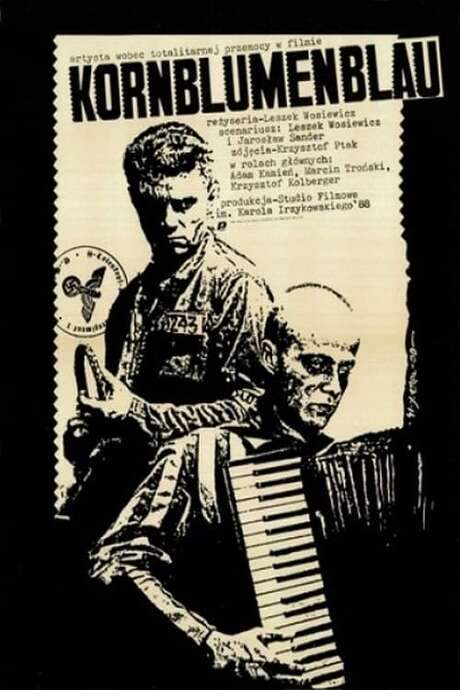
Kornblumenblau (1989) Story Summary & Characters
Violins at the Ball (1974) Story Summary & Characters
So Little Time (1952) Ending Explained & Film Insights
Passenger (1963) Ending Explained & Film Insights
Forbidden Songs (1947) Detailed Story Recap
The Accompanist (1992) Spoiler-Packed Plot Recap
Counterpoint (1967) Movie Recap & Themes
The Future Awaits (2025) Movie Recap & Themes
For Ever Mozart (1996) Movie Recap & Themes
A Time to Love and a Time to Die (1958) Spoiler-Packed Plot Recap