Year: 2010
Runtime: 114 mins
Language: German
Director: Oskar Roehler
It follows actor Ferdinand Marian (Tobias Moretti), coerced by Nazi propaganda chief Joseph Goebbels into starring in the 1940 anti‑Jewish film Jew Suss. While he initially complies, the decision brings devastating personal consequences: his Jewish wife Anna (Martina Gedeck) is deported to a concentration camp, and as the war deepens Ferdinand’s conscience rebels, ultimately ending his career and life in ruin.
Warning: spoilers below!
Haven’t seen Jew Suss: Rise and Fall yet? This summary contains major spoilers. Bookmark the page, watch the movie, and come back for the full breakdown. If you're ready, scroll on and relive the story!
Read the complete plot breakdown of Jew Suss: Rise and Fall (2010), including all key story events, major twists, and the ending explained in detail. Discover what really happened, and what it all means.
In the closing years of the 1930s, Ferdinand Marian’s film career is on the rise, catching the attention of the Reich’s propaganda apparatus. Joseph Goebbels personally selects him for the title role in the anti-Semitic epic Jud Süß, a choice he initially resists before the lure of fame sways him. Under the direction of Veit Harlan, Marian’s temperament begins to change, straining his relationship with his wife, Anna Marian. The film premieres at the Venice Film Festival in early September 1940 and soon after opens in German cinemas. It quickly reaches millions of viewers, and Marian finds himself publicly identified with the menacing figure of the tax official Joseph Süß Oppenheimer, receiving more acting offers as his fame grows.
As his proximity to the Nazi regime deepens, Marian becomes increasingly aware of the danger posed by the National Socialists, and he watches many colleagues flee into exile. Around this same time, the Jewish actor Wilhelm Adolf Deutscher is hidden in Marian’s garden house and posed as a gardener, only to be betrayed to his friend Lutz by the household servant Britta, a betrayal that stains Marian’s private life. Marian seeks solace in alcohol and begins an affair with the Czech actress Vlasta. When [Goebbels] deports Anna to gain leverage over Marian, the plan backfires, creating personal turmoil that intensifies his moral conflicts.
With the Nazi regime collapsing, Marian finds himself unable to return to the screen because of his involvement in Jud Süß, while many of his colleagues disappear from the public eye. He confronts the harsh reality of war’s end and learns from Wilhelm that Anna has died. The discovery that Vlasta is involved with a U.S. soldier triggers a breaking point in Marian, who ultimately drives his car into a fatal crash, a desperate act that ends a controversial chapter of film history.
Last updated: October 09, 2025 at 16:59
Explore frequently asked questions about Jew Suss: Rise and Fall (2010) with spoiler-rich answers covering the full plot summary, major story beats, character motivations, hidden details, and ending meaning. This movie summary FAQ helps explain confusing scenes, plot twists, and narrative decisions in clear, searchable detail.
Goebbels personally selected Marian for the title role because he believed Marian was the perfect vehicle for state messaging. The propaganda chief recognized that Marian's rising film career in the late 1930s made him an ideal choice to lend credibility and star power to the anti-Semitic film, maximizing its impact on German audiences.
Earlier in the story, Marian's growing fame had caught the attention of the Reich's propaganda apparatus, setting the stage for Goebbels's personal selection.
Marian initially resisted the role but ultimately accepted due to the lure of fame and the prospect of screen immortality. The steady work and the opportunities the high-profile project could bring convinced him to join, despite his reservations.
Wilhelm Adolf Deutscher, a Jewish actor, was secretly hidden in Marian's garden house and posed as a gardener to protect him from persecution. However, the household servant Britta betrayed him by informing Marian's friend Lutz of his location, putting his life in grave danger and adding to Marian's moral burden.
This betrayal directly stemmed from the atmosphere of fear and mistrust that pervaded Marian's household as his connection to the Nazi regime deepened.
Goebbels deported Anna to gain leverage over Marian, hoping to use her as a hostage to control the actor and ensure his continued cooperation with the regime. The plan backfired by creating personal turmoil that intensified Marian's moral conflicts and deepened his resentment toward the Nazis.
This action directly resulted from Marian's growing awareness of the danger posed by the regime and his increasing reluctance to fully comply.
Marian's breakdown resulted from accumulated psychological strain: his wife's deportation and eventual death, the guilt of his complicity with Nazi propaganda, his affair with Vlasta, the discovery that Vlasta was involved with an American soldier, and his complete inability to return to filmmaking after the war due to his association with Jud Süß.
Marian drove his car into a fatal crash as a desperate act prompted by multiple factors: learning of his wife Anna's death, discovering Vlasta's affair with a U.S. soldier, his complete professional ruin, and the overwhelming guilt and trauma from his involvement with the Nazi regime. The collision ended his life as the war concluded.
The discovery of Vlasta's affair was the final breaking point that pushed him toward this drastic decision, following years of mounting personal and moral turmoil.
Jud Süß was a state-sponsored anti-Semitic epic designed to dehumanize Jewish people by portraying the historical figure Joseph Süß Oppenheimer as a villainous stereotype. The Nazi regime used the film to spread racial hatred, and Goebbels personally oversaw its production to maximize its propaganda impact on millions of German viewers.
After the Nazi regime collapsed, Marian found himself unable to return to the screen because of his prominent role in Jud Süß. His public identification with the menacing Jewish villain made him unmarketable, while his colleagues who had fled into exile could rebuild their careers. The film's success had tied his identity so closely to the propaganda character that it destroyed his professional future.
Under Veit Harlan's direction, Marian's temperament grew increasingly tense during production. The pressures of rehearsing for the demanding role, combined with the moral weight of portraying an anti-Semitic character and the fame that followed, strained his marriage to Anna and foreshadowed his growing moral conflict.
Marian began an affair with Czech actress Vlasta as a coping mechanism for mounting pressure and guilt from his involvement with the Nazi regime. The secret liaison added another layer of personal turmoil to his precarious standing. When he discovered Vlasta was involved with an American soldier after the war, it became the final betrayal that contributed to his breaking point.
Discover curated groups of movies connected by mood, themes, and story style. Browse collections built around emotion, atmosphere, and narrative focus to easily find films that match what you feel like watching right now.
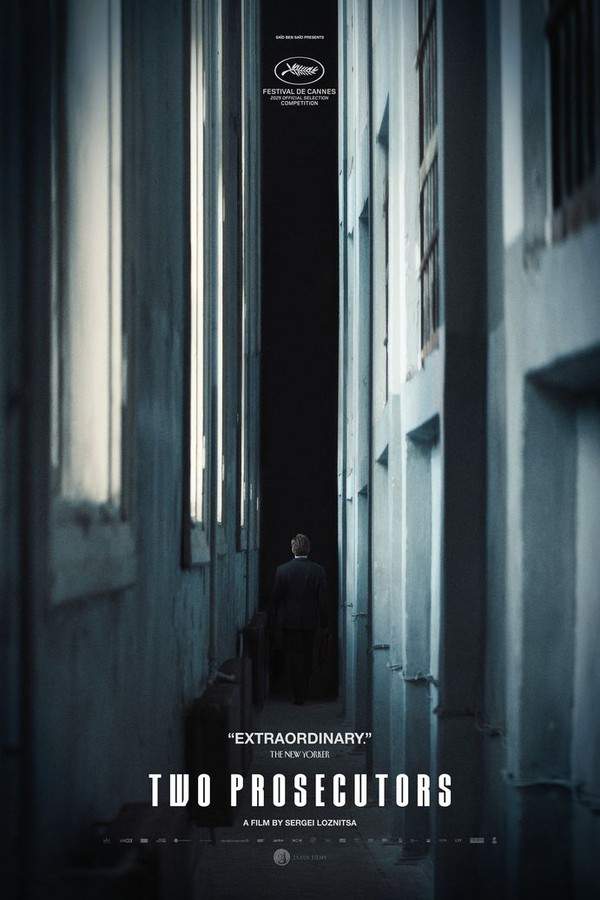
Stories of creators forced to serve oppressive regimes, at great personal cost.If you were gripped by the moral collapse of the protagonist in Jew Suss: Rise and Fall, this thread features similar movies about artists, writers, and filmmakers struggling under oppressive regimes. Explore stories where creative freedom is crushed by political pressure, leading to profound personal and ethical dilemmas.
These narratives typically follow a creator—a filmmaker, writer, or musician—who is pressured by a powerful, unethical government to use their talent for state purposes. The story arc charts their initial compliance, growing internal conflict, and the inevitable personal tragedy or ruin that results from their moral compromise.
Movies are grouped here because they share a powerful thematic focus on the conflict between artistic expression and political coercion. They deliver a similarly heavy, tense, and morally complex viewing experience, often set against the backdrop of historical atrocities.
Character-driven tragedies where a single compromise spirals into complete self-destruction.For viewers who appreciated the devastating character arc in Jew Suss: Rise and Fall, this section gathers other movies about protagonists on a steep downward spiral into guilt and ruin. These are heavy, psychologically dense stories where a character's moral failure leads to their ultimate undoing.
The narrative pattern follows a protagonist who, often under pressure or temptation, makes an ethical misstep. This initial compromise triggers a chain reaction of bad decisions, betrayal, and psychological unraveling. The story is linear and inevitable, building steadily towards a bleak ending of isolation, loss, or death.
These films are united by their focus on a specific, tragic character arc: the journey from a state of relative normality to one of complete moral and personal devastation. They share a heavy, somber mood, a steady pacing that accentuates the inevitable downfall, and a profoundly bleak outcome.
Don't stop at just watching - explore Jew Suss: Rise and Fall in full detail. From the complete plot summary and scene-by-scene timeline to character breakdowns, thematic analysis, and a deep dive into the ending - every page helps you truly understand what Jew Suss: Rise and Fall is all about. Plus, discover what's next after the movie.
Track the full timeline of Jew Suss: Rise and Fall with every major event arranged chronologically. Perfect for decoding non-linear storytelling, flashbacks, or parallel narratives with a clear scene-by-scene breakdown.
Discover the characters, locations, and core themes that shape Jew Suss: Rise and Fall. Get insights into symbolic elements, setting significance, and deeper narrative meaning - ideal for thematic analysis and movie breakdowns.