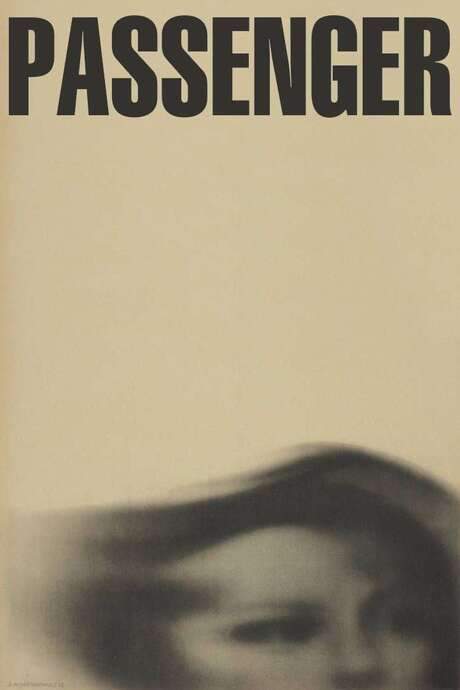
The Passenger opens in 1960, fifteen years after the end of World War II, aboard a luxurious transatlantic liner traveling from South America to Europe. On this voyage, Liza Kretschmer Aleksandra Śląska, a former concentration camp SS officer, has a chance encounter with a fellow passenger who was once one of her inmates, Marta Anna Ciepielewska. The two women find themselves sharing the same ship, and the balance of power begins to shift in a way that forces hard truths into the open.
aboard the vessel, the roles of Liza and Marta are sharply inverted. Marta stands in a position to expose the former Nazi and her past crimes, either to the authorities or, more personally, to Liza’s husband who remains ignorant of what his wife did. This encounter ignites a cascade of memories for Liza, pushing her to revisit the terrifying events at the extermination center and to reckon with the nature of her own conduct toward Marta.
The narrative unfolds through a series of flashbacks that juxtapose Liza’s carefully curated internal narrative with the raw memory of the Holocaust’s brutality. As Liza tries to rationalize her actions, the stark realities of mass murder—men, women, and children who were killed in cold, methodical ways—forcefully intrude on her justifications. The tension between memory and rationalization becomes a battleground within her, revealing how memory can disrupt even the most practiced defenses.
Central to the drama is the evolving, often painful, dynamic between perpetrator and survivor. The film delves into the moral complexity of their relationship, showing how Marta’s survival under oppressive conditions is marked by adaptation and resilience, yet also by the quiet, sometimes degradating truth of what she endured. The result is a stark meditation on guilt, memory, and accountability, where the past refuses to stay hidden and the present riskily intersects with the choices and consequences of what transpired long ago.
Throughout, the voyage itself serves as a lonely, liminal space where memory and present danger collide. The luxury liner’s sleek surface contrasts with the heavy, unsettling memories that confront Liza, pushing her toward a confrontation with what she did and who she became. The film maintains a restrained, contemplative tone as it examines how war’s horrors persist in the minds of survivors and perpetrators alike, and how power, memory, and possibility collide when two women from opposite ends of that history finally meet on a long sea journey.