Year: 1000
Runtime: 166 mins
Language: English
Director: John Frankenheimer
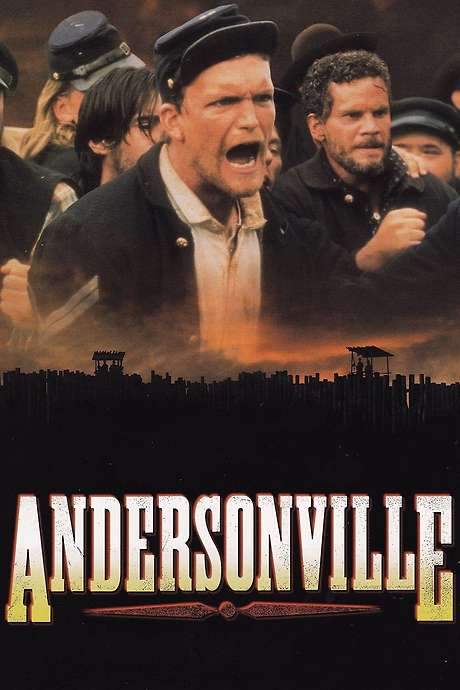
Through the eyes of Union troops captured at the June 1864 Battle of Cold Harbor, the drama reveals life inside Andersonville, the Confederacy’s infamous prison camp. Private Josiah Day and his sergeant battle squalid quarters, brutal punishments, and a predatory group of inmates known as the Raiders while trying to keep their company together.
Warning: spoilers below!
Haven’t seen Andersonville yet? This summary contains major spoilers. Bookmark the page, watch the movie, and come back for the full breakdown. If you're ready, scroll on and relive the story!
Read the complete plot breakdown of Andersonville (1000), including all key story events, major twists, and the ending explained in detail. Discover what really happened—and what it all means.
In June 1864, a group of soldiers from Company I, 19th Massachusetts Infantry Regiment are captured at the Battle of Cold Harbor in Virginia and transported by train to Georgia, where they march to the harsh military prison known as Camp Sumter. At the gate, Col. Chandler, William H. Macy, commands with a steady, imposing presence, while Captain Henry Wirz Jan Tříska runs the camp with a rigid, calculating calm. Wirz outlines the grim reality: escape is nearly impossible thanks to his scent hounds, and a prisoner exchange is anticipated but far from certain. The newcomers quickly sense the bleak odds and the oppressive mood that will define their stay.
Early on, the prisoners cross paths with Dick Potter Gregory Sporleder, a former comrade captured at Antietam, who becomes a wary mentor of sorts. Potter has seen the worst the camp has to offer and warns them about the Raiders, a ruthless faction of internees who prey on the vulnerable to hoard supplies. He pulls back the veil on the camp’s harsh reality: there is barely enough shelter, water, and food to go around, and the guards include teenagers and older men who take grim delight in coercing prisoners toward the dangerous “dead line” and then shooting them as a warning. The atmosphere is tense, with Wirz’s tight control balancing on a knife edge as a Confederate Colonel audits the operation and chastises Wirz for the squalor, a moment Wirz greets with deflection and a quiet request for a promotion recommendation.
A stubborn group of prisoners from the 19th Massachusetts aligns with other internees who are secretly digging a tunnel beneath the stockade wall. The plan is perilous and nearly clandestine, but the work progresses as the tunnel nears completion. Then the Raiders strike, and Potter is killed in a brutal flare of violence. One prisoner attempting to inform the guards in hopes of a reward is seized, and the taunting stigma of “TT”—tunnel traitor—carved into his forehead marks the price of betrayal and fear. Despite the danger, the tunnel is completed, and the escape unfolds with a mix of courage and catastrophic losses; most who attempt it are killed or captured, and a portion are punished by standing stocks as a brutal reminder of the consequences of resistance.
The escalating tension within the camp erupts into a riot as disparate prisoner groups rally to challenge the Raiders. A makeshift court is proposed to address the raiders’ leadership, and Captain Wirz approves an internal, prisoner-run trial. A jury of fellow internees convicts the six Raider chiefs to death by hanging, while the lower-ranking raiders face a brutal gauntlet as punishment. With the Raiders’ power diminished, life inside Camp Sumter briefly relaxes into a fragile order.
As time passes, new internees arrive with tales of another escapee who reached General Grant, who then rejects any broader prisoner exchange due to the Confederacy’s treatment of Black Union soldiers. The camp’s morale shifts as a Confederate officer arrives with a blunt offer: fight for the Confederacy in exchange for freedom. The men of the 19th Massachusetts, along with others, stand in formation, turn their backs, and refuse the deal—an act of solidarity that signals a deeper resolve to endure.
Yet the toll of hunger, disease, and the rigors of confinement grows heavier. Starvation compounds the dwindling supplies, and thousands never leave the prison walls. Eventually, Captain Wirz announces that an exchange will proceed, and the surviving prisoners begin to depart Camp Sumter, filing past their fallen comrades on the way to the trains that will carry them away. The film closes with a somber coda set against the present-day Andersonville National Cemetery, a stark reminder of the lives lost and the enduring memory of those who endured the camp’s horrors.
Last Updated: December 03, 2025 at 23:58
Discover curated groups of movies connected by mood, themes, and story style. Browse collections built around emotion, atmosphere, and narrative focus to easily find films that match what you feel like watching right now.
Stories of ordinary people enduring inhuman conditions to stay alive.If you were gripped by the desperate fight for survival in Andersonville, these movies explore similar themes of human endurance under brutal conditions. Find films like Andersonville that depict characters pushed to their physical and moral limits in settings defined by confinement, scarcity, and overwhelming hardship.
The narrative typically follows a linear descent into hardship, charting the physical and psychological decline of characters as they confront starvation, violence, and the loss of hope. Central conflicts often arise from both external threats (captors, nature) and internal strife (moral decay, betrayal) within the group.
These films are grouped by their shared, intense focus on the raw, unfiltered experience of survival. They create a consistently grim and oppressive mood, prioritize a heavy emotional weight, and present a straightforward, steady-paced chronicle of endurance against impossible odds.
Unflinching dramatizations of humanity's darkest historical moments.For viewers who appreciated the grim historical realism of Andersonville, this section features similar films that unflinchingly depict the human cost of war and oppression. Discover movies like Andersonville that use a steady, heavy-handed approach to explore true stories of trauma, injustice, and the loss of humanity.
Narratives are often straightforward chronicles of events, designed to educate and emotionally immerse the viewer in a specific historical reality. The journey is typically one of escalating despair, highlighting injustice and the fragility of human dignity, with little narrative respite from the overwhelming grimness.
This grouping is defined by a shared commitment to a bleak, somber tone and a heavy emotional weight derived from realistic depictions of historical suffering. The pacing is steady and deliberate, building a pervasive sense of dread without significant relief, making the viewing experience intensely sobering.
Don't stop at just watching — explore Andersonville in full detail. From the complete plot summary and scene-by-scene timeline to character breakdowns, thematic analysis, and a deep dive into the ending — every page helps you truly understand what Andersonville is all about. Plus, discover what's next after the movie.
Track the full timeline of Andersonville with every major event arranged chronologically. Perfect for decoding non-linear storytelling, flashbacks, or parallel narratives with a clear scene-by-scene breakdown.
Discover the characters, locations, and core themes that shape Andersonville. Get insights into symbolic elements, setting significance, and deeper narrative meaning — ideal for thematic analysis and movie breakdowns.
Get a quick, spoiler-free overview of Andersonville that covers the main plot points and key details without revealing any major twists or spoilers. Perfect for those who want to know what to expect before diving in.
Visit What's After the Movie to explore more about Andersonville: box office results, cast and crew info, production details, post-credit scenes, and external links — all in one place for movie fans and researchers.
Discover movies like Andersonville that share similar genres, themes, and storytelling elements. Whether you’re drawn to the atmosphere, character arcs, or plot structure, these curated recommendations will help you explore more films you’ll love.
Andersonville (1000) Scene-by-Scene Movie Timeline
Andersonville (1000) Movie Characters, Themes & Settings
Andersonville (1000) Spoiler-Free Summary & Key Flow
Movies Like Andersonville – Similar Titles You’ll Enjoy
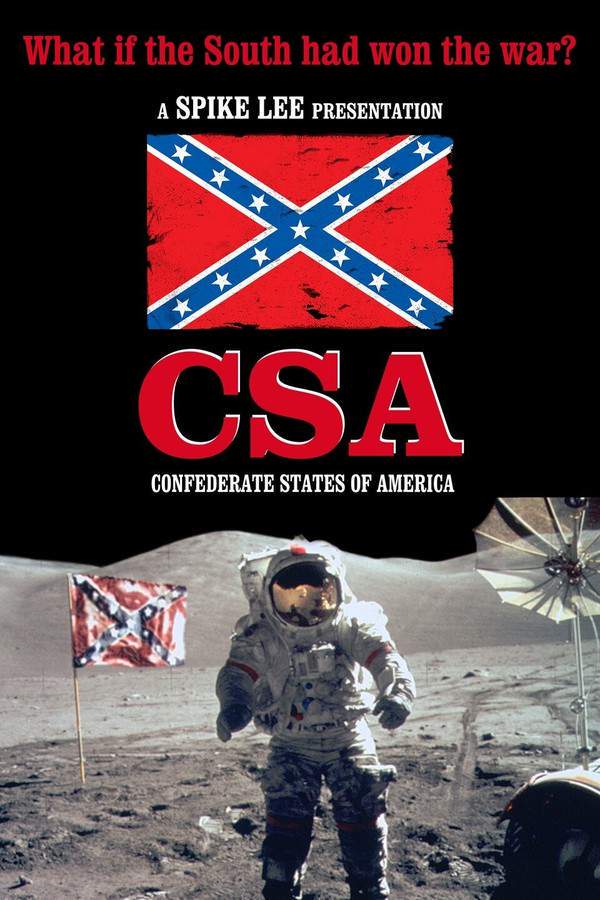
C.S.A.: The Confederate States of America (2006) Movie Recap & Themes
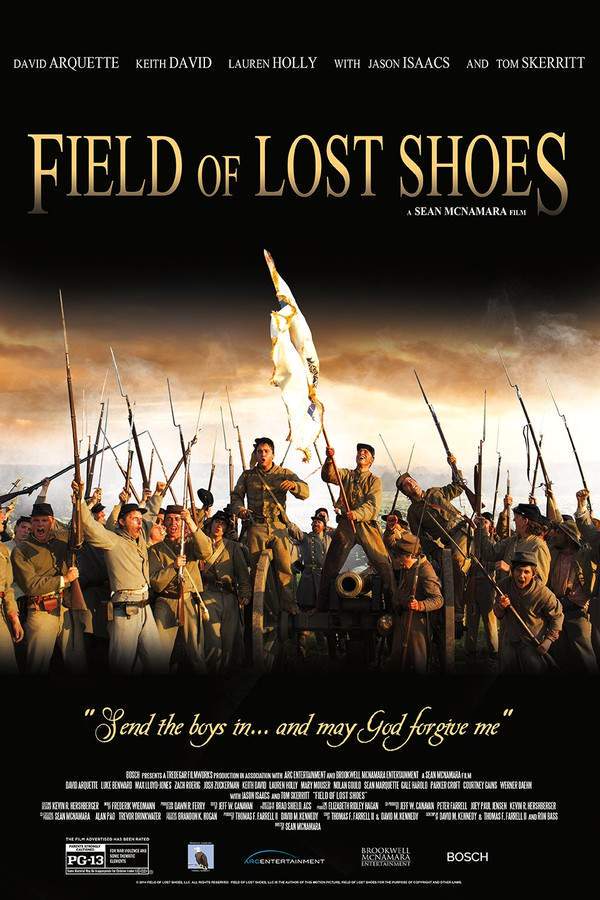
Field of Lost Shoes (2014) Movie Recap & Themes
American Siege (2022) Full Summary & Key Details
Convicts (1991) Ending Explained & Film Insights
Attica (1980) Story Summary & Characters
The Blue and the Gray (1000) Plot Summary & Ending Explained
North and South (1000) Full Summary & Key Details
Pharaoh’s Army (1995) Complete Plot Breakdown
Prisoner of War (1954) Full Movie Breakdown
Shenandoah (1965) Full Movie Breakdown
The Andersonville Trial (1970) Detailed Story Recap
San Quentin (1937) Full Movie Breakdown
Inside the Walls of Folsom Prison (1951) Spoiler-Packed Plot Recap
Captured! (1933) Movie Recap & Themes
Buckstone County Prison (1978) Movie Recap & Themes