Plot Explained Spoilers guaranteed!
Plot Explained

Browse by genre

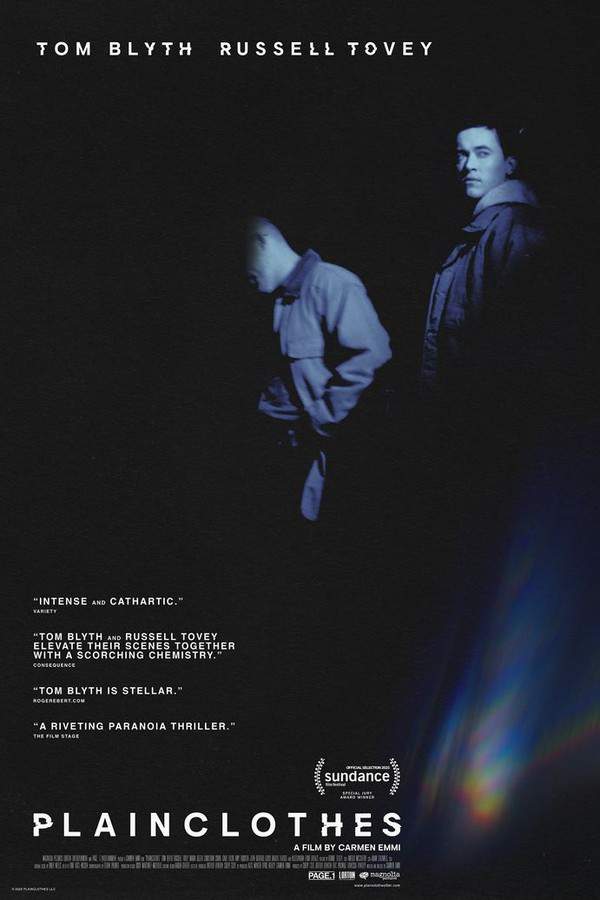
Plainclothes (2025) movie poster

Ending Explained

Plainclothes (2025) Ending Explained – Final Scene & Meaning

Release, runtime and language
2025 · 1 h 35 m · English
Echo score 74
Loading streaming availability…
Directed by
Carmen Emmi
Starring
Amy Forsyth, Tom Blyth, Maria Dizzia, Gabe Fazio, Christian Cooke, John Bedford Lloyd

At his mother’s New Year’s Eve party, Lucas, a young police officer, misplaces a confidential letter. As the family gathering becomes oppressive, his search forces him to confront memories of an undercover stint months earlier, when he infiltrated a mall bathroom and arrested men by seducing them.

On this page (7)
  1. 1 Where to watch
  2. 2 What happens at the end
  3. 3 Final events in order
  4. 4 Ending questions answered
  5. 5 Movie threads
  6. 6 Movies like Plainclothes
  7. 7 Every angle
Loading streaming availability…

Ending explained · contains spoilers

What Happens at the End of Plainclothes?

How Plainclothes (2025) ends, what the final scene means, which earlier moments set it up and how to read the ending if the film leaves it open. The full ending explained, with every spoiler.

The climax of Plainclothes erupts during a tense family dinner. After his brief affair with Andrew Waters ends, Andrew sends a heartfelt letter to “Gus” – the name Lucas has been using to hide his true identity. The letter, describing their secret love, is inadvertently discovered by Lucas’s uncle Charlie, who then shows it to Lucas’s mother. Everyone assumes the note is proof that Lucas’s dead father had been a closeted gay man who once met Andrew.

The accusation shatters the fragile peace of the gathering. Charlie, outraged, threatens violence against the imagined “traitor” father, while the mother, bewildered, begins to apologize to a man who is no longer alive. In a sudden burst of anger and desperation, Lucas grabs the letter, declares that it was addressed to him, not his father, and physically shoves Charlie out of a nearby window. He then tells the family that the secret lover was his own, not Gus’s.

By exposing the truth, Lucas not only clears his father’s memory but also forces his family to confront his own sexuality. His mother’s reaction shifts from shock to a muted, almost proud acknowledgment of his bravery, while the rest of the family recoils. The revelation marks Lucas’s final break from the oppressive role he has been playing as a plain‑clothes officer – a man tasked with hunting down the very people he now admits to loving.

The film ends with Lucas standing alone, having lost the possibility of a future with Andrew (who, bound to his marriage, church job and children, cannot leave his double life) and having severed the last ties to a family that cannot accept him. Yet in that moment of confession, he finally embraces his own identity, choosing honesty over the hollow morality of his past duties.

Last updated: December 10, 2025 at 15:54

Was this helpful?

The last 4 events

How Plainclothes Ends: The Final Events in Order

The last events of Plainclothes (2025) in chronological order, the run-up to the ending explained above. The complete timeline has all 12 events, scene by scene.

Open the full timeline
  1. New Year's party and discovery

    Months later at a New Year's party, Lucas's mother and uncle discover a letter Andrew wrote to 'Gus' describing their relationship. The discovery triggers long-held tensions and questions about family loyalties.

    When
    New Year's
    Where
    Family home
  2. Family argument and window incident

    An argument erupts between Lucas and his uncle, escalating to a physical altercation in which Lucas shoves his uncle out a window before the guests. The moment leaves the party in shocked silence.

    When
    New Year's
    Where
    Family home during the party
  3. Coming out to his mother

    During the chaos, Lucas reveals to his mother that the letter was meant for him, effectively coming out. The confession reshapes their understanding of his identity.

    When
    New Year's
    Where
    Family home
  4. Aftermath and ongoing isolation

    The revelations leave Lucas increasingly isolated from his family and community as the consequences of the outing settle in. He contemplates the distance and the path ahead.

    When
    Post-New Year's
    Where
    Home

Ending questions answered

Plainclothes Ending: Your Questions Answered

The questions people ask most about the ending of Plainclothes (2025): what the final scene means, how the twist works, what happens to each character and how to read the ending. Each answer contains spoilers.

Q1

Why does Lucas shove Charlie out the window?

Lucas shoves Charlie out the window in a desperate moment after Charlie shows the letter to Lucas's mother, causing the family to believe Lucas's deceased father was the closeted gay man who had an affair with Andrew. The accusation - that Lucas's father was the 'traitor' - triggers Lucas's violent reaction because he cannot bear to see his father's memory tarnished while he himself remains hidden. This explosive moment forces Lucas to finally reveal the truth about the letter being addressed to him, not his father.

Foreshadowing: Earlier scenes establish Lucas's intense psychological strain from maintaining his double life, which builds to this violent release.

  • Lucas
  • Charlie
  • window
  • letter
  • confrontation
  • violence
Q2

What does the letter from Andrew reveal?

Andrew's letter reveals the true nature of his relationship with Lucas. Written to 'Gus' - the pseudonym Lucas used during his undercover sting operation - the letter describes their secret love affair. The letter is a heartfelt acknowledgment of their relationship, which Lucas had been conducting while working as an undercover officerentrapping men in bathrooms. When discovered, the letter's contents cause the family to mistakenly believe it was proof that Lucas's dead father was having a secret gay affair.

Foreshadowing: The film gradually reveals Lucas's romantic encounters during his undercover work, showing his growing emotional involvement with Andrew.

  • Andrew
  • letter
  • Gus
  • relationship
  • secret love
  • discovered
Q3

Does Lucas end up with Andrew?

Lucas does not end up with Andrew. At the end of the film, Andrew is bound to his double life - he has a marriage, a church job, and children he cannot leave behind. Despite the emotional connection between them, Andrew cannot abandon his existing life to be with Lucas. The possibility of a future together is destroyed by Andrew's inability to leave his obligations, leaving Lucas completely alone.

Foreshadowing: Andrew's circumstances and the constraints of his life are established throughout the film, showing he was never truly free to be with Lucas.

  • Andrew
  • relationship
  • ending
  • alone
  • impossible romance
Q4

Why does Lucas confess that the letter was addressed to him?

Lucas confesses the truth because the family's misinterpretation of the letter becomes unbearable. When Charlie threatens violence against the imagined 'traitor' father and Lucas's mother begins apologizing to a dead man, Lucas cannot let his father's memory be destroyed by a lie. Additionally, the moment represents his breaking point from living a double life - he chooses to expose his own truth rather than let his father's memory take the blame. The confession clears his father's name but forces him to reveal his own sexuality to his family.

Foreshadowing: Lucas's internal struggle with his identity and his guilt over his undercover work builds throughout the film, reaching this breaking point.

  • confession
  • letter
  • truth
  • father
  • memory
  • identity
Q5

How does Lucas's mother react to learning the truth?

Lucas's mother's reaction shifts dramatically during the confrontation. Initially, she is bewildered when Charlie shows her the letter, believing her late husband was the closeted gay man. After Lucas confesses the letter was addressed to him and shoves Charlie out the window, her reaction transforms into what the text describes as a 'muted, almost proud acknowledgment of his bravery.' While the rest of the family recoils in shock, she appears to accept and even respect Lucas for finally being honest about his identity.

Foreshadowing: The mother's earlier interactions suggest a complex relationship with truth and acceptance within the family dynamic.

  • mother
  • reaction
  • acceptance
  • proud
  • family
  • coming out
Q6

What does the ending mean for Lucas?

The ending represents both loss and liberation for Lucas. He loses the possibility of a future with Andrew and severs ties with a family that cannot fully accept him. However, by confessing the truth, he finally embraces his own identity and breaks free from the oppressive role he has been playing as a plainclothes officer tasked with entrapping the very people he admits to loving. He stands alone, but he is no longer living a lie - choosing honesty over the hollow morality of his past duties.

Foreshadowing: The film establishes Lucas's internal conflict between his job and his identity from the opening scenes.

  • Lucas
  • identity
  • liberation
  • loss
  • honesty
  • alone
Q7

Why can't Andrew leave his life to be with Lucas?

Andrew cannot leave his life because he is bound to his marriage, his church job, and his children. Throughout the film, he lives a double life - working at the church while having secret relationships with men. Unlike Lucas, who reaches a breaking point, Andrew chooses to remain in his established life. His inability to leave represents the tragic reality of many closeted individuals who cannot risk the social, familial, and professional consequences of coming out.

Foreshadowing: Andrew's circumstances and his comfortable maintenance of his double life are shown throughout the film.

  • Andrew
  • marriage
  • church
  • children
  • cannot leave
  • double life
Q8

Why does the family think the letter is from Lucas's father?

The family believes the letter is from Lucas's dead father because it is addressed to someone named 'Gus,' which they do not recognize as Lucas's undercover alias. The letter describes a secret romantic relationship, and since Lucas's father is deceased, the family assumes the worst - that their late father was a closeted gay man who had an affair with Andrew. Charlie's discovery and subsequent revelation to the mother fuels this assumption, which remains until Lucas corrects them.

Foreshadowing: The use of the name 'Gus' as Lucas's alias creates the perfect conditions for this misunderstanding.

  • family
  • misunderstanding
  • father
  • Gus
  • letter
  • assumption
Q9

What happens to Lucas at the end of the movie?

At the end of Plainclothes, Lucas stands alone after the confrontation with his family. He has exposed his sexuality to his family, lost his relationship with Andrew, and severed ties with family members who cannot accept him. The film ends with him in isolation, but this isolation is portrayed as a necessary step toward authenticity - he has finally chosen to live honestly rather than continue hiding behind his undercover identity and family expectations.

Foreshadowing: The New Year's party setting and Lucas's growing discomfort with his family throughout the film foreshadow this final rupture.

  • Lucas
  • ending
  • alone
  • isolated
  • family
  • confession
Q10

What is the significance of Lucas coming out to his family?

Lucas's coming out represents his final break from the oppressive role he has been playing as a plainclothes officer. Throughout the film, he has been tasked with hunting down the very people he himself identifies with and loves. By confessing that the secret lover was his own, not his father's, Lucas stops living a lie and accepts who he truly is. This moment marks his transformation from an officer entrapping gay men to a man who embraces his own identity, choosing honesty over the 'hollow morality' of his past duties.

Foreshadowing: The constant psychological strain of Lucas's double life as both an entrapper and a closeted man builds toward this moment of self-acceptance.

  • coming out
  • identity
  • honesty
  • transformation
  • breaking free
  • police

Movie threads

More Movies Like Plainclothes, by Mood & Story

Curated lists built around what makes Plainclothes tick: the same mood, the same kind of story or the same emotional payoff. Each list explains why these movies belong together.

Movies with a Tragic Undercover Romance like Plainclothes

A secret affair born from deception leads to devastating personal and emotional fallout. If you liked the forbidden, high-stakes love story in Plainclothes, you'll find similar movies here. This thread features intense dramas and thrillers where undercover operations blur with genuine, tragic romance, leading to devastating emotional consequences and moral collapse.

  • tense
  • tragic
  • angst-ridden
  • forbidden
  • claustrophobic
  • lonely
  • Tone: melancholic, tense, tragic
  • Pacing: steady, character-driven
Why these movies?

The story pattern: The narrative follows a character tasked with deceiving a target, only to develop real feelings for them. This internal conflict between professional obligation and personal desire drives the plot, creating unbearable tension that usually erupts in a climactic betrayal or violent act, leaving the protagonist isolated and emotionally shattered.

Why they belong together: These movies are grouped by their core conflict: a romance that is fundamentally poisoned by its origin in deception. They share a heavy emotional weight, high intensity from the constant threat of exposure, and a melancholic or bittersweet tone as the relationship is inevitably destroyed by the circumstances that created it.

Movies about Closeted Melancholy and Family like Plainclothes

Stories of repression, hidden identity, and the explosive personal cost of coming out. For viewers moved by the internal conflict and family drama in Plainclothes, this thread collects similar melancholic dramas. These films explore the heavy burden of a hidden gay identity, the tension of religious or societal oppression, and the painful, cathartic process of self-acceptance and confrontation.

  • melancholic
  • introspective
  • oppressive
  • lonely
  • angst-ridden
  • claustrophobic
  • Tone: melancholic, introspective, oppressive
  • Pacing: steady, slow burn
Why these movies?

The story pattern: The journey follows a protagonist grappling with a secret gay identity in an unaccepting environment, often the 1990s or similar repressive eras. Internal conflict and loneliness build steadily, leading to a climactic scene—a party, dinner, or intimate moment—where the truth is forced out, resulting in a painful but necessary step towards authenticity, even if it means profound loss.

Why they belong together: They are united by a deeply melancholic and introspective tone, a steady pacing that allows the weight of repression to build, and a focus on the claustrophobic atmosphere of secrecy. The emotional core is the heavy cost of hiding one's true self, culminating in a bittersweet ending that mixes liberation with grief.

Movies about undercover moral crises like Plainclothes

Stories where a professional deception forces a painful confrontation with the self. If you were captivated by the moral conflict in Plainclothes, explore these movies about undercover agents and double lives. These films feature characters whose professional deception leads to a profound identity crisis, forcing them to choose between duty and their true self, often with heavy emotional consequences.

  • tense
  • claustrophobic
  • soul-searching
  • anxious
  • moral conflict
  • double life
  • Tone: tense, claustrophobic, morally complex
  • Pacing: steady, methodical build
Why these movies?

The story pattern: Narratives in this thread follow a character deeply embedded in a deceptive role, such as an undercover operative. The initial commitment to the assignment is challenged by a personal connection or self-discovery, creating unbearable internal conflict. The story escalates towards a climactic point where the character must betray their mission or their newfound truth, resulting in significant personal and professional fallout.

Why they belong together: These movies are grouped by their shared focus on the psychological disintegration caused by a double life. They share a tense, claustrophobic tone, high emotional weight, and explore themes of betrayal, identity, and the high cost of living a lie, creating a consistently gripping and thought-provoking experience.

Movies about forbidden love and self-discovery like Plainclothes

A dangerous romance forces a character to break free from a constrained life. Fans of the forbidden romance in Plainclothes will appreciate these stories where love breaks the rules. These movies explore how a dangerous affair forces characters out of repression, leading to explosive conflict, soul-searching, and a bittersweet awakening that changes them forever.

  • forbidden love
  • melancholic
  • soul-searching
  • raw
  • tense
  • liberating
  • Tone: melancholic, tense, raw
  • Pacing: steady, emotionally driven
Why these movies?

The story pattern: The narrative pattern begins with a character living within strict, often oppressive, constraints. A chance encounter with a forbidden love interest ignites a passionate but risky affair. This relationship becomes the engine for the protagonist's awakening, forcing them to challenge the rules of their world—be it family, society, or profession—culminating in a climax that sacrifices old certainties for hard-won self-knowledge.

Why they belong together: This thread connects movies through the transformative power of a taboo romance. They share a heavy emotional weight, a melancholic and tense atmosphere, and a central theme of liberation through loss. The pacing is typically steady, building emotional pressure until the character's world inevitably fractures, resulting in a poignant, bittersweet conclusion.

If you liked this

Movies Like Plainclothes

Similar movies to Plainclothes: the same genre, themes or kind of story. Each one comes with its own plot summary, timeline and ending explained.

Browse all movie summaries

Every angle

Plainclothes (2025) Explained: Plot, Ending, Timeline & Characters

Everything about Plainclothes in one place: what happens in the plot summary, the timeline in chronological order, the characters and meaning, the ending explained and a spoiler-free summary. What's After the Movie adds the cast, box office and post-credit scenes.

Coming soon on iOS and Android

The Plot Explained Movie Summary App

Plot summaries, endings explained and timelines on your phone. Catch up on any movie in minutes, save your favorites and never miss a twist again.

Be the first to know when we launch. Your email stays private, always.

Learn more about the app