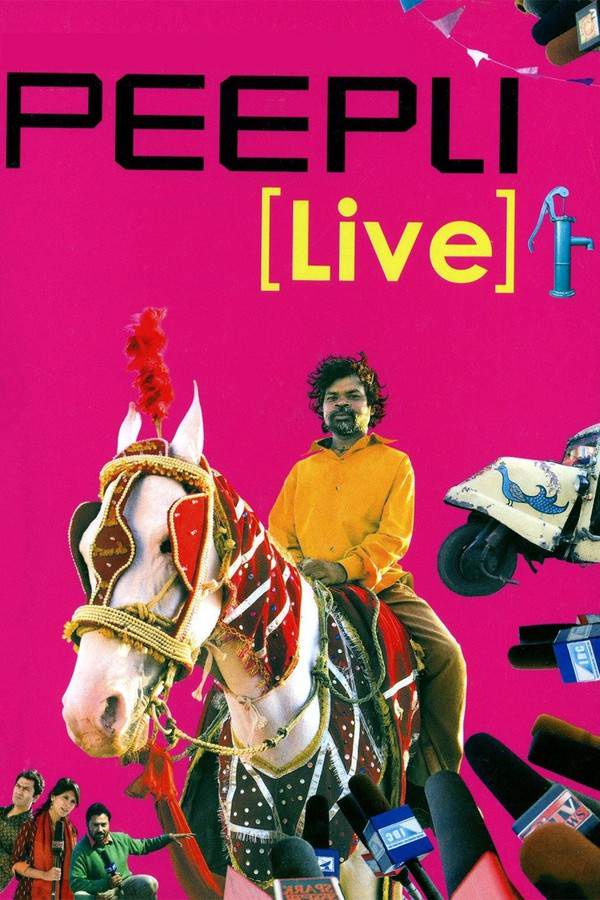
Peepli Live
Year: 2010
Language: Hindi
Directors: Anusha Rizvi, Mahmood Farooqui
On the eve of national elections, a family in the small Indian village of Peepli faces financial ruin due to an unpaid government loan. As they struggle to save their land, a calculating politician sees an opportunity and suggests a drastic measure that quickly attracts media attention. The ensuing situation creates a tense standoff, forcing the family to confront difficult choices and raising questions about truth, sacrifice, and the pressures of rural life.
Where to Watch Peepli Live?
Find where to stream, rent, or buy Peepli Live (2010) in the US with current JustWatch availability, up-to-date pricing, and platform listings for subscription, rental, and digital purchase options.


Streaming availability powered by 
Warning: spoilers below!
Haven’t seen Peepli Live yet? This summary contains major spoilers. Bookmark the page, watch the movie, and come back for the full breakdown. If you're ready, scroll on and relive the story!
Timeline & Setting – Peepli Live (2010)
Explore the full timeline and setting of Peepli Live (2010). Follow every major event in chronological order and see how the environment shapes the story, characters, and dramatic tension.
Last updated: October 22, 2024 at 20:00
Main Characters – Peepli Live (2010)
Meet the key characters of Peepli Live (2010), with detailed profiles, motivations, and roles in the plot. Understand their emotional journeys and what they reveal about the film’s deeper themes.
Last updated: October 22, 2024 at 20:00
Major Themes – Peepli Live (2010)
Explore the central themes of Peepli Live (2010), from psychological, social, and emotional dimensions to philosophical messages. Understand what the film is really saying beneath the surface.
Last updated: October 22, 2024 at 20:00
Peepli Live (2010) Character & Theme Questions Answered – Info FAQ
Browse frequently asked questions about Peepli Live (2010) focused on characters, relationships, themes, symbols, setting, and story context. This movie info FAQ gives spoiler-aware explanations for character arcs, world details, and thematic interpretation so readers can better understand what the film is really about.
What kind of village is Peepli and where is it located?
Peepli is a humble farming village in the fictional district of Mukhya Pradesh, representing the agrarian heartland of rural India. The village is characterized by its simple, poor communities who rely on agriculture for survival. The film uses this setting to highlight the struggles of farmers facing economic hardship and the disconnect between rural India and urban centers of power.
When does Peepli Live take place?
The film is set in contemporary, modern-day rural India, specifically on the eve of national elections. This timing is crucial as it creates the political environment where politicians seek to exploit the plight of vulnerable farmers for electoral gain. The story captures the current socio-economic challenges faced by Indian farmers rather than a specific historical period.
What does Peepli Live say about poverty?
The film centers on poverty as a defining theme, depicting the dire conditions of farmers in rural India. Natha's family represents the systemic financial pressures that push poor families to the brink, their struggles with debt, inability to repay government loans, and the threat of losing ancestral land. The movie illustrates how poverty creates impossible choices and leaves families vulnerable to exploitation by those in power.
How does the film portray media and journalism?
Peepli Live critiques media sensationalism by showing how news channels exploit tragic stories for ratings. When Natha's plight becomes public, competing media outlets descend on the village, transforming a personal family tragedy into national spectacle. The film questions the ethics of journalism, suggesting that the rush for dramatic headlines often overshadows real human suffering and can actually worsen the situations of vulnerable people.
How does Peepli Live depict political exploitation of farmers?
The film shows how political parties manipulate vulnerable farmers for electoral purposes. When Natha's desperate situation becomes public, various political factions attempt to use his story for their own gain, treating his personal tragedy as a campaign tool. The movie exposes how politicians leverage the suffering of poor communities like Natha's family, turning them into pawns in larger political games without addressing the root causes of their hardship.
Who is Natha and what is his situation?
Natha Das ManikPuri is a desperate farmer in Peepli village who faces financial ruin due to an unpaid government loan. He grapples with the weight of his family's struggles and often succumbs to alcohol as a coping mechanism. Throughout the film, Natha must confront impossible choices as political and media forces descend on his village, ultimately becoming a symbol of how vulnerable rural families are caught in systems beyond their control.
Who is Budhia and what role does he play?
Budhia Das Manikpuri is Natha's elder brother, who embodies a mix of desperation and cunning. He encourages Natha to consider drastic measures to save their family's future, illustrating how societal pressures and familial bonds can influence individuals toward darker choices. Budhia represents the complex dynamics within struggling families, where desperation can lead even siblings to push each other toward questionable decisions.
Who is Dhaniya in the film?
Dhaniya is Natha's wife, who bears the heavy burden of the family's daily struggles and hardships. Her character reflects the resilience of women in rural Indian households, as she works to maintain the family unit amid chaos and despair. She often balances between supporting her husband and expressing frustration at the impossible situation facing their family, representing the silent suffering of women in poverty-stricken rural communities.
How does the film contrast rural and urban India?
Peepli Live contrasts the simple, impoverished rural village of Peepli with the distant world of urban political power and media. The village represents the forgotten margins of Indian society where farmers struggle for survival, while urban centers symbolize the seats of political manipulation and media spectacle. This contrast highlights the disconnect between those who make decisions in cities and those who suffer the consequences in rural areas.
What is the tone and style of Peepli Live?
The film employs a dark, satirical tone to underscore the bleak reality of rural exploitation and systemic failure. It uses humor and irony to expose the absurdity of how Natha's tragedy becomes entertainment for the nation while offering no real solutions. The satire targets media ethics, political opportunism, and societal neglect of farmer welfare, creating a critique that is both compelling and uncomfortable.

Explore Movie Threads
Discover curated groups of movies connected by mood, themes, and story style. Browse collections built around emotion, atmosphere, and narrative focus to easily find films that match what you feel like watching right now.
Media Circus Satires like Peepli Live
Stories where a personal crisis becomes a chaotic media spectacle.Discover movies like Peepli Live, where a serious personal issue becomes a media frenzy. These films combine biting satire with chaotic pacing to critique sensationalist journalism, political opportunism, and societal indifference, offering a grim look at exploitation in the public eye.

S.F.W.
1994

S.O.B.
1981

Triangle of Sadness
2022

The Last Circus
2011

Movie 43
2013
Southland Tales
2007

I Love Your Work
2005

End of the Road
1970

Bad Luck Banging or Loony Porn
2021

Street Trash
2024

The Day Shall Come
2019

Kinds of Kindness
2024

Saturday Morning Massacre
2012
White Noise
2022

Terrorizers
1986
Narrative Summary
Narratives typically begin with a single, often desperate, individual or event that catches the attention of the media. This triggers a rapid escalation, drawing in various self-interested parties like politicians, activists, and competing news networks. The story juggles multiple perspectives to show how the original human truth is lost in a storm of exploitation, commentary, and public spectacle, often ending with the individual consumed by the chaos.
Why These Movies?
They are grouped together by their shared chaotic, fast-paced energy that mimics a media storm. The tone is darkly satirical, using absurdity and humor to underscore a bleak message about societal failures. The experience is defined by an anxious, oppressive mood as characters are crushed by forces beyond their control.
Grim Social Realism Dramas like Peepli Live
Hard-hitting dramas exposing the human cost of broken systems.If you liked the heavy emotional weight of Peepli Live, explore these grim social realism dramas. They depict the desperate struggles of ordinary people against overwhelming systemic forces like poverty and corruption, often leading to bleak, emotionally resonant conclusions that critique societal structures.

City of Hope
1991

Brooklyn's Finest
2010

The Hoodlum
1951

System Crasher
2020

Elisa Before the End of the World
1997

Night and the City
1950

Knock on Any Door
1949

Crimson Gold
2003
Vassa
1983

The Robbers
2023
Storytelling
2002
Stoic
2009

The Wasted Times
2016
Cities of Last Things
2019

Los olvidados
2014
Narrative Summary
Stories follow protagonists trapped in impossible situations created by systemic injustice, such as debt, bureaucratic red tape, or political corruption. The narrative is a slow-build descent into desperation, highlighting the protagonist's powerlessness. The conflict is not against a single villain but against an impersonal, uncaring system, typically concluding with a bleak outcome that reinforces the film's critical message.
Why These Movies?
They share a heavy emotional weight, an oppressive mood, and a bleak tone. The pacing is often variable, building tension slowly before events accelerate towards an inevitable, grim conclusion. The core similarity is their unflinching focus on the human suffering caused by societal and economic failures.
Unlock the Full Story of Peepli Live
Don't stop at just watching - explore Peepli Live in full detail. From the complete plot summary and scene-by-scene timeline to character breakdowns, thematic analysis, and a deep dive into the ending - every page helps you truly understand what Peepli Live is all about. Plus, discover what's next after the movie.
Peepli Live Summary
Read a complete plot summary of Peepli Live, including all key story points, character arcs, and turning points. This in-depth recap is ideal for understanding the narrative structure or reviewing what happened in the movie.

Peepli Live Timeline
Track the full timeline of Peepli Live with every major event arranged chronologically. Perfect for decoding non-linear storytelling, flashbacks, or parallel narratives with a clear scene-by-scene breakdown.


Similar Movies to Peepli Live
Discover movies like Peepli Live that share similar genres, themes, and storytelling elements. Whether you’re drawn to the atmosphere, character arcs, or plot structure, these curated recommendations will help you explore more films you’ll love.





Explore More About Movie Peepli Live
Peepli Live (2010) Plot Summary & Movie Recap
Peepli Live (2010) Scene-by-Scene Movie Timeline
Peepli Live (2010) Spoiler-Free Summary & Key Flow
Movies Like Peepli Live – Similar Titles You’ll Enjoy
Monsoon Wedding (2002) Ending Explained & Film Insights
Parched (2016) Movie Recap & Themes
PK (2014) Full Movie Breakdown
Piku (2015) Complete Plot Breakdown
Toilet: Ek Prem Katha (2017) Full Movie Breakdown
Toilet: A Love Story (2017) Ending Explained & Film Insights
Sheeple (2018) Story Summary & Characters
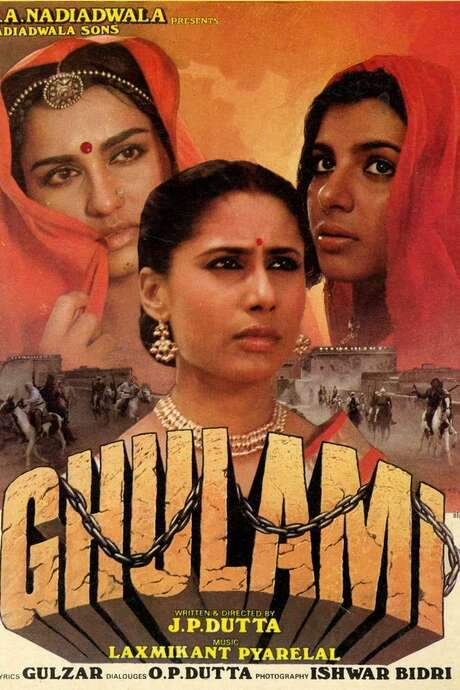
Ghulami (1985) Story Summary & Characters
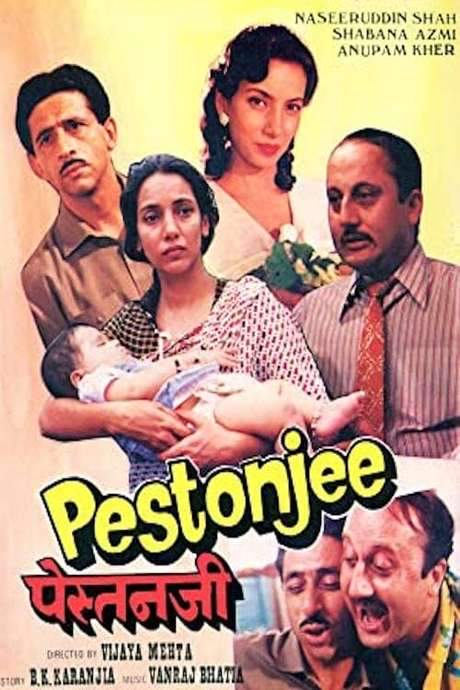
Pestonjee (1988) Spoiler-Packed Plot Recap
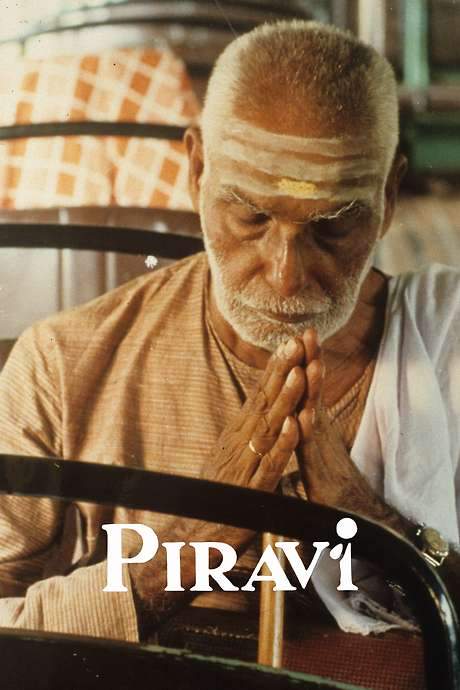
Piravi (1989) Spoiler-Packed Plot Recap
Cheeni (2020) Complete Plot Breakdown
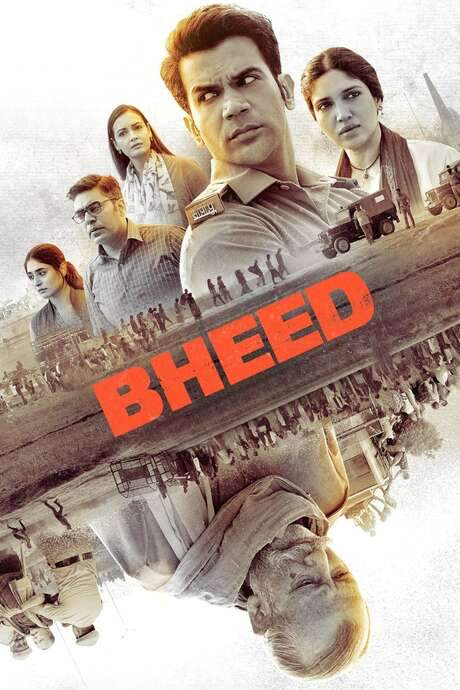
Bheed (2023) Spoiler-Packed Plot Recap
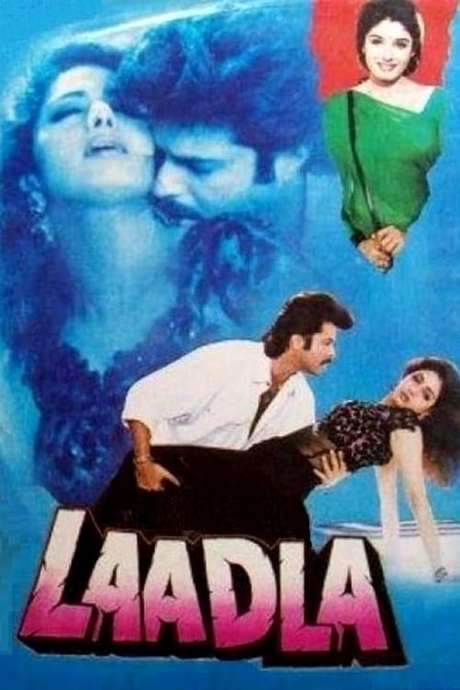
Laadla (1994) Story Summary & Characters
Mere Apne (1971) Ending Explained & Film Insights
Mother India (1957) Detailed Story Recap