Plot Explained Spoilers guaranteed!
Plot Explained

Browse by genre

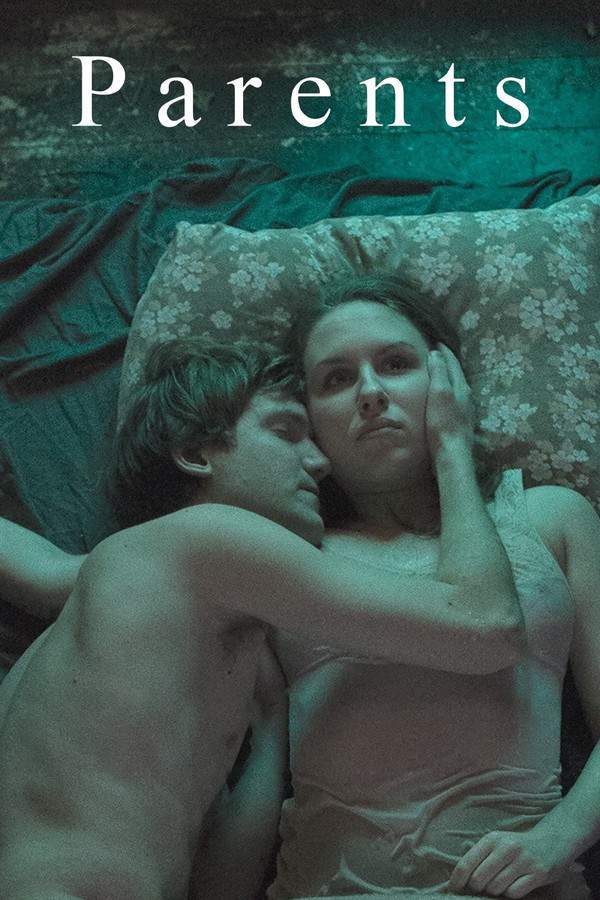
Parents (1989) movie poster

Characters & Themes

Parents (1989) Characters, Setting & Themes Explained

Release, runtime and language
1989 · 81 min · Danish
Loading streaming availability…
Starring
Randy Quaid, Mary Beth Hurt, Bryan Madorsky, Deborah Rush, Graham Jarvis, Helen Carscallen
Budget
$3M

When their adult son leaves home, Kjeld and Vibeke are consumed by a profound sense of loss. Attempting to rekindle the excitement of their younger years, they revisit their former student flat, the place where their romance began. However, their nostalgic journey unexpectedly unearths painful memories and confronts them with the complexities of their past relationship.

On this page (8)
  1. 1 Where to watch
  2. 2 Characters explained (4)
  3. 3 Where & when it takes place
  4. 4 Themes & meaning (3)
  5. 5 Character & meaning questions
  6. 6 Movie threads
  7. 7 Movies like Parents
  8. 8 Every angle
Loading streaming availability…

4 main characters · contains spoilers

Parents Characters Explained: Who Is Who

The main characters of Parents (1989), heroes and villains: what drives them, how they change over the course of the story and what each of them reveals about the film's bigger ideas.

  • Michael Laemle (Bryan Madorsky)

    A highly imaginative 10-year-old boy who feels out of place after his family moves cross-country. He is socially awkward and prone to disturbing dreams, which heighten his sense that something terrible is unfolding at home. As he latches onto a troubling theory about his parents, his fear drives the plot toward a violent confrontation. Michael remains the emotional core of the story, navigating trust, reality, and survival.

    • 🧒 Child
    • 🎨 Imaginative
    • 😟 Anxious
  • Nick Laemle (Randy Quaid)

    The father, a professional involved in testing and defoliant development. He presents a composed exterior but harbors a volatile edge that surfaces under pressure. His interactions with Michael reveal a capacity for aggression, which escalates as the boy's suspicions grow. Nick embodies the threat that lurks within the family home.

    • 👨‍🔬 Scientist
    • ⚠️ Dangerous
    • 👨‍👦 Family tension
  • Lily Laemle (Mary Beth Hurt)

    The mother who appears to align with her husband's secrets, yet also makes desperate attempts to protect Michael. Her behavior hints at complicity in the family’s dark reality, even as she acts with a maternal instinct toward her son. She ultimately sacrifices herself in a bid to defend Michael, underscoring the film's tragic family dynamics.

    • 👩‍👧 Mother
    • 💔 Tragic
    • 🕯️ Protective
  • Millie Dew (Deborah Rush)

    The school guidance counselor who tries to help Michael distinguish fantasy from reality. She becomes involved in Michael's world when she accompanies him home, only to confront the terrifying truth behind his fears. Her death signifies the peril that surrounds attempts to intervene in the family's secret.

    • 🧭 Guidance
    • 👩‍🏫 Educator
    • ⚠️ Fatal

Last updated: November 22, 2025 at 15:27

Was this helpful?

Setting

Where and When Does Parents Take Place?

The setting of Parents (1989): the year and time period, the places and locations, and how they shape the characters, the mood and the tension of the story.

Time period

1958

The events unfold in 1958, during a period of postwar prosperity and traditional family values in suburban America. Cold War era anxieties and a culture of conformity color everyday life and neighborly interactions. The clock-ticking atmosphere heightens the sense that danger can hide inside the home as easily as outside.

Location

California, United States

Set in a California suburban neighborhood in 1958, the Laemle family moves into a quiet, picture-perfect home. The suburb represents mid-century affluence and conformity, where appearances matter and secrets linger beneath orderly exteriors. The setting frames the story around a young boy's confrontation with disturbing realities within a seemingly ordinary house.

  • 🏡 Suburban
  • 🕰️ 1950s

Last updated: November 22, 2025 at 15:27

Was this helpful?

3 major themes

Parents Meaning: Themes & Message Explained

What is Parents (1989) really about? The emotional, social and philosophical themes the film keeps returning to, its symbolism and the message beneath the surface.

  • Family secrets

    A seemingly perfect family life hides dangerous secrets that fracture trust and safety. The film probes how denial and silence can perpetuate violence within a household. As Michael's suspicions grow, the intimate space of home becomes a battleground where truth and illusion collide. The finale implies that the past may continue to haunt the present.

  • Paranoia and perception

    Michael's dreams and creeping visions blur the line between reality and fantasy, forcing him to question what he truly knows. The adults' evasions amplify his doubt, creating a chilling feedback loop of fear. The story examines how fear warps memory, interpretation, and the trust between parent and child. The tension sustains until the boundaries between sanity and nightmare break down.

  • Domestic horror

    The family home is transformed from a sanctuary into a site of danger and violence. Ordinary rooms—basement, kitchen, living areas—become stages for concealment and catastrophic revelation. The film uses confined spaces and escalating menace to invert suburban comfort into dread. It suggests suburban life can harbor lethal impulses beneath a polite surface.

Last updated: November 22, 2025 at 15:27

Was this helpful?

Character & theme questions

Parents Characters & Meaning: Your Questions Answered

The questions people ask about Parents (1989): who the characters really are, their relationships, what the symbols mean, where it takes place and what the movie is really about. Each answer contains spoilers.

Q1

Where is the movie set?

The film is set in a quiet California suburban neighborhood in 1958. The Laemle family moves into a picture-perfect home that represents mid-century affluence and conformity, where appearances matter and secrets linger beneath orderly exteriors.

Foreshadowing: The opening move establishes the deceptive normalcy of suburban life that the story will systematically unravel.

  • california suburb
  • 1950s setting
  • suburban neighborhood
  • laemle house
Q2

What time period does the story take place in?

The events unfold in 1958, during a period of postwar prosperity and traditional family values in suburban America. The Cold War era anxieties and culture of conformity color everyday neighborly interactions, creating an atmosphere where danger could hide inside the home as easily as outside.

  • 1958
  • cold war era
  • postwar america
  • 1950s
Q3

What are the main themes?

The film explores three interconnected themes: family secrets, where a seemingly perfect household hides dangerous truths that fracture trust; paranoia and perception, where the young protagonist's dreams and visions blur reality with fantasy; and domestic horror, which transforms the family home from sanctuary into a site of danger and violence.

  • family secrets
  • paranoia
  • domestic horror
  • childhood trauma
Q4

Who is the main character?

Michael Laemle is a highly imaginative 10-year-old boy who feels out of place after his family moves cross-country. He is socially awkward and prone to disturbing dreams, which heighten his sense that something terrible is unfolding at home. He serves as the emotional core, navigating trust, reality, and survival.

  • michael laemle
  • main character
  • child protagonist
  • 10 year old
Q5

Who is Michael's father?

Nick Laemle is Michael's father, a professional involved in testing and defoliant development. He presents a composed exterior but harbors a volatile edge that surfaces under pressure. His interactions with Michael reveal a capacity for aggression that escalates as the boy's suspicions grow, embodying the threat that lurks within the family home.

  • nick laemle
  • father
  • parent character
  • cannibal father
Q6

Who is Michael's mother?

Lily Laemle is Michael's mother who appears to align with her husband's secrets, yet also makes desperate attempts to protect Michael. Her behavior hints at complicity in the family's dark reality, even as she acts with maternal instinct toward her son. She ultimately sacrifices herself defending Michael, underscoring the film's tragic family dynamics.

  • lily laemle
  • mother
  • parent character
  • cannibal mother
Q7

What does the family secrets theme explore?

The family secrets theme examines how denial and silence can perpetuate violence within a household. As Michael's suspicions grow, the intimate space of home becomes a battleground where truth and illusion collide. The film's conclusion implies that the past may continue to haunt the present, suggesting generational trauma.

  • family secrets
  • denial
  • silence
  • household violence
  • generational trauma
Q8

What does the paranoia and perception theme involve?

Michael's dreams and creeping visions blur the line between reality and fantasy, forcing him to question what he truly knows. The adults' evasions amplify his doubt, creating a chilling feedback loop of fear. The story examines how fear warps memory, interpretation, and the trust between parent and child, until the boundaries between sanity and nightmare break down.

  • paranoia
  • perception
  • dreams
  • reality vs fantasy
  • child fear
Q9

What does the domestic horror theme depict?

The family home is transformed from a sanctuary into a site of danger and violence. Ordinary rooms like the basement, kitchen, and living areas become stages for concealment and catastrophic revelation. The film uses confined spaces and escalating menace to invert suburban comfort into dread, suggesting suburban life can harbor lethal impulses beneath a polite surface.

  • domestic horror
  • home danger
  • suburban horror
  • household menace
Q10

Who is Millie Dew?

Millie Dew is the school guidance counselor who tries to help Michael distinguish fantasy from reality. She becomes involved in Michael's world when she accompanies him home, only to confront the terrifying truth behind his fears. Her death signifies the peril that surrounds attempts to intervene in the family's secret.

  • millie dew
  • counselor
  • school counselor
  • supporting character
Q11

Why is the 1958 setting significant?

The 1958 setting is significant because it represents an era of strict social conformity and surface perfection. The postwar suburban ideal provides the perfect mask for hidden horrors, while Cold War era anxieties create a pervasive sense that danger can lurk anywhere. The clock-ticking atmosphere heightens the tension, making the domestic space feel increasingly claustrophobic and threatening.

  • 1958 significance
  • suburban conformity
  • cold war anxiety
  • postwar era
Q12

What kind of neighborhood do the Laemles live in?

The Laemle family lives in a quiet, picture-perfect suburban neighborhood that represents mid-century American affluence. The setting emphasizes that appearances matter greatly in this community, where neighbors maintain a façade of normalcy while secrets fester beneath the orderly exterior. This creates a stark contrast between the family's public image and their dark private reality.

  • suburban neighborhood
  • laemle home
  • picture perfect suburb
  • mid-century america

Movie threads

More Movies Like Parents, by Mood & Story

Curated lists built around what makes Parents tick: the same mood, the same kind of story or the same emotional payoff. Each list explains why these movies belong together.

Suburban horror movies with psychological dread like Parents

Stories where idyllic domestic life hides a terrifying darkness. If you liked the unsettling atmosphere of Parents, explore more movies where suburban or domestic settings become a source of psychological horror. These films often feature a gradual discovery of family secrets, creating a palpable sense of dread around everyday life.

  • unsettling
  • claustrophobic
  • dread-filled
  • paranoid
  • grotesque
  • psychological
  • Tone: dark, unsettling
  • Pacing: steady, deliberate
Why these movies?

The story pattern: The narrative typically follows a character, often a child or newcomer, who begins to suspect that their seemingly normal family or community is concealing a monstrous secret. The story unfolds as a slow revelation of this hidden darkness, challenging the protagonist's perception of reality and safety.

Why they belong together: These movies are grouped by their shared setting and core conflict: the terrifying discovery of evil within the most familiar and supposedly safe environments. They create a specific type of anxiety by twisting the mundane into the monstrous.

Movies about inherited family horror like Parents

Characters confronting a terrifying truth or legacy passed down through family. Fans of Parents who were captivated by its theme of a dark family legacy will find similar chilling tales here. These movies explore the horror of discovering that monstrous traits or a terrifying fate are part of one's bloodline, often leading to a bleak confrontation.

  • dread-filled
  • tragic
  • unsettling
  • nightmarish
  • psychological
  • bleak
  • Tone: bleak, dark
  • Pacing: steady
Why these movies?

The story pattern: The journey involves a protagonist peeling back layers of denial or ignorance to face an awful truth about their family's nature. This revelation often leads to a crisis of identity and a climactic confrontation that questions whether one can escape their inherited fate, typically ending on a somber or ambiguous note.

Why they belong together: They are united by the profound theme of 'inherited darkness'—the idea that horror and evil can be a familial trait or curse. The emotional core is the trauma of realizing the people who should protect you are the source of the terror.

If you liked this

Movies Like Parents

Similar movies to Parents: the same genre, themes or kind of story. Each one comes with its own plot summary, timeline and ending explained.

Browse all movie summaries

Every angle

Parents (1989) Explained: Plot, Timeline & Characters

Everything about Parents in one place: what happens in the plot summary, the timeline in chronological order, the characters and meaning and a spoiler-free summary. What's After the Movie adds the cast, box office and post-credit scenes.

Coming soon on iOS and Android

The Plot Explained Movie Summary App

Plot summaries, endings explained and timelines on your phone. Catch up on any movie in minutes, save your favorites and never miss a twist again.

Be the first to know when we launch. Your email stays private, always.

Learn more about the app