Plot Explained Spoilers guaranteed!
Plot Explained

Browse by genre

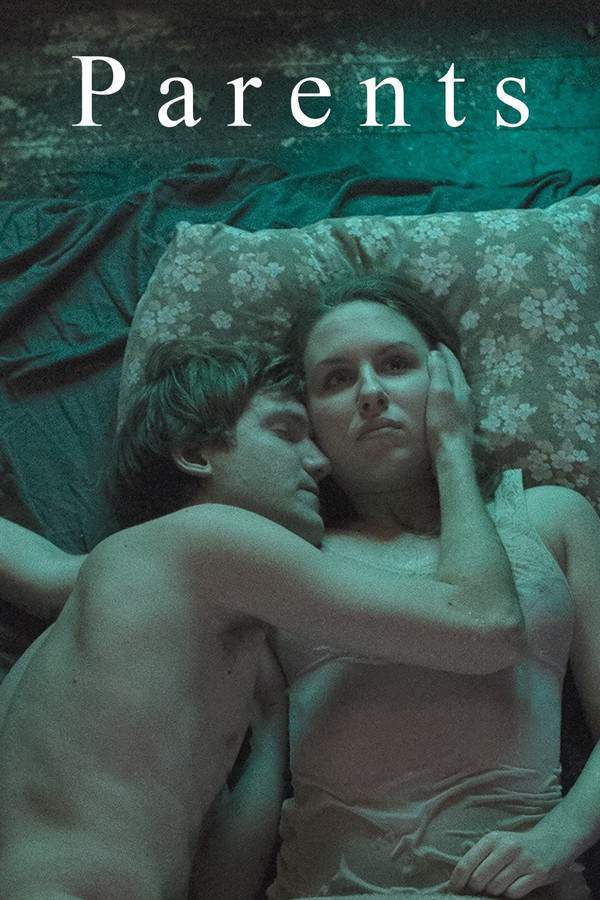
Parents (1989) movie poster

Plot Summary

Parents (1989) Plot Summary Explained

Release, runtime and language
1989 · 81 min · Danish
JustWatch #17,046 8
Starring
Randy Quaid, Mary Beth Hurt, Bryan Madorsky, Deborah Rush, Graham Jarvis, Helen Carscallen
Budget
$3M

When their adult son leaves home, Kjeld and Vibeke are consumed by a profound sense of loss. Attempting to rekindle the excitement of their younger years, they revisit their former student flat, the place where their romance began. However, their nostalgic journey unexpectedly unearths painful memories and confronts them with the complexities of their past relationship.

On this page (6)
  1. 1 Where to watch
  2. 2 What happens: full plot
  3. 3 Plot questions answered
  4. 4 Movie threads
  5. 5 Movies like Parents
  6. 6 Every angle

Where to watch

Where to Watch Parents (1989)

Where can you watch Parents? Stream, rent or buy it in the US, including on Plex, Tubi TV and YouTube Free: current JustWatch availability with up-to-date prices.

Streaming availability powered by JustWatch

Full plot summary · contains spoilers

What Happens in Parents: Full Plot Summary

The whole story of Parents (1989) explained, from the opening scene to the final frame: every key event, every twist and what it all adds up to. Read it as a quick recap before the sequel, to check a scene you missed, or to finally understand what really happened.

In 1958, the Laemle family—father Nick, [Randy Quaid], mother Lily, [Mary Beth Hurt], and their 10-year-old son Michael, [Bryan Madorsky]—moves from Massachusetts to a quiet Californian suburb, trading the bustle of city life for the unsettling calm of a white-penced neighborhood. Michael, a socially awkward boy with a vividly active imagination, struggles to make friends at school and is haunted by dreams that feel almost real, including a disturbing vision where he jumps into bed only for it to split into a pool of blood.

Emotionally overwhelmed by the move and these dreams, Michael becomes traumatized after a series of troubling experiences. He accidentally witnesses his parents having sex, which he misinterprets as them biting into one another, and he glimpses his father performing a disquieting act—cutting into a corpse in the Division of Human Testing at Toxico, where Nick is developing an Agent Orange–style defoliant for use in jungles. This combination of fear and confusion deepens his sense that something horrifying lurks beneath the family’s ordinary exterior.

As time goes on, Michael grows convinced that his parents are cannibals. The belief intensifies when he encounters, or dreams that he encounters, dismembered body parts hanging on a meat hook in the basement. The idea consumes him, and his distrust of reality worries Millie Dew, the school guidance counselor. Millie, [Deborah Rush], tries to reason with him and reassure him that his fears may be a fantasy born of stress rather than truth, but the evidence around him only seems to mount.

One afternoon, Millie accompanies Michael to her home so she can help him see the situation more clearly, but the two of them discover a corpse in the basement. Panic erupts as Michael flees to his room while Millie is killed after being forced into the pantry, a shocking reminder that danger can lurk even in moments of supposed safety.

When Nick and Lily return, Michael confronts his father in a tense showdown. Nick responds with violence, attempting to feed Michael what could be human meat, insisting that he will grow to enjoy it as his mother does. Michael fights back and drives a stab into Nick’s shoulder. Nick retaliates in a desperate bid to kill his son, but Lily sacrifices herself to protect Michael and dies in the process. The confrontation crescendos as Nick, gravely injured, causes a gas leak and inadvertently triggers a chain of accidents that lead to a catastrophic explosion: a shelf of wine bottles collapses, and the room fills with gas just as a blast erupts, leaving Michael with a slim chance to escape.

In the aftermath, Michael is left in the care of his paternal grandparents, who tuck him into bed and leave a late-night snack—a suspicious-looking meat sandwich—on the table. The closing image lingers on a troubling suggestion: perhaps the nightmare isn’t over, and the cycle of cannibalism may trace back through the family line, hinting at a dark inheritance that stretches beyond the confines of the house.
Last updated: November 22, 2025 at 15:58

Was this helpful?

Plot questions answered

Parents Plot Explained: Your Questions Answered

The questions people ask most about Parents (1989): what happens in the confusing scenes, why the characters do what they do, the twists, hidden details and what the ending means. Each answer contains spoilers.

Q1

Why does Michael think his parents are cannibals?

Michael becomes convinced his parents are cannibals after witnessing two disturbing events: he accidentally sees his parents having sex and misinterprets it as them biting each other, and he glimpses his father Nick cutting into a corpse at Toxico, where Nick works developing a chemical defoliant. These images combine with his vivid imagination and the stress of moving to a new place, leading him to believe the worst about his family.

Foreshadowing: Michael's disturbing dream where his bed splits into a pool of blood hints at his deepest fears about what happens inside the house.
  • michael
  • parents
  • cannibals
  • toxico
  • trauma
Q2

Are the dismembered body parts in the basement real?

The corpse in the basement is real. When Millie Dew, the school guidance counselor, accompanies Michael home to prove his fears are imaginary, they both discover an actual dead body in the basement. This confirms that something sinister is happening in the house, though the film leaves ambiguous whether Michael's earlier visions of body parts were dreams or memories of this same discovery.

Foreshadowing: The discovery validates Michael's worst suspicions while raising questions about what Nick has been doing at Toxico.

  • basement
  • corpse
  • millie dew
  • body parts
Q3

What happens to Millie Dew?

Millie Dew is killed after discovering the corpse in the basement. When Nick and Lily return home while Millie is still there, she is forced into the pantry and dies. Her death occurs offscreen, but it establishes that the danger Michael warned about is very real and that his parents will kill to keep their secrets.

Foreshadowing: Millie's fate proves Michael was right to be afraid and that adults are capable of extreme violence to maintain their secrets.

  • millie dew
  • killed
  • death
  • guidance counselor
Q4

What is Nick's job at Toxico and why is it significant?

Nick works at the Division of Human Testing at Toxico, where he is developing an Agent Orange-style defoliant for use in jungles. The film implies he has access to human corpses for his work, which explains how bodies end up in the house. His job provides the disturbing context for why Michael sees him cutting into a corpse, it is part of his professional work, not domestic violence.

Foreshadowing: The Toxico connection explains the source of the bodies while linking Nick's professional life to the family's private horror.

  • nick
  • toxico
  • defoliant
  • agent orange
  • job
Q5

Why does Nick try to force Michael to eat human meat?

During the confrontation, Nick attempts to feed Michael what appears to be human meat, insisting that Michael will grow to enjoy it the way his mother does. This scene reveals that Nick views cannibalism as something to be passed down through the family, essentially trying to initiate Michael into the family's dark practices. It confirms Michael's worst fears about his father's nature.

Foreshadowing: The dinner scene suggests the cannibalism is a learned family behavior, not just a secret Nick keeps from Lily.

  • nick
  • force feeding
  • human meat
  • dinner
  • cannibalism
Q6

Does Lily really protect Michael from Nick?

Yes, Lily does protect Michael during the violent confrontation. When Nick pursues Michael with the intent to kill him, Lily sacrifices herself to shield Michael and dies in the process. However, this act of protection is complicated by the earlier implication that Lily is already complicit in the family's cannibalism, Nick says Michael will learn to enjoy the meat "as his mother does." Her death is heroic toward Michael but does not erase her participation in the family's crimes.

Foreshadowing: Lily's role as both participant in the family's dark practices and protective mother creates the central ambiguity of the film.

  • lily
  • protects michael
  • sacrifice
  • death
Q7

What causes the house to explode?

The house explodes when Nick, gravely injured after being stabbed by Michael, accidentally ruptures a gas line while pursuing his son. A shelf of wine bottles collapses, and the accumulated gas ignites, causing a catastrophic explosion. Nick's desperate attempt to kill Michael leads to his own death and the destruction of the family home.

Foreshadowing: The explosion represents the violent culmination of the secrets the family has kept, destroying everything but allowing Michael to escape.

  • explosion
  • gas leak
  • nick
  • house
  • fire
Q8

Are Michael's grandparents also cannibals?

The ending strongly implies that Michael's grandparents are also cannibals. After taking custody of Michael following the explosion, they tuck him into bed and leave him a suspicious-looking meat sandwich as a late-night snack. This chilling gesture mirrors the earlier scene where Nick tried to force Michael to eat human meat, suggesting the family's dark legacy extends across generations and Michael may not have escaped the cycle after all.

Foreshadowing: The closing scene completes the暗示 that cannibalism is a family tradition, not an isolated incident.

  • grandparents
  • cannibals
  • meat sandwich
  • ending
  • cycle
Q9

Is Michael correct about his parents or is he imagining things?

Michael's suspicions turn out to be largely correct. While his young mind may have distorted some details through his vivid imagination and stressful dreams, the core belief, that his parents are involved with dead bodies and cannibalism, is validated by the actual corpse in the basement, Nick's attempt to feed him human meat, and the discovery of what appears to be evidence of their crimes. The film blurs the line between his dreams and reality, but ultimately vindicates his fears.

Foreshadowing: The dream sequences function as both psychological projection and genuine intuition about hidden family secrets.

  • michael
  • imagination
  • reality
  • dreams
  • trauma
  • paranoia

Movie threads

More Movies Like Parents, by Mood & Story

Curated lists built around what makes Parents tick: the same mood, the same kind of story or the same emotional payoff. Each list explains why these movies belong together.

Suburban horror movies with psychological dread like Parents

Stories where idyllic domestic life hides a terrifying darkness. If you liked the unsettling atmosphere of Parents, explore more movies where suburban or domestic settings become a source of psychological horror. These films often feature a gradual discovery of family secrets, creating a palpable sense of dread around everyday life.

  • unsettling
  • claustrophobic
  • dread-filled
  • paranoid
  • grotesque
  • psychological
  • Tone: dark, unsettling
  • Pacing: steady, deliberate
Why these movies?

The story pattern: The narrative typically follows a character, often a child or newcomer, who begins to suspect that their seemingly normal family or community is concealing a monstrous secret. The story unfolds as a slow revelation of this hidden darkness, challenging the protagonist's perception of reality and safety.

Why they belong together: These movies are grouped by their shared setting and core conflict: the terrifying discovery of evil within the most familiar and supposedly safe environments. They create a specific type of anxiety by twisting the mundane into the monstrous.

Movies about inherited family horror like Parents

Characters confronting a terrifying truth or legacy passed down through family. Fans of Parents who were captivated by its theme of a dark family legacy will find similar chilling tales here. These movies explore the horror of discovering that monstrous traits or a terrifying fate are part of one's bloodline, often leading to a bleak confrontation.

  • dread-filled
  • tragic
  • unsettling
  • nightmarish
  • psychological
  • bleak
  • Tone: bleak, dark
  • Pacing: steady
Why these movies?

The story pattern: The journey involves a protagonist peeling back layers of denial or ignorance to face an awful truth about their family's nature. This revelation often leads to a crisis of identity and a climactic confrontation that questions whether one can escape their inherited fate, typically ending on a somber or ambiguous note.

Why they belong together: They are united by the profound theme of 'inherited darkness'—the idea that horror and evil can be a familial trait or curse. The emotional core is the trauma of realizing the people who should protect you are the source of the terror.
If you liked this

Movies Like Parents

Similar movies to Parents: the same genre, themes or kind of story. Each one comes with its own plot summary, timeline and ending explained.

Browse all movie summaries

Every angle

Parents (1989) Explained: Plot, Timeline & Characters

Everything about Parents in one place: what happens in the plot summary, the timeline in chronological order, the characters and meaning and a spoiler-free summary. What's After the Movie adds the cast, box office and post-credit scenes.

Coming soon on iOS and Android

The Plot Explained Movie Summary App

Plot summaries, endings explained and timelines on your phone. Catch up on any movie in minutes, save your favorites and never miss a twist again.


Be the first to know when we launch. Your email stays private, always.

Learn more about the app