Plot Explained Spoilers guaranteed!
Plot Explained

Browse by genre

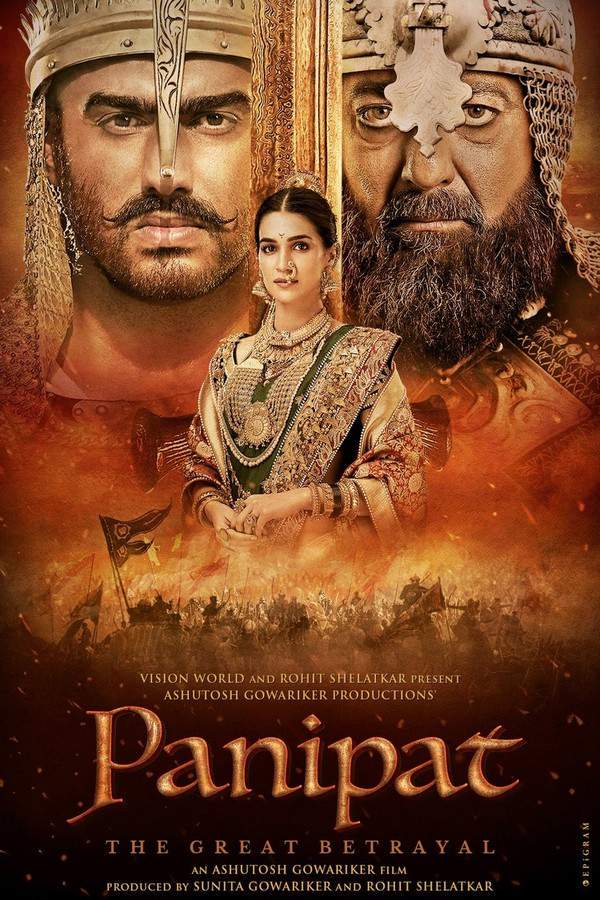
Panipat (2019) movie poster

Timeline

Panipat (2019) Timeline Explained – Every Event in Order

Release, runtime and language
2019 · 165 min · Hindi
Echo score 55
Loading streaming availability…
Directed by
Ashutosh Gowariker
Starring
Sanjay Dutt, Kunal Kapoor, Suhasini Mulay, Arjun Kapoor, Kriti Sanon, Mantra

In 1761, as the Maratha Empire faces a crisis, Sadashiv Rao Bhau assembles his forces to confront the invading Afghan army under the command of Ahmad Shah Abdali. The ensuing battle of Panipat becomes a pivotal moment in Indian history, testing the strength and resilience of the Maratha warriors against a powerful and determined enemy.

On this page (6)
  1. 1 Where to watch
  2. 2 Events in order (15)
  3. 3 Timeline questions answered
  4. 4 Movie threads
  5. 5 Movies like Panipat
  6. 6 Every angle
Loading streaming availability…

15 events in order · contains spoilers

Panipat Timeline: Events in Chronological Order

Every key event of Panipat (2019) in order, scene by scene, with when and where it takes place. Use it to untangle flashbacks, time jumps and parallel storylines, to refresh your memory before the sequel or to find the exact scene you are thinking of.

  1. Maratha Empire's Zenith

    In 1758, the Maratha Empire reached the height of its power, controlling nearly all of India except for the territory held by the Nizam of Hyderabad. This period marked significant territorial expansion and military achievements for the Maratha forces, solidifying their dominance in the region.

    When
    1758
  2. Siege of Udgiri

    The Maratha forces, led by Sadashiv Rao Bhau, laid siege to the Nizam's fort at Udgiri. Ibrahim Khan Gardi, the courageous defender, prepared for a fierce battle, showcasing the high stakes involved in this conflict between the Marathas and the Nizam.

    Where
    Udgiri
  3. Fort Capture and Alliance

    Using clever tactics and bravery, Sadashiv successfully captured the fort from Ibrahim Khan Gardi. Instead of executing him, Sadashiv welcomed Ibrahim into the Maratha ranks as a commander, showcasing his strategic acumen and willingness to build alliances.

    Where
    Udgiri
  4. Return to Pune

    After the victory at Udgiri, Sadashiv returned to Pune, receiving accolades from the Maratha nobility. However, he faced personal struggles regarding his relationship with Parvati Bai, a situation that complicated his emotions amidst the political climate.

    Where
    Pune
  5. Discontent Among Peers

    Gopika Bai, the wife of the Peshwa, expressed her dissatisfaction with Sadashiv's decision to appoint Ibrahim, a Muslim commander, without proper consent. Her concerns indicated potential divides within the Maratha leadership, threatening Sadashiv's position.

  6. Marriage to Parvati

    Yielding to peer pressure, Sadashiv ultimately married Parvati Bai, despite his initial hesitations. This decision would later have consequences for his military command and influence within the political dynamics of the Peshwa's court.

  7. Stripped of Command

    Influenced by Gopika Bai, the Peshwa stripped Sadashiv of his military command, relegating him to a role in financial management. This shift not only impacted Sadashiv's authority but also exposed him to new challenges in maintaining order within the empire.

  8. Uncovering Corruption

    While managing finances, Sadashiv discovered that Najib-Ud-Daula was the main tax evader, undermining the Maratha treasury. He then issued an edict under Mughal Emperor Alamgir that compelled regional kings to remit a substantial portion of their earnings.

  9. Rise of Ahmad Shah Abdali

    Desperate to regain power, Najib-Ud-Daula allied with Afghan King Ahmad Shah Abdali, plotting to invade India. This collaboration threatened the already fragile equilibrium and set the stage for an impending conflict that would reshape the region.

  10. Troop Dispatch to Delhi

    In light of the growing threat, the Peshwa and Sadashiv decided to mobilize their troops to protect Delhi. They soon recognized they were outnumbered and Sadashiv proposed gathering additional allies to bolster their military strength against Abdali's forces.

    Where
    Delhi
  11. Challenges at the Yamuna River

    The Maratha troops faced significant logistical issues while attempting to cross the turbulent Yamuna River. These challenges hindered their advance and tested their resolve to maintain momentum in their mission to defend Delhi.

    Where
    Yamuna River
  12. Securing Provisions

    Parvati Bai took the initiative and sought help from Sakina Begum to secure vital provisions for the Maratha forces. Her determination contributed to the morale of the troops and ultimately assisted in their efforts to reach Delhi swiftly.

  13. Clash at Delhi

    As the Maratha forces reached Delhi ahead of Abdali, tensions mounted. Sadashiv's strategic negotiations with local leaders aimed to establish a Mughal ruler under Maratha influence to maintain control during this turbulent period.

    When
    14th January 1761
    Where
    Delhi
  14. The Battle of 1761

    The decisive battle unfolded on January 14, 1761, as both armies collided in a ferocious clash. Sadashiv orchestrated a tactical approach, but Abdali's forces fought with a fierce intensity, resulting in a devastating loss for the Marathas and a significant shift in power dynamics.

    When
    14th January 1761
    Where
    Delhi
  15. Sadashiv's Fall

    In the heat of battle, Sadashiv faced betrayal from an allied Indian king, leading to his increased vulnerability against Abdali's relentless forces. Despite fighting valiantly, he ultimately succumbed, marking a tragic end to his endeavors.

    When
    14th January 1761
    Where
    Delhi

Last updated: October 25, 2024 at 09:40

Was this helpful?

Timeline questions answered

Panipat Timeline Explained: Your Questions Answered

When does it happen, and why in that order? The questions people ask about the chronology of Panipat (2019): time jumps, flashbacks, cause and effect between scenes and the correct order of events, each answered with spoilers.

Q1

Why was Sadashiv Rao Bhau stripped of his military command?

Sadashiv was stripped of his military command due to political intrigue. His appointment of Ibrahim Khan Gardi, a Muslim commander, without the Peshwa's consent angered Gopika Bai, the Peshwa's wife. She convinced the Peshwa that this appointment threatened his power, leading to Sadashiv being relegated to managing finances instead of military affairs.

Foreshadowing: Gopika's discontent was foreshadowed earlier when she publicly criticized Sadashiv's decision to appoint Ibrahim.

  • sadashiv rao bhau
  • peshwa
  • military command
  • ibrahim khan gardi
  • gopika bai
Q2

What role did Najib-Ud-Daula play in triggering the Afghan invasion?

Najib-Ud-Daula was the primary tax evader whom Sadashiv exposed while managing finances. After being forced to pay tribute under Emperor Alamgir's edict, Najib lost significant influence. Desperate to reclaim his power, he secretly invited Ahmad Shah Abdali to invade India, promising support in exchange for restoring his status.

Foreshadowing: Sadashiv's discovery of Najib's tax evasion set the chain of events in motion.

  • najib-ud-daula
  • afghan invasion
  • abdali
  • tax evasion
  • rohilla
Q3

Why did the Maratha army march on Delhi despite being outnumbered?

Despite knowing they were outnumbered, Sadashiv and the Peshwa decided to protect Delhi because they believed the Mughals still relied on Maratha protection. Sadashiv also thought he could rally additional allies along the way, including Malhar Rao Holkar and Shuja-Ud-Daula, to strengthen their forces.

Foreshadowing: The timeline shows the Peshwa and Sadashiv recognized their forces were insufficient from the start.

  • delhi
  • maratha army
  • outnumbered
  • holkar
  • shuja-ud-daula
Q4

What caused the Marathas to lose the Battle of Panipat?

The Marathas lost due to multiple factors: they were significantly outnumbered by Abdali's forces, suffered from logistical challenges crossing the Yamuna River, and faced betrayal when an allied Indian king withdrew support during the battle. Additionally, the death of Vishwas Rao devastated Sadashiv's morale. Despite brave fighting, the combination of these elements led to their defeat.

Foreshadowing: The timeline shows the Marathas struggled with logistics at the Yamuna River before reaching Delhi.

  • battle of panipat
  • maratha defeat
  • abdali
  • vishwas rao
  • betrayal
Q5

Why did Shuja-Ud-Daula switch sides during the conflict?

Shuja-Ud-Daula initially agreed to join the Marathas but was persuaded by Najib-Ud-Daula to align with Abdali instead. Najib enticed Shuja with promises of political advantage and protection, leading him to abandon the Maratha cause and join the Afghan coalition.

Foreshadowing: The timeline indicates that Najib actively worked to entice Shuja away from the Maratha alliance.

  • shuja-ud-daula
  • betrayal
  • najib
  • afghan coalition
  • awadh
Q6

What happened to Vishwas Rao during the Battle of Panipat?

Vishwas Rao, Sadashiv's close relative, was killed during the battle. His death was a devastating blow to Sadashiv's morale and symbolized the heavy cost of the conflict for the Maratha leadership.

Foreshadowing: Sadashiv's tactical layout at the battle's start positioned Vishwas Rao in a critical role.

  • vishwas rao
  • death in battle
  • maratha loss
  • family sacrifice
Q7

How did Parvati Bai contribute to the Maratha war effort?

When the Maratha forces faced severe logistical challenges and needed provisions, Parvati Bai took the initiative to seek help from Sakina Begum. Through her efforts, she secured vital supplies for the army, which helped the troops reach Delhi in time to confront Abdali's advancing forces.

Foreshadowing: Parvati's determination was established earlier when she encouraged Sadashiv during difficult moments.

  • parvati bai
  • sakina begum
  • provisions
  • supply lines
  • support
Q8

Why was appointing Ibrahim Khan Gardi as commander controversial?

After capturing the fort at Udgiri, Sadashiv chose to spare Ibrahim Khan Gardi and welcomed him into Maratha ranks as a commander. This decision angered Gopika Bai, who viewed appointing a Muslim commander without the Peshwa's consent as a threat to the Peshwa's authority and a potential danger to the empire's leadership.

Foreshadowing: Gopika's dissatisfaction was immediately apparent upon Sadashiv's return to Pune.

  • ibrahim khan gardi
  • muslim commander
  • controversy
  • uddgiri fort
  • sadashiv
Q9

Why was crossing the Yamuna River difficult for the Marathas?

The Maratha troops faced significant logistical challenges when attempting to cross the raging Yamuna River. The turbulent waters hindered their ability to transport supplies and maintain their supply lines, which ultimately affected their readiness when they finally reached Delhi.

Foreshadowing: The timeline marks this as a major obstacle before the Delhi clash.

  • yamuna river
  • crossing challenges
  • logistics
  • supply lines
  • river crossing
Q10

How did Ahmad Shah Abdali respond to Sadashiv's death?

Despite being enemies, Ahmad Shah Abdali showed respect for Sadashiv's bravery and valor. In his letters to the Peshwa, Abdali acknowledged the strength and courage of the Maratha army, acknowledging that Sadashiv had fought with honor even in defeat.

Foreshadowing: This respect was hinted at through Abdali's recognition of worthy opponents throughout the battle.

  • ahmad shah abdali
  • respect
  • bravery
  • peshwa letters
  • honor
Q11

What was the historical impact of the Battle of Panipat?

The Battle of Panipat in 1761 marked a pivotal turning point in Indian history. The Maratha defeat ended their dominance over northern India and significantly weakened the empire. Ahmad Shah Abdali's victory temporarily established Afghan supremacy in the region, though his empire would later face threats from Persia.

Foreshadowing: The meta notes indicate this conflict resonates through time as a significant chapter.

  • historical impact
  • indian history
  • maratha empire
  • afghan supremacy
  • northern india

Movie threads

More Movies Like Panipat, by Mood & Story

Curated lists built around what makes Panipat tick: the same mood, the same kind of story or the same emotional payoff. Each list explains why these movies belong together.

Epic Tragic War Stories like Panipat

Sweeping historical battles that build to a devastating, heroic defeat. If you were moved by the grand scale and tragic heroism of Panipat, explore other movies like it. This collection features epic historical dramas with heavy emotional weight, steady pacing leading to pivotal battles, and stories of leadership and sacrifice that end in a somber, respectful tone.

  • epic
  • tragic
  • valiant
  • tense
  • solemn
  • gripping
  • Tone: tense, solemn, tragic
  • Pacing: steady, epic build
Why these movies?

The story pattern: Stories in this thread typically follow a military or political leader preparing for a monumental confrontation. The plot involves gathering forces, navigating political alliances and betrayals, and detailed strategic planning, all building tension toward an inevitable, large-scale clash that results in a significant, historically resonant defeat, yet frames the loss as an act of profound courage.

Why they belong together: These films are grouped by their shared structure of a steady march toward a devastating historical battle, their high intensity and tense tone, and their heavy emotional focus on leadership, sacrifice, and the tragic dimensions of war. They provide a similar viewing experience of epic scope combined with a somber, respectful conclusion.

Movies with a Tense Political March to War like Panipat

Stories where political maneuvering and alliance-building create unbearable tension before a major conflict. For viewers who appreciated the political intrigue and strategic build-up in Panipat, this section finds similar movies. These films focus on the tense period before war, filled with alliances, rivalries, and leadership challenges, creating a steady, anxious pacing that makes the eventual conflict feel both inevitable and devastating.

  • tense
  • anxious
  • gripping
  • political
  • strategic
  • solemn
  • Tone: tense, anxious, gripping
  • Pacing: steady, building dread
Why these movies?

The story pattern: The narrative pattern involves an empire or nation facing an existential threat, forcing leaders to engage in complex diplomacy, manage internal betrayals, and assemble a fragile coalition. The story is a slow burn of rising political and military tension, where every strategic decision carries immense weight, leading irrevocably toward a climactic and costly war.

Why they belong together: These movies share a specific mix of high-stakes political drama with the impending threat of large-scale war. They are connected by a consistently tense tone, steady pacing that builds anxiety, and a moderate complexity involving multiple factions and strategic decisions, all centered on the devastating consequences of political and military failure.

If you liked this

Movies Like Panipat

Similar movies to Panipat: the same genre, themes or kind of story. Each one comes with its own plot summary, timeline and ending explained.

Browse all movie summaries

Every angle

Panipat (2019) Explained: Plot, Timeline & Characters

Everything about Panipat in one place: what happens in the plot summary, the timeline in chronological order, the characters and meaning and a spoiler-free summary. What's After the Movie adds the cast, box office and post-credit scenes.

Coming soon on iOS and Android

The Plot Explained Movie Summary App

Plot summaries, endings explained and timelines on your phone. Catch up on any movie in minutes, save your favorites and never miss a twist again.

Be the first to know when we launch. Your email stays private, always.

Learn more about the app