Year: 2017
Runtime: 105 min
Language: English
Director: Jonathan Teplitzky
Echo Score: 62Budget: $6.4M
In June 1944, as Allied forces planned the invasion of Europe, a weary Winston Churchill faced a critical moment. Haunted by the disastrous Gallipoli campaign and battling depression and exhaustion, he grappled with doubts that threatened to derail the mission and define his legacy. Supported by his wife Clementine, Churchill wrestled with a momentous decision that would determine the fate of countless lives and shape his place in history.
Warning: spoilers below!
Haven’t seen Churchill yet? This summary contains major spoilers. Bookmark the page, watch the movie, and come back for the full breakdown. If you're ready, scroll on and relive the story!
Read the complete plot breakdown of Churchill (2017), including all key story events, major twists, and the ending explained in detail. Discover what really happened—and what it all means.
June 1944 marks a pivotal moment. The Allied Forces are on the edge of a major operation, amassing a colossal force on the southern shores of Britain, ready to reclaim Nazi-occupied Europe. Yet, one individual stands as a formidable barrier: Winston Churchill (Brian Cox).
Behind the legendary leader’s inspiring speeches lies a man grappling with political mockery, military setbacks, and a speech impediment. Burdened by impulsivity and a domineering nature, Churchill is racked with fear and obsession over the ghosts of past failures, particularly the catastrophic events at Gallipoli in 1915, where countless young lives were lost on the beaches.
Assisting him through this tumultuous period is his secretary, Helen Garrett (Ella Purnell). Consumed by the hope of securing a legendary legacy, Churchill suffers from the weight of his own ambitions. The years of war have drained him, leaving behind a shadow of the fearless figure who once stood against Hitler’s onslaught. With the looming threat of D-Day, he is haunted by the idea that if the mission fails, history may label him as the orchestrator of disaster.
As opposition mounts, General Eisenhower (John Slattery) and Field Marshal Montgomery (Julian Wadham) grow increasingly exasperated with Churchill’s interventionist tactics. Churchill argues passionately that to secure the beaches of Normandy, Allied forces must commit 250,000 men, 7,000 ships, and numerous aircraft, aware that an unsuccessful invasion could lead to Germany setting its sights on Britain. However, as Alan Brooke (Danny Webb), the chief of staff for British forces, finds himself needing to arrange a discussion between Churchill and Eisenhower, the tension escalates.
The discourse between the two men quickly devolves into a verbal sparring match, with Eisenhower bluntly stating that Churchill’s strategies are out of step with modern warfare. Disheartened by his diminishing authority, Churchill’s frustration is palpable, especially as he takes his ire out on those closest to him, including his wife, Clementine (Miranda Richardson). It ultimately falls to King George VI (James Purefoy) to intervene, reminding Churchill that only Clementine’s steadfast support can prevent his personal and professional unraveling.
As the countdown to the World War II invasion of Normandy ticks ominously—only 96 hours remain—Churchill battles intense doubts regarding Operation Overlord and his waning influence in military strategy. His prompts to Eisenhower and Brooke are ignored, leading to an eruption of frustration towards his staff and loved ones. Faced with opposition, Churchill proposes a dramatic gesture: he and the King should accompany the troops aboard HMS Belfast for the invasion, a suggestion that riles Eisenhower.
With only 48 hours to go before D-Day, a critical meeting unfolds—deciding whether to proceed or postpone based on unpredictable weather conditions. The Navy is determined to launch, while the Air Force hesitates due to the stormy forecast. Ultimately, Eisenhower opts for a 24-hour delay, hoping for better conditions.
Clementine plays a crucial role in keeping Churchill grounded, preventing him from spiraling further into despair and jeopardizing his legacy. Amidst his growing bitterness and objections to the invasion, a poignant moment arrives when Helen expresses her heartbreak over the potential death of her fiancé, who is among the D-Day participants. This heartfelt plea resonates with Churchill, prompting a significant shift in his perspective.
As the dawn of D-Day arrives with a favorable forecast, Churchill rises to the occasion, delivering one of his most stirring speeches, honoring the heroism of Allied forces and reaffirming his commitment to lead England through the impending dangers, including the new threat of V-8 rockets from Germany. In a touching resolution, he reconciles with Clementine, and they cherish the remainder of their lives together, highlighting the profound bond that fueled his remarkable endeavors during one of history’s most critical junctures.
Last Updated: November 03, 2024 at 12:53
Discover curated groups of movies connected by mood, themes, and story style. Browse collections built around emotion, atmosphere, and narrative focus to easily find films that match what you feel like watching right now.
Films about historical figures grappling with the crushing weight of world-altering decisions.Explore films like Churchill that delve into the intense psychological strain on leaders during critical historical junctures. If you enjoyed the high-stakes tension and heavy emotional weight of watching a great figure wrestle with doubt and responsibility, you'll find similar powerful dramas in this category.
Narratives in this thread typically unfold against a ticking clock, focusing on a short, critical period. The protagonist, often a well-known historical leader, battles internal demons—such as past failures or depression—while clashing with advisors over a high-stakes plan. The arc is one of overcoming immense doubt to reaffirm leadership in a moment of crisis.
These movies are grouped by their shared focus on the immense psychological pressure of leadership. They create a tense, heavy viewing experience through high-intensity conflicts, a steady pacing that builds urgency, and a deep exploration of the emotional toll of making decisions that affect countless lives.
Intimate dramas where a pivotal moment in history unfolds through one person's psychological struggle.Discover movies similar to Churchill that explore a famous historical event through the intense psychological lens of a key figure. If you liked the film's focus on internal conflict, wartime stress, and the personal redemption arc set against a world-changing backdrop, this thread offers more compelling character-driven history.
The narrative pattern centers on a protagonist haunted by a past failure, which colors their judgment during a new, parallel crisis. The story intertwines flashbacks or references to the past trauma with the present-day countdown to a major event. The journey is one of confronting personal demons to find redemption and clarity, ultimately contributing to the historical outcome.
These films are connected by their unique blend of historical drama and intense psychological character study. They share a tense tone, steady pacing that builds anxiety, and a heavy emotional weight derived from exploring the deep-seated fears and burdens of an individual at the center of world events.
Don't stop at just watching — explore Churchill in full detail. From the complete plot summary and scene-by-scene timeline to character breakdowns, thematic analysis, and a deep dive into the ending — every page helps you truly understand what Churchill is all about. Plus, discover what's next after the movie.
Track the full timeline of Churchill with every major event arranged chronologically. Perfect for decoding non-linear storytelling, flashbacks, or parallel narratives with a clear scene-by-scene breakdown.
Discover the characters, locations, and core themes that shape Churchill. Get insights into symbolic elements, setting significance, and deeper narrative meaning — ideal for thematic analysis and movie breakdowns.
Get a quick, spoiler-free overview of Churchill that covers the main plot points and key details without revealing any major twists or spoilers. Perfect for those who want to know what to expect before diving in.
Visit What's After the Movie to explore more about Churchill: box office results, cast and crew info, production details, post-credit scenes, and external links — all in one place for movie fans and researchers.
Discover movies like Churchill that share similar genres, themes, and storytelling elements. Whether you’re drawn to the atmosphere, character arcs, or plot structure, these curated recommendations will help you explore more films you’ll love.
Churchill (2017) Scene-by-Scene Movie Timeline
Churchill (2017) Movie Characters, Themes & Settings
Churchill (2017) Spoiler-Free Summary & Key Flow
Movies Like Churchill – Similar Titles You’ll Enjoy
Dunkirk (2017) Ending Explained & Film Insights
Darkest Hour (2017) Movie Recap & Themes
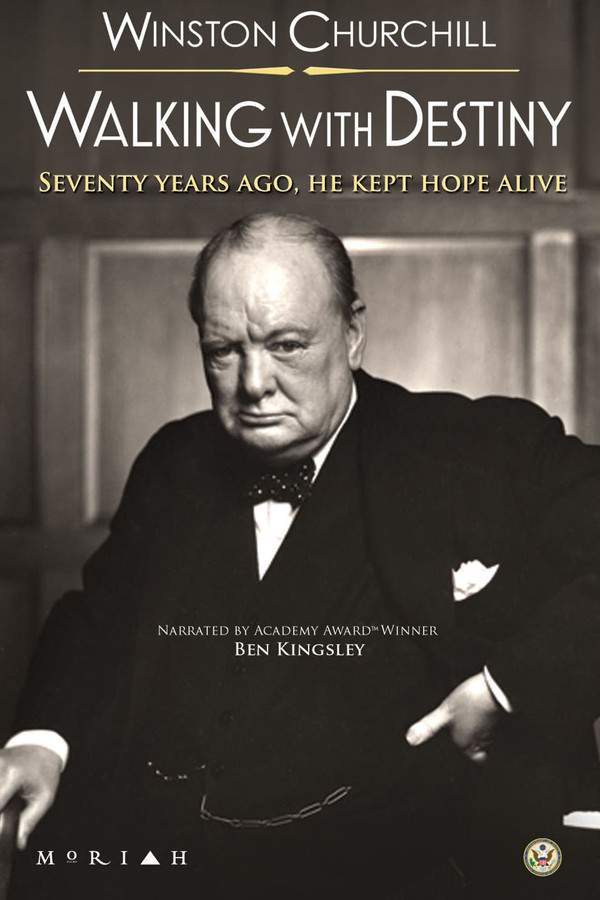
Winston Churchill: Walking with Destiny (2010) Full Movie Breakdown
The Ministry of Ungentlemanly Warfare (2024) Film Overview & Timeline
The Eagle and the Lion: Hitler vs Churchill (2017) Full Summary & Key Details
The Gathering Storm (2002) Plot Summary & Ending Explained
Ike: Countdown to D-Day (2004) Full Summary & Key Details
The Gathering Storm (1974) Story Summary & Characters
World War II: When Lions Roared (1000) Detailed Story Recap
Churchill’s Island (1941) Full Summary & Key Details
Dunkirk (1958) Plot Summary & Ending Explained
Churchill’s Leopards (1970) Full Movie Breakdown
Churchill at War (1000) Complete Plot Breakdown
The Finest Hours (1964) Story Summary & Characters
Into the Storm (2009) Full Movie Breakdown