Living in poverty in 1930s Chicago, Bigger Thomas struggles to find his place in a society rife with racial tensions. When he takes a job as a chauffeur for a wealthy white family, his life takes a dramatic turn. An accidental death sends him spiraling into a desperate fight for survival, forcing him to confront the systemic inequalities and social forces that shape his existence and threaten his freedom.
Warning: spoilers below!
Haven’t seen Native Son yet? This summary contains major spoilers. Bookmark the page, watch the movie, and come back for the full breakdown. If you're ready, scroll on and relive the story!
Read the complete plot breakdown of Native Son (2019), including all key story events, major twists, and the ending explained in detail. Discover what really happened—and what it all means.
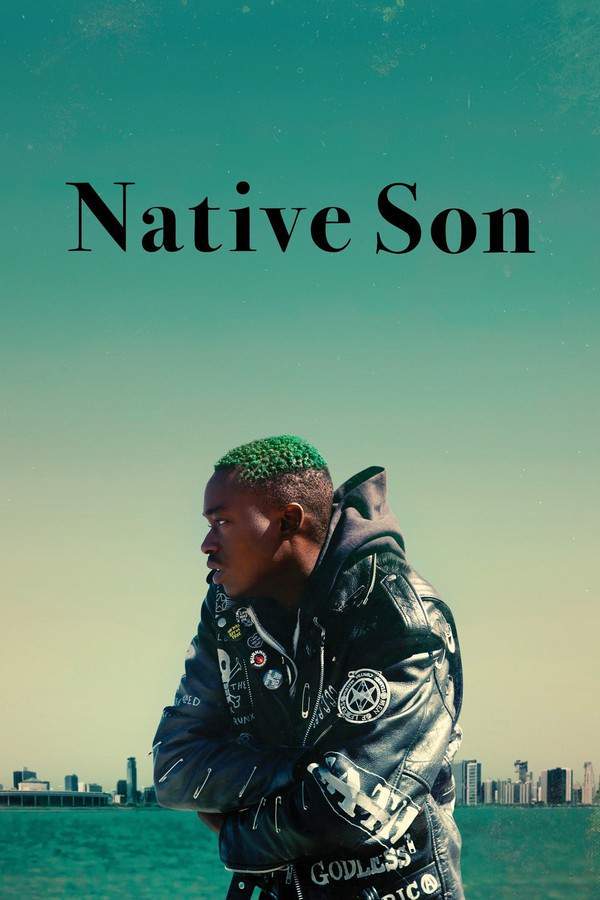
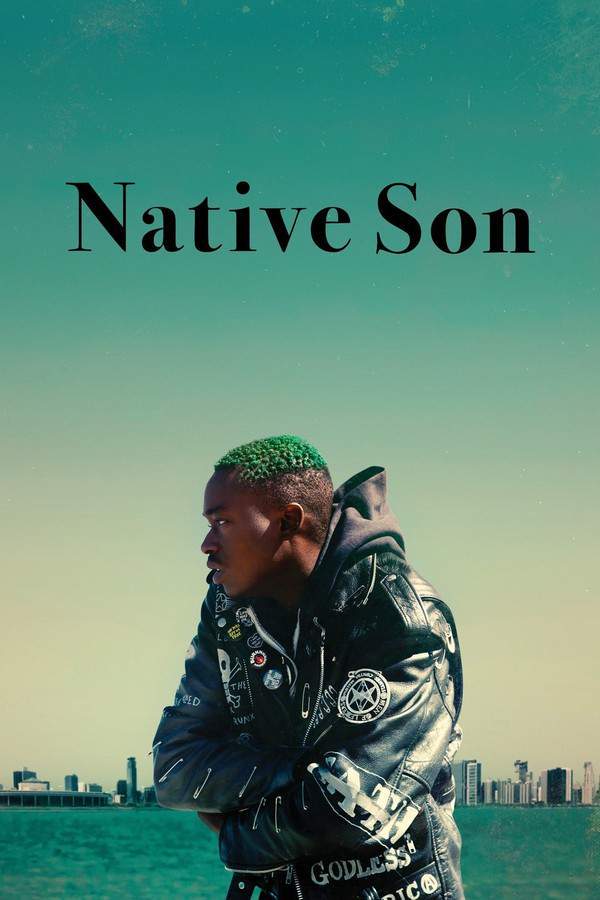
Bigger Thomas, portrayed by Ashton Sanders, is a young African-American man navigating life with his family in contemporary Chicago. His life takes a pivotal turn when he receives an invitation for an interview to become the live-in chauffeur for the affluent businessman, Mr. Dalton, played by Bill Camp. Meanwhile, his friend Gus wants him to join in a robbery, but Bigger’s girlfriend, Bessie, encourages him to pursue the job opportunity.
The interview goes remarkably well, leading Bigger to meet Mrs. Dalton and Mary, the radical daughter of Mr. Dalton. Later that evening, Bigger drives Mary to a political rally featuring her boyfriend, Jan. After the event, the trio - Bigger, Jan, and Mary - visit a local club where they bond over their shared experiences, causing tension between Bigger and Gus, especially after Bigger skips out on the robbery plan.
As romance blooms, Bigger receives a lavish gift from Mary, an album he desired, alongside the drugs for a party they’re attending. However, the night spirals out of control; Mary, under the influence of the drugs, is discovered half-dressed and vulnerable. Concerned that the chaos might jeopardize his employment, Bigger attempts to help her, but during the struggle, > “in a tragic turn of events, he accidentally smothers Mary to death.” Panicking, he disposes of her body in the furnace room.
The following day brings dread as detectives, Calhoun and Rogers, interrogate Bigger about the missing Mary. Initially, Jan is suspected; however, when a piece of Mary’s jewelry is discovered in the furnace, Bigger finds himself on the run. The police launch a manhunt, prompting Bigger to hide out while grappling with the weight of his actions.
In a fateful encounter with Jan, who urges him to surrender, Bigger remains resolute, knowing the systemic prejudice of the justice system may thwart any chance of fair treatment. Despite Bessie’s pleas for him to confess, Bigger persuades her to join him in flight to escape their harsh realities. They find refuge in an abandoned building, where their relationship faces turmoil.
As the tension escalates, an argument leads to Bigger’s confessional moment about Mary’s death. This revelation drives Bessie to flee in terror, making Bigger’s plight even more desperate. The police, alerted to his location, confront him. Tragically, in a misunderstanding, they believe he is armed when he reaches for his pockets, resulting in his untimely death. The narrative poignantly explores themes of systemic racial injustice, identity, and the human condition.
Last Updated: November 04, 2024 at 00:06
Discover curated groups of movies connected by mood, themes, and story style. Browse collections built around emotion, atmosphere, and narrative focus to easily find films that match what you feel like watching right now.
Stories where an accidental act sets off an inescapable chain of tragedy.Discover movies like Native Son where a protagonist's life unravels after a single, fateful mistake. These stories explore desperate flights from justice, the crushing weight of accidental acts, and the inexorable march toward a tragic ending, capturing a similar feeling of fatalistic dread.
The narrative pattern begins with a character in a precarious situation. A sudden, accidental event—a death, a crime, a moment of poor judgment—acts as a point of no return. The rest of the film is a tense, methodical unravelling as the protagonist makes increasingly desperate choices while being hunted by external forces, culminating in a collapse that feels both inevitable and deeply tragic.
These films are grouped by their shared core structure: a catalytic accident that initiates a relentless downward trajectory. They share a high-tension, heavy emotional weight, and a bleak tone, focusing on the psychological toll of being trapped by a single moment's consequences.
Unflinching portraits of individuals crushed by poverty and societal inequality.If you liked Native Son's exploration of racial injustice and poverty, you'll find similar themes here. These films are tense, heavy dramas set in realistic worlds where characters confront systemic inequality, often with tragic outcomes, offering a powerful and critical look at society.
The narrative journey is one of confrontation with an impersonal and powerful system—be it legal, economic, or social. The protagonist, often from a marginalized background, becomes a case study in injustice. The plot serves to highlight the mechanisms of oppression, resulting in a story that feels less about individual victory and more about exposing a painful truth.
These movies are connected by their primary focus on social commentary through a personal lens. They share a dark, oppressive tone, a steady, deliberate pacing that lets the weight of the setting sink in, and a commitment to portraying the harsh realities of inequality without sentimentalism.
Don't stop at just watching — explore Native Son in full detail. From the complete plot summary and scene-by-scene timeline to character breakdowns, thematic analysis, and a deep dive into the ending — every page helps you truly understand what Native Son is all about. Plus, discover what's next after the movie.
Track the full timeline of Native Son with every major event arranged chronologically. Perfect for decoding non-linear storytelling, flashbacks, or parallel narratives with a clear scene-by-scene breakdown.
Discover the characters, locations, and core themes that shape Native Son. Get insights into symbolic elements, setting significance, and deeper narrative meaning — ideal for thematic analysis and movie breakdowns.
Get a quick, spoiler-free overview of Native Son that covers the main plot points and key details without revealing any major twists or spoilers. Perfect for those who want to know what to expect before diving in.
Visit What's After the Movie to explore more about Native Son: box office results, cast and crew info, production details, post-credit scenes, and external links — all in one place for movie fans and researchers.
Discover movies like Native Son that share similar genres, themes, and storytelling elements. Whether you’re drawn to the atmosphere, character arcs, or plot structure, these curated recommendations will help you explore more films you’ll love.
Native Son (2019) Scene-by-Scene Movie Timeline
Native Son (2019) Movie Characters, Themes & Settings
Native Son (2019) Spoiler-Free Summary & Key Flow
Movies Like Native Son – Similar Titles You’ll Enjoy
American Son (2019) Ending Explained & Film Insights
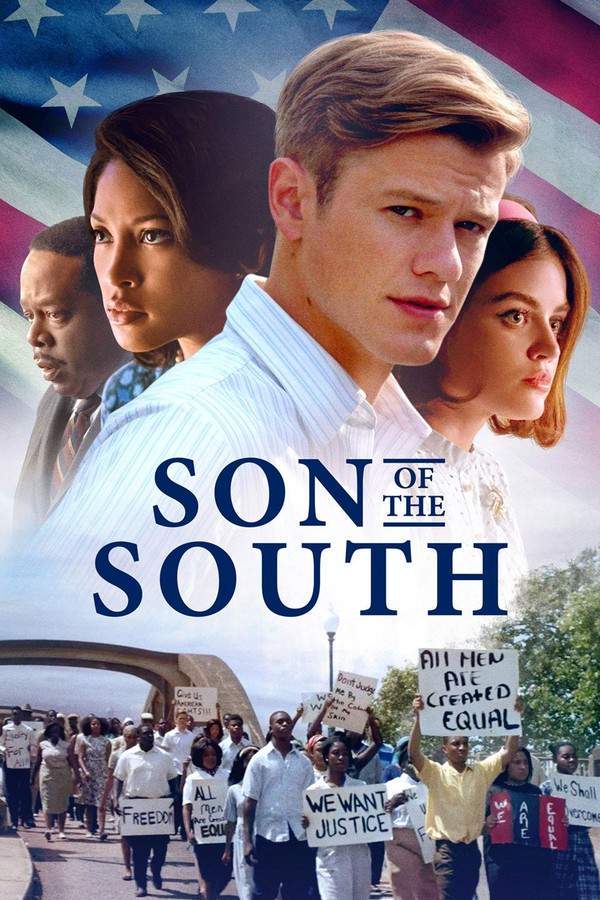
Son of the South (2021) Film Overview & Timeline
Black or White (2015) Spoiler-Packed Plot Recap
American Skin (2021) Plot Summary & Ending Explained
Native Son (1951) Film Overview & Timeline
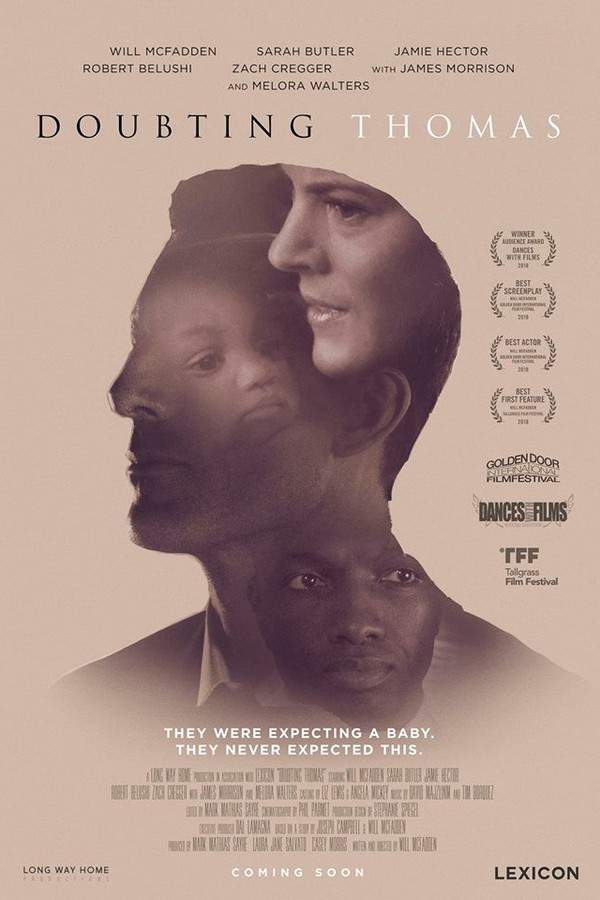
Doubting Thomas (2019) Ending Explained & Film Insights
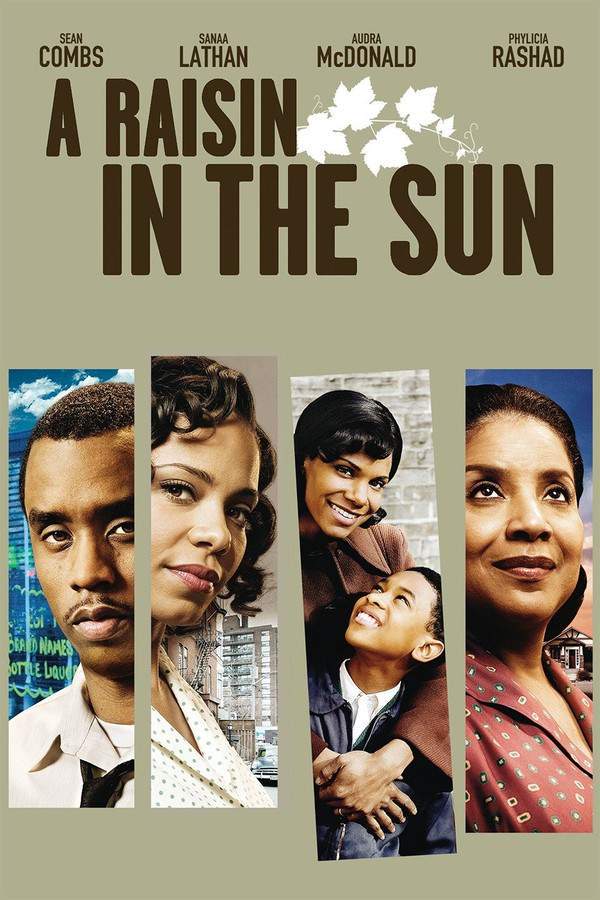
A Raisin in the Sun (1961) Film Overview & Timeline
The Sleeping Negro (2021) Movie Recap & Themes
The Word (2014) Full Movie Breakdown
Native Son (1986) Plot Summary & Ending Explained
A Raisin in the Sun (1989) Spoiler-Packed Plot Recap
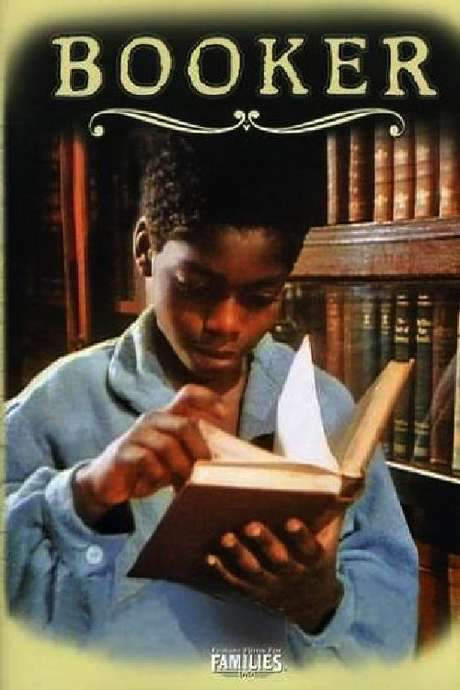
Booker (1984) Spoiler-Packed Plot Recap
Nothing But a Man (1964) Ending Explained & Film Insights
White Man’s Burden (1995) Complete Plot Breakdown
A Raisin in the Sun (2008) Full Movie Breakdown