Plot Explained Spoilers guaranteed!
Plot Explained

Browse by genre

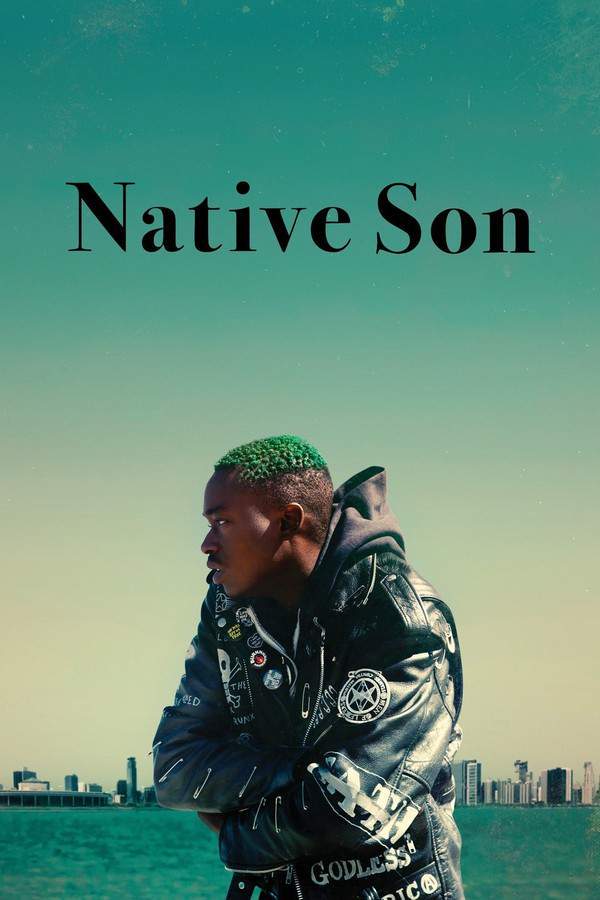
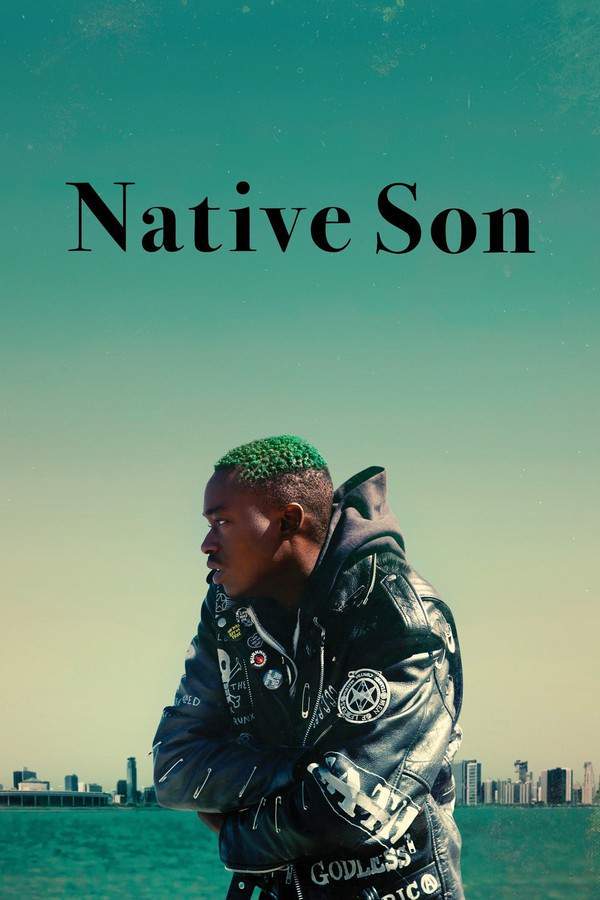
Native Son (1986) movie poster

Plot Summary

Native Son (1986) Plot Summary Explained

Release, runtime and language
1986 · 111 mins · English
Directed by
Jerrold Freedman
Starring
David Rasche, Geraldine Page, Carroll Baker, Ving Rhames, Oprah Winfrey, Matt Dillon

A young Black man working as a chauffeur for a white family in 1940s Chicago inadvertently kills the couple’s teenage daughter. As he attempts to hide the crime, the incident spirals into a shocking scandal that exposes racial tensions and brings the community’s conscience into question.

On this page (5)
  1. 1 What happens: full plot
  2. 2 Plot questions answered
  3. 3 Movie threads
  4. 4 Movies like Native Son
  5. 5 Every angle

Full plot summary · contains spoilers

What Happens in Native Son: Full Plot Summary

The whole story of Native Son (1986) explained, from the opening scene to the final frame: every key event, every twist and what it all adds up to. Read it as a quick recap before the sequel, to check a scene you missed, or to finally understand what really happened.

Set in Chicago in the 1930s, Bigger Thomas, Victor Love, an African American man living in an impoverished neighborhood, takes a job as a chauffeur for a prosperous white family who live in the suburbs of a major city. The money he earns will help supplement his mother's income. As a chauffeur, he is directed by the father of the family to drive Mary Dalton, Elizabeth McGovern, to the university, but Mary decides to pick up her Socialist boyfriend, Jan, Matt Dillon, and to spend the time drinking and partying.

Together with the couple, Bigger accompanies them into a Black neighborhood with Ernie's, a Black nightclub, for entertainment.

On the way home, Mary becomes inebriated and Bigger must get her to her bedroom without being detected. Mary's mother, Mrs. Dalton, Carroll Baker, who is blind, enters the room and Bigger panics at the thought of being caught with a white woman. He accidentally kills Mary by placing a pillow over her head to keep her quiet. Still frightened, Bigger disposes of the body in the furnace, possibly because he fears he would not get a fair trial for the death of a white woman. Meanwhile, Jan is wanted by the police for Mary's murder, and Bigger plays a role in the accusations against him. Mr. Dalton, John McMartin, the family patriarch, looms in the background as the social barrier that shapes Bigger's choices.

Last updated: February 18, 2026 at 23:44

Was this helpful?

Plot questions answered

Native Son Plot Explained: Your Questions Answered

The questions people ask most about Native Son (1986): what happens in the confusing scenes, why the characters do what they do, the twists, hidden details and what the ending means. Each answer contains spoilers.

Q1

Why does Bigger panic when Mary's mother enters the room?

Bigger panics because Mrs. Dalton is blind, but more importantly, he fears being discovered alone with a white woman in her bedroom. In 1930s America, this would be catastrophic for a Black man, the accusation alone could destroy his life, regardless of the truth. Bigger knows the social consequences of this situation would be severe and likely lethal.

Foreshadowing: Earlier, the film establishes the rigid racial boundaries and social rules that constrain Bigger's existence in the white household.

  • bigger thomas
  • mrs dalton
  • blind mother
  • racial fear
  • panic
Q2

Why does Bigger kill Mary with the pillow?

Bigger doesn't intentionally kill Mary, he acts in a panic when Mary groans and he fears Mrs. Dalton will hear her. He places the pillow over Mary's face to quiet her, but in his terrified state, he suffocates her. This is a crime of panic and fear, not premeditated murder.

Foreshadowing: The tension builds as Bigger struggles with the impossible situation of getting a drunk Mary to her room undetected.

  • bigger thomas
  • mary dalton
  • accidental death
  • kill
  • pillow
Q3

Why does Bigger put Mary's body in the furnace?

Bigger disposes of Mary's body in the furnace because he fears the consequences of a white woman's death. He believes he would never receive a fair trial, as a Black man accused of killing a white woman in the 1930s, the outcome would be predetermined. Panicked and desperate, he tries to eliminate the evidence.

Foreshadowing: The story establishes early on the systemic racial injustice Bigger has internalized and fears.

  • furnace
  • dispose body
  • fair trial
  • racial injustice
  • fear
Q4

Why does Jan become the police suspect for Mary's murder?

Jan becomes the suspect because he was last seen with Mary and was her boyfriend, giving police a convenient target. Bigger, aware of the racial dynamics at play, allows Jan to be accused rather than confessing himself. The police jump to conclusions about the white woman's death rather than investigating thoroughly.

Foreshadowing: Earlier, Jan's presence with Mary and their drinking outing provides the police with obvious circumstantial evidence.

  • jan
  • police suspect
  • false accusation
  • mary dalton
Q5

Why does Bigger take the chauffeur job with the white family?

Bigger takes the job because he needs money to help support his mother. The job represents an opportunity for economic advancement in a society that offers few options to Black men. However, the position also places him in a powerless role, subject to the white family's whims and expectations.

Foreshadowing: The opening scenes establish Bigger's impoverished neighborhood and his desire to provide for his family.

  • chauffeur job
  • money
  • mother
  • economic desperation
Q6

Why does Mary get so drunk on the night of the incident?

Mary chooses to drink heavily during her outing with Jan, which they planned instead of her going to the university. Her intoxication leads to the escalating situation where Bigger must quietly get her home, ultimately trapping him in the tragic sequence of events.

Foreshadowing: Mary and Jan's decision to party rather than attend classes establishes her reckless behavior.

  • mary dalton
  • drunk
  • party
  • jan
Q7

Why doesn't Bigger confess to killing Mary?

Bigger doesn't confess because he believes he would be convicted regardless of intent or circumstances. The 1930s justice system was notoriously biased against Black defendants, especially in cases involving white victims. Bigger's fear of the corrupt system drives him to hide the crime rather than face a likely wrongful conviction or execution.

Foreshadowing: The film consistently highlights the racial tensions and systemic prejudice of the era.

  • confession
  • fair trial
  • racial prejudice
  • justice system
Q8

What is the significance of the trip to Ernie's nightclub?

The trip to Ernie's nightclub in the Black neighborhood represents a rare moment where white people enter Bigger's world. This scene exposes the social divisions and challenges racial boundaries. It also puts Bigger in the uncomfortable position of serving as chauffeur for white partygoers in a space that should belong to his community.

Foreshadowing: The nightclub scene foreshadows the tension between racial spaces and who belongs where.

  • ernies nightclub
  • black neighborhood
  • racial boundaries
Q9

Why is Mrs. Dalton blind?

Mrs. Dalton's blindness is significant because it prevents her from seeing Bigger in the room with Mary, yet she could still discover him through sound. This creates a cruel irony, her blindness doesn't protect Bigger because her other senses could expose him. Her blindness also represents the metaphorical blindness of the white family to the reality of Bigger's situation and the racial dynamics at play.

Foreshadowing: Mrs. Dalton's blindness is established early, making her entrance in the bedroom scene more devastating.

  • mrs dalton
  • blind
  • blindness
  • irony
Q10

What motivates Bigger throughout the film?

Bigger's primary motivations are economic survival and fear of racial consequences. He needs the job to support his mother, but he also lives in constant fear of being falsely accused or punished simply for being Black in proximity to white people. These dual pressures shape every decision he makes.

Foreshadowing: The opening establishes Bigger's economic desperation and the racial climate of 1930s Chicago.

  • motivation
  • fear
  • racial tension
  • survival

Movie threads

More Movies Like Native Son, by Mood & Story

Curated lists built around what makes Native Son tick: the same mood, the same kind of story or the same emotional payoff. Each list explains why these movies belong together.

Movies about crime panic spirals like Native Son

Stories where a single mistake triggers a desperate, paranoid cover-up. If you liked the desperate tension of Native Son, explore more movies where an accidental killing leads to a frantic cover-up. These films share a grim atmosphere, high-stakes consequences, and a focus on the psychological toll of a life unraveling.

  • panic
  • desperate
  • tense
  • paranoid
  • grim
  • anxious
  • Tone: dark, tense, desperate
  • Pacing: steady, escalating
Why these movies?

The story pattern: These narratives typically begin with a catastrophic accident or moment of poor judgment. The protagonist, often an ordinary person, then enters a frantic spiral of cover-ups and lies, pursued by an ever-tightening net of suspicion and circumstance. The journey is one of mounting paranoia and moral compromise.

Why they belong together: Movies are grouped here for their shared focus on the panic-driven aftermath of a crime. They create a coherent, tense viewing experience defined by a protagonist's desperate attempts to control a situation rapidly spinning out of control, often exposing deeper societal tensions.

Bleak social injustice dramas similar to Native Son

Bleak examinations of systemic prejudice and moral collapse within society. Fans of Native Son looking for similar heavy dramas will find films here that explore racial tension, class divides, and a flawed justice system. These movies share a dark tone, heavy emotional weight, and a focus on the devastating impact of prejudice.

  • oppressive
  • grim
  • social injustice
  • racial tension
  • moral dilemma
  • heavy
  • Tone: dark, oppressive, grim
  • Pacing: steady, deliberate
Why these movies?

The story pattern: These stories often follow a marginalized protagonist whose life becomes entangled with a powerful, prejudiced system. A central incident, frequently a crime or accusation, acts as a catalyst, revealing the harsh realities of social inequality. The narrative arc is typically one of downfall or tragic realization, rather than triumph.

Why they belong together: These films are united by their uncompromising exploration of social injustice. They share a dark, oppressive mood and a narrative structure where a personal story illuminates broader systemic failures, creating a powerfully bleak and resonant viewing experience.

If you liked this

Movies Like Native Son

Similar movies to Native Son: the same genre, themes or kind of story. Each one comes with its own plot summary, timeline and ending explained.

Browse all movie summaries

Every angle

Native Son (1986) Explained: Plot, Timeline & Characters

Everything about Native Son in one place: what happens in the plot summary, the timeline in chronological order, the characters and meaning and a spoiler-free summary. What's After the Movie adds the cast, box office and post-credit scenes.

Coming soon on iOS and Android

The Plot Explained Movie Summary App

Plot summaries, endings explained and timelines on your phone. Catch up on any movie in minutes, save your favorites and never miss a twist again.

Be the first to know when we launch. Your email stays private, always.

Learn more about the app