Year: 1951
Runtime: 104 min
Language: English
Director: Pierre Chenal
A compelling drama tells the story of Bigger Thomas, a young Black man living in poverty and facing limited opportunities in 1930s Chicago. When he takes a job as a chauffeur for a wealthy white family, a series of tragic events lead to a confrontation with devastating consequences. The film explores themes of race, class, and the struggle for identity amidst social inequality and systemic oppression, highlighting the complexities of human nature and the destructive impact of fear and prejudice.
Warning: spoilers below!
Haven’t seen Native Son yet? This summary contains major spoilers. Bookmark the page, watch the movie, and come back for the full breakdown. If you're ready, scroll on and relive the story!
Read the complete plot breakdown of Native Son (1951), including all key story events, major twists, and the ending explained in detail. Discover what really happened—and what it all means.
Set during the tumultuous early 1940s in Chicago’s “black belt,” a region deeply populated by nearly half a million African Americans, we meet Hannah Thomas (Willa Pearl Curtis), a resilient mother living in a cramped kitchenette alongside her three children: Vera, Buddy, and her eldest son, Bigger (Richard Wright). The family, having fled the South a dozen years prior due to the horrific lynching of Hannah’s husband, struggles to make a living amidst societal upheaval. One day, as they go about their lives, a rat scurries across the floor, aptly named “old man Dalton” after their landlord—Bigger, in a moment of frustration, kills the pest.
In a surprising twist of fate, a relief worker approaches Bigger with a job offer as a chauffeur for the wealthy Dalton family. Though initially hesitant, he seeks out his girlfriend, Bessie Mears (Gloria Madison), a waitress with dreams of performing at a local club. Bessie is elated at the prospect of being given a chance to sing soon, but Bigger’s worries manifest when he warns Ernie, the club owner, to steer clear of Bessie. However, a planned robbery goes awry when Ernie interrupts, leaving Bigger on edge.
With plans fortunate for him falling apart, Bigger finds solace in a late-night movie alongside his friend Panama (George D. Green). Eventually, he resolves to accept the job with the Daltons. Surprisingly, despite Bigger’s criminal past, Henry Dalton hires him, even offering him a room in the tower of their opulent home. As Bigger takes Bessie for a ride in the Dalton’s vehicle, she questions his sudden interest in Mary Dalton (Jean Wallace); Bigger reassures her that she is irreplaceable to him.
On one fateful evening, Bigger offers a ride to Mary and her suitor, Jan Erlone. Unbeknownst to him, they both carry a drunken bravado that leads them to the very club he had warned Ernie about, ultimately choosing to feign camaraderie with Bigger. The trio’s relationship takes a turn when they return to the Dalton home late that night. Following what seems like innocent fun, a tragic and irreversible event transpires—Bigger inadvertently causes Mary’s death. The horrifying realization sets in as he places a pillow over her face to muffle her sounds, worried about being caught by her blind mother.
The next day is shrouded in tension as Bigger concocts a story, claiming that Jan was responsible for Mary’s disappearance. The investigation spirals out of control when the racist detective, Britten, takes an interest, further complicating Bigger’s precarious position. Meanwhile, Bigger grapples with the systemic injustices that ensnared him, especially as he observes his mother laboriously scrubbing floors while the wealthy Daltons live in stark contrast.
As he confesses his intentions to Bessie about demanding a ransom for Mary’s supposed kidnapping, resistance mounts. When the ransom plan escalates, the media frenzy draws attention, and the paranoia intensifies—Bigger is painted as a monster. A slip in communication leads to panic, causing him to flee when reporters find incriminating evidence at the Dalton household. The once friendly faces around him turn ominous, as he and Bessie hide from authorities who are now hunting him down for murder.
In a harrowing climax, Bigger’s fate concludes when law enforcement captures him after a tumultuous standoff. The emotional aftermath unfolds in jail where conversations with Bessie’s memory and Jan evolve, and Bigger’s reflection upon his actions deepens. Hannah, in an emotional moment, asks her son to pray, reminding him of their shared faith amid despair. Jan reveals the turmoil of anger he felt upon discovering the truth about Mary’s death, battling with his initial urge towards retribution.
As Bigger faces the inevitable doom of a death sentence in the electric chair, he expresses a poignant hope that his tragic tale becomes a cautionary reminder, hoping that no other young black man bears the weight of such a fate. With a heavy heart, he asks his friend Max to convey his regards to Jan, preparing to confront the finality of life—with a deeply felt sense of remorse and longing for understanding.
Last Updated: January 19, 2025 at 18:49
Discover curated groups of movies connected by mood, themes, and story style. Browse collections built around emotion, atmosphere, and narrative focus to easily find films that match what you feel like watching right now.
Stories where social forces drive a character towards an unavoidable tragic crime.Explore movies like Native Son where a character's tragic downfall is shaped by social forces. If you were gripped by the inexorable journey of Bigger Thomas, these films offer similar narratives of crime, punishment, and systemic injustice, all building towards a somber and inevitable end.
The narrative pattern follows a character, often from a marginalized background, whose limited options and oppressive circumstances lead them to commit a pivotal crime. The story then unfolds with a steady, fatalistic rhythm, detailing the aftermath and the character's confrontation with a punitive system, culminating in a conclusion that offers no escape or redemption.
These movies are grouped together because they share a powerful, oppressive mood and a bleak tone. They feature a steady pacing that builds a sense of inescapable doom, high emotional weight centered on themes of injustice, and a narrative structure focused on a tragic, linear descent.
Gritty, character-driven dramas that expose the harsh realities of systemic injustice.Find movies similar to Native Son that dive deep into themes of race, class, and systemic oppression. If you appreciated the gritty, realistic portrayal of 1940s Chicago and the heavy themes of social injustice, these character-driven dramas offer a similarly intense and somber viewing experience.
These narratives are typically linear and character-focused, following a protagonist's struggle within a realistically depicted, unjust society. The plot is often driven by a confrontation with the system, leading to personal devastation. The emotional journey is one of increasing desperation and claustrophobia, with little room for hope.
This group is defined by a shared, oppressive vibe and a consistently high intensity derived from weighty themes. The movies have a steady pacing, a bleak tone, and a heavy emotional weight, all working together to create a powerful, somber, and socially critical experience.
Don't stop at just watching — explore Native Son in full detail. From the complete plot summary and scene-by-scene timeline to character breakdowns, thematic analysis, and a deep dive into the ending — every page helps you truly understand what Native Son is all about. Plus, discover what's next after the movie.
Track the full timeline of Native Son with every major event arranged chronologically. Perfect for decoding non-linear storytelling, flashbacks, or parallel narratives with a clear scene-by-scene breakdown.
Discover the characters, locations, and core themes that shape Native Son. Get insights into symbolic elements, setting significance, and deeper narrative meaning — ideal for thematic analysis and movie breakdowns.
Get a quick, spoiler-free overview of Native Son that covers the main plot points and key details without revealing any major twists or spoilers. Perfect for those who want to know what to expect before diving in.
Visit What's After the Movie to explore more about Native Son: box office results, cast and crew info, production details, post-credit scenes, and external links — all in one place for movie fans and researchers.
Discover movies like Native Son that share similar genres, themes, and storytelling elements. Whether you’re drawn to the atmosphere, character arcs, or plot structure, these curated recommendations will help you explore more films you’ll love.
Native Son (1951) Scene-by-Scene Movie Timeline
Native Son (1951) Movie Characters, Themes & Settings
Native Son (1951) Spoiler-Free Summary & Key Flow
Movies Like Native Son – Similar Titles You’ll Enjoy
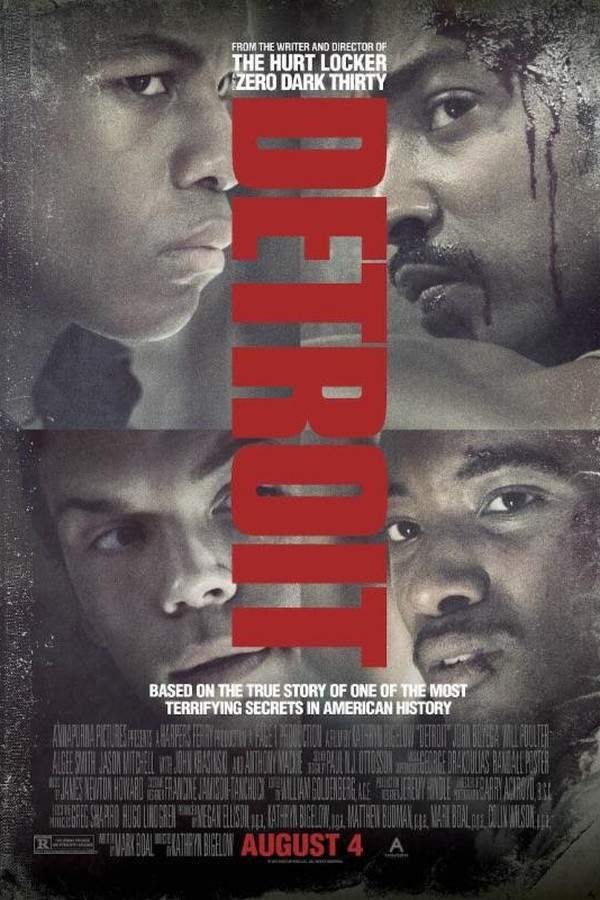
Detroit (2017) Ending Explained & Film Insights
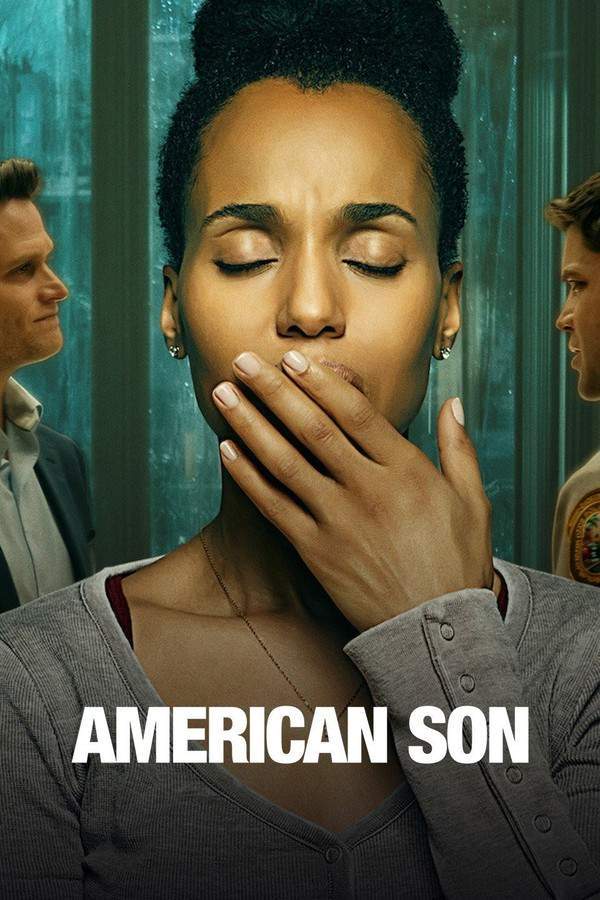
American Son (2019) Film Overview & Timeline
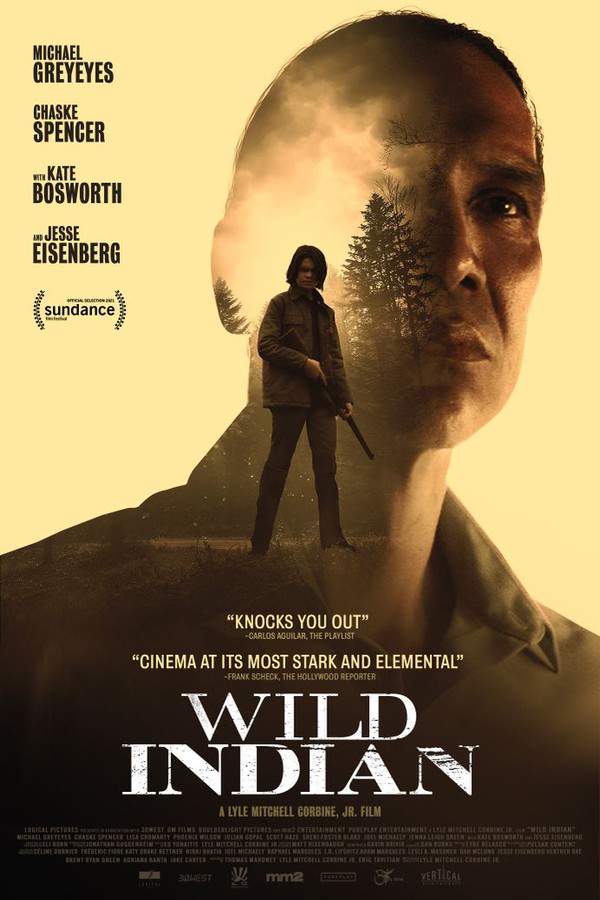
Wild Indian (2021) Story Summary & Characters
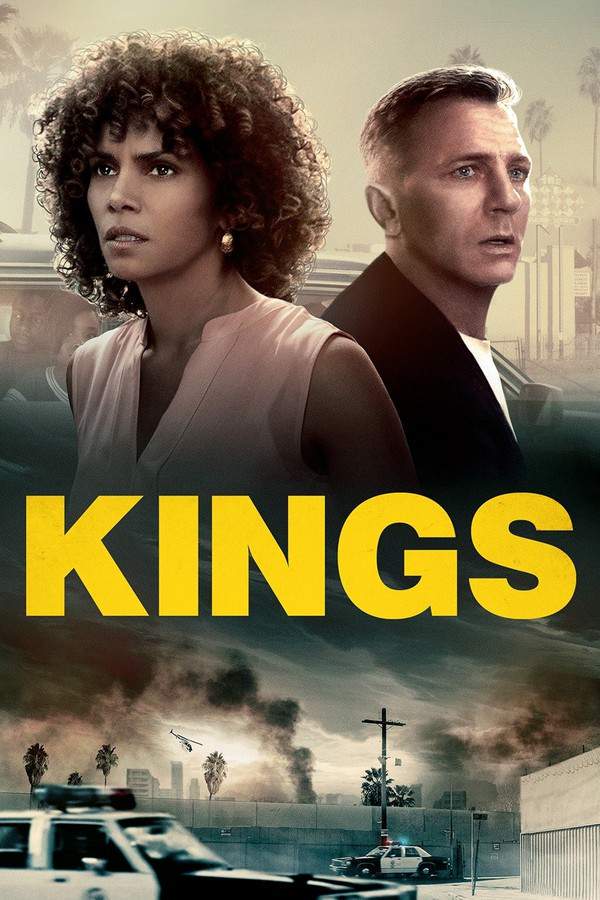
Kings (2018) Complete Plot Breakdown
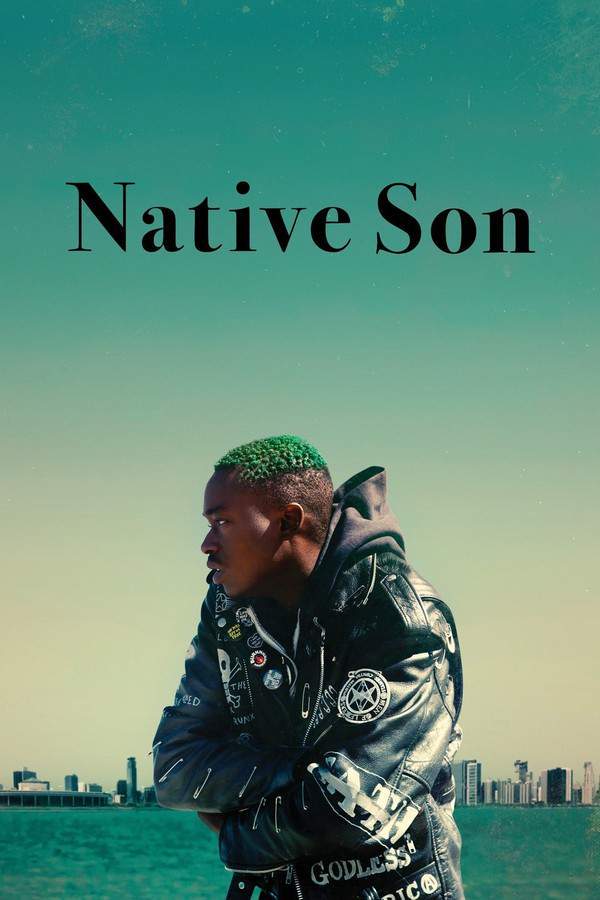
Native Son (2019) Spoiler-Packed Plot Recap
Black and White (2000) Spoiler-Packed Plot Recap
Black or White (2015) Film Overview & Timeline
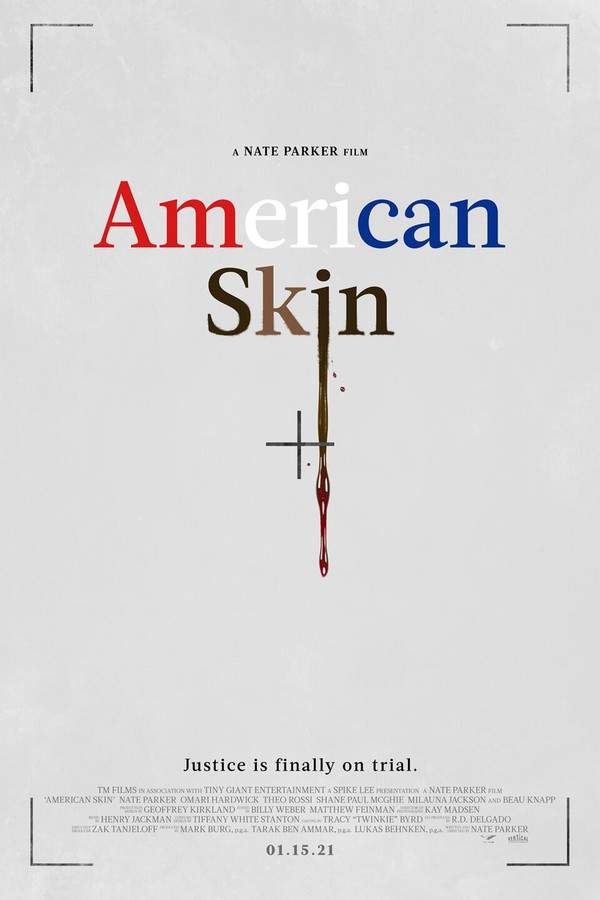
American Skin (2021) Ending Explained & Film Insights
White Boy (2002) Detailed Story Recap
The Sleeping Negro (2021) Full Summary & Key Details
Native Son (1986) Ending Explained & Film Insights
Red, White and Blue (1000) Full Movie Breakdown
Sioux City (1994) Spoiler-Packed Plot Recap
Nothing But a Man (1964) Detailed Story Recap
Native Land (1942) Ending Explained & Film Insights