Plot Explained Spoilers guaranteed!
Plot Explained

Browse by genre

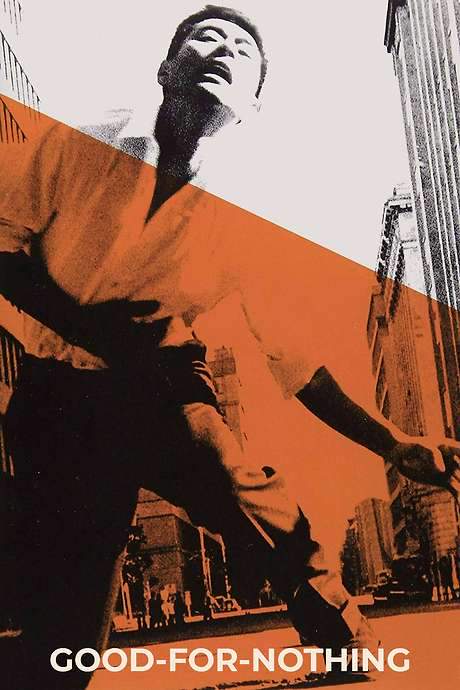
Everything Goes Wrong (1960) movie poster

Plot Summary

Everything Goes Wrong (1960) Plot Summary Explained

Release, runtime and language
1960 · 71 mins · Japanese
Loading streaming availability…
Directed by
Seijun Suzuki
Starring
Sayuri Yoshinaga, Tomoko Naraoka, Tamio Kawachi, Takanobu Hozumi, Kō Nishimura, Chikako Miyagi

Jiro’s attempt to split his mother from her businessman lover spirals into chaos. As a restless youth he is thrust into a world of crime and prostitution, and his choices reverberate through the fragile ties that bind him: the uneasy bond with his mother, the tension with her powerful partner, and the affection of the girl who loves him.

On this page (6)
  1. 1 Where to watch
  2. 2 What happens: full plot
  3. 3 Plot questions answered
  4. 4 Movie threads
  5. 5 Movies like Everything Goes Wrong
  6. 6 Every angle
Loading streaming availability…

Full plot summary · contains spoilers

What Happens in Everything Goes Wrong: Full Plot Summary

The whole story of Everything Goes Wrong (1960) explained, from the opening scene to the final frame: every key event, every twist and what it all adds up to. Read it as a quick recap before the sequel, to check a scene you missed, or to finally understand what really happened.

On a sweltering summer day, a gang of high school delinquents roves through Shinjuku, their restlessness cutting through the city heat. Among them, Jirō Sugita clashes with a girl, sparking a tense argument. Jirō then leaves the group and goes home to live with his single mother, Misayo Sugita. Misayo is the mistress of Keigo Nanbara, a businessman, and Jirō's growing disapproval of their relationship poisons the atmosphere at home, feeding his jealousy.

Jirō's anger erupts in a fight with Nanbara, tearing through the house and stealing money from Misayo. Toshimi Tani, another girl from the gang, has a crush on Jirō and they begin an intimate relationship, though Jirō remains mostly cool and distant toward her.

At Misayo's request, Nanbara lectures Jirō about his disreputable lifestyle, but Jirō mocks him. The following day, Nanbara, Misayo, Jirō, and his friends all head to the same Zushi beach resort, each going separately. Etsuko Shimojô, a college student desperate for money for an abortion, leads Nanbara to an empty summer home under the pretense of connecting him with Jirō to make peace. There, she strips to her undergarments and reveals her real motive: to sell herself to obtain the money she needs. The kindhearted Nanbara refuses her advances but still gives her the money she seeks. At that moment, Jirō bursts in with his mother in tow and gleefully exposes Nanbara as a philandering liar. Misayo is upset, but her love for Nanbara remains, and she begs him to stay with her. Enraged and wracked with guilt, Jirō and Toshimi flee and steal a car. Nanbara pursues them; Etsuko leaves with the money, but is waylaid by a group of delinquents who steal it from her. Nanbara finally catches up to Jirō in a hotel room, where he continues to try and reason with Jirō even as the boy alternately mocks him and kisses Toshimi in front of him. When Nanbara is undeterred, Jirō explodes and brutally assaults him with a wrench. Believing he has killed him Jirō and Toshimi escape in the car, and with the police in pursuit, Jirō begins driving at reckless speed until Toshimi screams in fear, begging to be let out of the car. He seems to have a change of heart, but then deliberately drives into the path of an oncoming truck. The moment before he dies, he screams out "Mom!"

Distraught and in pain, Etsuko collapses at the entrance to the subway and falls down a staircase. She is taken to the same hospital as Nanbara, who survived the assault, and even in his gravely wounded state begs the police to forgive Jirō for his actions. Etsuko also survives, but has a miscarriage. The next day at a local bar the youngsters frequented, a journalist for a disreputable paper tells the owner that Jirō is dead. He is disheartened with the current youth culture, but knows that the salacious details of the story will be eaten up by the public. Musing over how he will write the story, he considers starting it with:

> "Today, goodwill between people can't exist anywhere. Everything goes wrong."

Last updated: October 05, 2025 at 12:41

Was this helpful?

Plot questions answered

Everything Goes Wrong Plot Explained: Your Questions Answered

The questions people ask most about Everything Goes Wrong (1960): what happens in the confusing scenes, why the characters do what they do, the twists, hidden details and what the ending means. Each answer contains spoilers.

Q1

Why does Jirō attack Nanbara with a wrench?

Jirō attacks Nanbara with a wrench because Nanbara refuses to back down from trying to reason with him despite Jirō's mockery and provocative behavior. In the hotel room, Jirō alternates between mocking Nanbara and kissing Toshimi in front of him, hoping to provoke a reaction. When Nanbara remains undeterred in his attempts to calm Jirō down, Jirō explodes in a fit of rage and strikes him with the wrench, believing he has killed him.

Foreshadowing: Earlier, Jirō's violent outburst at home where he fought Nanbara and tore through the house foreshadows his explosive temper.

  • jiro
  • nanbara
  • wrench attack
  • hotel room violence
Q2

Why does Jirō deliberately drive into an oncoming truck?

After being pursued by police and driving recklessly, Jirō experiences what seems to be a moment of change of heart when Toshimi screams in fear and begs to be let out of the car. However, instead of stopping or pulling over, he deliberately drives into the path of an oncoming truck, killing himself. This final act appears to be a suicide, possibly driven by guilt over believing he killed Nanbara, combined with his overall despair and fractured relationship with his mother.

Foreshadowing: Jirō's earlier theft of money from his mother and his violent outbreak show he is capable of destructive actions against himself and others.

  • jiro
  • truck crash
  • suicide
  • death scene
Q3

Why does Misayo beg Nanbara to stay after seeing him with Etsuko?

After Jirō exposes Nanbara at the summer home and reveals that Nanbara was being seduced by Etsuko, Misayo is deeply hurt and upset. However, her love for Nanbara is so strong that despite being betrayed, she begs him to stay with her. This reveals the extent of her emotional dependency on Nanbara and illustrates the dysfunctional nature of their relationship.

Foreshadowing: The earlier tension at home between Jirō and Nanbara, and Jirō's jealousy over his mother's relationship, hints at how entangled Misayo is with Nanbara.

  • misayo
  • nanbara
  • love
  • plea to stay
Q4

Why does Nanbara give money to Etsuko when she tries to seduce him?

Nanbara gives money to Etsuko because she reveals she needs the money for an abortion. Despite her stripping to her undergarments and offering herself for sale, Nanbara refuses her advances but is moved by her desperate situation. He gives her the money she needs without taking anything in return, showing him to be kindhearted even in a compromising situation.

Foreshadowing: The setup at the beach resort where everyone travels separately plants the seeds for the separate encounters that unfold.

  • nanbara
  • etsuko
  • abortion money
  • kindness
Q5

Why does Jirō steal money from his mother?

Jirō steals money from his mother during a violent fight with Nanbara that tears through the house. His anger stems from his jealousy and resentment toward Nanbara, who is his mother's lover. The theft represents both his volatile temper and his act of rebellion against the adult world, particularly against his mother's relationship that he views as a betrayal of their family.

Foreshadowing: Jirō's earlier argument with the girl in his gang and his decision to leave the group shows his pattern of impulsive, destructive behavior.

  • jiro
  • theft
  • misayo
  • money stealing
Q6

Why does Etsuko collapse at the subway entrance?

Etsuko collapses at the subway entrance the next day because she is in distress after her money was stolen by the group of delinquents. She had obtained the money from Nanbara for her abortion, but after being robbed, she becomes distraught and collapses at the subway entrance, falling down the staircase.

Foreshadowing: Earlier, Etsuko's desperate need for money for an abortion drives her entire scheme, showing how vulnerable she is.

  • etsuko
  • subway
  • collapse
  • miscarriage
Q7

Why does Nanbara beg the police to forgive Jirō?

Even after being brutally assaulted with a wrench and left for dead, Nanbara begs the police to forgive Jirō for his actions. This demonstrates Nanbara's compassionate and forgiving nature, despite Jirō's violent attack on him. He shows concern for Jirō's welfare even when he himself is in grave condition at the hospital.

Foreshadowing: Nanbara's earlier refusal to take advantage of Etsuko and his willingness to help her without expectation shows his kindhearted character.

  • nanbara
  • forgiveness
  • hospital
  • police
Q8

Why does Toshimi stay with Jiro despite his behavior?

Toshimi Tani has a crush on Jirō and begins an intimate relationship with him, even though Jirō remains cool and distant toward her throughout their affair. She stays with him through his violent outburst, the theft of the car, and the deadly chase, suggesting her devotion is unconditional despite his destructive nature. She even flees with him after the confrontation at the summer home.

Foreshadowing: The narrative hints at Toshimi's feelings from the moment she is introduced as having a crush on Jirō.

  • toshimi
  • jiro
  • relationship
  • loyalty
Q9

Why does Jirō bring his mother to expose Nanbara?

Jirō deliberately brings his mother Misayo to the summer home where Nanbara is with Etsuko so he can expose Nanbara as a philandering liar. This is a calculated act of revenge designed to humiliate Nanbara and potentially end his relationship with Misayo. Jirō gleefully exposes Nanbara, wanting to prove his moral corruption to his mother.

Foreshadowing: Jirō's earlier jealousy and resentment toward Nanbara, combined with his angry confrontation at home, build toward this moment of retaliation.

  • jiro
  • misayo
  • nanbara
  • expose affair
Q10

Why does Jirō leave his gang?

Jirō leaves his gang of high school delinquents after harassing a girl and getting into a heated argument with her. This confrontation forces him to leave the group, and he subsequently returns home to live with his single mother Misayo, where his troubles with the adult world begin.

Foreshadowing: This early conflict establishes Jirō's pattern of conflict with others and sets the stage for his later explosive behavior.

  • jiro
  • gang
  • leaving
  • shinjuku
Q11

Why does Jirō scream 'Mom' before dying?

In his final moment before crashing into the truck, Jirō screams out "Mom," revealing the deep emotional bond and unresolved issues he has with his mother Misayo. Despite his rebellious behavior, theft from her, and violent outburst against her lover, his final words show his fundamental need for maternal love and his guilt over his actions.

Foreshadowing: His jealousy over his mother's relationship with Nanbara and his theft of her money hint at his complicated feelings toward her.

  • jiro
  • mom
  • dying word
  • scream
Q12

Why does Jiro remain distant with Toshimi despite their relationship?

Jirō remains mostly cool and distant toward Toshimi despite their intimate relationship, reflecting his growing alienation from others and his sense of grievance against the adult world. His emotional walls are up due to his anger over his mother's relationship and his general disillusionment. He uses the relationship physically but does not open up emotionally.

Foreshadowing: His pattern of conflict and withdrawal begins when he leaves the gang after the argument with the girl.

  • jiro
  • toshimi
  • distance
  • coldness

Movie threads

More Movies Like Everything Goes Wrong, by Mood & Story

Curated lists built around what makes Everything Goes Wrong tick: the same mood, the same kind of story or the same emotional payoff. Each list explains why these movies belong together.

Bleak descent crime stories like Everything Goes Wrong

Stories where youthful rebellion escalates into tragic, inescapable criminality. If you liked the grim, fatalistic spiral of Everything Goes Wrong, discover more movies with similar themes. These films feature restless youths, intense parental conflict, and a fast-paced descent into crime and violence, all culminating in deeply tragic and bleak endings.

  • grim
  • fatalistic
  • tense
  • chaotic
  • angst-ridden
  • oppressive
  • Tone: dark, bleak, fatalistic
  • Pacing: fast, chaotic
Why these movies?

The story pattern: Narratives in this thread typically begin with a character's restless dissatisfaction or a single poor decision that triggers a chain reaction of escalating criminal acts. The structure is often linear and cause-and-effect, propelling the protagonist towards a destructive climax with little hope of redemption, emphasizing the weight of consequences.

Why they belong together: Movies are grouped here for their shared high-intensity, dark tone, and focus on the theme of a swift and brutal moral collapse. They deliver a heavy emotional experience marked by tension, sadness, and a pervasive sense of fatalism regarding the characters' choices.

Intense dysfunctional family dramas like Everything Goes Wrong

Emotionally charged stories where toxic family dynamics lead to chaos. For viewers who appreciated the heavy parental conflict and toxic relationships in Everything Goes Wrong, this list features similar movies. Explore stories where deep-seated family dysfunction is the primary catalyst for drama, crime, and tragic outcomes, all delivered with high emotional intensity.

  • tense
  • oppressive
  • angst-ridden
  • melancholic
  • chaotic
  • grim
  • Tone: dark, tense, oppressive
  • Pacing: steady, escalating
Why these movies?

The story pattern: The narrative pattern revolves around a central, corrosive family relationship as the engine of conflict. The story explores how this dysfunction corrupts the protagonist's choices, often pulling them into destructive situations like crime or doomed romances, with the emotional turmoil escalating steadily towards a devastating climax.

Why they belong together: These films are connected by their exploration of heavy themes like parental estrangement and betrayal, their high emotional weight, and their ability to sustain a tense, oppressive mood. The similarity lies in the visceral portrayal of how broken families inevitably lead to wider chaos.

If you liked this

Movies Like Everything Goes Wrong

Similar movies to Everything Goes Wrong: the same genre, themes or kind of story. Each one comes with its own plot summary, timeline and ending explained.

Browse all movie summaries

Every angle

Everything Goes Wrong (1960) Explained: Plot, Timeline & Characters

Everything about Everything Goes Wrong in one place: what happens in the plot summary, the timeline in chronological order, the characters and meaning and a spoiler-free summary. What's After the Movie adds the cast, box office and post-credit scenes.

Coming soon on iOS and Android

The Plot Explained Movie Summary App

Plot summaries, endings explained and timelines on your phone. Catch up on any movie in minutes, save your favorites and never miss a twist again.

Be the first to know when we launch. Your email stays private, always.

Learn more about the app