Year: 1961
Runtime: 128 min
Language: English
Director: Daniel Petrie
Following the death of her husband, Lena Younger finds her family’s life irrevocably changed by an inheritance. The money offers the Younger family—Lena, her husband Walter, his son Walter Jr., and her sister Beneatha—the opportunity to pursue their individual dreams. Walter yearns to start a liquor store, while Beneatha hopes to become a doctor. Lena envisions a home for her family, but differing aspirations and financial pressures threaten to tear them apart as they grapple with questions of race, identity, and the true meaning of success.
Warning: spoilers below!
Haven’t seen A Raisin in the Sun yet? This summary contains major spoilers. Bookmark the page, watch the movie, and come back for the full breakdown. If you're ready, scroll on and relive the story!
Read the complete plot breakdown of A Raisin in the Sun (1961), including all key story events, major twists, and the ending explained in detail. Discover what really happened—and what it all means.
In a cramped and decaying apartment situated in Chicago’s South Side, the Younger family grapples with their financial struggles. The head of the family, Walter, makes a living by driving a limousine, while his wife Ruth has resigned herself to their dismal situation. Completing their close-knit family are their son Travis and Lena, affectionately known as Mama, Walter’s mother. Meanwhile, Beneatha, Walter’s younger sister, harbors dreams of her own amid the bleakness surrounding them.
As the narrative unfolds, the Youngers are reeling from the recent loss of their patriarch. Lena eagerly awaits a $10,000 life insurance payout, believing it holds the key to a brighter future for their family. However, Walter has different ambitions, aspiring to invest in a liquor store alongside his street-savvy friends, Willy and Bobo.
Tensions escalate between Mama’s values, deeply rooted in faith, and Walter’s material ambitions as the family debates how to allocate the insurance money. Ultimately, Mama opts to use part of the funds to secure a new house, despite choosing to move into an all-white neighborhood due to its lower cost. When she reluctantly provides Walter with $6,500 for his venture, Beneatha brings up that Mama has reserved $3,000 for her own educational aspirations.
Walter’s dreams come crashing down when he entrusts the money to Willy, who absconds with it, leaving the Youngers in dire straits. The reality of their situation sets in when Bobo delivers the heartbreaking news, shattering the hopes of both Walter and Beneatha. Just then, Karl Lindner, a representative from the neighborhood they are set to move into, approaches them with an offer: he wants to buy out their new home to spare them from potential discord.
The family’s three women are horrified by Lindner’s proposition, perceiving it as a thinly veiled attempt to keep them out of the neighborhood. Lena staunchly believes that financial gain should never compromise one’s dignity. As the pressure mounts, Walter teeters on the edge of accepting Lindner’s deal, forcing the family to confront their reality and the significance of their place in society.
Beneatha’s life becomes a battleground between two very different suitors: the affluent George Murchison, who epitomizes assimilation and material success, and Joseph Asagai, a Yoruban student from Nigeria who urges her to embrace her cultural heritage. Beneatha finds herself torn between the enticing allure of wealth that George represents and the rich pride of her African roots reflected in Joseph’s thoughtful gifts and encouragement. Yet, as Beneatha grapples with the severance of the Youngers’ financial footing, Joseph admonishes her for her materialistic inclinations.
Meanwhile, Walter becomes unwittingly caught in a conflict between George’s tempting promise of affluence and Joseph’s empowering embrace of identity. In his desire to escape his hardships, Walter struggles to discern the critical differences between the two men: one offers a facade of salvation through conformity, while the other promotes true pride in one’s background. As the story speeds toward its climax, Walter experiences a profound change, choosing to renounce the temptations of wealth in favor of his family’s values.
The character of Mrs. Johnson, a noisy and inquisitive neighbor, may be omitted in various adaptations due to time limitations, yet her presence in print provides essential commentary on the anxieties that often shadow social changes. Through Mrs. Johnson’s biting remarks, Lorraine Hansberry delivers a sharp critique of individuals who choose to cower in fear rather than stand up for their rights. As the play concludes with the Youngers facing an uncertain future, this stark reminder underscores that true freedom is attainable only through collective bravery and unwavering resolve.
Last Updated: November 17, 2024 at 20:27
Discover curated groups of movies connected by mood, themes, and story style. Browse collections built around emotion, atmosphere, and narrative focus to easily find films that match what you feel like watching right now.
Tense stories of families fracturing under internal and external pressures.If you liked the intense family conflicts and cramped setting of A Raisin in the Sun, explore more movies like it. These similar dramas feature families grappling with financial strain, racial tensions, and generational divides, all within a confined, pressure-filled environment.
Stories in this thread often unfold within a limited physical space, like a small apartment or house, which amplifies the emotional friction. The narrative builds steadily as financial or social pressures force family members' individual aspirations to collide, leading to a crisis that threatens to tear them apart before a moment of truth that either solidifies or shatters their bonds.
These films are grouped together because they share a specific setting and conflict dynamic. They combine a claustrophobic, anxious mood with a heavy emotional weight, focusing on the raw, intimate drama of a family pushed to its breaking point by forces both inside and outside the home.
Stories where financial hope clashes with harsh systemic barriers.Find more films like A Raisin in the Sun that critically examine the American Dream. These powerful dramas show characters fighting for a better life against financial hurdles and racial discrimination, often ending with a bittersweet or hopeful redefinition of success itself.
The journey typically begins with a catalyst—an inheritance, an opportunity—that ignites divergent hopes within a group. The central conflict arises from the tension between these dreams and the harsh realities of poverty and prejudice. The story arc often involves a devastating setback or betrayal, forcing characters to choose between compromising their values or finding a more authentic, if less prosperous, version of their dream.
This thread connects films that share a heavy thematic focus on ambition, class, and systemic injustice. They deliver a similar emotional experience: a mix of hopeful yearning and melancholic struggle, grounded in a steady, character-driven pace that builds to a climactic moral decision about what truly matters.
Don't stop at just watching — explore A Raisin in the Sun in full detail. From the complete plot summary and scene-by-scene timeline to character breakdowns, thematic analysis, and a deep dive into the ending — every page helps you truly understand what A Raisin in the Sun is all about. Plus, discover what's next after the movie.
Track the full timeline of A Raisin in the Sun with every major event arranged chronologically. Perfect for decoding non-linear storytelling, flashbacks, or parallel narratives with a clear scene-by-scene breakdown.
Discover the characters, locations, and core themes that shape A Raisin in the Sun. Get insights into symbolic elements, setting significance, and deeper narrative meaning — ideal for thematic analysis and movie breakdowns.
Get a quick, spoiler-free overview of A Raisin in the Sun that covers the main plot points and key details without revealing any major twists or spoilers. Perfect for those who want to know what to expect before diving in.
Visit What's After the Movie to explore more about A Raisin in the Sun: box office results, cast and crew info, production details, post-credit scenes, and external links — all in one place for movie fans and researchers.
Discover movies like A Raisin in the Sun that share similar genres, themes, and storytelling elements. Whether you’re drawn to the atmosphere, character arcs, or plot structure, these curated recommendations will help you explore more films you’ll love.
A Raisin in the Sun (1961) Scene-by-Scene Movie Timeline
A Raisin in the Sun (1961) Movie Characters, Themes & Settings
A Raisin in the Sun (1961) Spoiler-Free Summary & Key Flow
Movies Like A Raisin in the Sun – Similar Titles You’ll Enjoy
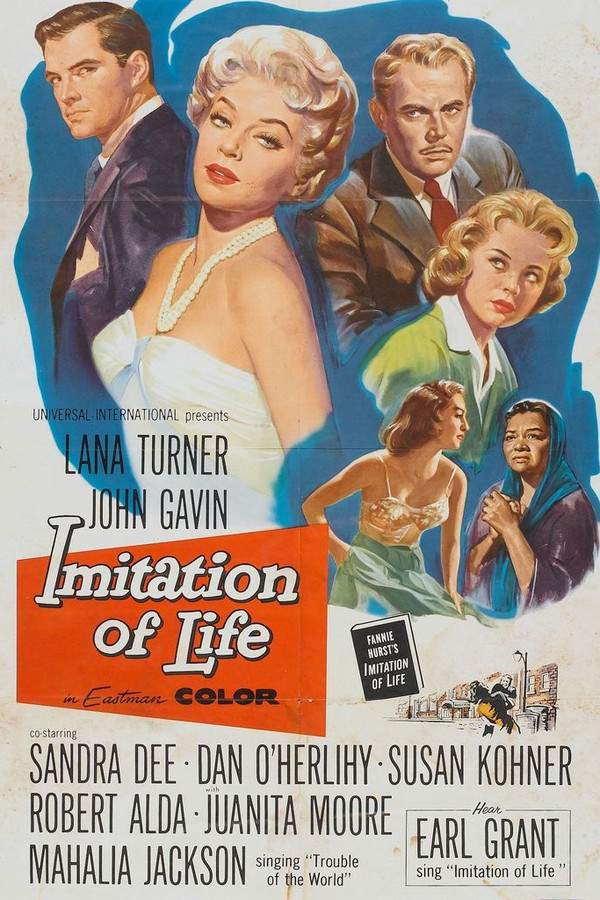
Imitation of Life (1959) Complete Plot Breakdown
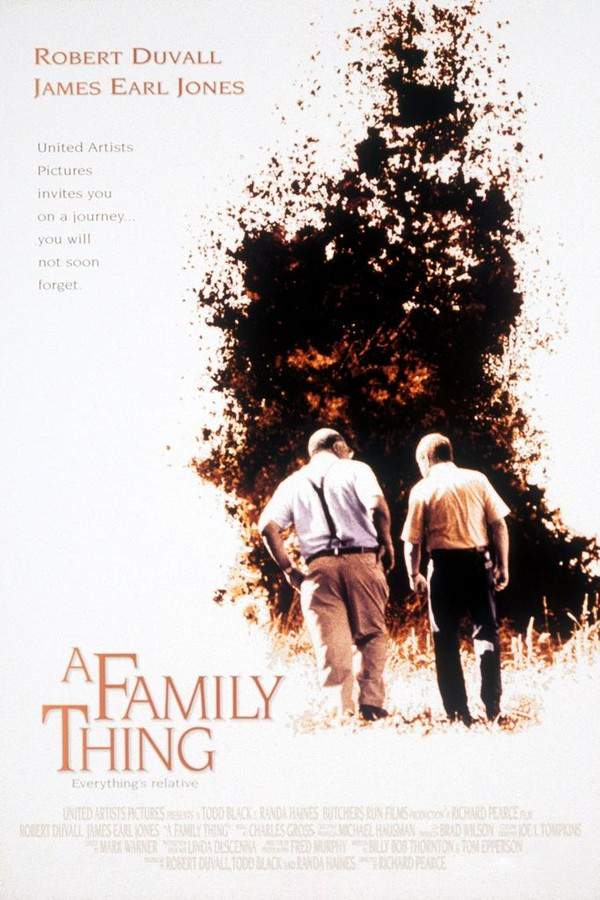
A Family Thing (1996) Full Movie Breakdown
Native Son (2019) Complete Plot Breakdown
Marvin's Room (1996) Plot Summary & Ending Explained
Driving Miss Daisy (1989) Spoiler-Packed Plot Recap
The Color Purple (1985) Full Movie Breakdown
Black or White (2015) Spoiler-Packed Plot Recap
Soul Food (1997) Plot Summary & Ending Explained
Native Son (1951) Ending Explained & Film Insights
The Piano Lesson (2024) Ending Explained & Film Insights
A Raisin in the Sun (1989) Full Summary & Key Details
A Home of Our Own (1993) Ending Explained & Film Insights
Imitation of Life (1934) Movie Recap & Themes
A Raisin in the Sun (2008) Movie Recap & Themes
To Be Young, Gifted and Black (1972) Film Overview & Timeline