Year: 1945
Runtime: 80 mins
Language: English
Director: Montgomery Tully
Tom Masterick, a dock worker, is wrongfully convicted of murder and sentenced to death, later commuted to a lengthy prison term. After decades behind bars, he is released as an elderly man, still determined to track down the true killer and clear his name.
Warning: spoilers below!
Haven’t seen Murder in Reverse? yet? This summary contains major spoilers. Bookmark the page, watch the movie, and come back for the full breakdown. If you're ready, scroll on and relive the story!
Read the complete plot breakdown of Murder in Reverse? (1945), including all key story events, major twists, and the ending explained in detail. Discover what really happened—and what it all means.
Tom Masterick, William Hartnell a stevedore in Limehouse, London, is married with a young daughter. He discovers his wife has been having an affair with a man named Fred Smith, John Slater. In a fit of rage, Masterick fights Smith in a saloon bar, and the fight spills out onto the streets, unleashing a high-stakes chase along a docks crane that ends with Smith’s apparent death. Although no body is recovered and Masterick swears he did not murder anyone, he is found guilty and sentenced to death, a sentence later commuted to 15 years in prison, despite his insistence that he saw Smith alive after the incident.
When he is released, Masterick is obsessed with uncovering the truth about Smith’s fate and the miscarriage of justice that sidelined his life. He learns that his wife disappeared with Smith and that their daughter Jill Masterick, Dinah Sheridan, was adopted by Masterick’s close friend and newspaper editor Sullivan, Brefni O’Rorke, who had fought to sway public opinion in Masterick’s favor during his imprisonment. Sullivan fears that revealing the truth could hurt Jill, who has no memory of her real parents.
Jill, who is in a relationship with junior reporter Peter Rogers, Jimmy Hanley, believes Masterick is the victim of a miscarriage of justice, unaware that he is her biological father. As Masterick continues his private investigation, he tracks down his former wife, now living in poverty after fleeing Smith, and she reluctantly points him toward the man himself.
Masterick eventually locates Smith, who is running a public house. In a tense, duplicitous turn, Masterick convinces Smith that he is not seeking revenge, and the two strike a deal to share any compensation Masterick expects for his wrongful imprisonment. They confront Crossley, the prosecution barrister at Masterick’s trial, who has since become a judge at a dinner party; Crossley, Kynaston Reeves, remains wary and unmoved, citing the passage of time and the legal barriers that stand in the way of reopening the case.
Undeterred, Masterick asserts that there has been a miscarriage of justice and that the real victim stands beside him. Yet the judge remains unwilling to help, and the moment crescendos into a dramatic act: Masterick fatally shoots Smith in front of the judge and his guests, delivering a chilling form of personal justice.
In the aftermath, Sullivan, Brefni O’Rorke, remarks that Masterick cannot be convicted of murder since he already spent years in prison for the crime, rendering the killing, in effect, a “murder in reverse.” The tale unfolds as a grim meditation on guilt, memory, and the limits—and costs—of seeking justice through vengeance.
Last Updated: October 09, 2025 at 12:41
Discover curated groups of movies connected by mood, themes, and story style. Browse collections built around emotion, atmosphere, and narrative focus to easily find films that match what you feel like watching right now.
Characters consumed by a single-minded, grim pursuit of justice after a life-altering injustice.If you liked the grim, single-minded pursuit of truth in Murder in Reverse?, explore more movies about characters whose lives are derailed by injustice. These films feature protagonists on a bleak, often decades-long mission to uncover the truth or exact revenge, offering similar themes of obsession and a stolen life.
These narratives typically begin with a catastrophic injustice that defines the protagonist's life. The plot then follows their long, methodical, and often isolating journey to uncover the truth or achieve a form of vengeance. The focus is on the psychological toll of the quest, with the protagonist's determination becoming their defining characteristic, leading to a climax that is more about grim resolution than happy closure.
Movies are grouped here by their shared focus on a central, life-consuming obsession born from injustice. They share a dark tone, heavy emotional weight, and a protagonist whose entire identity becomes wrapped up in their pursuit, creating a cohesive vibe of grim determination and psychological tension.
Stories where the pursuit of justice leads only to a deeper, more personal darkness.Fans of the dark conclusion and moral complexity of Murder in Reverse? will appreciate these films. They explore similar territory where the legal system fails and personal justice comes at a devastating cost, resulting in bleak, emotionally heavy endings that linger long after the credits roll.
The narrative pattern involves a failure of institutional justice, prompting the protagonist to pursue a personal form of retribution. This path often corrupts them, leading to an ending where the 'solution' is as morally fraught as the original crime. The story structure is typically linear and steady, building tension towards an inevitable, morally ambiguous or outright tragic conclusion that underscores the theme of a broken system.
These films are united by their shared exploration of justice's failure and the bleak consequences of taking the law into one's own hands. They possess a consistently dark tone, high dramatic intensity, and a heavy emotional weight centered on themes of betrayal, corruption, and personal downfall.
Don't stop at just watching — explore Murder in Reverse? in full detail. From the complete plot summary and scene-by-scene timeline to character breakdowns, thematic analysis, and a deep dive into the ending — every page helps you truly understand what Murder in Reverse? is all about. Plus, discover what's next after the movie.
Track the full timeline of Murder in Reverse? with every major event arranged chronologically. Perfect for decoding non-linear storytelling, flashbacks, or parallel narratives with a clear scene-by-scene breakdown.
Discover the characters, locations, and core themes that shape Murder in Reverse?. Get insights into symbolic elements, setting significance, and deeper narrative meaning — ideal for thematic analysis and movie breakdowns.
Get a quick, spoiler-free overview of Murder in Reverse? that covers the main plot points and key details without revealing any major twists or spoilers. Perfect for those who want to know what to expect before diving in.
Visit What's After the Movie to explore more about Murder in Reverse?: box office results, cast and crew info, production details, post-credit scenes, and external links — all in one place for movie fans and researchers.
Discover movies like Murder in Reverse? that share similar genres, themes, and storytelling elements. Whether you’re drawn to the atmosphere, character arcs, or plot structure, these curated recommendations will help you explore more films you’ll love.
Murder in Reverse? (1945) Scene-by-Scene Movie Timeline
Murder in Reverse? (1945) Movie Characters, Themes & Settings
Murder in Reverse? (1945) Spoiler-Free Summary & Key Flow
Movies Like Murder in Reverse? – Similar Titles You’ll Enjoy
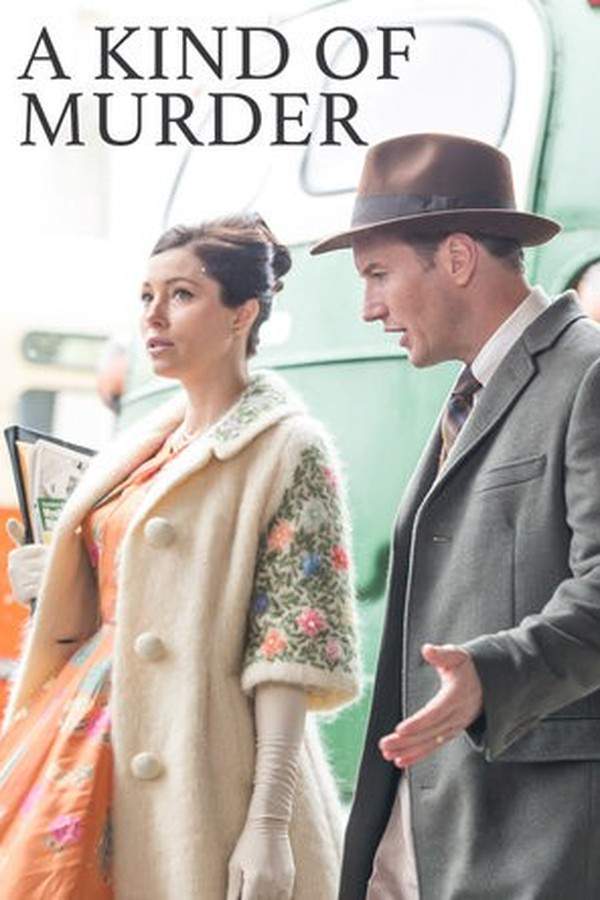
A Kind of Murder (2016) Story Summary & Characters
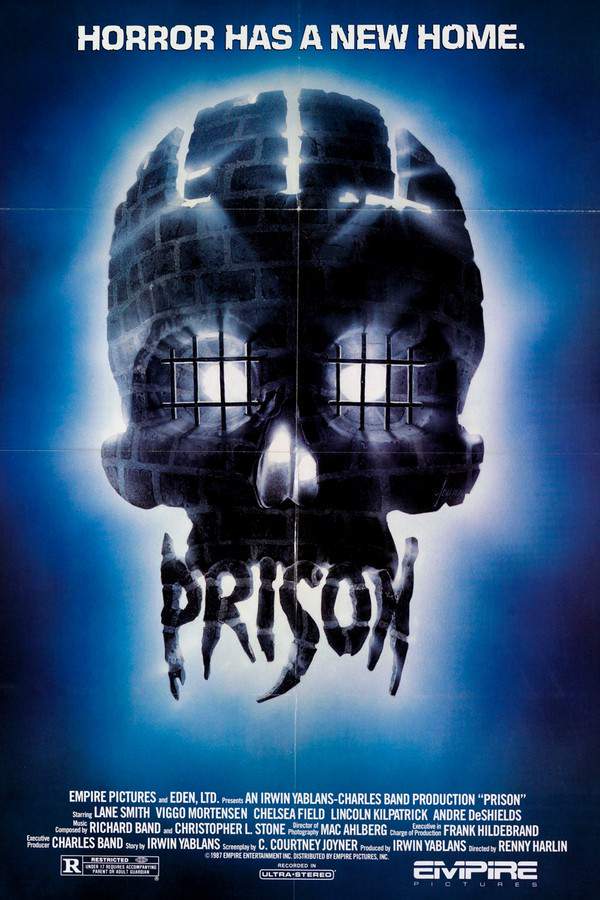
Prison (1988) Detailed Story Recap
Murder Elite (1985) Ending Explained & Film Insights
The Verdict (1946) Full Summary & Key Details
Murder in the Big House (1942) Movie Recap & Themes
The Truth About Murder (1946) Full Summary & Key Details
Murder by Natural Causes (1979) Full Summary & Key Details
The Murder Man (1935) Full Movie Breakdown
Murder with Pictures (1936) Plot Summary & Ending Explained
You Can’t Get Away with Murder (1939) Story Summary & Characters
Buried Alive (1939) Full Movie Breakdown
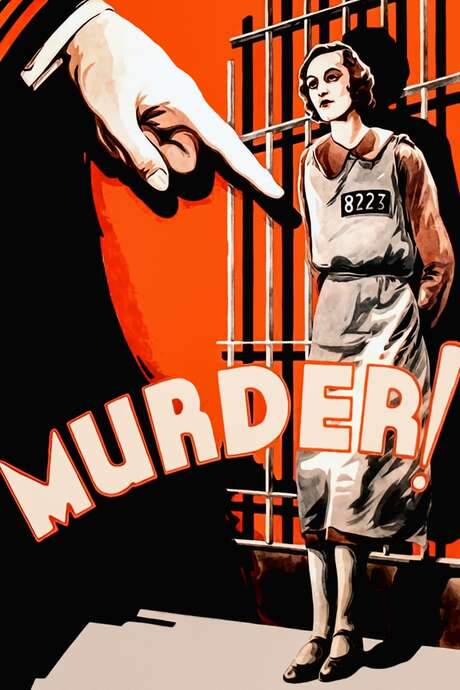
Murder! (1930) Complete Plot Breakdown
Accused of Murder (1956) Plot Summary & Ending Explained
The Studio Murder Mystery (1929) Detailed Story Recap
Back in Circulation (1937) Movie Recap & Themes