Plot Explained Spoilers guaranteed!
Plot Explained

Browse by genre

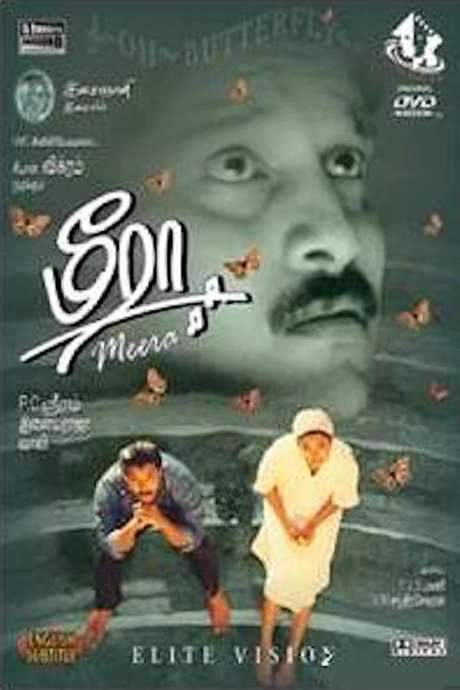
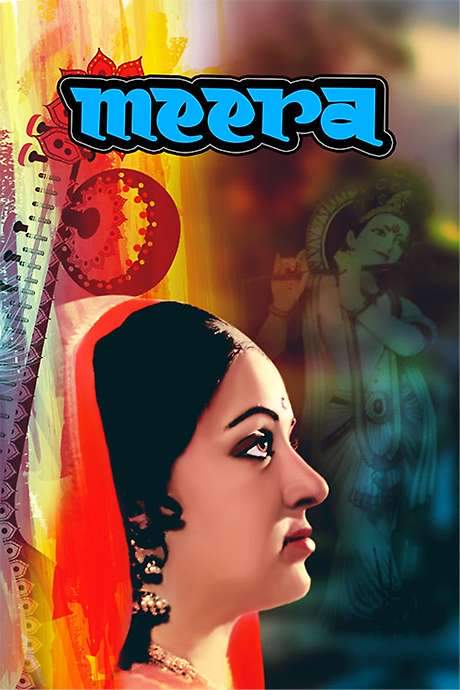
Meera (1979) movie poster

Characters & Themes

Meera (1979) Characters, Setting & Themes Explained

Release, runtime and language
1979 · 139 mins · Hindi
Loading streaming availability…
Directed by
Gulzar
Starring
Dina Pathak, Vinod Khanna, Hema Malini, A.K. Hangal, Shammi Kapoor, Shreeram Lagoo

Meera, a devout follower of Lord Krishna, regards the deity as her husband and refuses an arranged marriage to a Rajput prince. Defying family and societal expectations, her unwavering spirituality subjects her to relentless hardship and persecution, yet she persists in her divine love and poetic devotion.

On this page (8)
  1. 1 Where to watch
  2. 2 Characters explained (8)
  3. 3 Where & when it takes place
  4. 4 Themes & meaning (3)
  5. 5 Character & meaning questions
  6. 6 Movie threads
  7. 7 Movies like Meera
  8. 8 Every angle
Loading streaming availability…

8 main characters · contains spoilers

Meera Characters Explained: Who Is Who

The main characters of Meera (1979), heroes and villains: what drives them, how they change over the course of the story and what each of them reveals about the film's bigger ideas.

  • Meera Rathod (Hema Malini)

    Meera is Biramdev's daughter who loves Krishna more than any marriage or royal duty. Her heart remains devoted to the deity even as she is married off to royally align with Vikramajit's lineage. Her resilience under public condemnation and her ultimate defiance of social norms shape the film's core conflict.

    • 💖 Devotion
    • 👑 Royalty
    • 🕊️ Spirituality
  • Rana Bhojraj Sesodia

    played by Vinod Khanna

    Rana Bhojraj is the prince by political alliance who marries Meera under duress. He represents conventional expectations of marriage and duty, often clashing with Meera's irrepressible devotion. His position puts him at the center of tension between love, loyalty, and social norms.

    • 👑 Royalty
    • ⚖️ Social norms
    • 💔 Marriage conflict
  • Raja Vikramjeet Singh Sesodia

    played by Shammi Kapoor

    Raja Vikramjeet is the king who negotiates Medta's alliance with the Medta state, using dynastic marriages to secure power. He embodies old-world political pragmatism and authority, orchestrating arrangements to strengthen his realm. His actions drive the plot's political dimension and the fate of Meera.

    • 👑 Royalty
    • 🧭 Political strategy
    • ⚖️ Old world politics
  • Biramdev Rathod

    played by Shreeram Lagoo

    Biramdev is the king of Medta, ruler of a desert province and father to Meera and Jaimal. He navigates alliances and royal duties to safeguard his kingdom while balancing internal pressures. His decisions reflect the burdens and responsibilities of kingship in a volatile era.

    • 👑 Royalty
    • 🏰 Leadership
  • Kunwarbai (Mrs. Biramdev Rathod)

    played by Dina Pathak

    Kunwarbai is Biramdev's wife, a courtly matriarch who carries dynastic expectations and palace influence. She embodies the weight of tradition and the complexities of maintaining family honor within the royal household. Her role underscores the social dynamics and pressures faced by royal women.

    • 👑 Royalty
    • 🧭 Social duties
  • Badshah Akbar

    played by Amjad Khan

    Emperor Akbar is the rising power whose expansion imperils Medta and other provinces. The era’s geopolitical tension shapes court politics and drives alliances that define Meera's destiny. His strength anchors the film's broader historical context.

    • 🕌 Empire
    • ⚖️ Power
  • Saint Raidas

    played by A.K. Hangal

    Saint Raidas serves as a spiritual guide to Meera, offering counsel and wisdom in the face of persecution. He embodies compassion and the endurance of faith, reinforcing the film's devotional core. His presence links Meera's personal journey to a larger spiritual tradition.

    • 🙏 Spirituality
    • 🕊️ Wisdom
  • Jaimal Rathod

    played by Dinesh Thakur

    Jaimal is Biramdev's son, a prince in the Medta court who represents the dynastic line and potential succession. While not the film's focal point, his presence situates the royal family within the power structure of the story.

    • 👑 Royalty
    • 🗡️ Lineage

Last updated: February 18, 2026 at 23:25

Was this helpful?

Setting

Where and When Does Meera Take Place?

The setting of Meera (1979): the year and time period, the places and locations, and how they shape the characters, the mood and the tension of the story.

Time period

around 1480s

The narrative is set in the late 15th century, during a period of shifting power as regional kingdoms navigate the rising influence of Emperor Akbar. Alliances are sealed through marriages and political maneuvering, reflecting a tense balance of power. Social norms for women and royal duties dominate public life, framing Meera's devotion as both a personal and political act.

Location

Medta, Rajasthan, India

Medta is a royal province in Rajasthan, ruled from a grand palace by King Biramdev Rathod. The story unfolds within opulent courts and desert landscapes that shape politics and loyalties. The setting emphasizes dynastic duties, court intrigue, and the performative nature of honor in a regal society.

  • 🏰 Royalty
  • 🏜️ Desert
  • 🎨 Culture

Last updated: February 18, 2026 at 23:25

Was this helpful?

3 major themes

Meera Meaning: Themes & Message Explained

What is Meera (1979) really about? The emotional, social and philosophical themes the film keeps returning to, its symbolism and the message beneath the surface.

  • Divine Love

    Meera's devotion to Krishna defines her identity more than royal expectations. The film centers devotion as a personal, transformative force that withstands social pressure. It contrasts sacred longing with public judgment, showing faith as a source of resilience. Ultimately, her spiritual love reshapes the community's sense of virtue.

  • Societal Norms

    Arranged marriages and strict family duty drive the social order in Medta. Meera's defiance triggers a public trial and its accompanying stigma, highlighting gendered double standards. The narrative critiques how tradition can suppress individual freedom in the name of honor. The tension between personal belief and communal rules propels the plot.

  • Sacrifice

    Meera's act of drinking venom and walking toward the temple frames sacrifice as a spiritual act rather than a political statement. The moment of public faith, with crowds singing her devotion, reframes death as union with the divine. The finale uses this act to explore how devotion can redefine a community's values and memory.

Last updated: February 18, 2026 at 23:25

Was this helpful?

Character & theme questions

Meera Characters & Meaning: Your Questions Answered

The questions people ask about Meera (1979): who the characters really are, their relationships, what the symbols mean, where it takes place and what the movie is really about. Each answer contains spoilers.

Q1

Where is the movie Meera set?

Meera is set in Medta, a royal province in Rajasthan, India. The story unfolds within opulent royal courts and desert landscapes that shape the politics and loyalties of the kingdom. This setting emphasizes dynastic duties, court intrigue, and the performative nature of honor in a regal society.

  • medta
  • rajasthan
  • setting
  • royal court
  • desert
Q2

When does Meera take place?

The narrative is set in the late 15th century, around the 1480s. This was a period of shifting power as regional kingdoms navigated the rising influence of Emperor Akbar. Alliances were sealed through marriages and political maneuvering, reflecting a tense balance of power in northern India.

  • 1480s
  • 15th century
  • historical era
  • akbar
  • medieval india
Q3

What is the main theme of Meera?

The film's central theme is Divine Love - Meera's devotion to Lord Krishna defines her identity more than royal expectations. The movie centers devotion as a personal, transformative force that withstands social pressure. It contrasts sacred longing with public judgment, showing faith as a source of resilience that ultimately reshapes the community's sense of virtue.

  • divine love
  • devotion
  • krishna
  • faith
  • spirituality
Q4

What does Meera say about societal expectations?

The film critiques how tradition can suppress individual freedom in the name of honor. Meera's refusal of an arranged marriage and her unwavering devotion trigger public trials and stigma, highlighting gendered double standards. The tension between personal belief and communal rules propels the narrative, showing how societal norms can imprison those who defy them.

  • societal norms
  • tradition
  • arranged marriage
  • gender double standards
  • honor
Q5

Who is Meera in the film?

Meera is the daughter of King Biramdev Rathod of Medta. She is a devout follower of Lord Krishna whom she regards as her husband. Her identity is defined by spiritual devotion rather than royal duty, and she refuses to accept an arranged marriage to a Rajput prince. Her unwavering faith in the face of persecution forms the film's core conflict.

  • meera
  • protagonist
  • devotee
  • krishna
  • biramdev daughter
Q6

Who is Rana Bhojraj in Meera?

Rana Bhojraj is a prince who marries Meera through political alliance. He represents conventional expectations of marriage and royal duty, often clashing with Meera's irrepressible devotion to Krishna. His position places him at the center of tension between love, loyalty, and societal norms within the royal household.

  • rana bhojraj
  • prince
  • husband
  • marriage
  • duty
Q7

Who is Emperor Akbar in the movie?

Emperor Akbar is depicted as the rising power whose expansion imperils Medta and other regional kingdoms. His growing influence shapes the political landscape of the era, driving the alliances and dynastic marriages that define Meera's destiny. Akbar represents the broader historical context of consolidating Mughal power in northern India.

  • akbar
  • emperor
  • mughal
  • rising power
  • political threat
Q8

Who is Saint Raidas in Meera?

Saint Raidas serves as a spiritual guide to Meera, offering counsel and wisdom during her persecution. He embodies compassion and the endurance of faith, reinforcing the film's devotional core. His presence connects Meera's personal journey to a larger spiritual tradition of Bhakti saints.

  • saint raidas
  • spiritual guide
  • bhakti
  • guru
  • wisdom
Q9

What does sacrifice mean in Meera?

In the film, sacrifice is portrayed as a spiritual act rather than a political statement. Meera's ultimate act of devotion reframes death as union with the divine. The finale explores how extreme devotion can redefine a community's values and memory, transforming personal tragedy into spiritual victory.

  • sacrifice
  • martyrdom
  • spiritual union
  • devotion
  • death
Q10

Who is King Biramdev Rathod?

Biramdev is the King of Medta, ruler of a desert province and father to Meera and Jaimal. He navigates alliances and royal duties to safeguard his kingdom while balancing internal pressures. His decisions reflect the burdens and responsibilities of kingship in a volatile era, as he must balance family loyalty with political necessity.

  • king biramdev
  • rathod
  • father
  • king of medta
  • royalty
Q11

How do royal politics drive the story in Meera?

The film depicts how dynastic marriages serve as political tools to secure power in a volatile era. Raja Vikramjeet Singh negotiates alliances with Medta through marriage arrangements, using Meera's union to strengthen his realm. These political maneuvers set the stage for the personal conflict between Meera's spiritual devotion and royal expectations.

  • royal politics
  • alliances
  • dynastic marriage
  • king vikramjeet
  • medta

Movie threads

More Movies Like Meera, by Mood & Story

Curated lists built around what makes Meera tick: the same mood, the same kind of story or the same emotional payoff. Each list explains why these movies belong together.

Films about spiritual defiance like Meera

Profiles of unwavering faith that defy societal norms and lead to persecution. If you were moved by the story of Meera, explore movies that showcase similar journeys of spiritual martyrdom. This collection features powerful dramas about protagonists whose unwavering faith leads them to defy societal expectations, facing persecution with profound courage and finding a transcendent resolution.

  • devotional
  • defiant
  • tragic
  • solemn
  • transcendent
  • oppressive
  • Tone: melancholic, solemn, transcendent
  • Pacing: steady, deliberate
Why these movies?

The story pattern: These narratives typically follow a protagonist's journey from initial spiritual awakening to open conflict with established norms. The plot is driven by escalating external pressure, leading to persecution, suffering, and often a tragic yet spiritually victorious ending. The emotional arc moves from defiance through suffering to a form of transcendence.

Why they belong together: These films are grouped together because they share a heavy emotional weight, a melancholic tone, and a focus on the high-stakes conflict between personal faith and societal power. They are united by the powerful theme of martyrdom for a belief, creating a deeply affecting and thought-provoking viewing experience.

Melancholic period dramas with tragic heroines like Meera

Historical dramas about women whose rebellion against tradition ends in sorrow. For viewers who appreciated the poignant story of Meera, this selection features similar movies about women defying tradition in historical settings. Discover powerful films where strong-willed female protagonists face immense societal pressure, leading to emotionally heavy narratives with bittersweet or tragic conclusions.

  • historical
  • tragic
  • defiant
  • oppressive
  • solemn
  • female protagonist
  • Tone: melancholic, tragic, oppressive
  • Pacing: steady, character-driven
Why these movies?

The story pattern: The story follows a clear arc: a woman in a restrictive historical society identifies a personal truth that conflicts with her duty. Her refusal to conform escalates the tension, leading to her alienation and persecution. The pacing is steady and deliberate, building towards a emotionally resonant, often tragic conclusion that highlights the cost of her defiance.

Why they belong together: These films share a potent combination of a historical setting, a melancholic atmosphere, and a focus on the tragic cost of female rebellion. The similarity lies in the specific emotional cocktail of admiration for the protagonist's strength and the sorrow of her inevitable suffering, all delivered with a heavy, steady intensity.

If you liked this

Movies Like Meera

Similar movies to Meera: the same genre, themes or kind of story. Each one comes with its own plot summary, timeline and ending explained.

Browse all movie summaries

Every angle

Meera (1979) Explained: Plot, Timeline & Characters

Everything about Meera in one place: what happens in the plot summary, the timeline in chronological order, the characters and meaning and a spoiler-free summary. What's After the Movie adds the cast, box office and post-credit scenes.

Coming soon on iOS and Android

The Plot Explained Movie Summary App

Plot summaries, endings explained and timelines on your phone. Catch up on any movie in minutes, save your favorites and never miss a twist again.

Be the first to know when we launch. Your email stays private, always.

Learn more about the app