Year: 1940
Runtime: 112 mins
Language: German
Director: Carl Froelich
The early German black‑and‑white film dramatizes the eventful reign and death of Mary, Queen of Scots, emphasizing her inner emotional world rather than mere historical detail. The narrative is presented in a lyrical style, interspersed with several songs performed chiefly by the queen herself, offering a poetic glimpse into her personal perspective.
Warning: spoilers below!
Haven’t seen The Heart of a Queen yet? This summary contains major spoilers. Bookmark the page, watch the movie, and come back for the full breakdown. If you're ready, scroll on and relive the story!
Read the complete plot breakdown of The Heart of a Queen (1940), including all key story events, major twists, and the ending explained in detail. Discover what really happened, and what it all means.
Mary Stuart sits in the dim hall of Fotheringhay Castle, a prisoner under a sentence that will be carried out in a few hours. The weight of the coming execution presses down on her, and she learns that the Royal Court has approved the death with the assent of Elizabeth I. In a quiet, devastating moment, she accepts the fate that awaits her and the film shifts into a long flashback that recounts how she reached this point.
The narrative then follows the young queen’s perilous ascent from France to the wild, turbulent hills of Scotland, where she arrives as the rightful ruler of a country with a stubborn, masculine tradition. From the moment of arrival, she meets fierce resistance from powerful lords who question whether a woman can truly govern a nation as rough and resolute as Scotland. The court is led by figures who doubt her legitimacy, among them the stern Lord Bothwell, whose presence and later actions loom large over Mary’s reign. In the early days, an attempt is made on her life when a poisoned drink is offered by the rival faction of Jean Gordon, a feud that has burned for years between the Stuarts and the Gordons. The Privy Council, summoned to shape the new regime, is slow to answer the queen’s call, and only one member shows up to sign the initial orders.
As Mary asserts herself, Lord Bothwell steps forward with a confession of affection that unsettles the room. The queen, drawn to his wary charm even as she weighs the dangers of alliance, orders him briefly detained for insulting her, yet she cannot help being impressed by his demeanor. Across the border, Elizabeth I grows wary of a Catholic queen in Scotland who could threaten English influence and her own grip on the throne. To tilt the balance, she sends her confidant, Henry Darnley — an English peer and Scottish lord — to Scotland to spy on Mary and marshal opposition to her rule.
Despite the intrigue, Darnley’s heart is captured by Mary, leading him to guide her toward a secret meeting at Lord Bothwell’s stronghold, where a faction of Scottish nobles plots to depose the queen. Mary ventures into this dangerous rendezvous and is briefly imprisoned, only to be released the following day after she swears an oath to marry a Scot. Her choice unexpectedly lands on [Lord Bothwell], who, it turns out, has already fled with Jean Gordon and has married her. With Bothwell by her side, Mary’s faction rises, and together they gather an army bent on dethroning her rival in court and securing power for themselves.
The succession drama deepens as Mary is compelled to marry Darnley, though her heart continues to be pulled toward the Italian singer David Riccio, a relationship that becomes a public flashpoint when a troupe of itinerant actors stages a play that hints at Riccio’s influence over the queen and the paternity of her child. This public mockery infuriates [Henry Darnley], who then authorizes a violent plan to eliminate Riccio. Around them, the political chessboard shifts again as Bothwell’s forces reposition themselves inside Edinburgh, ostensibly to protect the queen, while Darnley succumbs to illness and dies in a catastrophe that destroys his home.
Elizabeth I escalates her intervention, dispatching an army to Scotland to rescue Mary, yet the mission is designed as a trap meant to imprison the queen far from the throne. Mary’s marital alliance with Bothwell becomes a focal point, yet the wedding is interrupted when secret letters that Mary had sent to Bothwell surface, presented by her half-brother Jacob Stuart. The page Olivier is killed while attempting to conceal the correspondence, and Bothwell faces a terrible choice: stand by Mary and risk death or abandon her in a moment of crisis. He teeters on the edge of allegiance, ultimately turning away, while Jacob forces the queen to relinquish her child James to protect him from English hands.
With her son taken from her, Mary accepts asylum in England, a decision that paves the way for the long road to the scaffold. The frame story resumes in full, and Mary makes a quiet peace with the end she must face. She pledges unwavering devotion to her ladies-in-waiting, to the people of Scotland, and to the many lovers she has known and lost. In the final, haunting image, she is led to the scaffold in a bejeweled red gown, kneels in prayer, and awaits the swift strike of the executioner’s hatchet, a stoic end to a life defined by passion, politics, and tragedy.
Last updated: October 09, 2025 at 11:03
Explore frequently asked questions about The Heart of a Queen (1940) with spoiler-rich answers covering the full plot summary, major story beats, character motivations, hidden details, and ending meaning. This movie summary FAQ helps explain confusing scenes, plot twists, and narrative decisions in clear, searchable detail.
Mary is compelled to marry Darnley as part of a political arrangement, despite her emotional connection to Riccio. Darnley is an English noble sent by Elizabeth I to infiltrate Mary's court, but he falls in love with her. The marriage strengthens Darnley's position and gives Mary a Scottish king consort, though the union becomes turbulent when Riccio becomes her close companion.
Bothwell abandons Mary when Jacob Stuart reveals her secret love letters to Bothwell, exposing their private correspondence. With the letters public and Mary's political position崩塌, Bothwell faces a choice between standing by her and facing death or saving himself. He chooses self-preservation, leaving Mary to face the consequences alone and ultimately leading to her exile and execution.
Earlier, Bothwell had already proven unreliable by fleeing with Jean Gordon rather than awaiting Mary's promised marriage.
Mary's son James, the future James I of England, is taken from her by her half-brother Jacob Stuart. Jacob removes the child to protect him from English hands and Elizabeth I's influence, ensuring Mary's heir remains in Scotland. This separation marks one of the final betrayals Mary endures before leaving for England.
Elizabeth I dispatches her army to Scotland under the guise of rescuing Mary, but the mission is actually a trap designed to imprison the Scottish queen far from her throne. Elizabeth fears Catholic Mary's potential claim to the English throne and sees her removal as essential to protecting Elizabeth's own grip on power.
A traveling troupe of actors stages a play that publicly hints at Riccio's intimate relationship with Mary and suggests he might be the father of her child. This public mockery enrages Darnley, who authorizes a plot to assassinate Riccio. The combination of personal jealousy and political ambition drives Darnley to order Riccio's murder.
The Scottish lords question whether a woman can effectively govern a nation known for its stubborn, masculine traditions. Mary arrives from France to claim her throne, but faces immediate resistance from powerful nobles who doubt her legitimacy. Her half-brother Jacob Stuart notably refuses to accept a female ruler and actively works against her.
Darnley succumbs to illness, specifically smallpox, and dies in a catastrophic explosion that destroys his home. His death leaves Mary vulnerable and deepens the political chaos surrounding her reign. The circumstances remain ambiguous, though the timing benefits Mary's political enemies.
Jacob Stuart, Mary's half-brother, consistently opposes her rule from the moment she arrives in Scotland. He refuses to accept a female ruler and tears up the initial documents she presents to the Privy Council. Later, he serves Elizabeth I's interests by revealing Mary's secret letters to Bothwell and taking her son James, effectively delivering Mary to her enemies.
Jacob's betrayal is foreshadowed early when he refuses to sign Mary's orders and asserts she should have stayed in France.
Jacob Stuart reveals private love letters Mary had written to Bothwell, which become weaponized against her. The letters expose the depth of her relationship with Bothwell and provide her enemies with evidence of infidelity and impropriety. Olivier, Mary's page, is killed while attempting to conceal these letters, but the revelation nonetheless seals Mary's political doom.
Mary's attraction to Bothwell was established early when he confessed his love and she ordered his arrest despite being impressed by him.
With her son taken from her, her allies abandoned or dead, and her political position shattered by the letter scandal, Mary has no choice but to accept asylum in England. She hopes to find justice and refuge with Elizabeth I, but this decision ultimately leads to her execution, as Elizabeth's court had already condemned her to death.
Mary is led to the scaffold in a bejeweled red gown, a color traditionally associated with royalty and martyrdom. The choice reflects her refusal to appear defeated or ashamed despite her fall from power. She kneels in prayer and accepts her fate stoically, transforming her execution into a final statement of dignity and faith.
Discover curated groups of movies connected by mood, themes, and story style. Browse collections built around emotion, atmosphere, and narrative focus to easily find films that match what you feel like watching right now.
Stories charting the inevitable and poignant descent of powerful leaders.If you were moved by the tragic story of Mary, Queen of Scots in 'The Heart of a Queen', explore other movies about the doomed fates of historical rulers. These films share a heavy emotional weight, complex political narratives, and a deep sense of melancholic tragedy, capturing the human cost of power and betrayal.
Narratives in this thread typically follow a high-ranking individual's loss of power, often due to betrayal, shifting alliances, and inescapable fate. The journey is structured as a downward spiral, moving from a position of authority to isolation and ultimately a tragic end, focusing on their internal emotional world and stoic resignation.
These movies are grouped by their shared focus on historical tragedy, the emotional heaviness of a protagonist's fall from grace, and a melancholic tone that underscores the inevitability of their fate. They combine complex political plots with intimate character studies.
Epic historical tales with a consistently heavy and sorrowful mood.If you appreciated the somber, lyrical style and heavy emotional tone of 'The Heart of a Queen', you'll find more like it here. These movies are intense historical dramas with a steady pace, complex narratives, and a deeply melancholic vibe, often centered on themes of fate, power, and personal tragedy.
The narrative pattern involves protagonists navigating a world of high-stakes political intrigue where personal desires clash with public duty. The story unfolds with a sense of impending doom, weaving together themes of betrayal, doomed romance, and the acceptance of a tragic fate, resulting in a cathartic but sorrowful ending.
Movies in this thread share a specific mix of high emotional weight, a melancholic tone, and a steady, deliberate pacing. They create a cohesive viewing experience defined by sorrow, reflection, and the dramatic gravity of historical events impacting deeply drawn characters.
Don't stop at just watching - explore The Heart of a Queen in full detail. From the complete plot summary and scene-by-scene timeline to character breakdowns, thematic analysis, and a deep dive into the ending - every page helps you truly understand what The Heart of a Queen is all about. Plus, discover what's next after the movie.
Track the full timeline of The Heart of a Queen with every major event arranged chronologically. Perfect for decoding non-linear storytelling, flashbacks, or parallel narratives with a clear scene-by-scene breakdown.
Discover the characters, locations, and core themes that shape The Heart of a Queen. Get insights into symbolic elements, setting significance, and deeper narrative meaning - ideal for thematic analysis and movie breakdowns.
Discover movies like The Heart of a Queen that share similar genres, themes, and storytelling elements. Whether you’re drawn to the atmosphere, character arcs, or plot structure, these curated recommendations will help you explore more films you’ll love.
The Heart of a Queen (1940) Scene-by-Scene Movie Timeline
The Heart of a Queen (1940) Movie Characters, Themes & Settings
The Heart of a Queen (1940) Spoiler-Free Summary & Key Flow
Movies Like The Heart of a Queen – Similar Titles You’ll Enjoy
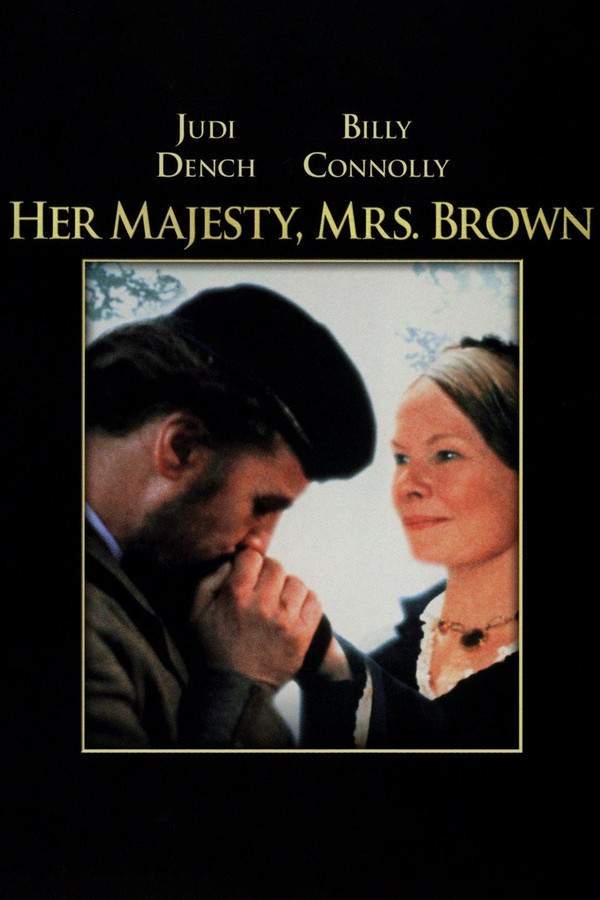
Her Majesty, Mrs. Brown (1997) Full Summary & Key Details
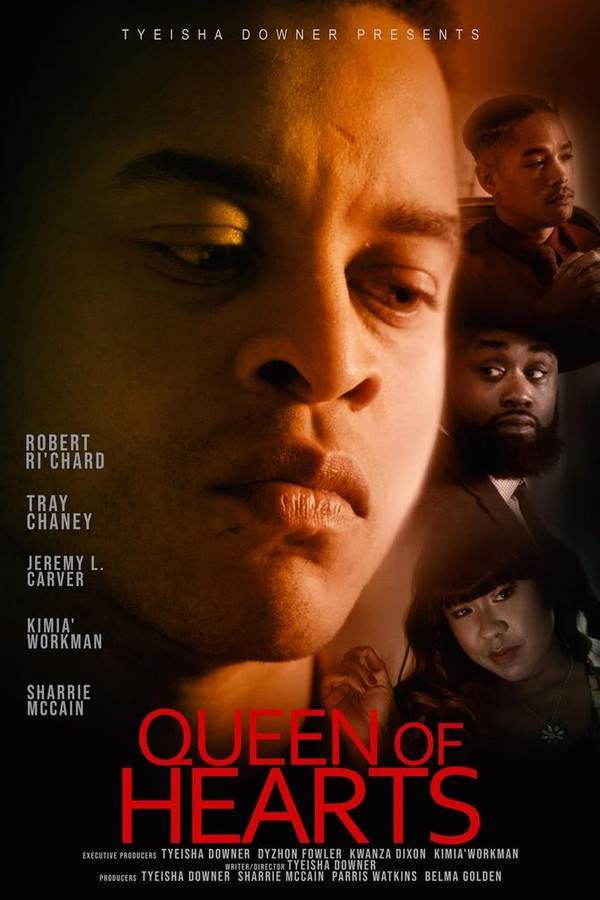
Queen of Hearts (2019) Movie Recap & Themes
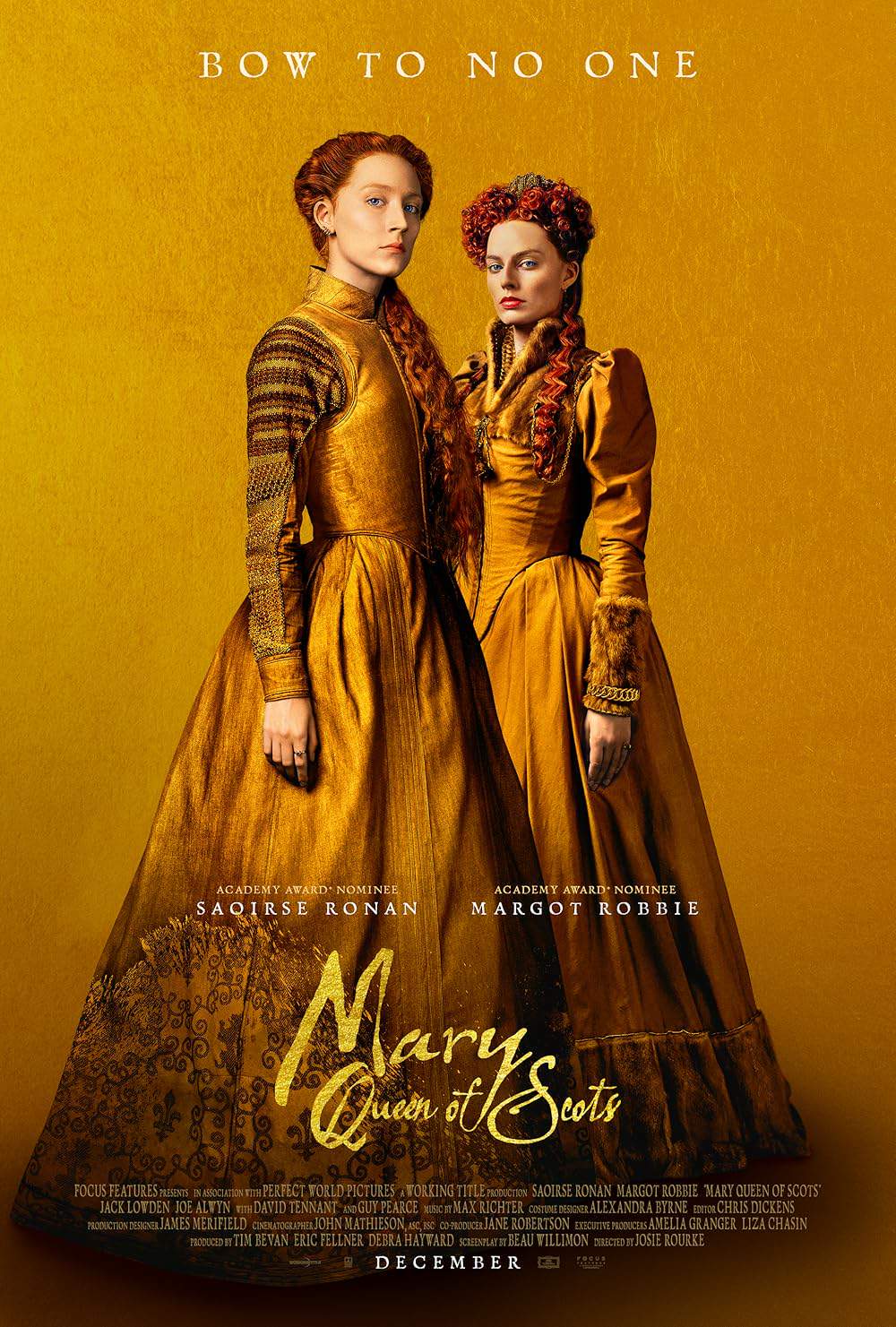
Mary Queen of Scots (2018) Spoiler-Packed Plot Recap
Farewell, My Queen (2012) Story Summary & Characters
The Heart of Me (2003) Complete Plot Breakdown
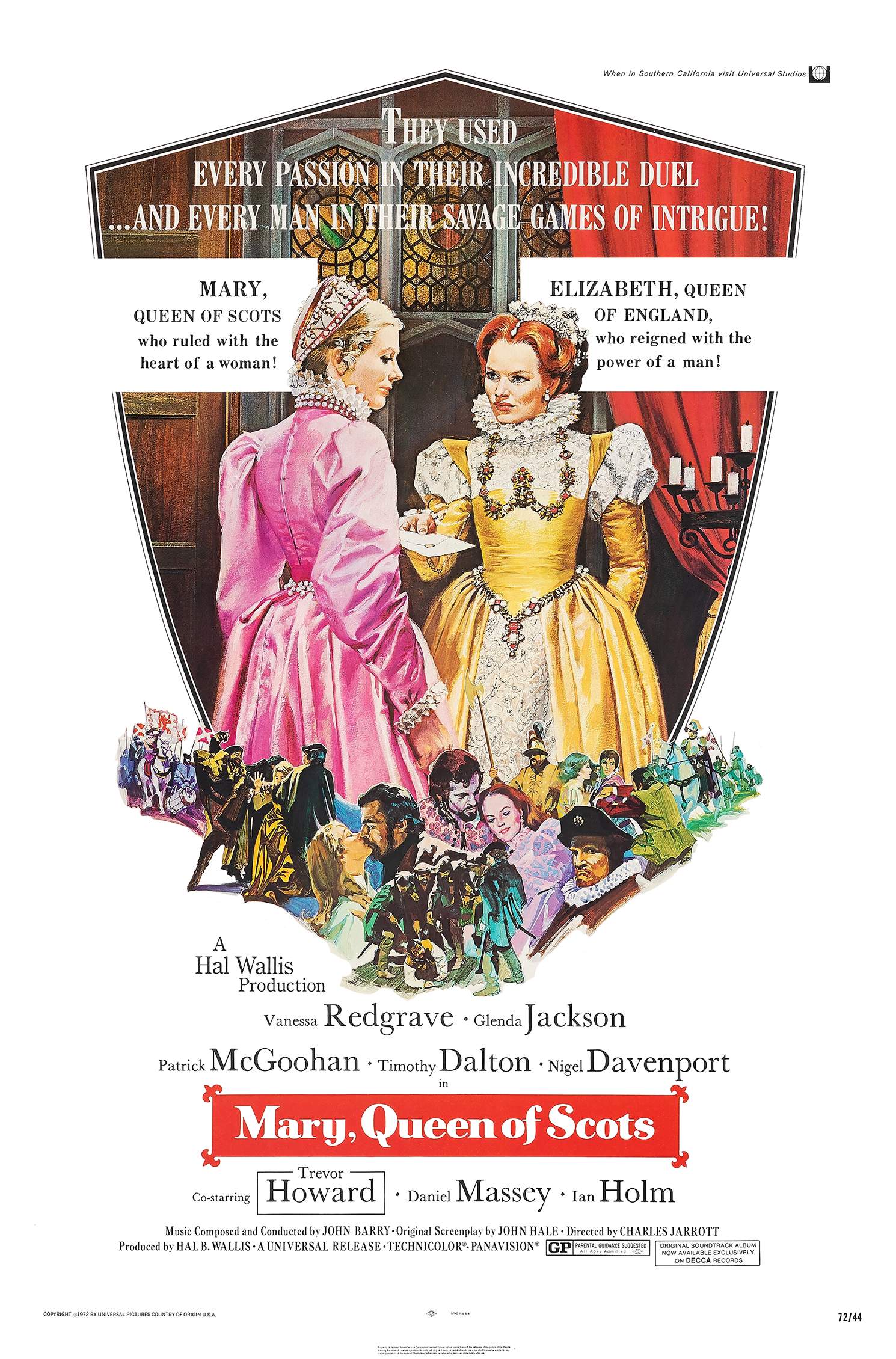
Mary, Queen of Scots (1971) Ending Explained & Film Insights
Gunpowder, Treason & Plot (1000) Complete Plot Breakdown
The Queen’s Sister (2005) Spoiler-Packed Plot Recap
The Virgin Queen (1000) Full Movie Breakdown
Queen of Hearts (1986) Story Summary & Characters
The Queen of Hearts (2021) Film Overview & Timeline
The Sword and the Rose (1953) Story Summary & Characters
Tudor Rose (1936) Full Summary & Key Details
Mary of Scotland (1936) Spoiler-Packed Plot Recap
A Simple Heart (2008) Film Overview & Timeline