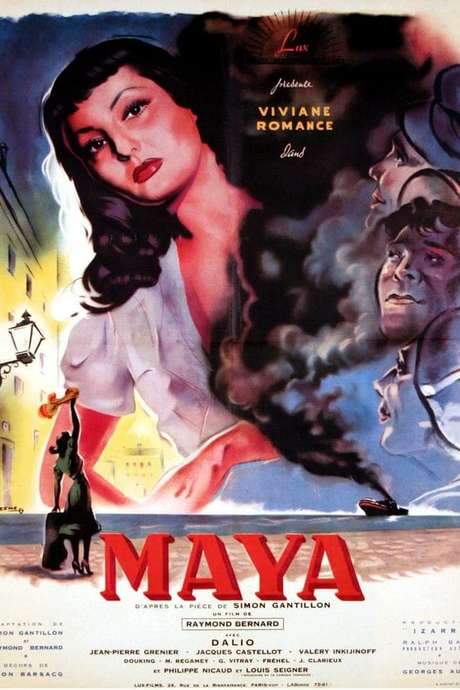
Ashok, a struggling screenwriter who directed a critically acclaimed short film named Anba, hopes his next project will be a feature-length, more commercial movie. Yet with no solid script, he searches for a spark that can sustain a full-length story. One day, while watching his wife Maya, Aarshi Banerjee in a tender moment, a seed of an idea takes root and refuses to let go.
He begins by riffing on a love story, but the concept keeps mutating as he tests different worlds. In one version, the plot unfolds in college, with Maya as a boxer—a strong, fearless figure—while the male lead is emotionally fragile and rebellious. In another, Maya becomes a social activist who laments the country’s failures, with the male protagonist depicted as emotionally distant. The tension peaks when, in this imagined arc, Maya is struck by a lorry and dies, leaving Ashok heartbroken but determined to honor her memory by trying to change the world through his art.
After pitching this idea, Ashok considers a boxing-centric tale but quickly abandons it, choosing instead to pursue a more personal, human-centered approach. Yet the creative process keeps pushing him toward fresh configurations, and he veers toward a kitchen-set narrative as well. In that version, the characters become chefs, and the setting is a single, pressure-filled kitchen. The inner voice within Ashok questions why the action must happen in such a confined space, so he reframes the female character as someone from a wealthy, strict family who adheres to schedules and rules, while the male character is an insomniac unable to rest. One night, the two end up locked inside the kitchen, sharing every emotion, fear, and longing. The strain of their confinement takes a physical toll—the male suffers a fatal cardiac arrest, suggesting that the remedy for insomnia might be an eternal sleep. The inner voice pushes toward tragedy, but Ashok pushes back with a counterpoint: “this isn't what real life is, what has ever ended well?”
He then revisits the memory of Anba, reflecting on how it was received as a commercially successful fantasy while also feeling that its realism gave it depth. The tension between commercial appeal and truthful portrayal becomes a running theme for him, a reminder that even popular cinema can strive for authenticity.
Inspired by this back-and-forth between imagination and reality, Ashok shifts his gaze to a different concept: a film about a real writer who struggles with loneliness and lacks a steady support system. Exhausted by isolation, he creates an imaginary wife to stand beside him as a source of inspiration for his new stories—an invention drawn from elements of his own life. This device unlocks his creativity, and he begins drafting a new script that centers on the figure of Maya, weaving memory, longing, and invention into a singular, evolving narrative.