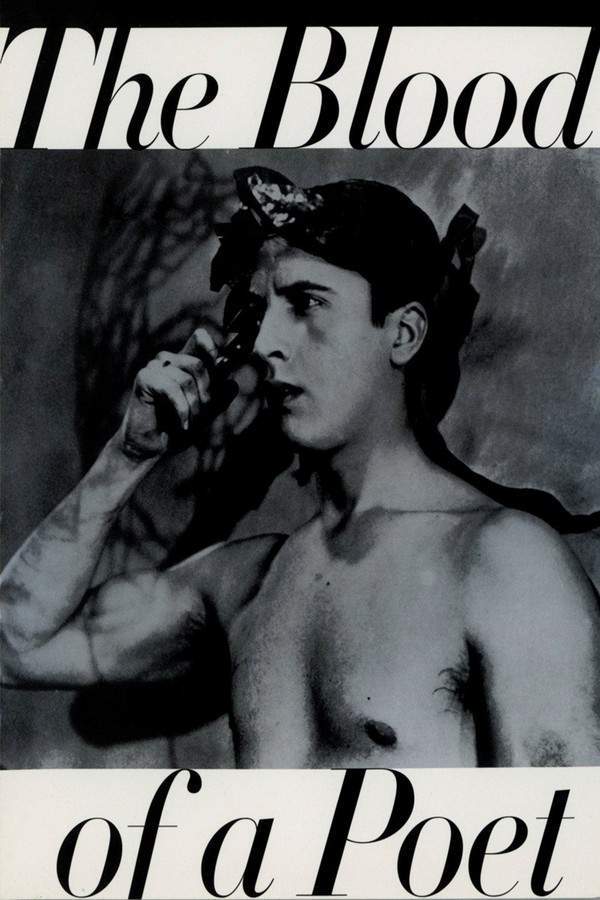
The Blood of a Poet
Year: 1933
Runtime: 55 min
Language: French
Director: Jean Cocteau
Esteemed filmmaker Jean Cocteau crafts a surreal and dreamlike exploration of a poet's creative process and emotional landscape. Through a series of striking vignettes, the film delves into the depths of imagination, revealing a world unbound by reality where feelings are intense and memories intertwine. It’s a poetic journey into the mind of an artist.
Where to Watch The Blood of a Poet?
Find where to stream, rent, or buy The Blood of a Poet (1933) in the US with current JustWatch availability, up-to-date pricing, and platform listings for subscription, rental, and digital purchase options.

Streaming availability powered by 
Warning: spoilers below!
Haven’t seen The Blood of a Poet yet? This summary contains major spoilers. Bookmark the page, watch the movie, and come back for the full breakdown. If you're ready, scroll on and relive the story!
The Blood of a Poet (1933) – Full Plot Summary & Ending Explained
Read the complete plot breakdown of The Blood of a Poet (1933), including all key story events, major twists, and the ending explained in detail. Discover what really happened, and what it all means.
As The Blood of a Poet unfolds, it weaves a rich tapestry of surreal vignettes centered around the enigmatic artist (played by Odette Talazac). The journey begins as the artist's canvas comes alive with an anxious face, which unexpectedly stirs with life. In a frantic attempt to erase this vivified face, he is left puzzled when its mouth migrates to his palm. As he curiously experiments with this temporary feature, exhaustion soon overtakes him, leading him into a deep slumber. Upon awakening, he decides to transfer the mouth to a statue of a female figure, which serves as the catalyst for a dreamy odyssey.
The second act envelops us in a fantastical realm where the artist, embarking through a mystical mirror, arrives in an extravagant hotel. From behind keyholes, he witnesses the hidden desires and secrets of various characters, including an opium enthusiast and a hermaphrodite, exposing the vulnerabilities of human nature. In this topsy-turvy world, he receives a gun and follows the eerie guidance of a disembodied voice, urging him toward his own demise. However, rather than succumbing, he jolts back to reality, his frustrations culminating as he shatters the statue with a mallet.
The third segment takes us to a snow-blanketed landscape, where children engage in a joyful snowball fight. This peace is abruptly disrupted when a mischievous boy hurls a marble chunk, striking an unsuspecting victim. This violent twist sets a foreboding tone for the climax, wherein a card shark finds himself embroiled in a high-stakes game with a mysterious woman, all atop the lifeless form of the young boy. As tension mounts, a gathering theatre party becomes transfixed by the dramatic unfolding of events.
As the stakes reach a fever pitch, the card shark unearths an Ace of Hearts from the deceased boy's pocket, only for it to be effortlessly pilfered by his guardian angel. This otherworldly figure envelops the fallen child before ascending a staircase, leaving the card shark in a state of devastation. Realizing he has lost everything, he takes the ultimate step, ending his life as the audience erupts in applause. In the film's poignant denouement, a female player transforms into the statue previously encountered, elegantly walking away into the snow-covered landscape, leaving no footprints behind.
In these concluding moments, a cascade of dream-like images floods the screen, showcasing spinning wire models of a human head and swirling double-sided masks, all of which elegantly blur the line separating reality from fantasy. Through this mesmerizing cinematic journey, the boundaries between art and life dissolve, leaving the viewer to contemplate the profound mysteries at the intersection of creativity and mortality, as the artist navigates a realm where the laws of physics remain mere suggestions.
Last updated: November 18, 2024 at 20:52
The Blood of a Poet (1933) Plot Questions Answered – Summary FAQ
Explore frequently asked questions about The Blood of a Poet (1933) with spoiler-rich answers covering the full plot summary, major story beats, character motivations, hidden details, and ending meaning. This movie summary FAQ helps explain confusing scenes, plot twists, and narrative decisions in clear, searchable detail.
Why does the mouth migrate from the canvas to the artist's palm?
The mouth迁移 represents the blurring between art and artist, the creative work becoming part of the creator himself. When the artist tries to erase the living face from his canvas, the act of creation becomes physically bonded to him, suggesting that an artist cannot separate themselves from what they create. This transformation sets the theme that artistic creation has real, tangible consequences beyond the canvas.
Earlier, the canvas coming alive already预示了艺术创作获得了自主生命
Why does the artist transfer the mouth to the statue?
The artist transfers the mouth to the female statue as an attempt to rid himself of this unwanted piece of his creation. By moving it to an inanimate object, he hopes to sever the connection between himself and this disturbing manifestation of his art. However, this act inadvertently brings the statue to life and triggers his journey into the dream world.
Why does the disembodied voice urge the artist toward death?
The disembodied voice in the hotel represents the darker aspects of artistic creation, the self-destructive impulses that drive artists toward despair. It serves as a manifestation of the artist's own inner doubts and the crushing weight of creative ambition. The voice attempts to push him toward suicide, mirroring the theme that artistic genius often comes with profound personal cost.
The voice's urging connects to the melancholic tone established in the studio when the canvas first came alive with anxiety
Why does the card shark commit suicide after the guardian angel appears?
The card shark takes his own life because he has lost everything, the game, his hope, and ultimately any sense of meaning. When the guardian angel ascends with the dead boy, it represents the final loss of innocence and the crushing weight of guilt for his role in the boy's death. Unable to bear this psychological devastation, he chooses to end his life as the audience applauds, highlighting the film's exploration of human desperation.
The card shark's earlier greed and willingness to gamble atop a dead body set the stage for his psychological collapse
What does the Ace of Hearts found in the boy's pocket symbolize?
The Ace of Hearts represents lost innocence and the corrupted purity of childhood. The boy dies innocently during a snowball fight, yet the card shark exploits his death by using his body as a card table. Finding the Ace of Hearts in the boy's pocket underscores the tragedy, the child possessed a symbol of love and hope that the corrupt adult world destroys and exploits.
What is the significance of the guardian angel appearing for the dead boy?
The guardian angel represents the transcendence of innocence and the hope that the child's soul is not lost to the darkness of the adult world's corruption. By enveloping the boy and ascending a staircase, the angel suggests that despite the brutal violence and exploitation surrounding his death, there remains a spiritual possibility for peace and redemption.
Why does the female player transform into the statue at the end?
The transformation completes a circular narrative, the statue the artist attacked in his studio reappears as the female player walking away. This suggests that art and life are intertwined in an endless cycle. The female figure represents muse or artistic inspiration, and her transformation signifies that the boundaries between creator and creation have completely dissolved by the film's end.
The artist shattered the statue earlier, yet it reappears whole, suggesting art transcends physical destruction
How do the different vignettes in the film connect to each other?
The vignettes are connected through the recurring motif of the artist and the statue, with each segment exploring different aspects of artistic creation, mortality, and the human psyche. The artist's journey through the mirror creates a framework where seemingly unrelated scenes, the hotel, the snowball fight, the card game, are all manifestations of his dreamlike exploration of creativity's relationship with death and despair.
Why does the transformed statue walk through the snow without leaving footprints?
The absence of footprints suggests the figure has transcended physical reality, becoming something beyond normal human existence, much like the dream logic governing the entire film. This magical detail reinforces the film's theme that art exists outside the laws of physics and mortality. The figure moves between worlds without being bound by them.
Why does the peaceful snowball fight turn to violence with the marble chunk?
This sudden shift represents how innocence can quickly corrupt into violence, a microcosm of the film's exploration of human nature's darker potentials. The children, symbols of purity, become agents of death when one hurls a marble chunk instead of snow. This foreshadows the adult world's violence and sets the tone for the card shark's tragic descent.
The peaceful scene is deliberately contrasted with the violent turn to establish the film's exploration of human fragility
Why does the artist shatter the statue with a mallet after returning to reality?
The artist destroys the statue in a moment of frustration and rejection of the disillusionment he experienced in the surreal hotel world. By smashing the female figure, he attempts to break free from the artistic vision that has consumed him. However, this violent act against his own creation does not end the cycle, the statue returns in the final scene, proving art cannot be destroyed so easily.
What is the purpose of the artist watching characters through keyholes in the hotel?
The keyhole scenes function as a window into human vulnerability and hidden desires. By peering through keyholes, the artist observes the opium enthusiast, the hermaphrodite, and others in their private moments, revealing the secrets people hide. This voyeurism underscores the film's exploration of the complexities and hypocrisies of human nature.

Explore Movie Threads
Discover curated groups of movies connected by mood, themes, and story style. Browse collections built around emotion, atmosphere, and narrative focus to easily find films that match what you feel like watching right now.
Surreal dream journeys like The Blood of a Poet
Films that dive into a dreamlike world of symbols, memories, and unfiltered feelings.Explore movies like The Blood of a Poet that dive into surreal, dreamlike narratives. If you enjoyed its symbolic exploration of the unconscious mind, you'll find similar poetic and non-linear films here that challenge reality and delve into the world of dreams and imagination.
The Blood of a Poet
1933

The Voice of the Moon
1990
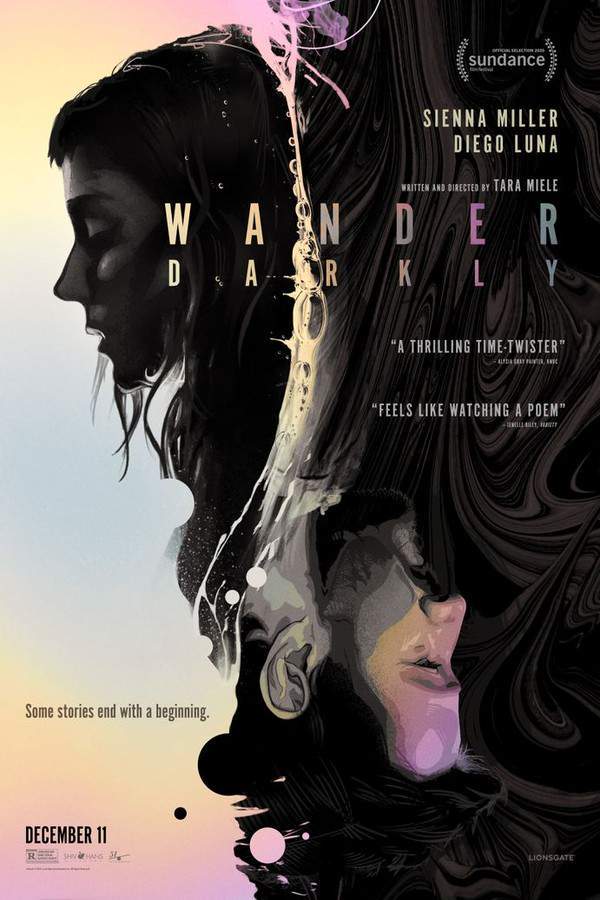
Wander Darkly
2020
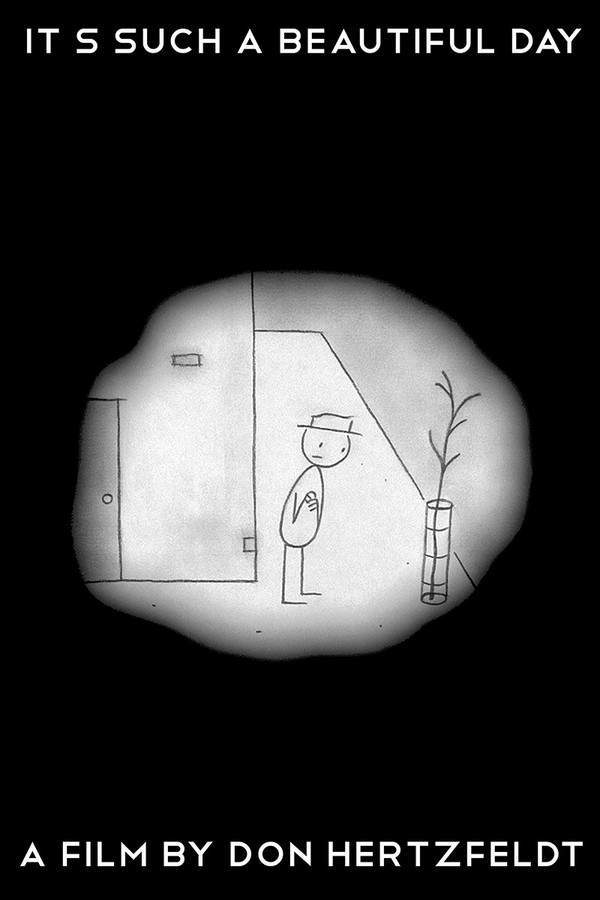
It's Such a Beautiful Day
2012
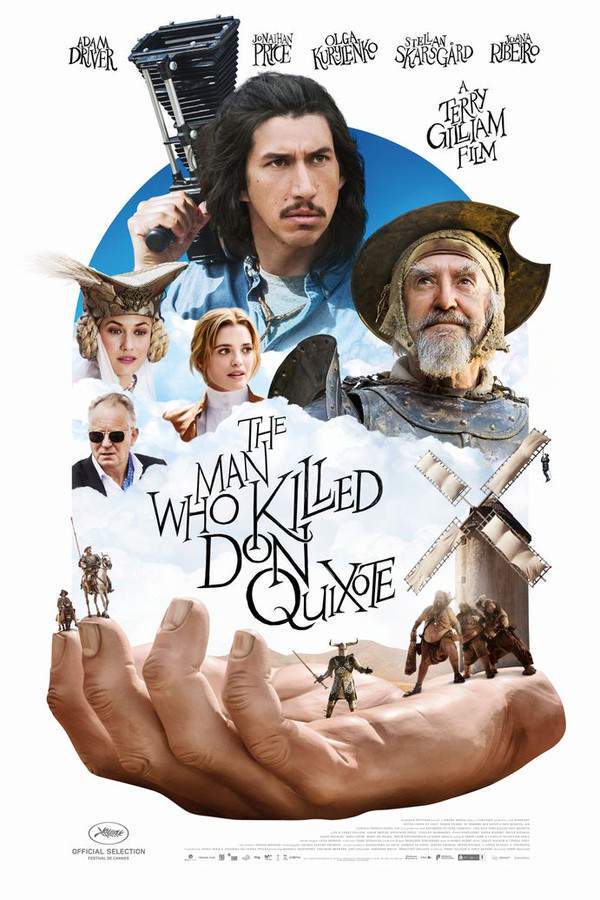
The Man Who Killed Don Quixote
2019

An Egyptian Story
1982
Reprise
2008
Mahler
1974
Millennium Actress
2003

Valley of Flowers
2007

The Dust of Time
2008

Masculine Feminine
1966

Saint Clara
1996
Koyaanisqatsi
1983

The Apartment
1996
Narrative Summary
Narratives in this thread are often non-linear and fragmented, unfolding more like a series of visions or connected dreams than a conventional plot. The journey is internal, focusing on a character's psychological state, creative process, or confrontation with abstract concepts like memory and desire through powerful symbolism.
Why These Movies?
These films are grouped by their shared commitment to a dreamlike aesthetic, a melancholic and contemplative tone, and a focus on exploring internal, psychological realms. They use surreal imagery to convey complex emotions and ideas, creating a uniquely immersive and thought-provoking viewing experience.
Movies about artistic melancholy like The Blood of a Poet
Stories that explore the intense emotional toll and isolation of the creative process.Discover films similar to The Blood of a Poet that explore the melancholic side of artistic creation. If you were captivated by its portrayal of a poet's emotional landscape, you'll find other stories here about the struggles, anxieties, and deep introspection faced by artists.
The Blood of a Poet
1933
Film Geek
2024
Postcards from London
2018
Echotone
2011
Woman on the Beach
2008
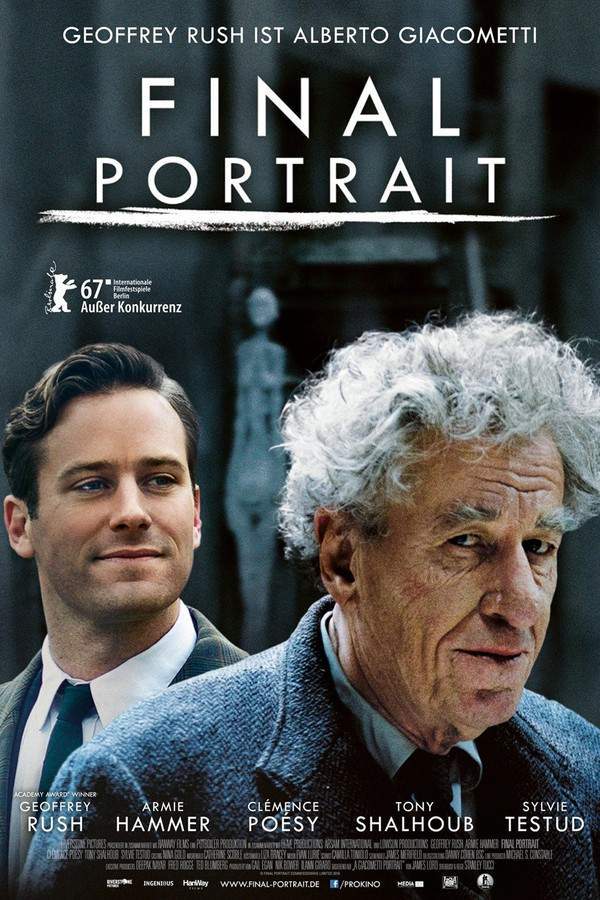
Final Portrait
2018
Passion
1983

The Forest for the Trees
2003
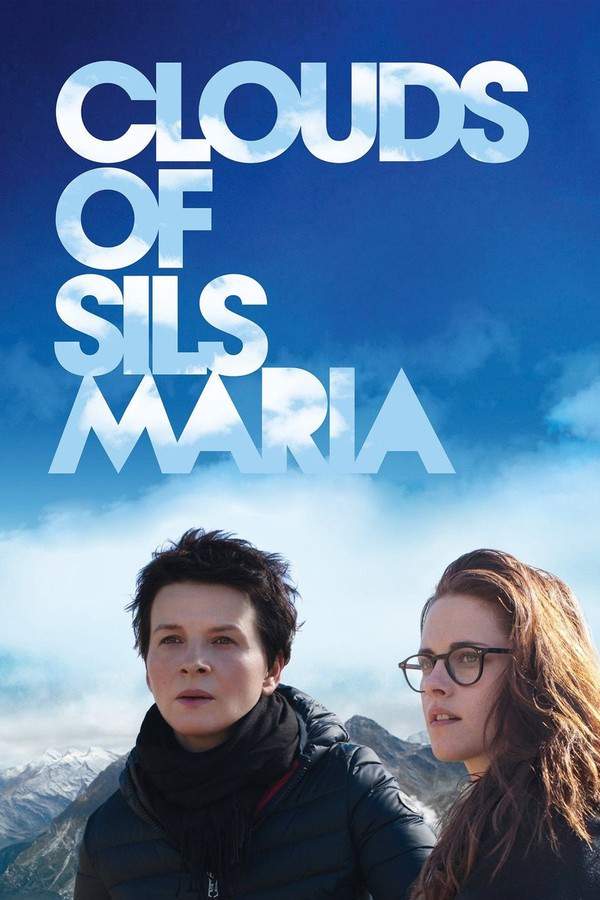
Clouds of Sils Maria
2015

La Belle Noiseuse
1991
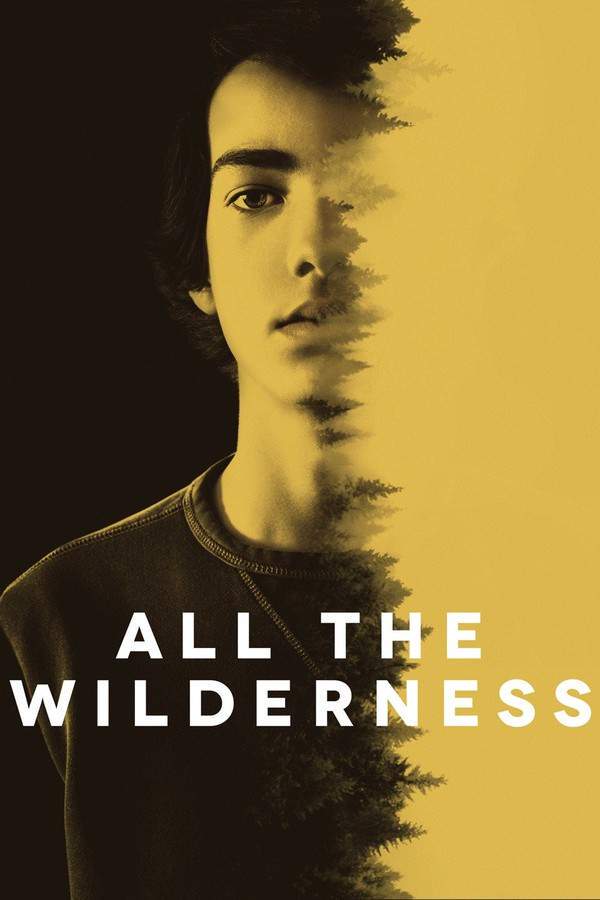
All the Wilderness
2015
The Voice of the Moon
1990
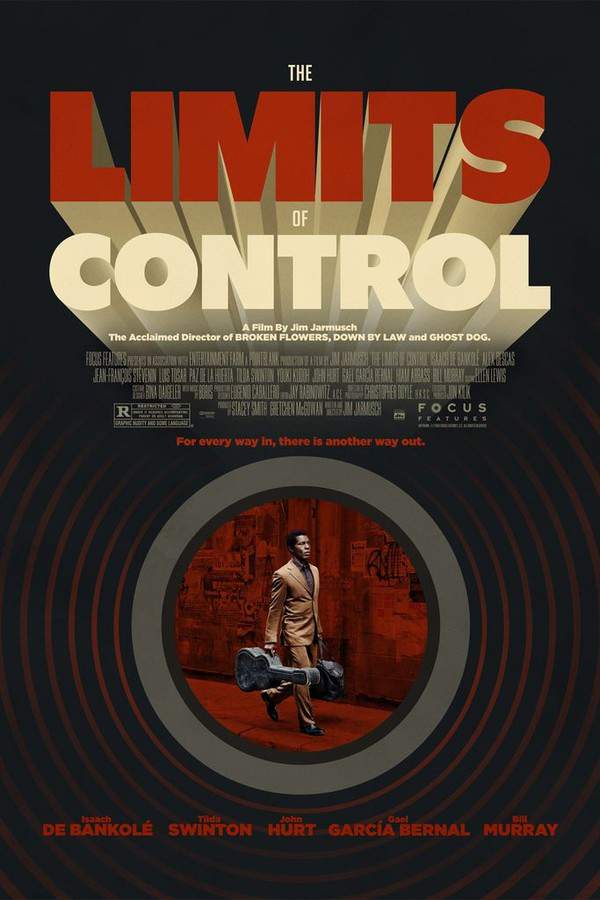
The Limits of Control
2009
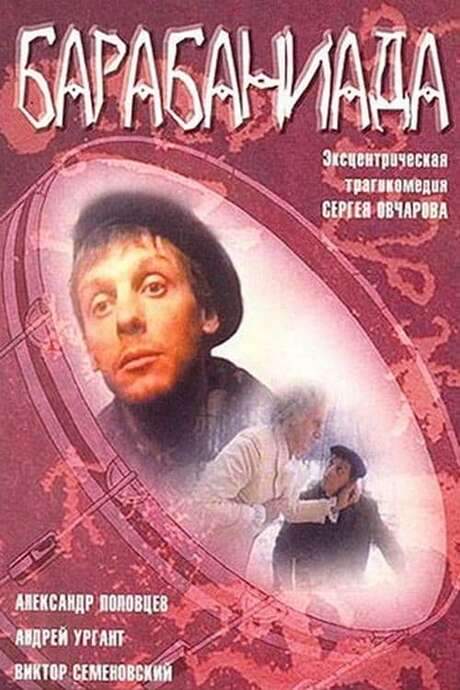
Drumroll
1993
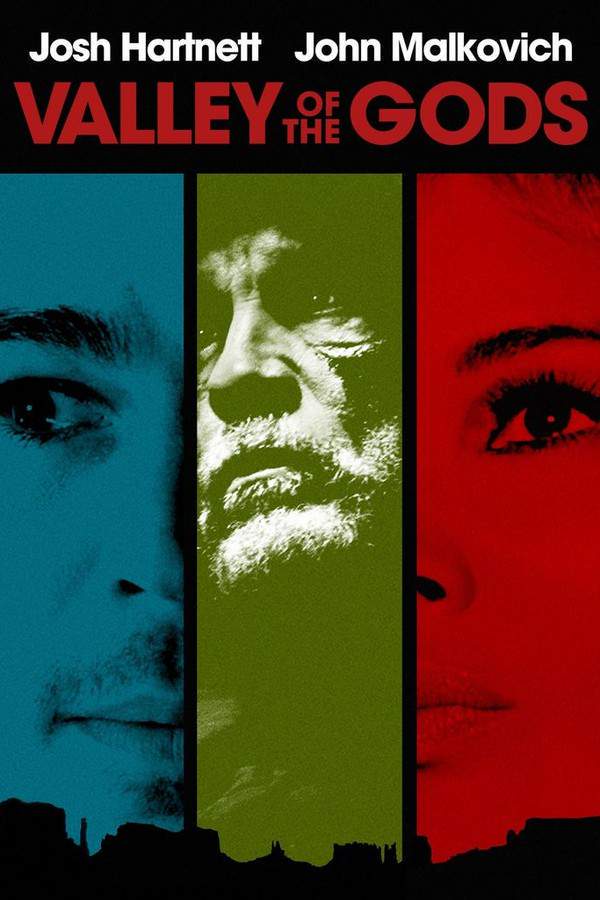
Valley of the Gods
2020
Narrative Summary
The narrative pattern follows an artist grappling with their craft, often facing a crisis of inspiration, confronting mortality, or becoming lost in the blurry boundary between their art and reality. The journey is introspective, filled with symbolic challenges that externalize their internal conflicts and emotional vulnerabilities.
Why These Movies?
These movies share a central focus on the creative process as a source of both profound meaning and deep sorrow. They are united by a melancholic tone, a theme of isolation, and a portrayal of art as an intense, often painful, engagement with the deepest parts of the self.
Unlock the Full Story of The Blood of a Poet
Don't stop at just watching - explore The Blood of a Poet in full detail. From the complete plot summary and scene-by-scene timeline to character breakdowns, thematic analysis, and a deep dive into the ending - every page helps you truly understand what The Blood of a Poet is all about. Plus, discover what's next after the movie.
The Blood of a Poet Timeline
Track the full timeline of The Blood of a Poet with every major event arranged chronologically. Perfect for decoding non-linear storytelling, flashbacks, or parallel narratives with a clear scene-by-scene breakdown.

Characters, Settings & Themes in The Blood of a Poet
Discover the characters, locations, and core themes that shape The Blood of a Poet. Get insights into symbolic elements, setting significance, and deeper narrative meaning - ideal for thematic analysis and movie breakdowns.


