Plot Explained Spoilers guaranteed!
Plot Explained

Browse by genre

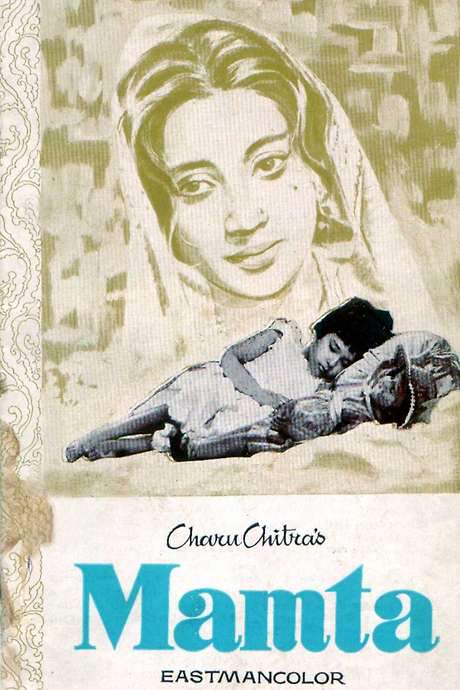
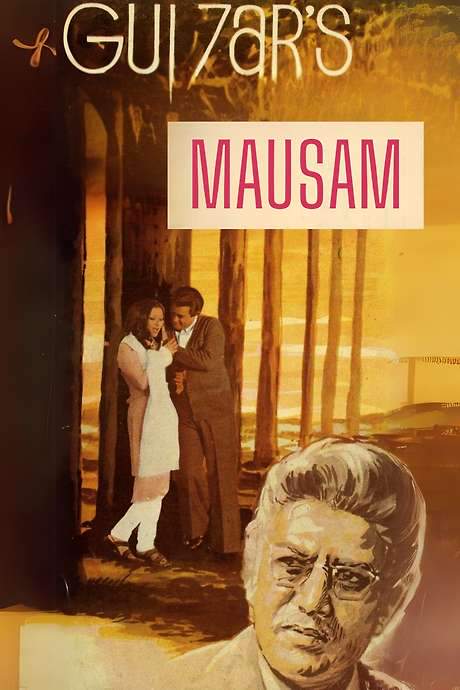
Mausam (1975) movie poster

Characters & Themes

Mausam (1975) Characters, Setting & Themes Explained

Release, runtime and language
1975 · 156 mins · Hindi
Loading streaming availability…
Directed by
Gulzar
Starring
Sharmila Tagore, Dina Pathak, Sanjeev Kumar, Om Shivpuri, Agha

Amarnath Gill, a medical student in Darjeeling, sprains his leg and is treated by healer Harihar Thapa. He sleeps with Harihar’s daughter Chanda, promises to return, then disappears. Twenty‑five years later he returns, learns Harihar is dead, Chanda was married, went mad and died. He finds her daughter Kajli, a prostitute, and must confront his guilt.

On this page (8)
  1. 1 Where to watch
  2. 2 Characters explained (4)
  3. 3 Where & when it takes place
  4. 4 Themes & meaning (3)
  5. 5 Character & meaning questions
  6. 6 Movie threads
  7. 7 Movies like Mausam
  8. 8 Every angle
Loading streaming availability…

4 main characters · contains spoilers

Mausam Characters Explained: Who Is Who

The main characters of Mausam (1975), heroes and villains: what drives them, how they change over the course of the story and what each of them reveals about the film's bigger ideas.

  • Dr. Amarnath Gill

    played by Sanjeev Kumar

    A physician who visits Darjeeling to prepare for his exams and falls in love with Chanda. He leaves for Calcutta, promises to return, and spends years building wealth, only to discover the ruinous consequences of his absence. His guilt drives him to try to rehabilitate Kajli and atone for the past he cannot undo.

    • 💔 Guilt
    • ❤️ Love
    • 🗺️ Duty
  • Chanda

    played by Sharmila Tagore

    The daughter of Harihar Thapa and the mother of Kajli, Chanda's romance with Amarnath sets the plot in motion. She marries a crippled old man and bears Kajli, but her life spirals into tragedy, ending in madness and death. Her memory haunts Amarnath as a symbol of lost innocence and enduring love.

    • 💖 Love
    • 😢 Tragedy
    • 🌹 Sacrifice
  • Kajli

    played by Sharmila Tagore

    Chanda's daughter who bears the scars of childhood abuse and ends up in a brothel after being molested by her mother's brother-in-law. Amarnath buys her to reform her, and she alternates between longing for a normal life and returning to her past. Her resemblance to Chanda complicates Amarnath's sense of guilt and longing as she searches for belonging.

    • 💔 Trauma
    • 🕊️ Redemption
    • 🧭 Identity
  • Harihar Thapa

    played by Om Shivpuri

    A local healer and the father of Chanda, whose death sets the stage for the later search and tragedy. His life provides the lineage and context for Chanda's story, and his absence echoes in Kajli's fate. His memory frames the family tragedy that drives the plot forward.

    • 🕊️ Healer
    • 👪 Family
    • ⚰️ Death

Last updated: October 04, 2025 at 15:20

Was this helpful?

Setting

Where and When Does Mausam Take Place?

The setting of Mausam (1975): the year and time period, the places and locations, and how they shape the characters, the mood and the tension of the story.

Time period

Location

Darjeeling, Calcutta

Darjeeling is a hill town in the foothills of the Himalayas, known for its tea gardens and foggy mornings that frame the early romance between Amarnath and Chanda. The town's tranquil altitude provides a secluded backdrop for their encounter and the promise of return. Calcutta, a bustling urban center, represents the life Amarnath rebuilds and his eventual return to a different world, highlighting the contrast between two very different landscapes in the same story.

  • 🏔️ Darjeeling
  • 🏙️ Calcutta

Last updated: October 04, 2025 at 15:20

Was this helpful?

3 major themes

Mausam Meaning: Themes & Message Explained

What is Mausam (1975) really about? The emotional, social and philosophical themes the film keeps returning to, its symbolism and the message beneath the surface.

  • Forbidden Love

    Amarnath's love for Chanda unfolds against social constraints and personal duty. Their relationship sets in motion a chain of consequences that shape the rest of the narrative. The memory of that romance haunts Amarnath as he returns years later, guiding his actions and choices. The film uses this romance to explore how love can be both transformative and destructive.

  • Memory & Guilt

    Amarnath returns after twenty-five years to uncover the fate of Chanda and her daughter, uncovering the long shadow of his absence. He is forced to confront promises made and broken, and the way time has altered both lives. The resemblance between Kajli and her mother triggers painful memories and questions about forgiveness. The story uses memory as a catalyst for accountability and reconciliation.

  • Redemption

    Amarnath's attempt to reform Kajli represents his drive to atone for past harms, and for the wrongs that contaminated Chanda's life. Kajli's struggle to reclaim her own identity tests whether forgiveness can be earned or only hoped for. The moral tension culminates in a choice to seek home and belonging rather than vengeance. The ending suggests a fragile chance at redemption as they drive home together.

Last updated: October 04, 2025 at 15:20

Was this helpful?

Character & theme questions

Mausam Characters & Meaning: Your Questions Answered

The questions people ask about Mausam (1975): who the characters really are, their relationships, what the symbols mean, where it takes place and what the movie is really about. Each answer contains spoilers.

Q1

Where is Mausam set?

The film is set in two contrasting locations in India: the hill town of Darjeeling in the Himalayas, known for its tea gardens and foggy mornings, and the bustling metropolis of Calcutta. Darjeeling serves as the intimate backdrop for the early romance between Amarnath and Chanda, representing a secluded, tranquil world, while Calcutta symbolizes the urban life Amarnath builds after leaving.

  • darjeeling
  • calcutta
  • setting
  • locations
  • himalayas
  • india
Q2

When does Mausam take place?

The story spans twenty-five years, beginning in the late 1940s or early 1950s when Amarnath is a medical student in Darjeeling. He returns a quarter-century later to find the devastating consequences of his absence, with the narrative following a linear timeline that traces how broken promises echo across generations.

  • time period
  • era
  • 25 years
  • timeline
  • flashback
Q3

What are the main themes of Mausam?

Mausam explores three interconnected themes: forbidden love that unfolds against social constraints, memory and guilt that drive Amarnath's return after twenty-five years, and redemption as he attempts to atone for the destruction his absence caused. The film examines how love can be both transformative and destructive, and whether forgiveness is possible after profound betrayal.

  • themes
  • forbidden love
  • guilt
  • redemption
  • memory
  • forgiveness
Q4

What does Mausam say about broken promises?

The film presents a stark portrayal of how a single broken promise can devastate multiple lives across generations. Amarnath's departure destroys Chanda's life, leading to her tragic fate, and casts a long shadow over her daughter Kajli. The story uses this central act of abandonment to explore accountability, the impossibility of undoing past harm, and whether redemption can ever truly be earned.

  • broken promise
  • accountability
  • consequences
  • abandonment
Q5

Who is Amarnath Gill?

Amarnath Gill is a medical student who comes to Darjeeling to prepare for his exams and falls in love with Chanda, the daughter of local healer Harihar Thapa. After their romance, he leaves for Calcutta with a promise to return, builds a wealthy life as a physician, but returns twenty-five years later to discover the ruinous impact of his absence. His guilt drives his attempt to reform Chanda's daughter Kajli as a form of atonement.

  • amarnath gill
  • protagonist
  • doctor
  • character role
Q6

Who is Chanda?

Chanda is the daughter of healer Harihar Thapa and the mother of Kajli. Her brief romance with Amarnath sets the entire plot in motion. After Amarnath abandons her, she is forced to marry a crippled old man, bears his child (Kajli), and her life spirals into tragedy, ending in madness and death. She becomes a symbol of lost innocence and enduring love that Haunts Amarnath throughout his life.

  • chanda
  • female lead
  • tragedy
  • harihar thapa's daughter
Q7

Who is Kajli?

Kajli is the daughter of Chanda and the man she was forced to marry. She bears the scars of childhood abuse, including molestation by her mother's brother-in-law, which leads her to end up in a brothel. Amarnath buys her freedom to reform her, and her striking resemblance to Chanda intensifies his guilt. She struggles between longing for a normal life and being pulled back by her past, ultimately representing the next generation affected by Amarnath's broken promise.

  • kajli
  • daughter
  • prostitution
  • redemption
  • second generation
Q8

What is the significance of Darjeeling in Mausam?

Darjeeling represents an isolated, romantic world where Amarnath and Chanda's love affair unfolds against the backdrop of foggy mornings and tea gardens. Its tranquil altitude provides seclusion from the outside world, making it the perfect setting for their passionate but ultimately doomed romance. The town's peaceful atmosphere contrasts sharply with the urban chaos of Calcutta that Amarnath chooses over his promise to return.

  • darjeeling
  • setting
  • tea gardens
  • romance location
  • contrast
Q9

What is the ending of Mausam about?

The film ends on a bittersweet note with Amarnath and Kajli driving home together, representing a fragile chance at redemption and a chosen family. However, this hope is tempered by the immense loss and suffering that preceded it, Chanda's madness and death, Kajli's trauma, and the destruction of an entire family line. The ending suggests forgiveness is possible but remains uncertain and hard-won.

  • ending
  • bittersweet
  • redemption
  • hope
  • forgiveness
  • resolution
Q10

Is Mausam based on a true story?

Mausam is not based on a true story but adapts the Punjabi folk tale 'Heer Ranjha' by Waris Shah, which explores themes of forbidden love, separation, and tragic romance. The film's narrative transfers these classic elements to a contemporary Indian setting, using the traditional tale's framework to examine how passionate love can lead to destruction when meets social constraints and personal duty.

  • heer ranjha
  • adaptation
  • punjabi folklore
  • classic tale
  • source material
Q11

What does Calcutta represent in Mausam?

Calcutta represents the world Amarnath chooses over his promise to return to Chanda, a bustling urban center where he builds wealth and a new life. It symbolizes his abandonment of love for material success and social advancement. When he returns to Darjeeling from Calcutta decades later, he enters a completely different world, highlighting the stark contrast between the life he built and the ruined lives he left behind.

  • calcutta
  • urban
  • abandonment
  • contrast
  • material life
Q12

What is the emotional tone of Mausam?

Mausam maintains a steady, melancholic tone throughout, driven by heavy emotional themes rather than plot-driven tension. The film explores difficult subject matter including mental illness, sexual exploitation, and generational trauma without relying on humor to lighten the mood. The romance, while the catalyst for the entire narrative, is presented more as a source of lifelong pain than a source of joy. Despite the darkness, the tone avoids being bleak by offering a fragile possibility of redemption.

  • tone
  • melancholy
  • emotional
  • dark themes
  • bittersweet
  • mood

Movie threads

More Movies Like Mausam, by Mood & Story

Curated lists built around what makes Mausam tick: the same mood, the same kind of story or the same emotional payoff. Each list explains why these movies belong together.

Movies about generational trauma and redemption like Mausam

Stories where the sins of the past must be faced to heal the wounds of the present. If you liked Mausam's exploration of a broken promise's legacy, you'll find similar stories here. These movies focus on characters confronting past mistakes that have caused suffering across generations, leading to emotional journeys of guilt, atonement, and bittersweet redemption. Discover other heavy dramas about legacy and forgiveness.

  • regretful
  • painful
  • redemptive
  • somber
  • nostalgic
  • reflective
  • Tone: melancholic, regretful, redemptive
  • Pacing: slow, reflective
Why these movies?

The story pattern: These stories typically follow a linear or flashback-heavy structure, moving between a pivotal event in the past and its devastating consequences in the present. The central character's journey is one of uncovering painful truths and taking responsibility, culminating in a moment of confrontation that offers a chance for healing, however incomplete.

Why they belong together: Movies are grouped here for their shared focus on intergenerational consequences, a heavy emotional tone centered on regret, and a narrative arc that moves from discovery to a difficult, redemptive confrontation. The pacing is often deliberate to allow the weight of the past to be fully felt.


Slow-burn melancholic dramas with heavy regret like Mausam

Deliberate, character-driven dramas steeped in a deep and lasting sense of loss. Find movies like Mausam that share its slow, melancholic pace and overwhelming sense of regret. These films prioritize mood and emotional weight over complex plots, often featuring reflective protagonists grappling with past actions. Perfect if you seek atmospheric, somber stories that sit with feelings of loss and nostalgia.

  • melancholic
  • somber
  • atmospheric
  • reflective
  • painful
  • nostalgic
  • Tone: melancholic, somber, painful
  • Pacing: slow, atmospheric
Why these movies?

The story pattern: Narratives in this thread unfold at a deliberate pace, allowing emotions to simmer and permeate every scene. The conflict is often internal—a character wrestling with their own history. The plot serves to deepen the central mood of regret rather than provide twists, leading to an ending that acknowledges the pain while sometimes offering a glimmer of acceptance.

Why they belong together: These films are grouped by their dominant tone of melancholy, their slow, contemplative pacing, and their focus on the emotional state of regret. The experience is less about narrative surprise and more about a consistent, immersive, and heavy emotional vibe.

If you liked this

Movies Like Mausam

Similar movies to Mausam: the same genre, themes or kind of story. Each one comes with its own plot summary, timeline and ending explained.

Browse all movie summaries

Every angle

Mausam (1975) Explained: Plot, Timeline & Characters

Everything about Mausam in one place: what happens in the plot summary, the timeline in chronological order, the characters and meaning and a spoiler-free summary. What's After the Movie adds the cast, box office and post-credit scenes.

Coming soon on iOS and Android

The Plot Explained Movie Summary App

Plot summaries, endings explained and timelines on your phone. Catch up on any movie in minutes, save your favorites and never miss a twist again.

Be the first to know when we launch. Your email stays private, always.

Learn more about the app