Year: 1983
Runtime: 141 mins
Language: Hindi
Director: Balu Mahendra
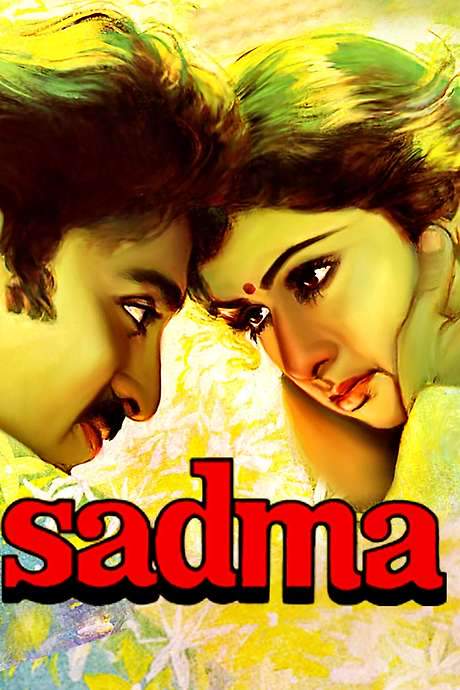
Following a head injury, a young woman regresses mentally to a childlike state. Disoriented and vulnerable, she meets a compassionate school teacher who takes her under his care, forming a deep bond as he tries to help her recover. The film is a Hindi remake of the 1982 Tamil classic “Moondram Pirai”, recreated by the original director and team.
Warning: spoilers below!
Haven’t seen Sadma yet? This summary contains major spoilers. Bookmark the page, watch the movie, and come back for the full breakdown. If you're ready, scroll on and relive the story!
Read the complete plot breakdown of Sadma (1983), including all key story events, major twists, and the ending explained in detail. Discover what really happened—and what it all means.
Nehalata, Sridevi, a young woman, suffers a car accident while returning from a party and is rushed to the hospital with severe head injuries. When she awakens, doctors diagnose retrograde amnesia, leaving her mentally regressed to the mind of a six-year-old and unable to recognize her elderly parents. As she undergoes treatment, her condition isolates her from her past life, and the family who once watched over her is left to wonder what remains of the person they knew.
During this vulnerable period, Nehalata is abducted and sold to the madam of a brothel, a brutal turn that throws her into a world far from her former life. The trauma of her memory loss and the discovery of her new vulnerability cast a shadow over everyone who cares for her, and the search for answers becomes a fragile thread that holds her family together.
Somprakash, also known as Somu, Kamal Haasan, visits the brothel with an old friend to unwind. The madam, recognizing an opportunity, sends Nehalata, renamed Reshmi, to Somu’s room. Somu immediately perceives that she is intellectually and emotionally childlike, and his pity deepens into a protective resolve. He asks her about family and background, but her memory gap is a wall that cannot be scaled, and the fragments of her life refuse to cohere into a story that can guide him to her parents.
Somu’s compassion drives him to act, and he orchestrates a quiet rescue. Rather than returning to a life of indifference, he brings Reshmi away from the brothel under the pretense of a pleasure trip and takes her to his home in Ooty, where he lives as a schoolteacher. In this hill town, an older neighbor—the kindly figure Somu calls Grandmother, Leela Mishra—offers steady support. She helps care for Reshmi, nurturing a sense of safety and routine that is new to both of them. The bond that forms between Somu and Reshmi is grounded in care and guardianship rather than romance; even as Reshmi grows familiar with Somu’s gentle presence, she remains effectively a child in many ways, and Somu accepts the limits of their relationship with quiet devotion.
The film’s tension thickens when a local woodcutter named Balua, Gulshan Grover, covets Reshmi and attempts to assault her. Reshmi manages to defend herself, and Somu’s fury erupts in protective rage, nearly driving him to violence against Balua. This surge of passion, although rooted in concern, underscores the precariousness of Reshmi’s safety and the emotional weight Somu carries for her welfare. In a parallel thread, Soni, the lonely younger wife of Somu’s middle-aged headmaster, Silk Smitha, repeatedly tries to seduce Somu, adding another layer of tension to the household’s dynamics, though Somu remains emotionally anchored to Reshmi’s well‑being.
Reshmi’s father continues to search for his daughter, publishing a newspaper advertisement and clinging to a thread of hope. A co-passenger from the train they had taken to Ooty offers a crucial lead, rekindling the possibility of reuniting the family. Meanwhile, Somu, increasingly protective, takes Reshmi to a medicine man for treatment, hoping to unlock the parts of her memory that lie dormant. The authorities eventually arrive at Somu’s house, pressing for information about Reshmi, and Somu, fearing investigation and danger, keeps himself distant from their path. Yet the medicine man’s work bears fruit: Reshmi’s memory begins to return, and she recognizes her parents, a moment of relief that is tempered by the sudden memory loss of the intervening period between the accident and recovery.
With her memories restored, Nehalata experiences a joyful reunion with her parents and prepares to leave Ooty for home. The moment of triumph, however, is tempered by the knowledge that the past has shifted and the present has brought new questions. The family departs, the police leave their place, and Somu’s world shifts into a deeper ache he cannot escape.
In the aftermath, Somu chases the departing car, then rushes to the railway station, his body battered and mud‑streaked from the chase. He calls out to Reshmi from the platform, attempting to catch her attention through a memory she cannot access. He mimics a dancing monkey—an act that had once drawn a warm response from her—but to Nehalata, now an adult in memory, the gesture seems alien and incomprehensible. She remains unable to recognize him as the train pulls away, leaving Somu standing at the station, heartbroken and alone. The film closes on a quiet, unresolved ache: a man’s steadfast care and a woman’s regained memory, set against the unanswerable distance between two people who shared a deeply human, if fragile, bond.
Last Updated: October 09, 2025 at 14:42
Discover curated groups of movies connected by mood, themes, and story style. Browse collections built around emotion, atmosphere, and narrative focus to easily find films that match what you feel like watching right now.
Stories of profound compassion between a protector and a deeply vulnerable individual.If you were moved by the compassionate guardian dynamic in Sadma, explore these films featuring profound protective bonds between characters. These movies share themes of vulnerability, selfless care, and the deep emotional weight of looking after a fragile soul.
The narrative follows a caregiver, often unexpectedly cast in the role, who forms an intense, protective bond with a vulnerable individual. The story explores the challenges, sacrifices, and profound emotional connection of this relationship, frequently culminating in a bittersweet or tragic separation as circumstances change.
These films are grouped by their central focus on a purely compassionate, guardian-like relationship. They share a heavy emotional weight, a melancholic or bittersweet tone, and explore themes of vulnerability, trauma, and the selfless act of protection, creating a similarly heart-wrenching viewing experience.
Heartbreaking dramas where characters grapple with permanent, soul-crushing change.For viewers seeking the profound sadness and melancholic atmosphere of Sadma, this list features films about irreversible loss and tragedy. These movies share a heavy emotional weight, a steady, sorrowful pace, and endings that resonate with a deep sense of heartbreak.
Stories often begin with a catastrophic event that irrevocably alters a character's life or identity. The narrative then unfolds the emotional consequences of this loss, exploring grief, longing, and the painful acceptance of a new, diminished reality. The journey is one of coping with a tragedy that cannot be undone.
They are united by their overwhelming melancholic tone and exploration of permanent, devastating loss. The pacing is typically steady to emphasize the gravity of the situation, the emotional weight is consistently heavy, and the endings are predominantly sad, creating a cohesive vibe of profound tragedy.
Don't stop at just watching — explore Sadma in full detail. From the complete plot summary and scene-by-scene timeline to character breakdowns, thematic analysis, and a deep dive into the ending — every page helps you truly understand what Sadma is all about. Plus, discover what's next after the movie.
Track the full timeline of Sadma with every major event arranged chronologically. Perfect for decoding non-linear storytelling, flashbacks, or parallel narratives with a clear scene-by-scene breakdown.
Discover the characters, locations, and core themes that shape Sadma. Get insights into symbolic elements, setting significance, and deeper narrative meaning — ideal for thematic analysis and movie breakdowns.
Get a quick, spoiler-free overview of Sadma that covers the main plot points and key details without revealing any major twists or spoilers. Perfect for those who want to know what to expect before diving in.
Visit What's After the Movie to explore more about Sadma: box office results, cast and crew info, production details, post-credit scenes, and external links — all in one place for movie fans and researchers.
Discover movies like Sadma that share similar genres, themes, and storytelling elements. Whether you’re drawn to the atmosphere, character arcs, or plot structure, these curated recommendations will help you explore more films you’ll love.
Sadma (1983) Scene-by-Scene Movie Timeline
Sadma (1983) Movie Characters, Themes & Settings
Sadma (1983) Spoiler-Free Summary & Key Flow
Movies Like Sadma – Similar Titles You’ll Enjoy
Saathiya (2002) Ending Explained & Film Insights
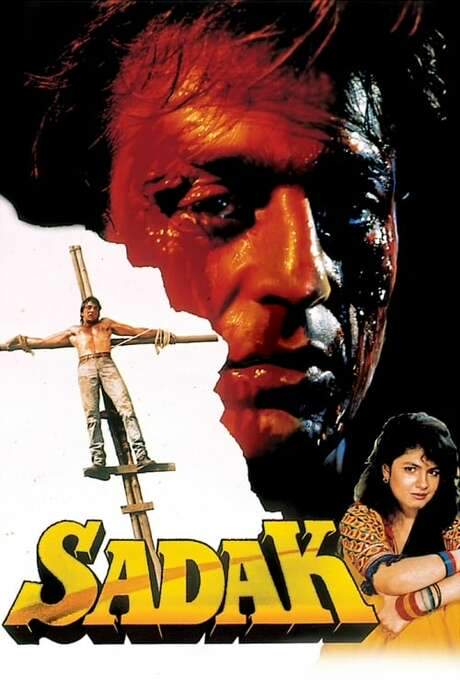
Sadak (1991) Spoiler-Packed Plot Recap
Moondram Pirai (1982) Ending Explained & Film Insights
Sad Movie (2005) Full Movie Breakdown
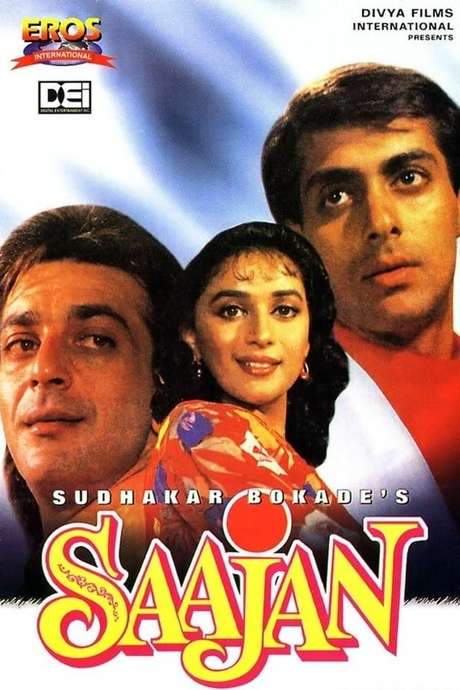
Saajan (1991) Complete Plot Breakdown
Madhuram (2021) Full Movie Breakdown
Saajan (1991) Full Summary & Key Details
Khamoshi (1969) Spoiler-Packed Plot Recap
Mausam (1975) Spoiler-Packed Plot Recap
Mamta (1966) Story Summary & Characters
Saathi (1968) Story Summary & Characters
Sharada (1957) Story Summary & Characters
Daaera (1953) Full Summary & Key Details
Sadhna (1958) Full Movie Breakdown
Amar Prem (1972) Detailed Story Recap