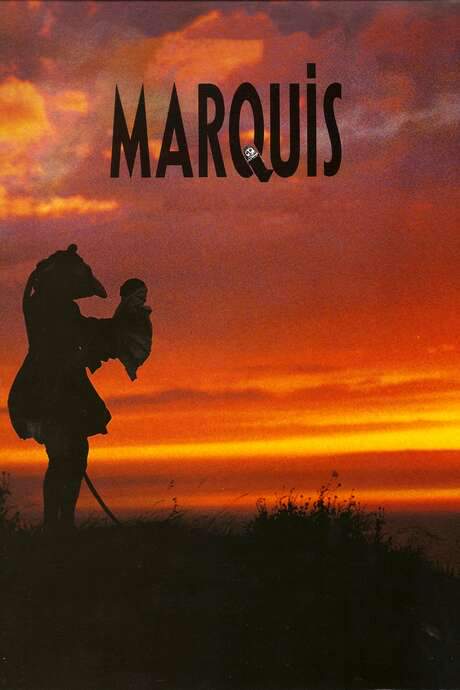
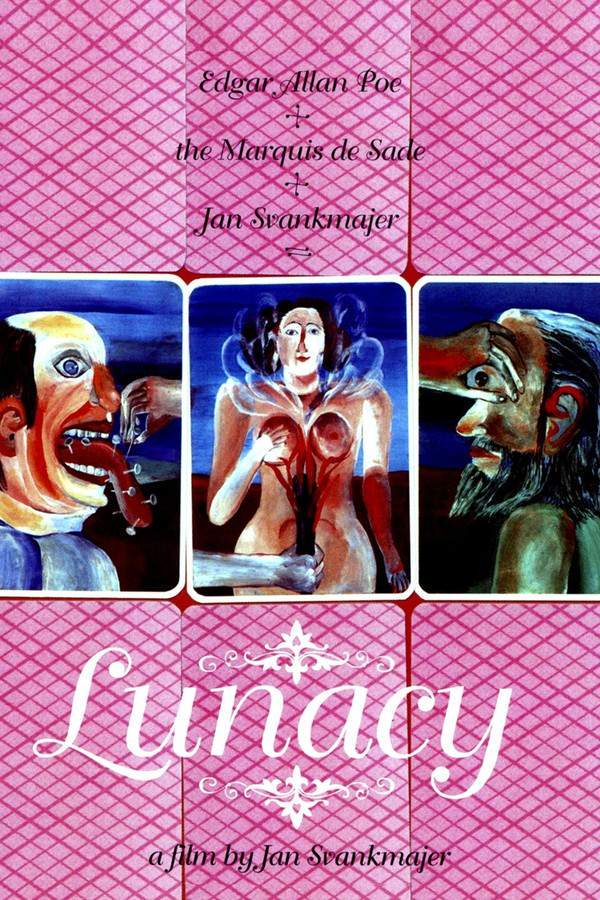
In a fever‑dream vision of pre‑revolutionary France, the stone‑cold walls of the Bastille loom over a city trembling on the edge of upheaval. The atmosphere hums with whispered pamphlets, clattering chains, and the restless energy of rival ideologies that swirl like smoke through the narrow streets. Within this charged environment, a trial looms for a dissenting voice, poised to become a flashpoint for the storm that threatens to reshape the nation.
At the centre of this uneasy calm sits Marquis, an activist‑author whose mind is a labyrinth of revolutionary theory and artistic obsession. He spends his days hunched over parchment, shaping words that could ignite the masses, while the world outside waits for a verdict that could silence him forever. Beside him, constantly chattering, is Colin—a sentient, philosophizing member of his own anatomy that demands stimulation, adventure, and a more visceral engagement with the world. Their relationship is a volatile blend of intellectual sparring and raw desire, each pushing the other toward the brink of both creation and chaos.
The film’s tone dances between darkly comic absurdity and stark political satire, rendered with a visual style that slips from gritty, candle‑lit cell blocks to vivid clay‑animation sequences that give shape to the duo’s most fantastical thoughts. The dialogue crackles with libertine philosophy, laced with humor that undercuts the gravitas of the impending revolution. Rival factions, each with their own vision of the future, keep a wary eye on the pair, turning the Bastille into a crucible where ideas and instincts clash.
Against this backdrop of looming change, Marquis and Colin become both witnesses and participants in a larger struggle that pits the disciplined mind against unbridled yearning. Their uneasy partnership foreshadows a collision of thought and flesh, inviting the audience to wonder whether art, rebellion, or instinct will tip the balance in a world on the verge of transformation.