Plot Explained Spoilers guaranteed!
Plot Explained

Browse by genre

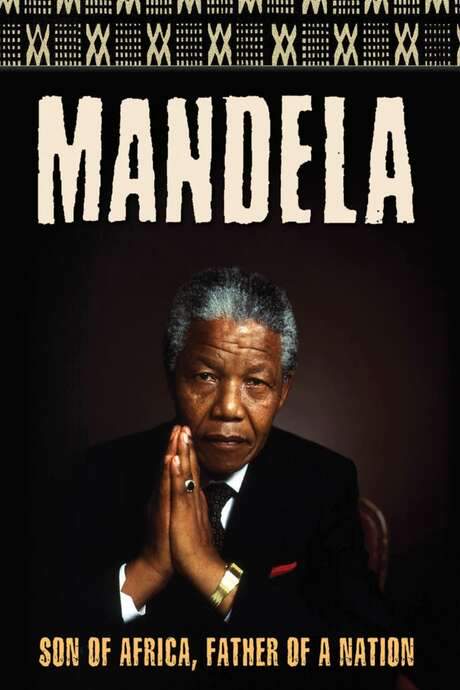
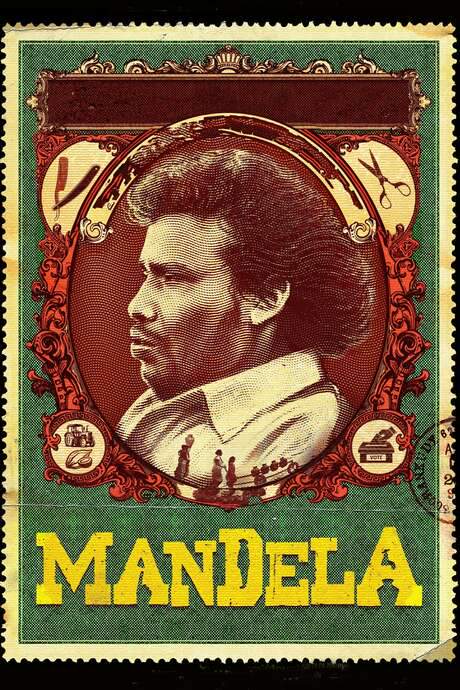
Mandela (2021) movie poster

Timeline

Mandela (2021) Timeline Explained – Every Event in Order

Release, runtime and language
2021 · 140 mins · Tamil
Echo score 92
Loading streaming availability…
Directed by
Madonne Ashwin
Starring
Yogi Babu, Senthikumari, George Mariyan, Sheela Rajkumar, Sangili Murugan, Arumugam Bala
Budget
$50M

In a village deeply divided by caste politics, an aspiring hairdresser unexpectedly finds himself at the center of a local body election. As he campaigns, he hopes to challenge the existing power structures and bring positive changes to the lives of the villagers. The film explores themes of social inequality and the potential for grassroots movements to create change.

On this page (6)
  1. 1 Where to watch
  2. 2 Events in order (12)
  3. 3 Timeline questions answered
  4. 4 Movie threads
  5. 5 Movies like Mandela
  6. 6 Every angle
Loading streaming availability…

12 events in order · contains spoilers

Mandela Timeline: Events in Chronological Order

Every key event of Mandela (2021) in order, scene by scene, with when and where it takes place. Use it to untangle flashbacks, time jumps and parallel storylines, to refresh your memory before the sequel or to find the exact scene you are thinking of.

  1. Feud erupts during public toilet opening

    During the opening of a public toilet, a feud breaks out between Northerners and Southerners in Soorangudi. The long-unopposed village president is left paralysed by the ensuing violence, setting the stage for a power struggle. The incident exposes the deep caste tensions that will shape the coming election.

    When
    Opening scene
    Where
    Soorangudi, Tamil Nadu
  2. Succession crisis and election looming

    With the president incapacitated, the MLA weighs appointing one of his sons, Rathinam or Mathi, as successor to secure a 3 crore work contract. The village divides along caste lines as both sides prepare to contest the upcoming election. Pre-poll predictions indicate a tightly contested race.

    When
    Pre-election period
    Where
    Soorangudi
  3. Smile becomes Mandela via ID card

    Smile, a homeless lower-caste barber, applies for an identification card with help from the postmaster. The postmaster suggests he take the name Nelson Mandela to symbolize neutrality in the election. Smile/ Mandela thus enters the political arena under a symbolic new identity.

    When
    ID processing day
    Where
    Soorangudi Post Office
  4. Mandela's voter list arrives; brothers woo him

    Mandela's voter ID and list arrive and both Rathinam and Mathi begin courting him with gifts and favors. Mandela remains undecided as days pass, complicating the brothers' plans. The contest thus shifts to winning the support of an undecided voter who could swing the election.

    When
    After ID arrival
    Where
    Soorangudi
  5. Auction of Mandela's vote proposed

    The MLA proposes auctioning Mandela's vote to the highest bidder, highlighting the commodification of electoral influence. The brothers step up their efforts, offering more gifts and promises to secure Mandela's favor. The plan signals a corruption-laden path toward the election.

    When
    Auction planning
    Where
    Soorangudi
  6. Lies about Mandela's death derail the auction

    Mandela's assistant reveals that the losing side plans to maim him, and the brothers are lured into abandoning the auction by a fake report of the president's death. The betrayal prompts anger as Mandela's safety seems jeopardized. The brothers then realize they have been manipulated and confront the lie.

    When
    During auction
    Where
    Soorangudi
  7. Realization and crackdown on rivals

    Upon learning the ruse, the brothers brutally rough up the rival faction and block their exit from the village. The incident intensifies the standoff and solidifies the brothers' grip on the political game. The villagers become aware that Mandela's fate is tied to escalating violence.

    When
    Right after the deception
    Where
    Soorangudi
  8. Contract worth 30 crore revives the bid

    The full value of the contract is revealed to be 30 crore, reigniting the brothers' determination to win Mandela's vote. They redouble their public appeals, trying to demonstrate how they will deliver development. Mandela's position becomes a bargaining tool in a larger economic contest.

    When
    Campaign period
    Where
    Soorangudi
  9. Mandela's development condition

    Mandela demands that the money be used for village development rather than personal gain, reshaping how the bid is evaluated. Both brothers reluctantly agree to this condition despite the extra pressure. The development criterion adds a moral twist to the political maneuvering.

    When
    Campaign phase
    Where
    Soorangudi
  10. Threats of violence against Mandela

    The losing side threatens to kill Mandela if he votes for the opponent, heightening the danger around the election. The threat darkens the village atmosphere and tests Mandela's resolve. Even as fear grows, the other factions continue their lobbying and bargaining.

    When
    Election period
    Where
    Soorangudi
  11. Election day: Mandela stays and votes

    On election day, the postmaster urges Mandela to slip away after casting his vote, but Mandela chooses to honor his father's barber legacy. He returns to his banyan tree to await the results with the community by his side. The decision to stay transforms Mandela from a neutral symbol into a central actor in the town's fate.

    When
    Election day
    Where
    Soorangudi
  12. Climax: standoff as results are declared

    Thugs lie in wait for the results, but the president, postmaster, and many villagers rush to Mandela's aid under the guise of a haircut. A tense standoff unfolds between the two brothers, Mandela, and the townspeople as the election results are announced. The film ends on a note of communal menace and unresolved power struggle.

    When
    Results night
    Where
    Soorangudi

Last updated: February 10, 2026 at 08:32

Was this helpful?

Timeline questions answered

Mandela Timeline Explained: Your Questions Answered

When does it happen, and why in that order? The questions people ask about the chronology of Mandela (2021): time jumps, flashbacks, cause and effect between scenes and the correct order of events, each answered with spoilers.

Q1

Why does the postmaster suggest Smile take the name Nelson Mandela?

The postmaster advises Smile to adopt the name Nelson Mandela as a symbolic gesture to represent neutrality in the upcoming election. Just as the real Mandela remained detached from factional disputes, the postmaster hopes the new identity will allow Smile to stay above the political divide between the Northerners and Southerners. This name choice transforms a homeless barber into a symbolic figure of unity.

Foreshadowing: The symbolic name foreshadows Mandela's later role as a unifying force who ultimately demands both factions contribute to village development.

  • postmaster
  • nelson mandela
  • name
  • identity
  • symbolism
  • neutrality
Q2

Why is Mandela's single vote so crucial in the election?

The election is tightly balanced between the two caste factions, with votes split evenly between the Northerners and Southerners. Because neither side can win decisively, Mandela's single vote becomes the deciding factor that could swing the entire election. This explains why both brothers shower him with gifts and why the MLA proposes an auction for his vote.

Foreshadowing: The importance of this single vote was established early when the pre-poll predictions showed a perfectly balanced contest.

  • vote
  • election
  • tie
  • swing vote
  • crucial
  • decisive
Q3

Why does Mandela demand that campaign money go to village development?

When both brothers compete to buy his vote, Mandela introduces a condition that the money spent on securing his support must be used for the village's development rather than personal gain. This condition transforms the corrupt political bidding into a mechanism for actual social progress. By tying his vote to development, Mandela attempts to force positive change even from within a manipulative system.

Foreshadowing: This condition reflects the postmaster's earlier suggestion that Mandela should stay neutral and represent something bigger than factional interests.

  • development
  • money
  • condition
  • village
  • progress
  • campaign
Q4

Why does Mandela choose to stay at the banyan tree instead of escaping after voting?

The postmaster urges Mandela to flee after casting his vote to escape the threat of violence from the rival faction. However, Mandela refuses because his father was a barber who kept his shop open, and Mandela wants to honor that legacy by keeping his own barber services available. His decision to stay transforms him from a passive symbol into an active participant in the community's fate.

Foreshadowing: The banyan tree has been Mandela's home throughout the film, representing his roots and identity in the village.

  • banyan tree
  • stay
  • escape
  • barber
  • father
  • legacy
Q5

Why does the village president keep two wives from different caste factions?

The president maintains one Northerner and one Southerner wife to ensure each faction feels represented in his household. His elder son's mother is Northern while the younger son's mother is Southern, allowing each faction to have a stake in his power. This arrangement is a political strategy to maintain balance and legitimacy across the divided village, though it reinforces the very caste divisions he upholds.

Foreshadowing: This setup explains why both brothers feel entitled to succeed their father and why the village remains locked in factional conflict.

  • president
  • two wives
  • factions
  • northerners
  • southerners
  • caste
Q6

What triggers the feud during the public toilet opening ceremony?

The feud erupts when the Northerners and Southerners clash during the ceremonial opening of a public toilet in the village. The confrontation becomes violent enough to leave the long-unchallenged village president paralyzed. This incident exposes the deep-seated caste tensions that have been simmering beneath the surface and sets the stage for the power struggle that follows.

Foreshadowing: The toilet itself represents a basic amenity that should unite villagers but instead becomes a flashpoint for existing divisions.

  • toilet
  • feud
  • opening
  • confrontation
  • violence
  • president
Q7

Why do Rathinam and Mathi decide to contest against each other?

When the MLA cannot decide which brother to appoint as successor to secure a three-crore work contract, he suggests both brothers could run. Rather than compromise, each brother decides to contest the election, turning what should have been a succession appointment into an open caste-based electoral battle. The contract value later increases to 30 crore, intensifying their determination to win.

Foreshadowing: This decision directly fuels the competition for Mandela's decisive vote.

  • rathinam
  • mathi
  • brothers
  • election
  • contest
  • contract
Q8

Why does the losing faction threaten to kill Mandela?

The faction that loses the election fears the winner will use the 30-crore contract to benefit their rival group. To prevent this outcome, they threaten to kill Mandela if he votes for the opposing side, making him a target regardless of his choice. This threat creates the dangerous atmosphere on election day and explains why violence looms over the final results.

Foreshadowing: The threat establishes the stakes that make Mandela's decision to stay at the banyan tree so courageous.

  • threat
  • kill
  • losing side
  • violence
  • faction
  • danger
Q9

What happens in the film's ending standoff?

As election results are announced, thugs waiting for Mandela are confronted by the president, postmaster, and many villagers who arrive under the pretext of needing haircuts. A tense standoff develops between the two brothers, Mandela, and the united villagers. The film ends ambiguously without revealing the election results or Mandela's ultimate fate, leaving the outcome uncertain while showing community solidarity against violence.

Foreshadowing: The standoff represents the climax of the village's internal conflict and tests whether collective action can overcome factional division.

  • ending
  • standoff
  • results
  • villagers
  • solidarity
  • ambiguous
Q10

Why does the MLA propose auctioning Mandela's vote?

The MLA suggests auctioning Mandela's vote to the highest bidder as a way to resolve the brothers' deadlock. This proposal treats Mandela's pivotal vote as a commodity and highlights the corruption embedded in the local politics. The auction becomes a literal bidding war that exposes how money and power intersect in the village's electoral system.

Foreshadowing: The auction plan directly leads to Mandela's condition that any money spent must go toward village development.

  • auction
  • vote
  • mla
  • bid
  • money
  • corruption
Q11

How do the caste divisions between Northerners and Southerners shape village life?

The village of Soorangudi is rigidly divided between Northerners and Southerners, two caste-based factions that control every aspect of daily life. This division dictates political power, social relationships, and economic opportunities. The president's strategy of maintaining one wife from each faction exemplifies how the divide is actively perpetuated, preventing progress and creating constant friction.

Foreshadowing: These divisions form the foundation of the entire conflict and explain why a single undecided voter becomes so significant.

  • caste
  • northerners
  • southerners
  • division
  • village
  • faction

Movie threads

More Movies Like Mandela, by Mood & Story

Curated lists built around what makes Mandela tick: the same mood, the same kind of story or the same emotional payoff. Each list explains why these movies belong together.

Grassroots Political Satires like Mandela

Witty comedies where ordinary people challenge corrupt power structures. If you enjoyed the witty political commentary and village-level power struggle in Mandela, you'll appreciate these films. This list features movies like Mandela that use satire to explore social inequality and grassroots movements, perfect for viewers seeking similar clever comedies about challenging the system.

  • satirical
  • hopeful
  • community-driven
  • tense
  • determined
  • witty
  • Tone: hopeful, satirical
  • Pacing: steady
Why these movies?

The story pattern: The narrative follows an unexpected hero—a barber, a teacher, a common citizen—thrust into a local political conflict. The story builds steadily as they campaign or maneuver against a corrupt establishment, leading to a tense, often unresolved climax that highlights the ongoing nature of the struggle for change.

Why they belong together: These films are grouped together because they share a unique blend of political critique and accessible humor. They focus on micro-level politics, feature a determined underdog protagonist, and maintain a hopeful tone despite depicting serious social issues, creating a coherent experience of smart, community-driven storytelling.

Tense Social Dilemmas like Mandela

Stories where community divisions create suspenseful moral standoffs. Fans of the suspenseful community conflict in Mandela will find more gripping stories here. These movies, similar to Mandela, explore social inequality and power struggles within a divided setting, featuring tense standoffs and ambiguous endings that leave a lasting impact.

  • tense
  • divided
  • suspenseful
  • community-driven
  • social commentary
  • ambiguous
  • Tone: tense, hopeful, ambiguous
  • Pacing: steady
Why these movies?

The story pattern: A narrative built around a single, high-stakes event—like an election or a vote—that exposes the fault lines in a small community. The pacing is steady, focusing on the build-up of tension as factions maneuver, leading to a climactic confrontation that questions whether real change is possible, often ending on an ambiguous note.

Why they belong together: These movies share a focus on suspense generated by social divisions and a pivotal community decision. They combine a medium emotional weight with a steady pace, creating a compelling and tense atmosphere. The ambiguous endings emphasize the complexity of social change, making them feel thematically connected.

If you liked this

Movies Like Mandela

Similar movies to Mandela: the same genre, themes or kind of story. Each one comes with its own plot summary, timeline and ending explained.

Browse all movie summaries

Every angle

Mandela (2021) Explained: Plot, Timeline & Characters

Everything about Mandela in one place: what happens in the plot summary, the timeline in chronological order, the characters and meaning and a spoiler-free summary. What's After the Movie adds the cast, box office and post-credit scenes.

Coming soon on iOS and Android

The Plot Explained Movie Summary App

Plot summaries, endings explained and timelines on your phone. Catch up on any movie in minutes, save your favorites and never miss a twist again.

Be the first to know when we launch. Your email stays private, always.

Learn more about the app