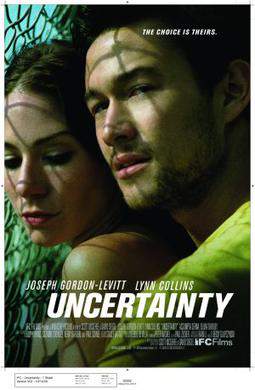
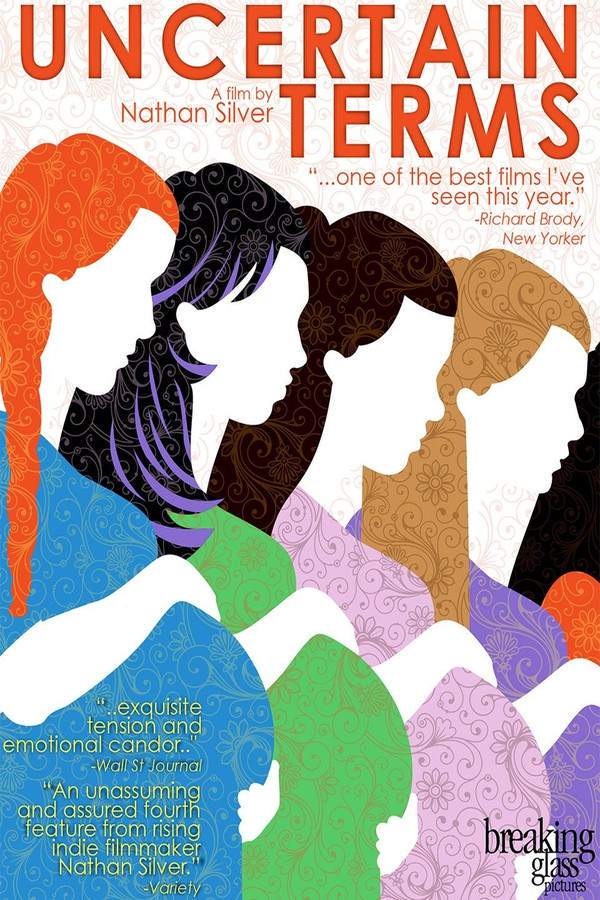
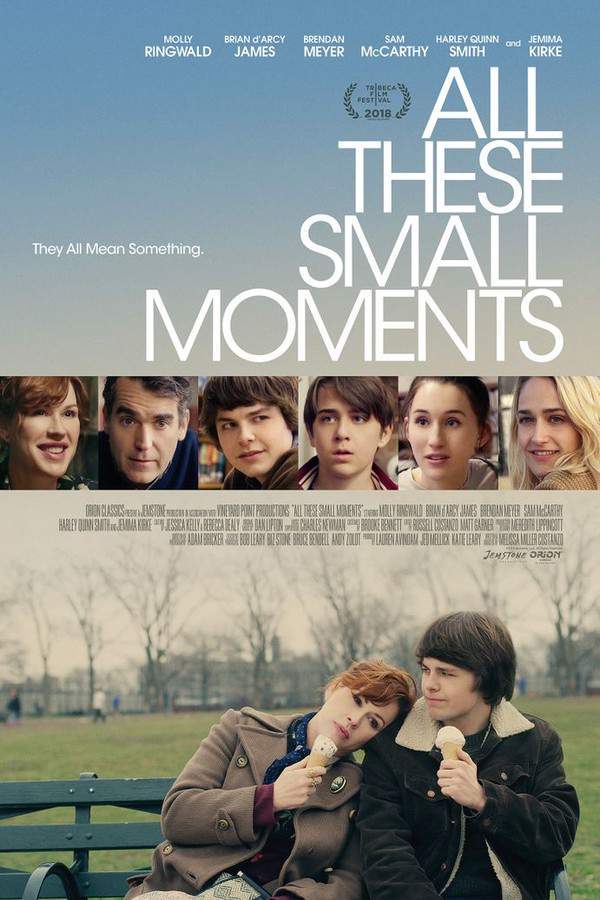
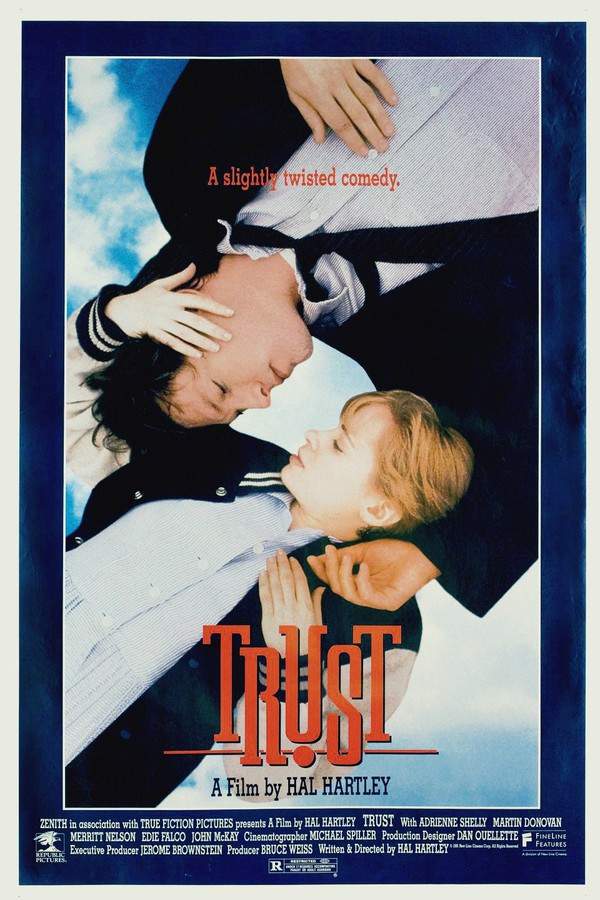
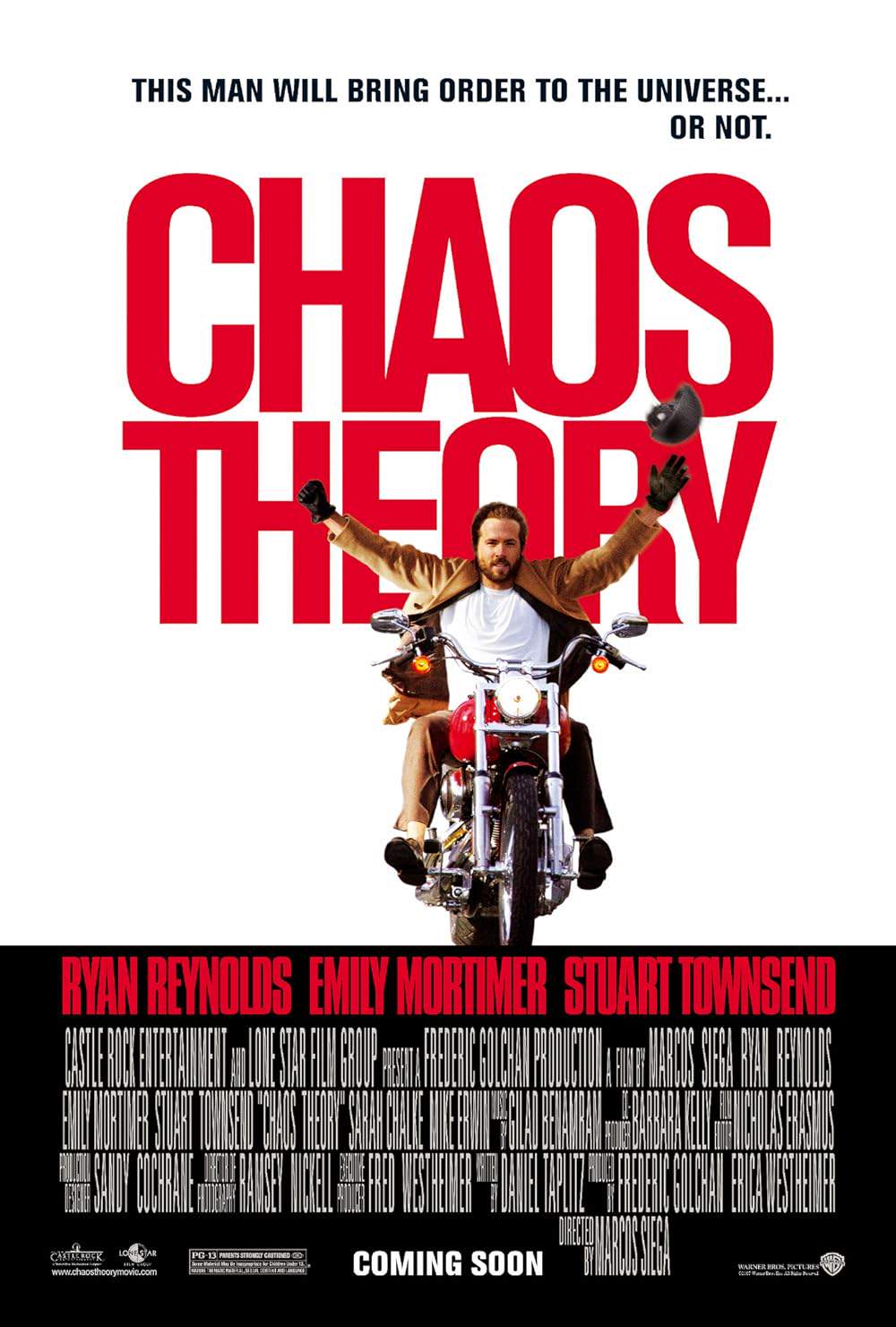
Bobby and Kate are a young couple in Brooklyn with their future quietly weighing on them: Kate is eleven weeks pregnant, and the pair can’t decide where to go on the Fourth of July or even whether to have the baby. To break the stalemate, they flip a coin. The moment the coin lands, they diverge—both racing away from Brooklyn Bridge in opposite directions—and the story splits into two intertwined paths that unfold on the same day.
In one thread, set in Brooklyn, Bobby and Kate decide to visit Kate’s family. Their journey together becomes a microcosm of a family’s hidden tensions and quiet sorrows: an uncle who is institutionalized and grappling with memory loss, a brother who died five years earlier, and a sister who takes a year off before college, much to their mother’s dismay. Along the way, the couple also rescues a stray dog, a small act that hints at their compassion and the precariousness of their precarious situation. The Brooklyn arc grounds the characters in familiar streets, showing how love can exist alongside unresolved wounds and family obligations.
The second thread moves through Manhattan, beginning in Chinatown, and follows a more dangerous pursuit. Bobby and Kate stumble upon a cellphone that belonged to a criminal who values it at a staggering $500,000. What begins as a chance find quickly spirals into a tense game of exchange and escape, as they try to broker a deal. The couple narrowly outruns a killer, a perilous chase that tests their nerve and their ability to trust one another under pressure. In a decisive moment of risk, Bobby tosses the cellphone onto a passing boat, attempting to sever the link between themselves and the danger they’ve stumbled into.
Both storylines resume their forward motion the next day, culminating on a bridge where the couple’s questions echo one another: “What do you want to do now? / What do we do now? I don’t know. I guess we just keep going.” The film uses this parallel ending to underscore how a single choice can branch into two very different experiences, yet still carry the same underlying questions about love, commitment, and moving forward.
The film also relies on visual cues to distinguish the two worlds. In the Manhattan/Chinatown sequence, the pair is dressed in bright yellow—Kate in a yellow dress and Bobby in a yellow T-shirt—and they ride in a yellow taxi, signaling a more vibrant, urgent tempo. By contrast, the Brooklyn sequence is painted in subtler greens, with Kate behind the wheel of her green car, conveying a calmer, more intimate atmosphere. The two color palettes, like the two timelines, keep the audience aware of the choices that split the day into parallel paths while reminding us that the same couple can inhabit two different emotional landscapes at once.
Overall, the narrative explores how chance events and small decisions can set a relationship on divergent courses. It presents two complementary perspectives on love, risk, and the future, inviting viewers to consider how much of life we control and how much we simply move through, one uncertain moment at a time. The result is a reflective, emotionally resonant portrait of a young couple navigating impending parenthood, personal history, and the unpredictable currents of a city that mirrors their own wavering hopes.