Plot Explained Spoilers guaranteed!
Plot Explained

Browse by genre

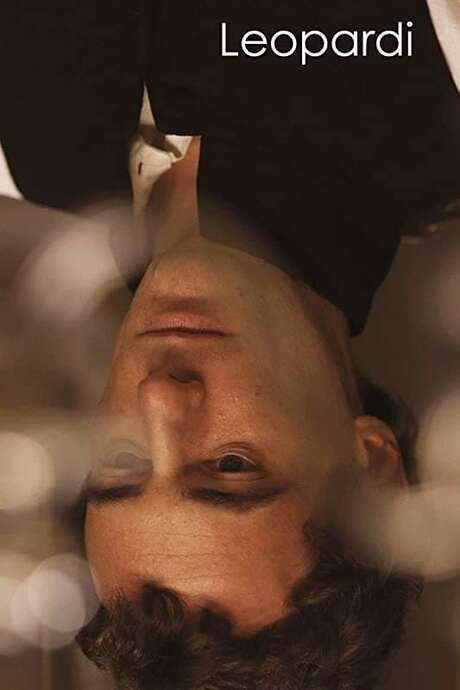
Leopardi (2014) movie poster

Timeline

Leopardi (2014) Timeline Explained – Every Event in Order

Release, runtime and language
2014 · 137 mins · Italian
Loading streaming availability…
Directed by
Mario Martone
Starring
Renato Carpentieri, Anna Mouglalis, Elio Germano, Sergio Albelli, Nello Mascia, Valerio Binasco

In 19th-century Italy, Giacomo Leopardi channels his debilitating illness and isolation into poetry.

On this page (5)
  1. 1 Where to watch
  2. 2 Events in order (11)
  3. 3 Timeline questions answered
  4. 4 Movie threads
  5. 5 Every angle
Loading streaming availability…

11 events in order · contains spoilers

Leopardi Timeline: Events in Chronological Order

Every key event of Leopardi (2014) in order, scene by scene, with when and where it takes place. Use it to untangle flashbacks, time jumps and parallel storylines, to refresh your memory before the sequel or to find the exact scene you are thinking of.

  1. Birth and noble upbringing in Recanati

    Giacomo Leopardi is born in Recanati into a noble family. He grows up within a palace that houses a rich library, laying the foundations for a lifelong devotion to learning. The environment shapes his early curiosity and theatrical sense of culture.

    When
    late 18th century
    Where
    Recanati
  2. Intensive study of languages in the family library

    Leopardi embarks on a rigorous self-education, studying Latin, Greek, Hebrew, Aramaic and English with remarkable discipline. The abundant library and scholarly routines mold his intellectual voice and poetic sensibilities. This period forges the groundwork of his future literary and philosophical inquiries.

    When
    early 19th century
    Where
    Recanati
  3. Desire to travel abroad clashes with family duty

    From an early age, Leopardi longs to travel beyond Italian borders to widen his horizons. His father adheres to social conventions while his mother is preoccupied with finances, creating tension between personal ambition and family obligations. The conflict foreshadows the constraints that shape his life choices.

    When
    early 19th century
    Where
    Recanati
  4. Beginning to write his first works

    During this period Leopardi starts producing his initial poems and reflections. He uses literature to explore the human condition and the sense of unhappiness pervading existence. These early writings reveal the steady emergence of his distinctive somber voice.

    When
    early 19th century
    Where
    Recanati
  5. Unhappiness as a constant in human life

    Through his writings, Leopardi articulates that unhappiness is a constant feature of human existence and that there is no real remedy. He contends that life provides little consolation, shaping a relentlessly pessimistic worldview. This philosophy becomes a through-line in his career.

    When
    early 19th century
    Where
    Recanati
  6. Leaving Recanati for Rome and Florence

    In the 1820s Leopardi finally leaves his hometown, embarking on travels to Rome and Florence. The journeys promise intellectual rewards and public recognition, but the expectations are not easily realized. The experiences broaden his horizon while underscoring his disillusionment with acclaim.

    When
    1820s
    Where
    Rome and Florence
  7. Unfulfilled hopes for recognition in major capitals

    His hopes for fame in Rome and Florence remain unfulfilled, dampening his enthusiasm for public reception. The disappointment deepens his sense of isolation within the intellectual world of the time. He continues writing, but with a heavier, more austere voice.

    When
    1820s
    Where
    Rome, Florence
  8. Unrequited love for Countess Fanny Targioni Tozzetti

    Leopardi endures repeated unrequited love, notably toward Countess Fanny Targioni Tozzetti. These disappointments intensify his bleak view of human relationships and happiness. The emotional strain informs much of his later poetry and thought.

    When
    1820s-1830s
    Where
    Rome/Florence
  9. Move to Naples as the final life stage

    Seeking a new chapter, Leopardi relocates to Naples. The city becomes the backdrop for his late years, a place where his ideas mature under the pressure of social and personal isolation. This move marks a transition from earlier Italian capitals to a more secluded later period.

    When
    1830s
    Where
    Naples
  10. Physical illness and decline in Naples

    In Naples Leopardi endures a significant physical affliction that undermines his health. The illness compounds his sense of decline and the fragility of life. He continues to write and reflect deeply despite the pain, maintaining his distinctive outlook.

    When
    1830s
    Where
    Naples
  11. Death in Naples

    Leopardi dies in Naples after a life brief in years but long in impact. His final days are marked by the same intensity with which he pursued language, poetry and philosophy. The film presents his death as the quiet end of a brilliant yet fragile genius.

    Where
    Naples

Last updated: February 24, 2026 at 14:13

Was this helpful?

Timeline questions answered

Leopardi Timeline Explained: Your Questions Answered

When does it happen, and why in that order? The questions people ask about the chronology of Leopardi (2014): time jumps, flashbacks, cause and effect between scenes and the correct order of events, each answered with spoilers.

Q1

Why does Leopardi believe unhappiness is a constant in human life?

Leopardi's philosophy emerges from his early writings in Recanati, where he concludes that unhappiness is an unavoidable feature of human existence. As a young man confined to his family's library, he reads extensively across multiple languages and develops a bleak worldview that sees life as offering little genuine consolation. This pessimistic outlook becomes the foundation of his poetic voice and philosophical writings, shaping his entire literary career.

Foreshadowing: Earlier in the film, Leopardi's intensive study of ancient texts and his isolation within the family palace plant the seeds of his somber.

  • leopardi philosophy
  • pessimism
  • unhappiness
  • human condition
  • poet worldview
Q2

Why can't Leopardi travel abroad despite his strong desire?

Leopardi's desire to travel abroad clashes with his family's expectations and obligations. His father remains firmly bound by social conventions, insisting that Leopardi maintain his noble standing rather than pursue intellectual adventures beyond Italy. Meanwhile, his mother becomes increasingly preoccupied with stabilizing the family's declining fortune, viewing any deviation from their established path as a threat to their financial security. These familial pressures keep Leopardi confined to Recanati for much of his early life.

Foreshadowing: The film establishes early on that Leopardi grows up within a palace library, suggesting both intellectual freedom and physical confinement.

  • travel abroad
  • family pressure
  • recanti
  • noble family
  • father mother
Q3

Why does Leopardi eventually leave Recanati?

Leopardi leaves Recanati in the 1820s after years of frustration with his constrained circumstances. Although his early works have brought him some local recognition, the rigid expectations of his social class and the limited intellectual environment of his hometown prove stifling. The move to Rome and Florence represents his attempt to find broader intellectual rewards and public recognition that his provincial background could not provide.

Foreshadowing: The timeline shows that Leopardi's desire to travel abroad has been present since his early years, making his eventual departure a fulfillment of a long-held ambition.

  • leave recanati
  • rome
  • florence
  • intellectual pursuit
  • recognition
Q4

Why does Leopardi develop feelings for Countess Fanny Targioni-Tozzetti?

Leopardi's unrequited love for Countess Fanny Targioni-Tozzetti becomes a central emotional thread throughout the film. Though the exact nature of their meetings is not detailed in the summary, the countess represents for Leopardi an idealized human connection that seems perpetually out of reach. Her presence intensifies his existing introspection and deepens his skepticism about life and human relationships, providing emotional material that profoundly influences his later poetry.

Foreshadowing: The film hints that Leopardi's romantic disappointments intensify his bleak view of human relationships, suggesting his love for Fanny is part of a broader pattern of emotional rejection.

  • countess fanny targioni tozzetti
  • unrequited love
  • romance
  • poet love
  • rejection
Q5

Why does Leopardi fail to find recognition in Rome and Florence?

When Leopardi finally travels to Rome and Florence in the 1820s, he discovers that the intellectual capitals do not welcome him with the recognition he had hoped for. His hopes for fame remain unfulfilled, dampening his enthusiasm for public reception. This disappointment deepens his sense of isolation within the intellectual world of the time, reinforcing his belief that genuine connection and acknowledgment remain elusive.

Foreshadowing: Earlier scenes establish Leopardi's optimism about what major cities might offer, making his subsequent disappointment more impactful.

  • rome
  • florence
  • recognition
  • failure
  • fame
  • disappointment
Q6

Why does Leopardi move to Naples in his final years?

Leopardi relocates to Naples in the 1830s seeking a new chapter in his life. The city becomes the backdrop for his late years, representing a transition from the earlier Italian capitals to a more secluded period. In Naples, his ideas mature under the pressure of both social and personal isolation, and he continues writing with the same intensity that characterized his entire career despite his declining circumstances.

Foreshadowing: The move to Naples follows the disappointment Leopardi experiences in Rome and Florence, suggesting he is seeking a different kind of environment away from failed ambitions.

  • naples
  • relocation
  • final years
  • isolation
  • late period
Q7

How does Leopardi's physical illness shape his writing?

In Naples, Leopardi endures a significant physical affliction that undermines his health and compounds his sense of decline. Despite the pain and fragility that the illness brings, he continues to write and reflect deeply. The film suggests that his deteriorating physical state intensifies his philosophical outlook while also providing raw material for his characteristic stark, lucid literary voice. His brief life is marked by the tension between his vast intellectual capacity and his bodily suffering.

Foreshadowing: The film establishes early that Leopardi channels his debilitating conditions into his poetry, suggesting a pattern of transforming physical suffering into artistic expression.

  • illness
  • physical decline
  • writing
  • naples
  • poetry
  • pain
Q8

Why does Leopardi's relationship with his parents become strained?

Leopardi's relationship with his parents becomes strained due to fundamentally different priorities. His father adheres strictly to social conventions and expects Leopardi to maintain the family's noble standing. His mother becomes absorbed in trying to stabilize a family fortune that seems to be slipping away. Meanwhile, Leopardi's restless mind longs for intellectual freedom and travel, creating an ongoing tension between his personal ambitions and his family's expectations and obligations.

Foreshadowing: The timeline notes that Leopardi's desire to travel abroad clashes with family duty from an early age, establishing this tension as a recurring conflict.

  • parents
  • family conflict
  • father
  • mother
  • obligation
  • duty
Q9

What drives Leopardi's pessimistic outlook on life?

Leopardi's pessimistic outlook develops from multiple factors converging throughout his life. His extensive reading in ancient texts exposes him to philosophical ideas about the human condition. His physical confinement in Recanati fuels his desire for freedom that remains unmet. His repeated romantic disappointments, particularly with Countess Fanny, reinforce his skepticism about human connection. Finally, his failure to achieve the recognition he sought in Rome and Florence deepens his isolation. Together, these experiences crystallize into his relentless pessimistic worldview.

Foreshadowing: The film shows that Leopardi's early writings already articulate his bleak philosophy before he experiences the full weight of later disappointments.

  • pessimism
  • philosophy
  • outlook
  • life view
  • despair
  • isolation
Q10

Why is Leopardi considered an important literary figure despite his short life?

Leopardi dies in Naples at a young age, yet leaves behind a body of work that continues to resonate with readers long after his death. His poetry and philosophical writings are characterized by their stark, lucid beauty and their fearless exploration of human unhappiness and isolation. Though recognition eluded him during his lifetime, his distinctive voice and original thoughts eventually established him as one of Italy's most significant poets, demonstrating how a life of suffering can produce enduring literary art.

Foreshadowing: The film presents his death as the quiet end of a brilliant yet fragile genius, suggesting his impact would outlast his brief life.

  • importance
  • legacy
  • poetry
  • italian poet
  • influence
  • death

Movie threads

More Movies Like Leopardi, by Mood & Story

Curated lists built around what makes Leopardi tick: the same mood, the same kind of story or the same emotional payoff. Each list explains why these movies belong together.

Tortured Artist Biopics like Leopardi

Stories of brilliant minds finding beauty in the depths of physical and emotional pain. Explore movies like Leopardi that delve into the lives of artists who channeled personal suffering into their work. This collection features historical dramas about poets, painters, and writers whose genius was intertwined with pain and isolation.

  • introspective
  • lonely
  • pensive
  • academic
  • oppressive
  • reflective
  • Tone: melancholic, reflective, heavy
  • Pacing: slow, deliberate, contemplative
Why these movies?

The story pattern: These narratives typically follow a chronological path, tracing an artist's life with a focus on their internal struggles. The plot is driven less by external events and more by the development of their artistic philosophy and their battle with personal demons.

Why they belong together: Movies are grouped here because they share a melancholic tone, a slow, contemplative pace, and a heavy emotional weight. They all center on the theme of artistic creation as an outlet for profound suffering and existential contemplation.

Movies with Philosophical Melancholy like Leopardi

Slow-burn dramas where characters ponder life's inherent sorrows in atmospheric settings. If you liked the slow, sad, and thoughtful atmosphere of Leopardi, discover more films that share this contemplative vibe. These movies feature introspective characters and explore heavy themes of suffering and intellectual isolation.

  • pensive
  • oppressive
  • reflective
  • sad
  • lonely
  • atmospheric
  • Tone: melancholic, bleak, contemplative
  • Pacing: slow, measured, introspective
Why these movies?

The story pattern: The narrative pattern involves an intellectual protagonist confronting the bleak aspects of existence. There is minimal action; the story unfolds through internal reflection, dialogue, and a growing acceptance of a pessimistic worldview.

Why they belong together: These films are united by their slow pacing, melancholic tone, and heavy emotional weight. They create a specific, immersive atmosphere of sadness and intellectual reflection that appeals to viewers seeking deep, thought-provoking dramas.

Every angle

Leopardi (2014) Explained: Plot, Timeline & Characters

Everything about Leopardi in one place: what happens in the plot summary, the timeline in chronological order, the characters and meaning and a spoiler-free summary. What's After the Movie adds the cast, box office and post-credit scenes.

Coming soon on iOS and Android

The Plot Explained Movie Summary App

Plot summaries, endings explained and timelines on your phone. Catch up on any movie in minutes, save your favorites and never miss a twist again.

Be the first to know when we launch. Your email stays private, always.

Learn more about the app