Plot Explained Spoilers guaranteed!
Plot Explained

Browse by genre

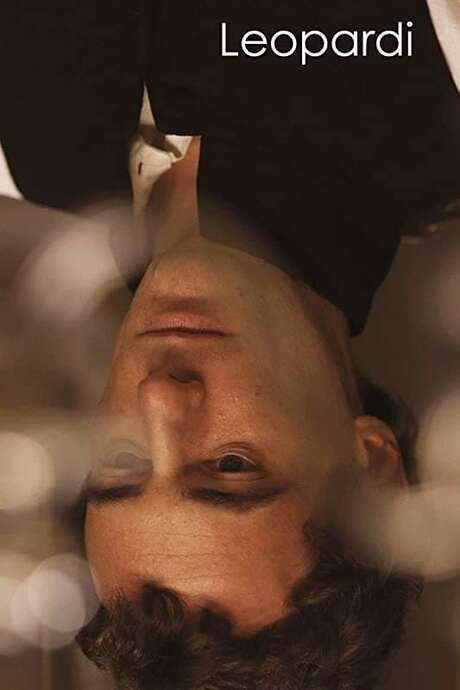
Leopardi (2014) movie poster

Characters & Themes

Leopardi (2014) Characters, Setting & Themes Explained

Release, runtime and language
2014 · 137 mins · Italian
Loading streaming availability…
Directed by
Mario Martone
Starring
Renato Carpentieri, Anna Mouglalis, Elio Germano, Sergio Albelli, Nello Mascia, Valerio Binasco

In 19th-century Italy, Giacomo Leopardi channels his debilitating illness and isolation into poetry.

On this page (7)
  1. 1 Where to watch
  2. 2 Characters explained (7)
  3. 3 Where & when it takes place
  4. 4 Themes & meaning (4)
  5. 5 Character & meaning questions
  6. 6 Movie threads
  7. 7 Every angle
Loading streaming availability…

7 main characters · contains spoilers

Leopardi Characters Explained: Who Is Who

The main characters of Leopardi (2014), heroes and villains: what drives them, how they change over the course of the story and what each of them reveals about the film's bigger ideas.

  • Giacomo Leopardi (Elio Germano)

    A noble-born, fiercely inquisitive poet who longs to travel and widen his horizons. He is introspective and restless, wrestling with the miseries of existence and the weight of social expectations from family. His idealism collides with reality, fueling a sharp, often somber worldview that informs his early poetry.

    • ✍️ Poetic
    • 🧠 Intellectual
  • Monaldo Leopardi (Massimo Popolizio)

    Leopardi’s father, a patriarch bound by social conventions and the decline of the family fortune. He guards the household’s status and expects obedience, yet admires his son’s intellect in private. His rigid values create a tense dynamic between duty and curiosity.

    • 👨 Patriarch
    • 🗂️ Traditional
  • Mrs. Rosa

    played by Iaia Forte

    Leopardi’s mother, depicted as busy upholding the household and finances. She is preoccupied with sheltering the family from decline, offering pragmatic support rather than intellectual enrichment. Her presence anchors the domestic sphere of the Leopardi home.

    • 👩 Mother
    • 🏡 Domestic
  • Fanny Targioni-Tozzetti (Anna Mouglalis)

    Countess and the object of Leopardi’s unrequited affection. Her presence embodies a refined ideal of romance and social grace, contrasting with Leopardi’s disillusionment. Her influence highlights the gap between longing and reality in Leopardi’s life.

    • 💘 Romantic
    • 🎭 Socialite
  • Paolina Leopardi (Isabella Ragonese)

    Leopardi’s sister, part of the family circle that anchors him to provincial life and daily routines. She represents the domestic sphere and provides a counterpoint to his scholarly ambitions. Her interactions reflect the supportive yet limited role of women in the era.

    • 👧 Sister
    • 🏠 Family
  • Carlo Leopardi (Edoardo Natoli)

    A family member within Leopardi’s intimate circle, contributing to the household dynamics and the pressures of lineage. His presence underscores the social context that shapes Leopardi’s choices and frustrations. A minor, yet meaningful, participant in the broader family drama.

    • 🧍 Relative
    • 🏛️ Family
  • Paolina Ranieri (Federica De Cola)

    A figure within Leopardi’s social world who represents the intersections of romance and social hierarchy in his circle. Her interactions reveal how affection and status interact within a conservative 19th-century milieu. She contributes to the tapestry of Leopardi’s experiences with longing and constraint.

    • 👧 Social Circle
    • 💬 Interaction

Last updated: February 17, 2026 at 17:05

Was this helpful?

Setting

Where and When Does Leopardi Take Place?

The setting of Leopardi (2014): the year and time period, the places and locations, and how they shape the characters, the mood and the tension of the story.

Time period

1820s–1830s

Set in early 19th-century Italy, a period of Romantic thought and strict social codes among the nobility. Leopardi’s world is shaped by a pater familias and declining fortunes, with travel and education as precious but perilous luxuries. The travels to Rome, Florence, and Naples occur within a society still divided by kingdoms and conventions. The era ends with the poet’s premature death in Naples, underscoring a life of yearning within rigid structures.

Location

Recanati, Rome, Florence, Naples

Recanati is Leopardi’s birthplace and home to a grand library that fuels his early studies. The film tracks his longing to travel beyond provincial confines, framed by the expectations of a noble family. His journeys to Rome and Florence in the 1820s reveal both intellectual hunger and the limits of social ambition. The story culminates in Naples, where illness cuts his life short, reflecting the era’s fragile balance between culture and constraint.

  • 🏛️ Historical
  • 📚 Literary
  • 🌍 European

Last updated: February 17, 2026 at 17:05

Was this helpful?

4 major themes

Leopardi Meaning: Themes & Message Explained

What is Leopardi (2014) really about? The emotional, social and philosophical themes the film keeps returning to, its symbolism and the message beneath the surface.

  • Existence

    The film centers on the fragility of happiness and the persistence of unhappiness as a constant condition of human life. Leopardi’s reflections reveal a mind preoccupied with meaning, doubt, and the limits of knowledge. The pursuit of larger truths is constantly tempered by social expectations and personal disillusionment. The setting heightens a sense of cosmic melancholy that informs his poetry.

  • Love

    Unrequited affection toward Countess Fanny Targioni-Tozzetti fuels Leopardi’s skeptical view of life. The longing is intimate yet unattainable, shaping his emotional landscape and poetic voice. This theme shows how romance can intensify loneliness and deepen philosophical introspection. The film frames love as both a driving force and a source of existential ache.

  • Wanderlust

    Leopardi’s desire to travel abroad embodies the clash between intellectual curiosity and social duty. The journey to Rome and Florence represents a search for breadth of experience beyond provincial confines. Yet family obligations and the era’s conventions push against this longing, making mobility a bittersweet pursuit. The Naples chapter completes the arc, forcing a confrontation with mortality rather than freedom.

  • Mortality

    A physical illness ends Leopardi’s life prematurely in Naples, giving a somber coda to a life spent probing the human condition. The film juxtaposes intellectual achievement with the fragility of the body and the limits of time. Mortality shadows his writings and choices, intensifying the sense that happiness is fleeting. The final arc emphasizes the romance of ideas against the reality of decline.

Last updated: February 17, 2026 at 17:05

Was this helpful?

Character & theme questions

Leopardi Characters & Meaning: Your Questions Answered

The questions people ask about Leopardi (2014): who the characters really are, their relationships, what the symbols mean, where it takes place and what the movie is really about. Each answer contains spoilers.

Q1

What is the significance of Recanati in the film?

Recanati serves as Leopardi's birthplace and childhood home, characterized by a grand family library that fuels his early intellectual development. The provincial town represents both his scholarly foundation and the confining limitations he desperately wishes to escape, symbolizing the tension between his aristocratic background and his yearning for broader horizons.

Foreshadowing: The library scenes in Recanati establish Leopardi's intellectual foundation that later drives his desire to travel to Rome and Florence.

  • Recanati
  • library
  • birthplace
  • provincial Italy
  • intellectual foundation
Q2

Why does the story end in Naples?

Naples represents the final chapter of Leopardi's life where his physical illness ultimately claims him at a young age. The city serves as the culmination of his lifelong battle between intellectual ambition and bodily frailty, providing a somber conclusion that underscores the film's themes of mortality and the limits of human aspiration.

Foreshadowing: Earlier scenes hint at Leopardi's declining health, which becomes inescapable once he reaches Naples.

  • Naples
  • death
  • illness
  • mortality
  • final chapter
Q3

What is the social context of early 19th-century Italy depicted in the film?

The film is set during Italy's early 19th century, a period marked by Romantic thought and strict social codes among the nobility. Leopardi's world is governed by a pater familias system and declining family fortunes, where travel and higher education are precious luxuries reserved for the aristocratic class, yet constrained by rigid conventions.

  • 19th century Italy
  • Italian nobility
  • Romantic era
  • social conventions
  • pater familias
Q4

Who is Fanny Targioni-Tozzetti in the film?

Fanny Targioni-Tozzetti is a Countess who becomes the object of Leopardi's unrequited affection. She embodies a refined ideal of romance and social grace that contrasts sharply with Leopardi's disillusionment and philosophical pessimism. Her presence highlights the gap between longing and reality that permeates his emotional and intellectual life.

  • Fanny Targioni-Tozzetti
  • Countess
  • unrequited love
  • romantic longing
  • emotional ache
Q5

What role does Monaldo Leopardi play in the story?

Monaldo Leopardi is Giacomo's father, depicted as a patriarch bound by social conventions and concerned with the family's declining fortunes. He guards the household's aristocratic status and expects obedience from his children, yet privately admires his son's intellectual brilliance. This creates a tense dynamic between duty and curiosity that shapes Leopardi's internal conflict.

  • Monaldo Leopardi
  • father
  • patriarch
  • family expectations
  • social duty
Q6

What does the theme of existence represent in the film?

The film centers on the fragility of happiness and the persistence of unhappiness as a constant condition of human life. Leopardi's philosophical reflections reveal a mind preoccupied with meaning, doubt, and the limits of knowledge. The pursuit of larger truths is constantly tempered by social expectations and personal disillusionment, creating a sense of cosmic melancholy that informs his poetry.

  • existence
  • unhappiness
  • melancholy
  • philosophy
  • meaning of life
  • disillusionment
Q7

How does mortality factor into the film's narrative?

A physical illness ends Leopardi's life prematurely in Naples, providing a somber conclusion to a life spent probing the human condition. The film juxtaposes his significant intellectual achievements with the fragility of his body and the relentless limits of time. Mortality shadows his writings and choices, intensifying the sense that happiness is fleeting and that the romance of ideas must ultimately confront the reality of physical decline.

  • mortality
  • death
  • illness
  • physical decline
  • Naples
  • time
Q8

What does the theme of wanderlust represent in Leopardi's life?

Leopardi's desire to travel embodies the fundamental clash between his intellectual curiosity and the demands of social duty. His journeys to Rome and Florence represent a search for breadth of experience beyond the provincial confines of Recanati. However, family obligations and the era's rigid conventions constantly push against this longing, making mobility a bittersweet pursuit that ultimately leads not to freedom but to a confrontation with mortality.

  • wanderlust
  • travel
  • freedom
  • intellectual curiosity
  • Rome
  • Florence
  • confinement
Q9

What defines Giacomo Leopardi as a character in the film?

Giacomo Leopardi is portrayed as a noble-born, fiercely inquisitive poet who channels his debilitating illness and isolation into poetry. He is introspective and restless, wrestling with the miseries of existence and the weight of family expectations. His idealism collides with the realities of his declining health and social constraints, fueling a sharp, often somber worldview that profoundly informs his early poetry.

  • Giacomo Leopardi
  • poet
  • intellectual
  • introspective
  • illness
  • poetry
  • idealism
Q10

How does unrequited love affect Leopardi in the film?

Leopardi's unrequited affection toward Countess Fanny Targioni-Tozzetti fuels his skeptical view of life and intensifies his philosophical pessimism. This longing is both intimate and profoundly unattainable, shaping his emotional landscape and giving his poetic voice its distinctive ache. The film presents love as both a driving creative force and a source of existential pain that deepens his introspection.

  • unrequited love
  • Fanny Targioni-Tozzetti
  • longing
  • romantic pain
  • emotional landscape
Q11

What is the emotional tone of the film?

The film carries a distinctly melancholic tone, reflecting Leopardi's philosophical conclusion that unhappiness is a constant in human existence. The pacing is slow, mirroring the character's physical confinement and the story's focus on internal reflection rather than external events. This melancholic atmosphere aligns consistently with the film's bleak philosophical conclusions about life's inherent sorrows.

  • melancholic tone
  • emotional tone
  • pessimism
  • sorrow
  • philosophical outlook
Q12

How does illness shape Leopardi's story in the film?

Leopardi's physical illness runs throughout the film, ultimately causing his premature death in Naples. This bodily frailty stands in constant tension with his immense intellectual ambitions, creating a poignant contrast between the grandeur of his ideas and the limitations of his physical existence. The illness transforms his pursuit of knowledge into a race against time, adding urgency to his philosophical explorations.

  • illness
  • physical frailty
  • Naples
  • death
  • intellectual ambition
  • bodily limits

Movie threads

More Movies Like Leopardi, by Mood & Story

Curated lists built around what makes Leopardi tick: the same mood, the same kind of story or the same emotional payoff. Each list explains why these movies belong together.

Tortured Artist Biopics like Leopardi

Stories of brilliant minds finding beauty in the depths of physical and emotional pain. Explore movies like Leopardi that delve into the lives of artists who channeled personal suffering into their work. This collection features historical dramas about poets, painters, and writers whose genius was intertwined with pain and isolation.

  • introspective
  • lonely
  • pensive
  • academic
  • oppressive
  • reflective
  • Tone: melancholic, reflective, heavy
  • Pacing: slow, deliberate, contemplative
Why these movies?

The story pattern: These narratives typically follow a chronological path, tracing an artist's life with a focus on their internal struggles. The plot is driven less by external events and more by the development of their artistic philosophy and their battle with personal demons.

Why they belong together: Movies are grouped here because they share a melancholic tone, a slow, contemplative pace, and a heavy emotional weight. They all center on the theme of artistic creation as an outlet for profound suffering and existential contemplation.
Movies with Philosophical Melancholy like Leopardi

Slow-burn dramas where characters ponder life's inherent sorrows in atmospheric settings. If you liked the slow, sad, and thoughtful atmosphere of Leopardi, discover more films that share this contemplative vibe. These movies feature introspective characters and explore heavy themes of suffering and intellectual isolation.

  • pensive
  • oppressive
  • reflective
  • sad
  • lonely
  • atmospheric
  • Tone: melancholic, bleak, contemplative
  • Pacing: slow, measured, introspective
Why these movies?

The story pattern: The narrative pattern involves an intellectual protagonist confronting the bleak aspects of existence. There is minimal action; the story unfolds through internal reflection, dialogue, and a growing acceptance of a pessimistic worldview.

Why they belong together: These films are united by their slow pacing, melancholic tone, and heavy emotional weight. They create a specific, immersive atmosphere of sadness and intellectual reflection that appeals to viewers seeking deep, thought-provoking dramas.

Every angle

Leopardi (2014) Explained: Plot, Timeline & Characters

Everything about Leopardi in one place: what happens in the plot summary, the timeline in chronological order, the characters and meaning and a spoiler-free summary. What's After the Movie adds the cast, box office and post-credit scenes.

Coming soon on iOS and Android

The Plot Explained Movie Summary App

Plot summaries, endings explained and timelines on your phone. Catch up on any movie in minutes, save your favorites and never miss a twist again.

Be the first to know when we launch. Your email stays private, always.

Learn more about the app