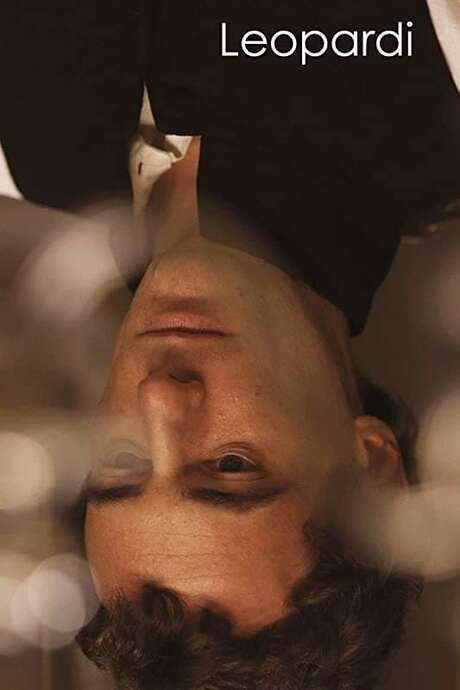
In the quiet valleys of 19th‑century Italy, a grand yet fading palace shelters a young man whose mind is as expansive as the horizon he can barely see. Giacomo Leopardi lives amid marble corridors and a library that once thrummed with the promise of limitless knowledge, but the weight of a chronic illness and a pervasive sense of isolation turn those rooms into a sanctuary for restless imagination. The film opens with an atmosphere thick with dust‑filled sunlight, the scent of old paper, and the soft echo of verses that hint at a soul already wrestling with the paradox of beauty and suffering.
Within the walls of his family estate, the expectations of aristocratic tradition clash with his father’s rigid sense of duty and his mother’s preoccupation with preserving dwindling fortunes. The parents, bound by the social codes of the time, view the young poet’s yearning for the world beyond Recanati as a dangerous indulgence. Their contrasting attitudes feed a quiet tension that fuels the protagonist’s inner conflict, shaping his early forays into Latin, Greek, Hebrew, Aramaic, and English—languages that become both his escape and his burden.
Amid the hushed tones of the study, a fragile hope flickers: the desire to leave the cloistered life and experience the broader canvas of Italy’s cultural capitals. A fleeting, unreciprocated affection for Countess Fanny Targioni Tozzetti whispers through his thoughts, amplifying his contemplations on love, longing, and the relentless melancholy that seems to accompany human existence. This emotional undercurrent, more a texture than a plot point, paints his worldview with shades of inevitable sorrow and a relentless quest for meaning.
The film’s tone is a measured blend of lyrical melancholy and restrained elegance, captured through soft, candle‑lit interiors and sweeping vistas of Rome, Florence, and the restless sea‑kissed cliffs of Naples. As Leopardi navigates the delicate balance between intellectual ambition and personal frailty, the audience is invited to linger in the spaces between spoken word and silent yearning, sensing a profound artistic spirit poised on the brink of both revelation and despair.