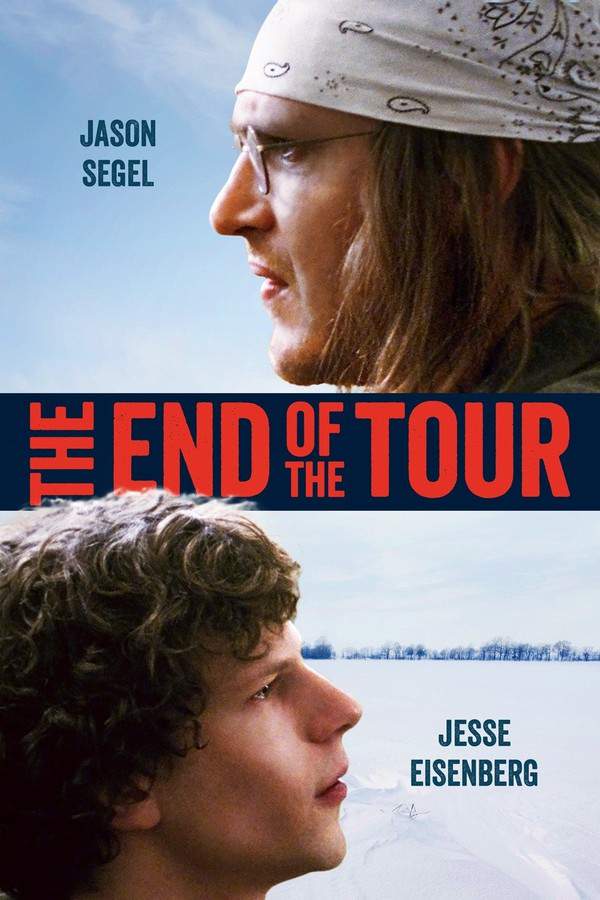
The End of the Tour

Following the immense success of Infinite Jest, Rolling Stone journalist David Lipsky spends five days with reclusive author David Foster Wallace. The encounter becomes a revealing exploration of Wallace’s complex personality and creative process. Through candid conversations, Lipsky attempts to understand the man behind the literary sensation, while also grappling with his own ambitions. The experience becomes a poignant and unforgettable moment, forever preserved in a collection of interview tapes.
Where to Watch The End of the Tour?
Find where to stream, rent, or buy The End of the Tour (2015) in the US with current JustWatch availability, up-to-date pricing, and platform listings for subscription, rental, and digital purchase options.











Streaming availability powered by 
Warning: spoilers below!
Haven’t seen The End of the Tour yet? This summary contains major spoilers. Bookmark the page, watch the movie, and come back for the full breakdown. If you're ready, scroll on and relive the story!
The End of the Tour (2015) – Full Plot Summary & Ending Explained
Read the complete plot breakdown of The End of the Tour (2015), including all key story events, major twists, and the ending explained in detail. Discover what really happened, and what it all means.
In 2008, David Lipsky (Jesse Eisenberg) finds himself in a state of disbelief after receiving a call from Bob Levin (Ron Livingston). Levin informs him of an unconfirmed report about the tragic suicide of acclaimed author David Foster Wallace (Jason Segel). Lipsky, initially skeptical, searches online and is devastated to confirm the news. As tributes pour in for Wallace, Lipsky reluctantly reads a eulogy on his local radio station, attempting to process the loss of a man he had once interviewed.
While rummaging through some old cassette tapes, Lipsky is transported back to the days spent with Wallace twelve years earlier, when he conducted an in-depth interview with the enigmatic author known for his groundbreaking novel, Infinite Jest. At that time, Lipsky was experiencing moderate success with his own writing and was drawn to Wallace’s brilliance after hearing a friend rave about his innovative works.
Eager to delve deeper into Wallace’s world, Lipsky proposes to his boss at Rolling Stone, Levin, the idea of an exclusive interview with Wallace, asserting that he is a literary giant akin to Hemingway. After some deliberation, Levin greenlights the project, but warns Lipsky to ensure there’s a strong story to tell. Lipsky, excited about the journey ahead, prepares to meet the reclusive author.
Day One starts with Lipsky flying to Illinois, where he finds himself lost. A call to Wallace leads to an awkward exchange, revealing Wallace’s discomfort with being contacted directly by fans. When Lipsky finally arrives at Wallace’s home, he is greeted by the author and his two dogs, but their initial meeting is tinged with tension. Wallace insists on strict off-the-record rules for the conversation, wanting to protect his privacy.
As Lipsky accompanies Wallace to teach a class, he observes Wallace’s unique teaching style, which resonates with students. Their dinner discussion reveals much about both men; Wallace candidly shares his thoughts on fame, relationships, and the struggles of being a widely recognized author. The conversation flows from the philosophical to the personal, touching on topics like addiction, loneliness, and the ephemeral nature of happiness.
On Day Two, Lipsky experiences a casual morning with Wallace, complete with a pop tart, and learns about Wallace’s distinct style choices, such as wearing a bandana for comfort. They bond over thoughts about their audience, and the importance of authenticity in their work. However, the visit takes a darker turn when Lipsky gently probes into Wallace’s experience with depression and his brief stay in a mental hospital, provoking Wallace to close off emotionally.
As the days unfold, their discussions navigate through the complexities of art, success, and personal demons. Day Five sees Lipsky witnessing a more cheerful Wallace as they share McDonald’s together, leading to poignant exchanges about life and connection. Lipsky is left with a mix of admiration and melancholy as he reflects on the profound conversations they shared.
Ultimately, as Lipsky listens to the tapes in 2008, he is emotionally overwhelmed, realizing that the short time spent with Wallace profoundly affected him. He documents the conversations in a memoir, finding solace in the moments they shared, even as he grapples with the weight of Wallace’s untimely passing. In the end, Lipsky wishes he could convey to Wallace that their conversations had helped ease his own feelings of isolation, as he finally articulates, “being with him made him feel less alone.”
Last updated: November 15, 2024 at 19:43
The End of the Tour (2015) Plot Questions Answered – Summary FAQ
Explore frequently asked questions about The End of the Tour (2015) with spoiler-rich answers covering the full plot summary, major story beats, character motivations, hidden details, and ending meaning. This movie summary FAQ helps explain confusing scenes, plot twists, and narrative decisions in clear, searchable detail.
Why was David Lipsky so devastated by Wallace's suicide?
Lipsky was devastated because the interview in 1996 had a profound impact on him that he only fully understood after Wallace's death. Listening to the tapes in 2008, he realized their conversations had helped ease his own feelings of isolation and loneliness. The sudden loss of someone who had made him feel 'less alone' created a deep emotional void that he struggled to process.
Earlier scenes show Lipsky reflecting on how meaningful his time with Wallace was, hinting at the weight his death would carry.
Why did Wallace become emotionally distant when asked about depression?
Wallace closed off because he struggled deeply with depression and mental health issues throughout his life. When Lipsky probed into his experience with depression and a brief stay in a mental hospital, Wallace became emotionally guarded. This reaction revealed the vulnerability beneath his public persona as a literary genius, showing that discussing his mental health struggles was too painful for him to share openly.
Wallace's earlier dinner discussion about loneliness and the transient nature of happiness hints at his internal battles.
Why did David Foster Wallace agree to the Rolling Stone interview?
Despite being notoriously reclusive, Wallace agreed to the interview because he felt a genuine connection with Lipsky during their initial phone calls and meetings. He also wanted to promote his work and engage with readers directly. However, he insisted on strict off-the-record rules to protect his privacy, showing his ongoing struggle between wanting connection and maintaining boundaries.
Wallace's discomfort with direct contact from fans is established early when Lipsky calls him lost in Illinois.
What was the purpose of the 2008 timeline in the movie?
The 2008 timeline serves as a framing device that adds emotional weight to the entire narrative. By showing Lipsky learning about Wallace's suicide and listening to the old interview tapes, the film establishes the tragic context of their relationship. This structure allows viewers to understand the profound impact Wallace had on Lipsky, making their 1996 conversations carry deeper meaning knowing how their story would end.
The film opens with Lipsky receiving news of Wallace's death, immediately setting the melancholic tone.
Why did David Lipsky write a memoir about the interview?
Lipsky wrote the memoir as a way to process his grief and preserve the meaningful conversations he shared with Wallace. After listening to the tapes in 2008, he was emotionally overwhelmed by how profoundly the interview had affected him. By documenting their discussions, he sought solace and a way to articulate the importance of their interactions, hoping to convey to Wallace how much their time together had helped ease his loneliness.
The 2008 scenes show Lipsky listening to tapes with clear emotional intensity, setting up his decision to write.
What did Wallace mean about his struggles with fame and loneliness?
During their dinner conversation, Wallace opened up about the isolation that came with literary fame. He discussed how success brought unexpected loneliness, the pressure of being perceived as a genius, and the difficulty of maintaining genuine relationships. Wallace reflected on addiction and the ephemeral nature of happiness, revealing the gap between his public success and private struggles.
Wallace's teaching style shows his genuine desire to connect with students, contrasting with his admitted loneliness.
Why was the McDonald's scene significant?
The McDonald's scene on Day Five represents a turning point where both men let their guards down in a casual, unpretentious setting. It marked a high point in their relationship, with Wallace appearing more cheerful and open. This humble setting symbolized authenticity for Wallace, who valued simplicity. For Lipsky, this moment became a cherished memory that he reflected on heavily after Wallace's death.
Their earlier discussions about authenticity and connecting with audiences build toward this more relaxed exchange.
How did meeting Wallace change David Lipsky?
Meeting Wallace fundamentally changed Lipsky by showing him what genuine intellectual connection felt like. Through their conversations about art, fame, and personal demons, Lipsky gained perspective on his own ambitions and loneliness. The experience stayed with him for twelve years, ultimately leading him to realize that being with Wallace made him feel less alone, a realization that became more profound after Wallace's death.
Lipsky's initial excitement about meeting a 'literary giant' hints at the transformative impact he hoped for.
What was the tension between Lipsky and Wallace?
The tension stemmed from the inherent conflict between a journalist seeking a compelling story and a reclusive author protecting his privacy. Lipsky constantly navigated the line between getting Wallace to open up and respecting his boundaries. This was especially evident when Wallace set strict off-the-record rules and when he withdrew emotionally after sensitive questions about depression. Their dynamic balanced admiration with professional scrutiny.
Day One establishes this tension through Wallace's discomfort with direct contact and his insistence on privacy rules.
Why did Lipsky say being with Wallace made him feel less alone?
Lipsky felt less alone because Wallace's candid conversations about loneliness, fame, and personal struggles created a genuine connection that transcended the typical journalist-subject relationship. Despite Wallace's reputation as an intimidating genius, he was open about his own vulnerabilities. This authenticity made Lipsky feel understood and less isolated in his own life, a feeling that stayed with him long after the interview ended.
Their discussions about authenticity and connecting with audiences foreshadow this deeper emotional connection.

Explore Movie Threads
Discover curated groups of movies connected by mood, themes, and story style. Browse collections built around emotion, atmosphere, and narrative focus to easily find films that match what you feel like watching right now.
Profiles of Troubled Genius like in The End of the Tour
Intimate character studies of brilliant minds grappling with fame and inner demons.Movies like The End of the Tour that delve into the personal lives of brilliant but troubled figures. If you enjoyed the intimate, reflective look at David Foster Wallace, you'll find similar character-driven dramas exploring the cost of creativity and the weight of genius.
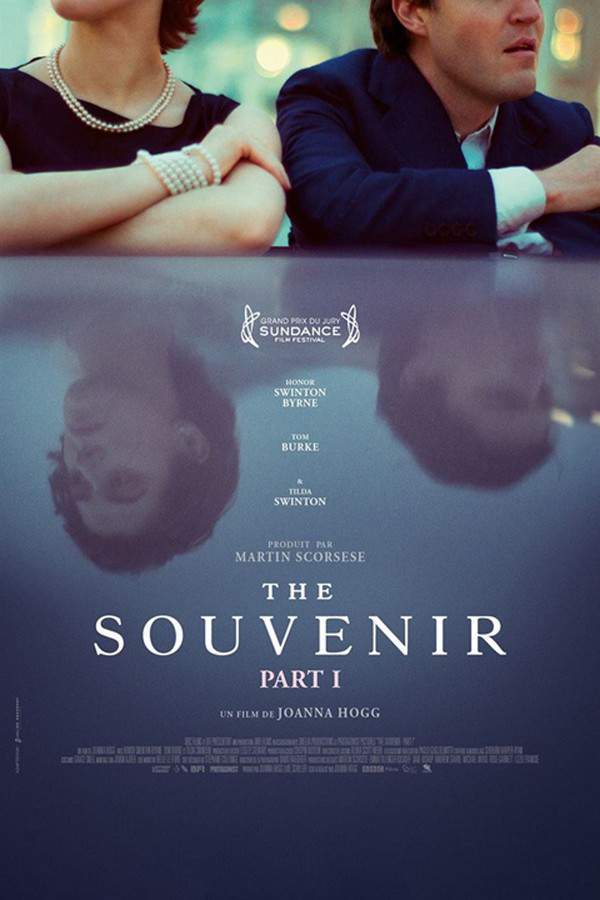
The Souvenir
2019
The End of the Tour
2015
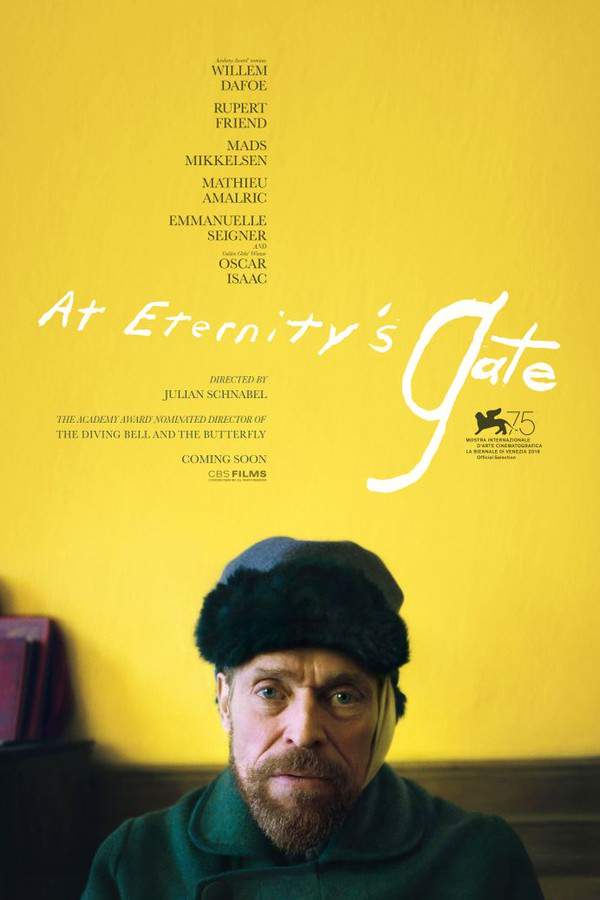
At Eternity's Gate
2018
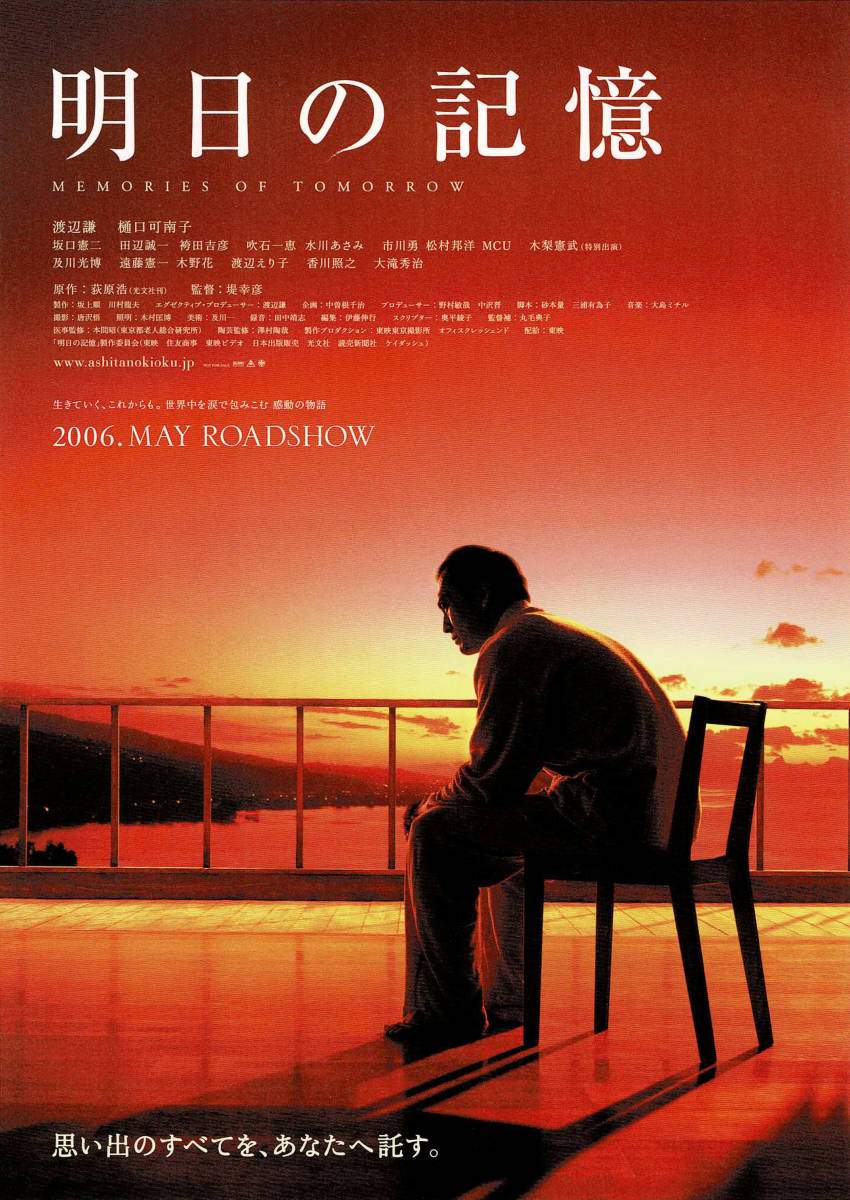
Memories of Tomorrow
2007
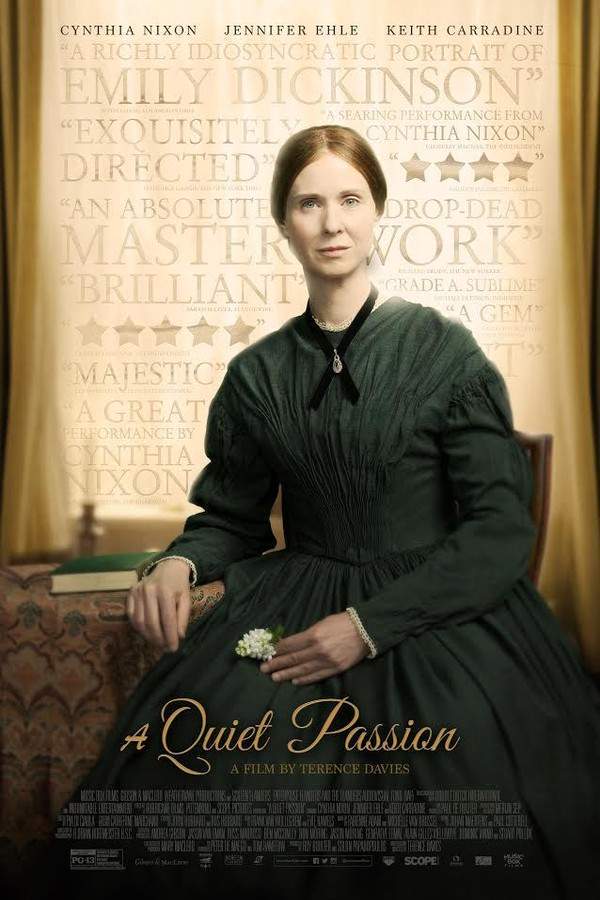
A Quiet Passion
2017
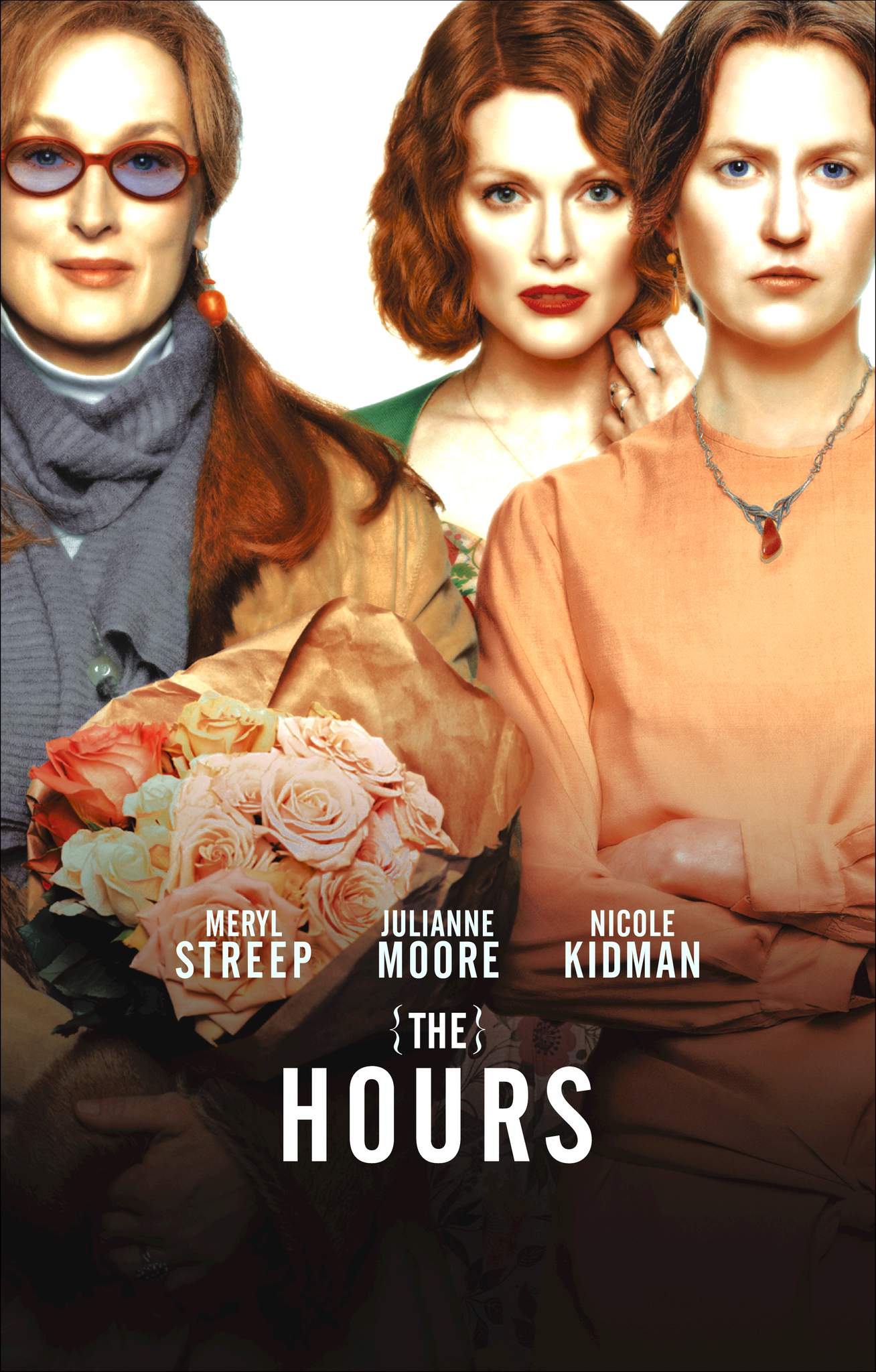
The Hours
2002

A Master Builder
2014
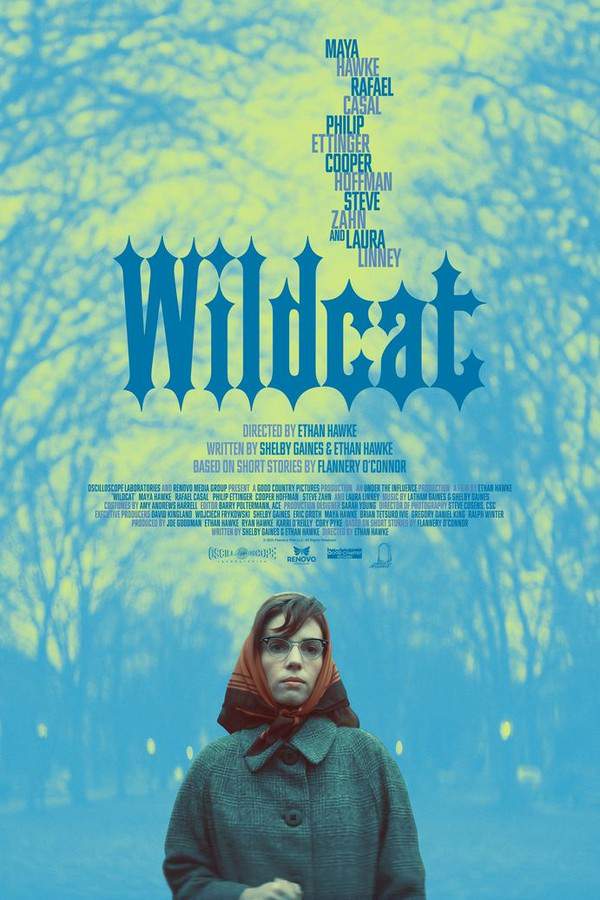
Wildcat
2024

Maria
2024

’Round Midnight
1986

Superstar: The Karen Carpenter Story
1987

The Mad Phoenix
1997

The Story of Adele H.
1975

The Last Time I Committed Suicide
1997

The Beautiful Person
2008
Narrative Summary
Narratives in this thread are typically structured around an observer's perspective—a journalist, a friend, or a colleague—who gets close to a gifted but fragile subject. The story unfolds through conversation and quiet observation, revealing the deep-seated loneliness, depression, or existential angst that often accompanies extraordinary talent.
Why These Movies?
These movies are grouped together because they share a deep focus on character over plot, a melancholic and introspective tone, and a heavy emotional weight centered on themes of genius, mental health, and the isolating nature of success.
Conversational Slow Burn Movies like The End of the Tour
Films where the plot is the dialogue, revealing characters through extended, candid talks.If you liked The End of the Tour for its deep, meandering conversations, these similar films prioritize dialogue over action. Find other slow-paced dramas where character revelation happens through extended, intimate talks, capturing a specific mood of thoughtful reflection.
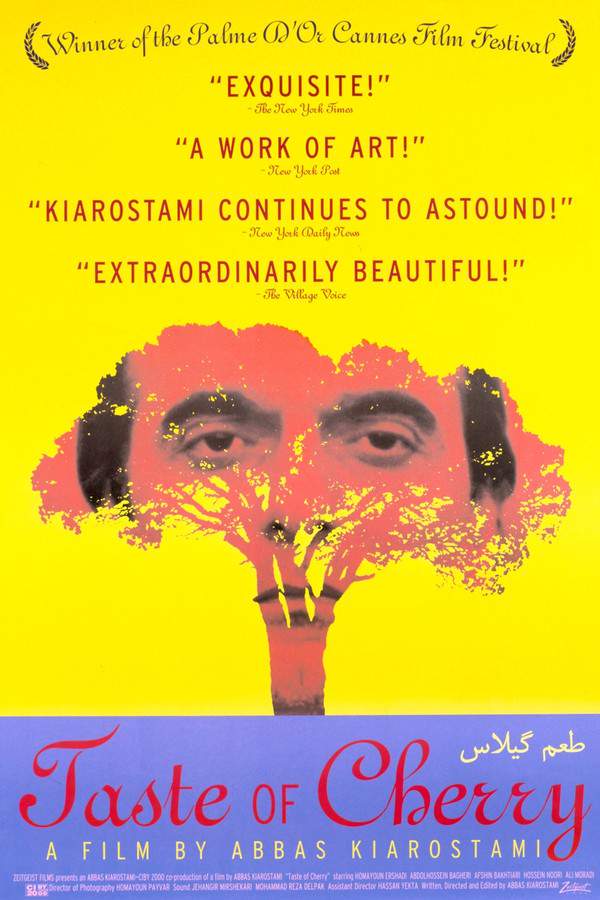
Taste of Cherry
1998
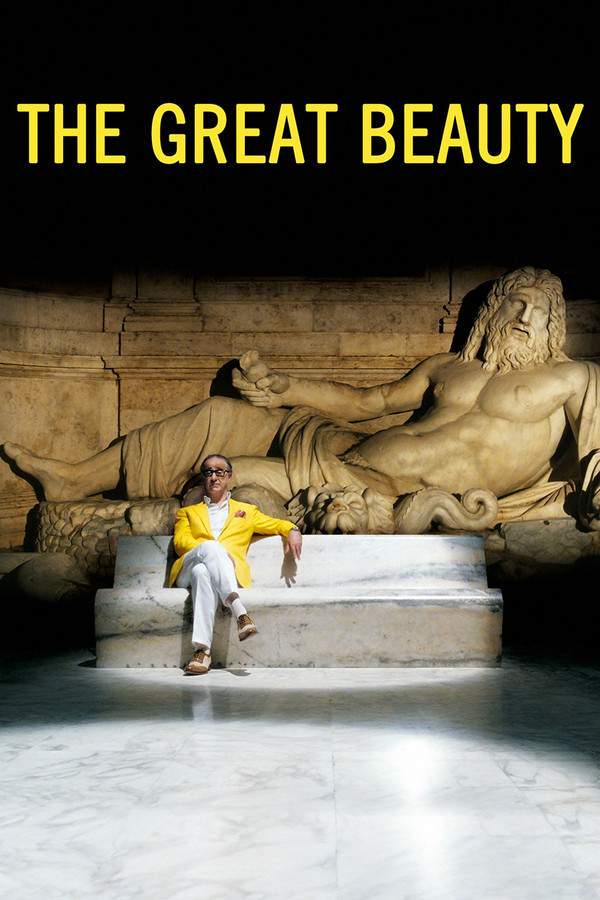
The Great Beauty
2013
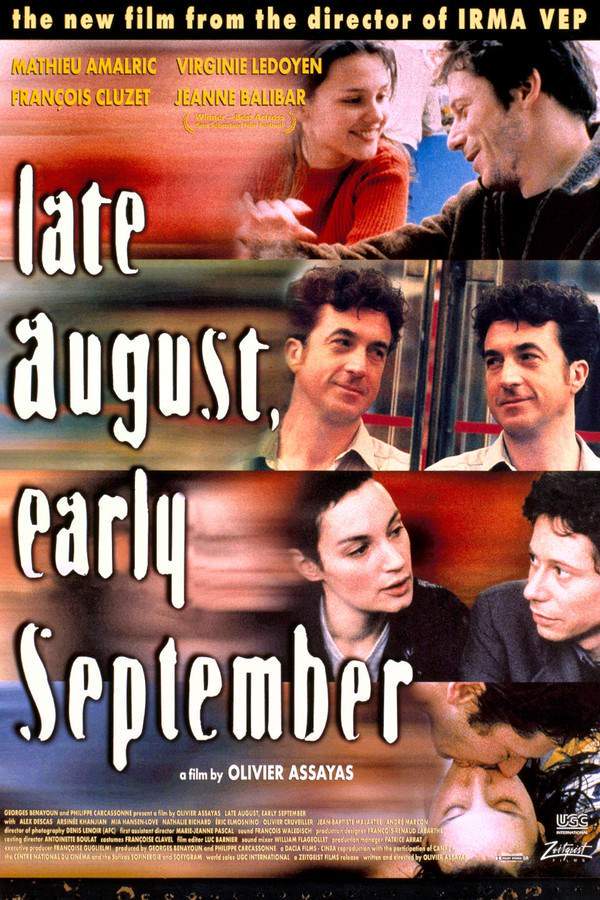
Late August, Early September
1999
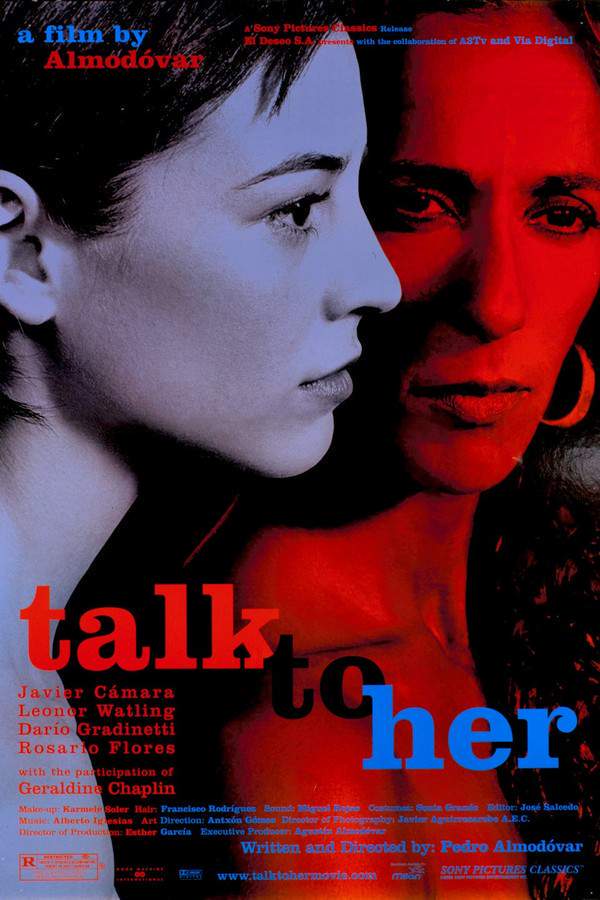
Talk to Her
2002
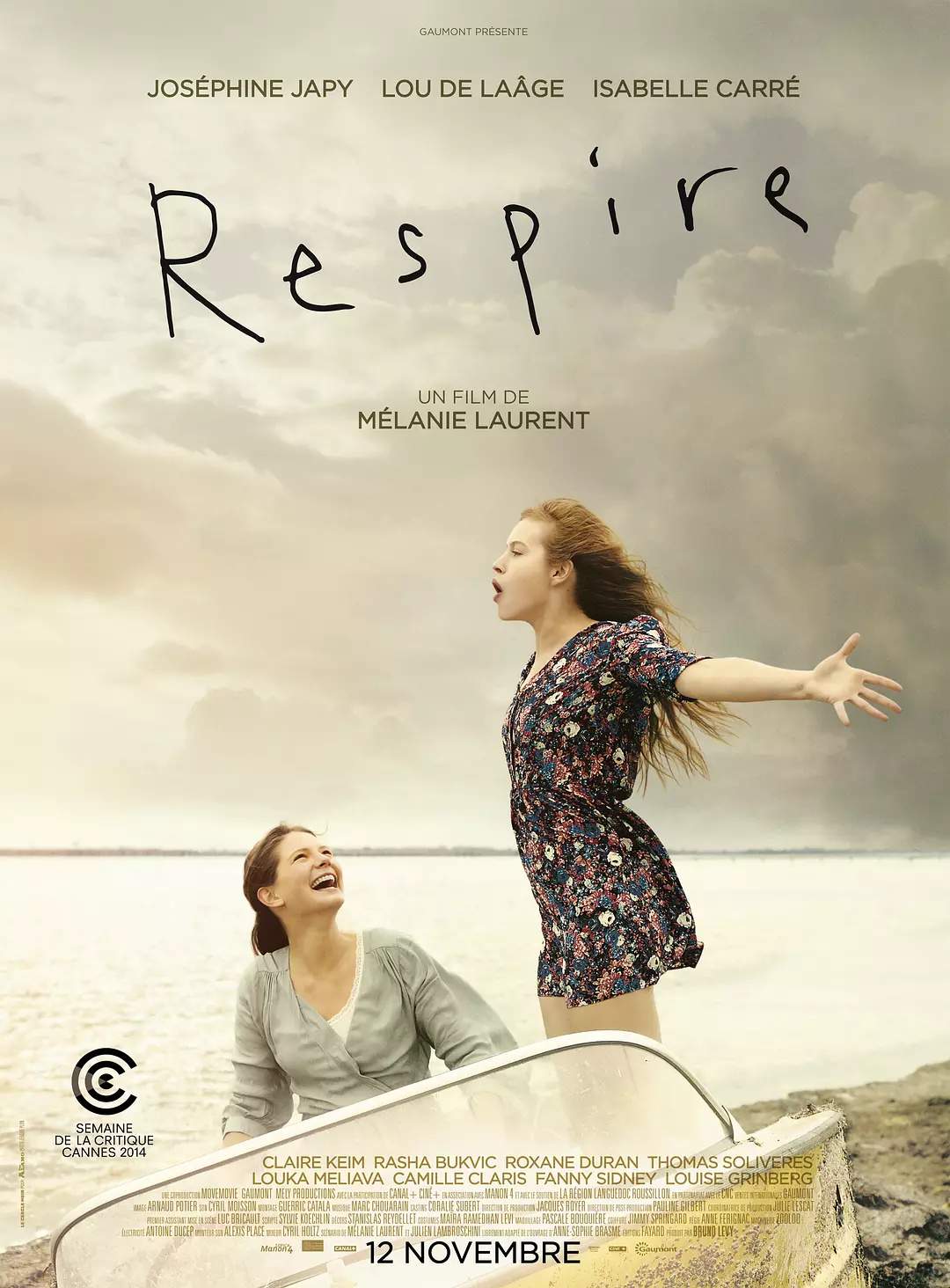
Breathe In
2014
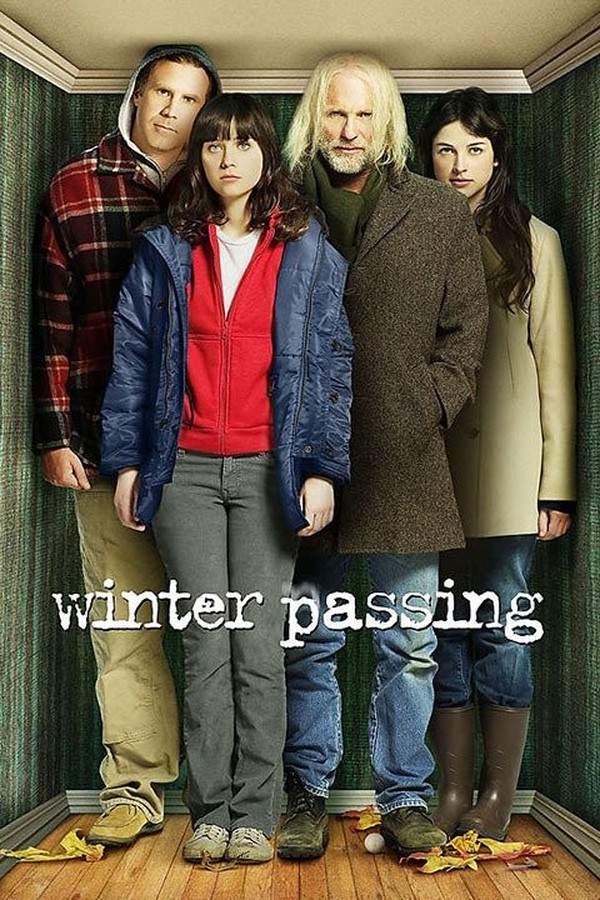
Winter Passing
2006
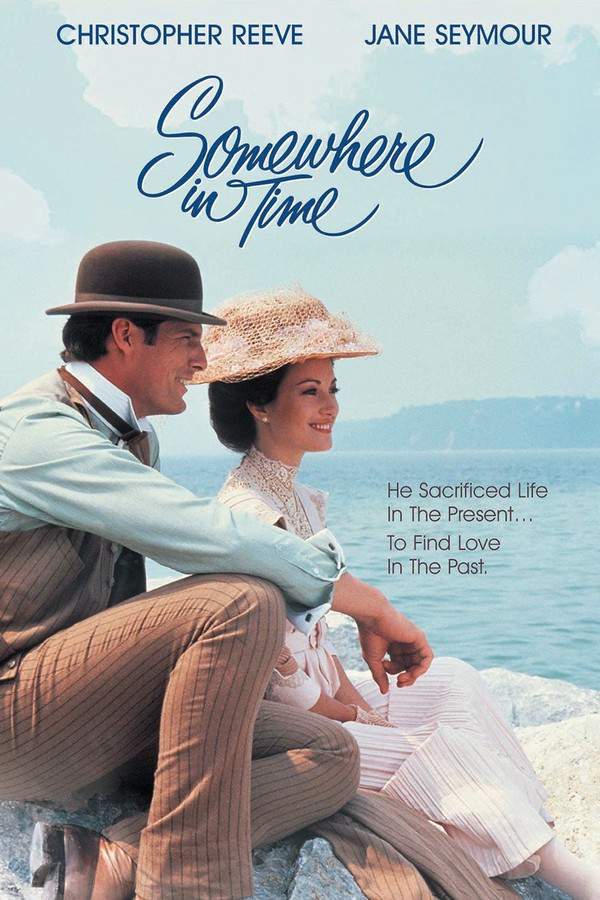
Somewhere in Time
1980

Zen Noir
2006

Dark Illness
1990
Liebestraum
1991

The Passionate Friends
1949

La Notte
1961
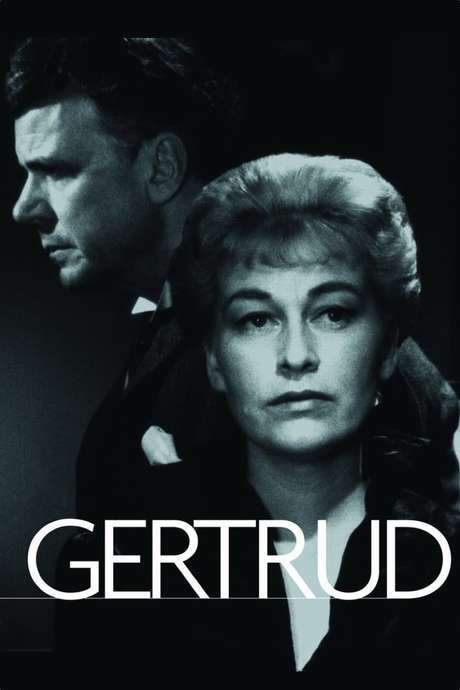
Gertrud
1964

The Go-Between
1971

Conversation Piece
1974
Narrative Summary
The narrative pattern is defined by a confined setting and a limited timeframe—a road trip, a long interview, a shared waiting period—that forces characters into prolonged dialogue. The arc is emotional and psychological, charting the ebbs and flows of a relationship built entirely on words, often with a bittersweet or poignant conclusion.
Why These Movies?
These films share a specific structural and tonal DNA: a deliberate SLOW pacing that allows conversations to breathe, a MEDIUM intensity derived from interpersonal dynamics rather than action, and a focus on creating an intimate, often melancholic, vibe through dialogue.
Unlock the Full Story of The End of the Tour
Don't stop at just watching - explore The End of the Tour in full detail. From the complete plot summary and scene-by-scene timeline to character breakdowns, thematic analysis, and a deep dive into the ending - every page helps you truly understand what The End of the Tour is all about. Plus, discover what's next after the movie.
The End of the Tour Timeline
Track the full timeline of The End of the Tour with every major event arranged chronologically. Perfect for decoding non-linear storytelling, flashbacks, or parallel narratives with a clear scene-by-scene breakdown.

Characters, Settings & Themes in The End of the Tour
Discover the characters, locations, and core themes that shape The End of the Tour. Get insights into symbolic elements, setting significance, and deeper narrative meaning - ideal for thematic analysis and movie breakdowns.


Similar Movies to The End of the Tour
Discover movies like The End of the Tour that share similar genres, themes, and storytelling elements. Whether you’re drawn to the atmosphere, character arcs, or plot structure, these curated recommendations will help you explore more films you’ll love.

The End
1978
About Endlessness
2021

Eternity and a Day
1999
End of Sentence
2020
It's Only the End of the World
2017
Last Days
2005
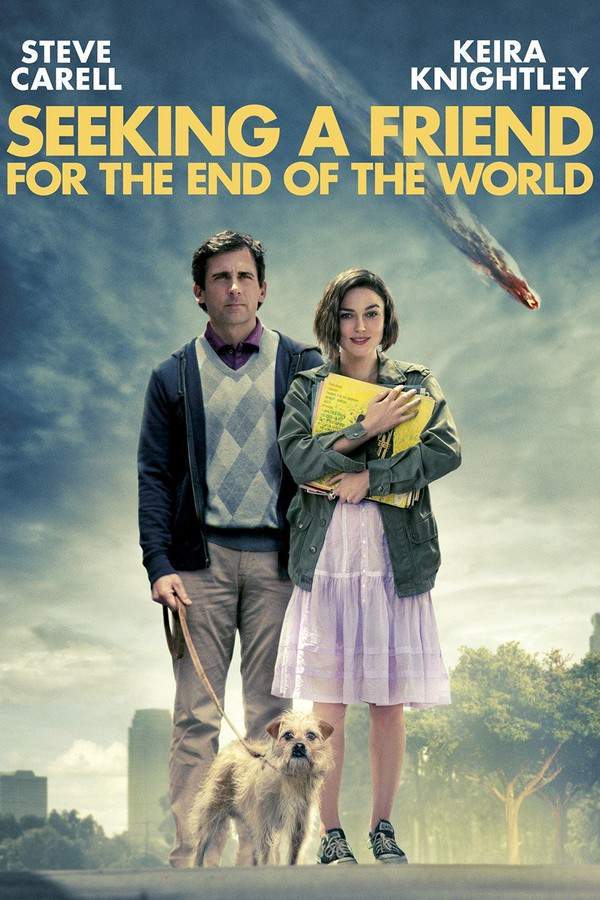
Seeking a Friend for the End of the World
2012
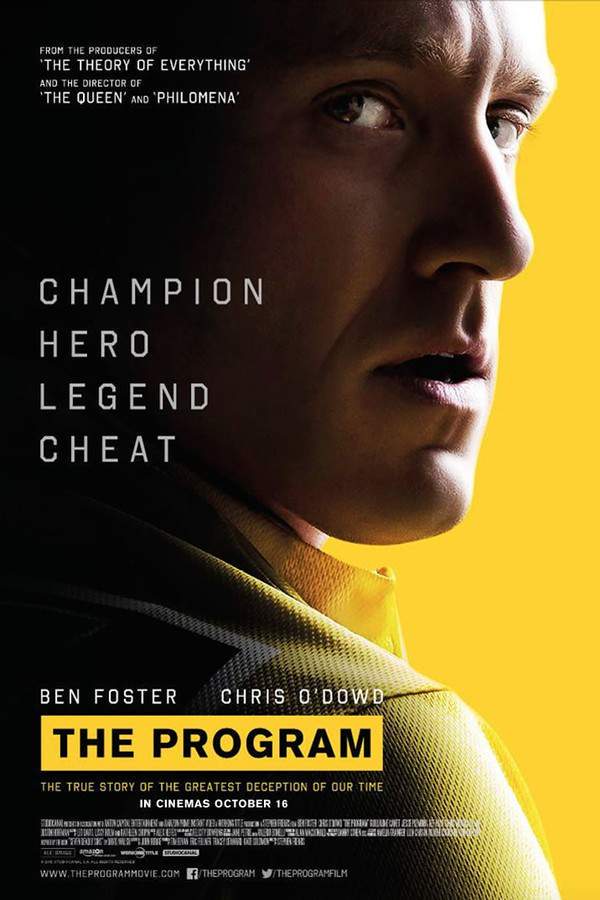
The Program
2016

Almost Famous
2000
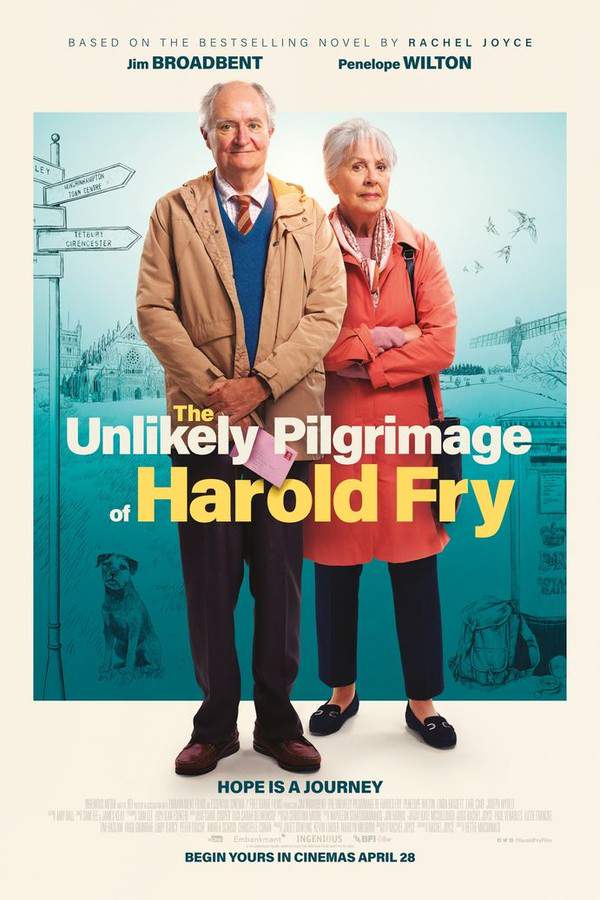
The Unlikely Pilgrimage of Harold Fry
2024
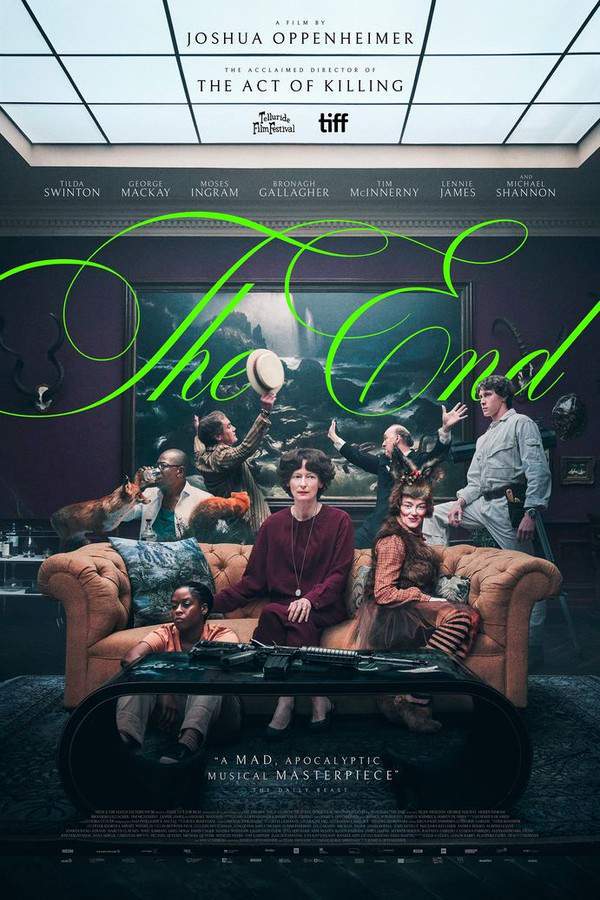
The End
2024

About Endlessness
2019

Journey to the End of the World
1968

End of the Road
1970
-UVZYxLE_O890yA.jpg)
The End (fragments artificiels de l’espèce humaine)
2023
Explore More About Movie The End of the Tour
The End of the Tour (2015) Scene-by-Scene Movie Timeline
The End of the Tour (2015) Movie Characters, Themes & Settings
The End of the Tour (2015) Spoiler-Free Summary & Key Flow
Movies Like The End of the Tour – Similar Titles You’ll Enjoy
The End (1978) Detailed Story Recap
About Endlessness (2021) Spoiler-Packed Plot Recap
Eternity and a Day (1999) Full Movie Breakdown
End of Sentence (2020) Detailed Story Recap
It's Only the End of the World (2017) Full Summary & Key Details
Last Days (2005) Complete Plot Breakdown
Seeking a Friend for the End of the World (2012) Movie Recap & Themes
The Program (2016) Complete Plot Breakdown
Almost Famous (2000) Full Movie Breakdown
The Unlikely Pilgrimage of Harold Fry (2024) Full Movie Breakdown
The End (2024) Plot Summary & Ending Explained
About Endlessness (2019) Story Summary & Characters
Journey to the End of the World (1968) Complete Plot Breakdown
End of the Road (1970) Full Movie Breakdown
The End (fragments artificiels de l’espèce humaine) (2023) Full Summary & Key Details