Plot Explained Spoilers guaranteed!
Plot Explained

Browse by genre

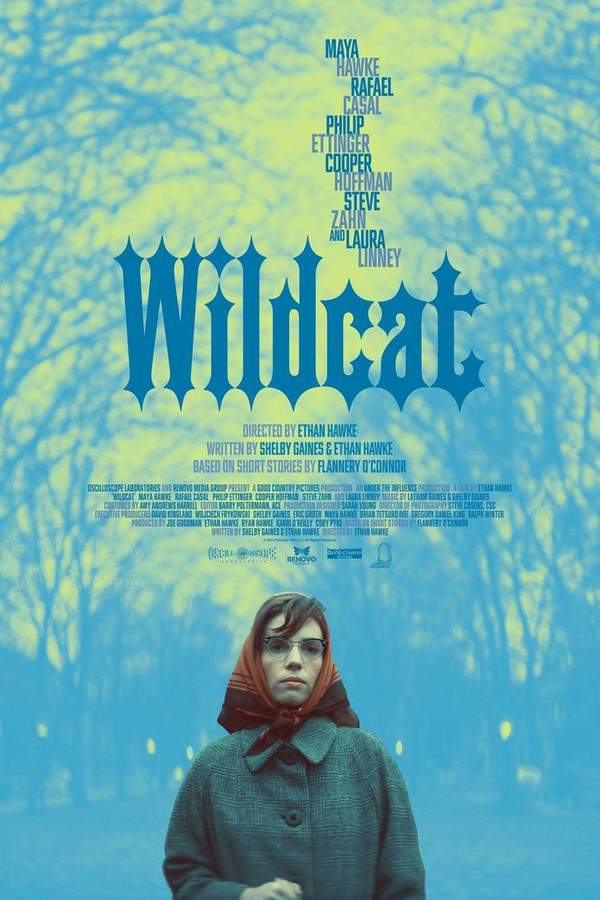
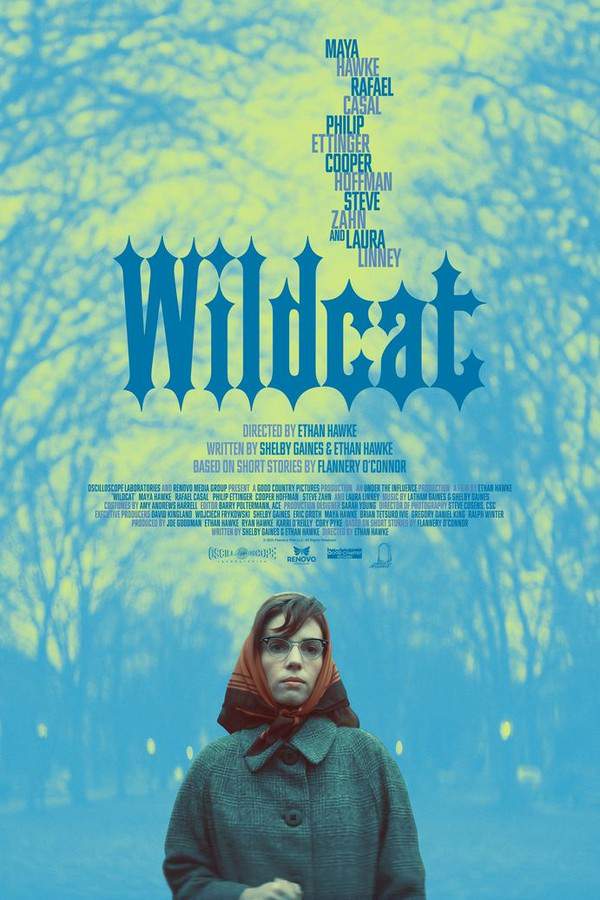
Wildcat (2024) movie poster

Plot Summary

Wildcat (2024) Plot Summary & Ending Explained

Release, runtime and language
2024 · 1 h 43 m · English
Echo score 65
Directed by
Ethan Hawke
Starring
Laura Linney, Maya Hawke, Vincent D'Onofrio, Chaney Morrow, Willa Fitzgerald, Philip Ettinger

The film explores the life of acclaimed Southern Gothic writer Flannery O'Connor as she confronts questions of art, faith, and suffering. As she examines the role of provocative art in relation to her beliefs, the lines between personal pain and creative inspiration become increasingly blurred, prompting a profound exploration of the transformative potential of illness.

On this page (6)
  1. 1 What happens: full plot
  2. 2 Plot questions answered
  3. 3 How it ends
  4. 4 Movie threads
  5. 5 Movies like Wildcat
  6. 6 Every angle

Full plot summary · contains spoilers

What Happens in Wildcat: Full Plot Summary

The whole story of Wildcat (2024) explained, from the opening scene to the final frame: every key event, every twist and what it all adds up to. Read it as a quick recap before the sequel, to check a scene you missed, or to finally understand what really happened.

The film follows Flannery O'Connor, an idiosyncratic young Southern writer and devout Catholic, as she imagines a melodramatic movie trailer in which the crazed, nymphomaniac boarding-house boarder Star Drake drags her hosts into violent trouble. The narrative then unfurls through a blend of imagined episodes and real life, weaving in a mosaic drawn from O'Connor's short stories—The Comforts of Home, Everything That Rises Must Converge, Good Country People, The Life You Save May Be Your Own, Revelation, and Parker's Back—along with a scene from her novel The Violent Bear It Away and monologues adapted from A Prayer Journal.

After a writing competition win, she heads to New York to seek approval from a publisher for her novel Wise Blood, but resists the request to outline the work. In this pivotal moment, she discusses her project with Robert Lowell, who calls O'Connor his most talented student and with whom she shares mutual romantic feelings, though Lowell ultimately marries Elizabeth Hardwick. On the return trip, she is exhausted and develops facial rashes; doctors reveal lupus, the disease that claimed her father. She hesitates to seek medical care at first, but eventually receives treatment, and there are moments when she must rely on crutches, even slipping on stairs.

Back home, her mother Regina tries to help and support her, even as she occasionally reveals racist prejudices and doesn’t always appreciate Flannery's abrasive writing. To comfort herself, Flannery buys a peacock. An Irish priest counsels her about her inner struggles; she notes James Joyce's Ulysses being banned in Ireland, a situation the priest agrees is needless. He urges her to channel charity into her writing and to let her Catholic faith inform her art as a good, patient path forward. After receiving Lowell's note about his marriage to Hardwick, Flannery settles into a focused, concentrated writing life.

The film closes with an intertitle before the credits informing viewers that O'Connor lived another fourteen years, ultimately succumbing to what she called “the French wolf” lupus. The final on-screen text after the credits quotes her gratitude toward thousands of pigs whose pituitary glands were used for the lupus injections that kept her alive.

Last updated: October 09, 2025 at 16:12

Was this helpful?

Plot questions answered

Wildcat Plot Explained: Your Questions Answered

The questions people ask most about Wildcat (2024): what happens in the confusing scenes, why the characters do what they do, the twists, hidden details and what the ending means. Each answer contains spoilers.

Q1

Why does Flannery refuse to outline her novel to the publisher?

Flannery refuses to outline 'Wise Blood' because she wants to preserve the integrity of her creative vision. During her New York meeting, the publisher asks for an outline, but she insists on keeping the novel exactly as she wrote it. This reflects her strong artistic conviction that changing her work to fit commercial expectations would compromise its authenticity.

  • wise blood
  • outline
  • publisher
  • flannery o'connor
  • creative vision
Q2

What happens between Flannery and Robert Lowell in New York?

Robert Lowell, a poet, calls Flannery his most talented student and the two share mutual romantic feelings during their conversation in New York. However, Lowell ultimately marries Elizabeth Hardwick instead. Flannery later receives a letter informing her of his marriage, which leads her to channel her energy into focused, disciplined writing.

Foreshadowing: The scene establishes their connection before Lowell's marriage to Elizabeth Hardwick.

  • robert lowell
  • flannery o'connor
  • romance
  • marriage
  • elizabeth hardwick
Q3

Why does Flannery initially refuse treatment for lupus?

After developing facial rashes and exhaustion following her New York trip, Flannery is diagnosed with lupus, the same disease that killed her father. She initially hesitates to seek medical care, possibly hoping the symptoms would subside. Eventually, she does pursue treatment, though the disease progresses and requires her to use crutches.

  • lupus
  • treatment
  • diagnosis
  • flannery o'connor
  • illness
Q4

What does the "French wolf" reference mean at the end of the movie?

The "French wolf" is how Flannery O'Connor metaphorically referred to lupus, the disease that ultimately killed her. The term appears in the closing intertitle when the film reveals she lived another fourteen years before succumbing to the illness.

  • french wolf
  • lupus
  • death
  • flannery o'connor
  • metaphor
Q5

Why does Flannery buy a peacock in the movie?

Flannery buys a peacock to comfort herself during her illness and emotional struggles. The bird becomes a source of solace as she deals with the physical and emotional challenges of living with lupus, representing her search for beauty and meaning amid suffering.

  • peacock
  • comfort
  • illness
  • flannery o'connor
  • pet
Q6

How does the film blend Flannery O'Connor's fiction with her real life?

The film weaves together imagined episodes drawn from O'Connor's short stories, including 'The Comforts of Home,' 'Good Country People,' and 'Revelation', with actual events from her life. It also includes monologues from her 'Prayer Journal' and scenes from her novel 'The Violent Bear It Away.' This mosaic structure creates a portrait of her creative voice and the relationship between her faith, suffering, and art.

  • short stories
  • wilson
  • wise blood
  • prayer journal
  • creative process
Q7

What does the Irish priest advise Flannery about her faith and writing?

An Irish priest counsels Flannery about her internal struggles with faith and art, encouraging her to channel charity into her writing and let her Catholic faith inform her work. He suggests this path represents a good, patient way forward. During their conversation, Flannery also mentions James Joyce's 'Ulysses' being banned in Ireland, which the priest agrees is needless.

  • priest
  • faith
  • writing
  • charity
  • catholic
  • james joyce
Q8

Why does Flannery's mother Regina upset her?

While Flannery's mother Regina tries to support her during her illness, she occasionally reveals racist prejudices and does not always appreciate Flannery's abrasive writing style. This creates tension between them, even as Regina attempts to help her daughter cope with the disease.

  • regina
  • mother
  • racism
  • flannery o'connor
  • family conflict
Q9

How does Flannery respond after learning about Lowell's marriage?

After receiving Robert Lowell's note informing her of his marriage to Elizabeth Hardwick, Flannery gravitates toward a life of concentrated, disciplined writing. Rather than dwelling on the romantic disappointment, she channels her energy into her work, settling into a focused creative period.

  • lowell
  • marriage
  • writing
  • flannery o'connor
  • resolution
Q10

Why does the film thank pigs in the closing credits?

The closing credits include a quote from Flannery O'Connor expressing gratitude toward thousands of pigs whose pituitary glands were used for the lupus injections that kept her alive for fourteen years after her diagnosis. This detail reflects her characteristic dark humor and acknowledgment of the biological reality of her treatment.

  • pigs
  • injections
  • lupus treatment
  • gratitude
  • credits

Ending explained

What Happens at the End of Wildcat?

How Wildcat (2024) ends, in short: the final scene, the last twist and what it means for the characters. The full ending explained, with every spoiler, lives on its own page.

Read the full ending explained

In the final scenes of "Wildcat," Flannery O’Connor finds a sense of peace and purpose within her Georgia home. She adjusts her writing space so that her desk now faces a Cross, symbolizing her renewed spiritual connection and her desire to serve God through her work. This act reflects her understanding that her suffering and faith are intertwined, and that her artistic expression can be a divine calling. The image of the peacock feather spreading signifies a fresh beginning—both spiritually and professionally. It suggests that even in her pain and struggle, she has discovered a form of grace and redemption. Flannery’s acceptance of her circumstances, her commitment to her faith, and her focus on her work mark her journey from hardship to a place of quiet acceptance, signalling that her story is just beginning anew. Her life in Georgia, once seen as a limitation, now becomes a foundation for her spiritual and creative growth, implying that her true purpose lies in embracing her suffering as a means to connect with the divine. She continues to write in her remaining years, and her legacy as a writer and a person of faith is ultimately affirmed in this poignant conclusion.

Wildcat ending explained in full

Movie threads

More Movies Like Wildcat, by Mood & Story

Curated lists built around what makes Wildcat tick: the same mood, the same kind of story or the same emotional payoff. Each list explains why these movies belong together.

Movies about artists and writers in isolation like Wildcat

Stories of creators wrestling with inspiration in the quiet corners of life. If you were captivated by the depiction of Flannery O'Connor's creative process in 'Wildcat', explore these other movies about artists and writers in isolation. This collection features similar biographical dramas and character studies focused on the solitary pursuit of art, faith, and the struggle to create under difficult circumstances.

  • introspective
  • contemplative
  • solitary
  • creative
  • melancholic
  • reflective
  • Tone: melancholic, reflective, introspective
  • Pacing: slow, deliberate, character-driven
Why these movies?

The story pattern: These narratives typically follow a character, often a real-life figure, as they grapple with their craft. The conflict is frequently internal—a battle with doubt, illness, or societal expectations—rather than external action. The story unfolds through a slow, deliberate pacing that mirrors the creative process itself, culminating in a deeper understanding of the artist's work and life.

Why they belong together: Movies are grouped here for their shared focus on the artist's journey, a melancholic and contemplative tone, and a pacing that allows for deep character immersion. They explore the intrinsic link between personal suffering and creative output, offering a meditative look at how art is born from solitude.

Movies about faith and suffering like Wildcat

Profound journeys where characters grapple with belief in the face of pain. For viewers who appreciated the deep theological questions in 'Wildcat', this list highlights movies that similarly explore faith through suffering. Discover similar dramatic stories where characters face chronic illness, personal loss, or moral dilemmas that test their religious beliefs, leading to a complex and emotionally heavy viewing experience.

  • faith
  • suffering
  • contemplative
  • heavy
  • melancholic
  • spiritual
  • Tone: melancholic, heavy, contemplative
  • Pacing: slow, meditative
Why these movies?

The story pattern: The narrative pattern involves a protagonist confronting a life-altering hardship that directly challenges their worldview. The story arc is less about external victory and more about an internal, spiritual reckoning. The pacing is often slow and meditative, allowing the weight of the questions to settle, and endings are typically sad or bittersweet, reflecting the complexity of faith.

Why they belong together: These films are connected by their heavy emotional weight, serious treatment of theological themes, and a melancholic tone. They share a common focus on how profound suffering can shape and interrogate a person's relationship with God, art, and the meaning of their existence.

If you liked this

Movies Like Wildcat

Similar movies to Wildcat: the same genre, themes or kind of story. Each one comes with its own plot summary, timeline and ending explained.

Browse all movie summaries

Every angle

Wildcat (2024) Explained: Plot, Ending, Timeline & Characters

Everything about Wildcat in one place: what happens in the plot summary, the timeline in chronological order, the characters and meaning, the ending explained and a spoiler-free summary. What's After the Movie adds the cast, box office and post-credit scenes.

Coming soon on iOS and Android

The Plot Explained Movie Summary App

Plot summaries, endings explained and timelines on your phone. Catch up on any movie in minutes, save your favorites and never miss a twist again.

Be the first to know when we launch. Your email stays private, always.

Learn more about the app