Plot Explained Spoilers guaranteed!
Plot Explained

Browse by genre

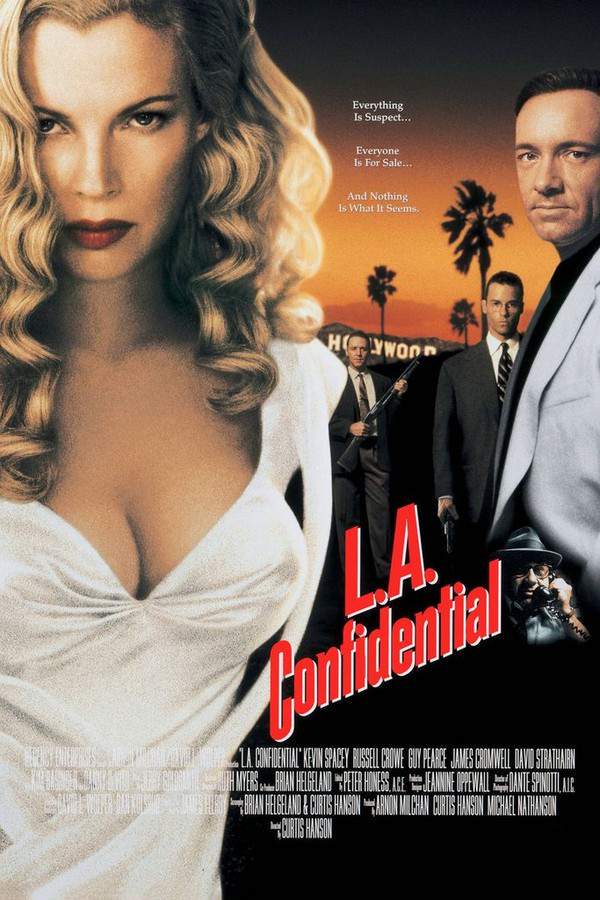
L.A. Confidential (2003) movie poster

Plot Summary

L.A. Confidential (2003) Plot Summary Explained

Release, runtime and language
2003 · 47 mins · English
Directed by
Eric Laneuville
Starring
David Hutchison, Robert Foxworth, Kiefer Sutherland, Pruitt Taylor Vince, Tom Nowicki, Anna Gunn

As corruption grows in 1950s LA, three policemen - one strait-laced, one brutal, and one sleazy - investigate a series of murders with their own brand of justice.

On this page (5)
  1. 1 What happens: full plot
  2. 2 Plot questions answered
  3. 3 Movie threads
  4. 4 Movies like L.A. Confidential
  5. 5 Every angle

Full plot summary · contains spoilers

What Happens in L.A. Confidential: Full Plot Summary

The whole story of L.A. Confidential (2003) explained, from the opening scene to the final frame: every key event, every twist and what it all adds up to. Read it as a quick recap before the sequel, to check a scene you missed, or to finally understand what really happened.

Set in the smoky, sun-washed streets of 1950s Los Angeles, this noir-tinged drama follows a group of LAPD officers who find themselves drawn into a dangerous web of sex, corruption, and murder after a mass shooting at the Nite Owl coffee shop. What begins as a brutal crime spree quickly spirals into a sprawling inquiry that brushes against organized crime, political graft, heroin trafficking, pornography, prostitution, and the glittering yet corrupt world of Hollywood. The tale’s edge is sharpened by a meta-mable of scandal, with the title nodding to the sensational Confidential magazine, reimagined here as Hush-Hush, a device that underscores an era obsessed with exposing and exploiting scandal. The plot also touches on the real “Bloody Christmas” scandal, hinting at the brutal realities that lie beneath surface-level headlines.

At the center are the three protagonists, all LAPD officers: Ed Exley, a principled yet calculating detective who informs on police brutality scandals and pursues advancement through political maneuvering; Bud White, a tall, intimidating enforcer whose ferocious commitment to protecting women stems from his own troubled past; and Jack Vincennes, a celebrity cop who serves as a technical adviser on a TV show and feeds tips to a scandal magazine. Their clashing temperaments and divergent goals initially pull them in different directions, but the investigation gradually binds them together as they uncover a conspiracy that links the night’s violence to broader forces at work within the city—across criminal rings, powerful officials, and the Hollywood machine.

As the trio pools their distinct methods—Exley’s methodical, reform-minded approach; White’s rough justice and street smarts; and Vincennes’s media-savvy connections—they must navigate betrayals, cover-ups, and the seductive pull of fame and power. The story unfolds with a measured, noir-tinged cadence, balancing character-driven drama with the sweeping scope of a city where corruption can seep into every layer of society. In the end, the three men confront the systemic rot that has shaped their world, forcing them to reckon with the idea that truth, justice, and survival sometimes require difficult compromises and hard-won alliances.

Last updated: February 20, 2026 at 18:44

Was this helpful?

Plot questions answered

L.A. Confidential Plot Explained: Your Questions Answered

The questions people ask most about L.A. Confidential (2003): what happens in the confusing scenes, why the characters do what they do, the twists, hidden details and what the ending means. Each answer contains spoilers.

Q1

Why did Ed Exley choose to inform on fellow officers in the brutality scandal?

Ed Exley, the son of a famed detective, informed on fellow officers involved in a police brutality scandal to advance his political career within the LAPD. Although he was principled in his desire for reform, his calculation to use the scandal as a stepping stone to power also earned him powerful enemies within the department. His ambition drove him to make difficult choices that put him at odds with colleagues who viewed his actions as betrayal.

Foreshadowing: Early scenes establish Exley's calculating nature and his desire to climb the political ladder, hinting at his willingness to sacrifice loyalty for advancement.

  • ed exley
  • police brutality
  • lapd corruption
  • informant
  • political ambition
Q2

Why is Bud White so obsessed with protecting women?

Bud White's obsessive commitment to protecting women stems from his traumatic childhood, where he witnessed his mother being abused by men. This experience shaped his personal code and drives his fierce enforcement of justice against anyone who harms women. His methods are brutal and often cross ethical lines, but his motivation comes from a deep-seated need to prevent the suffering he witnessed as a child.

Foreshadowing: White's violent reactions to any case involving abused women reveal early on that this is more than professional duty, it's personal.

  • bud white
  • women protection
  • childhood trauma
  • personal code
  • abuse
Q3

How did Jack Vincennes become a celebrity cop and advisor?

Jack Vincennes leveraged his position as an LAPD officer to become a celebrity cop who served as a technical adviser on a television show. Simultaneously, he fed tips to the scandal magazine Hush-Hush, using his media connections to advance his own career and profit from sensational crime stories. His dual role made him valuable to the investigation but also compromised by his ties to media sensationalism.

Foreshadowing: Vincennes's comfort with celebrity culture and his easy access to the entertainment industry hint at his willingness to blur ethical boundaries.

  • jack vincennes
  • celebrity cop
  • tv advisor
  • hush-hush magazine
  • media corruption
Q4

What connects the Nite Owl coffee shop massacre to the wider conspiracy?

The Nite Owl massacre, a brutal shooting that shocked Los Angeles, was not an isolated incident but the trigger that led detectives to uncover a massive web of corruption. The investigation revealed connections between the violence and organized crime, political graft, heroin trafficking, pornography, prostitution, and the scandal magazine Hush-Hush. The case became a gateway to exposing systemic rot throughout the city.

Foreshadowing: The timeline hints from the start that the Nite Owl case 'is not isolated but connected to a wider conspiracy.'

  • nite owl
  • massacre
  • conspiracy
  • organized crime
  • corruption
Q5

What is the Bloody Christmas scandal in the movie?

The Bloody Christmas scandal refers to a real historical event in 1953 Los Angeles where LAPD officers were involved in a violent incident and subsequent cover-up. In the movie, this scandal surfaces during the investigation, threatening the legitimacy of the LAPD and the careers of many officers. The detectives must decide how far to go to expose the truth as evidence mounts against their own colleagues.

Foreshadowing: The Nite Owl investigation itself begins to unravel details that connect to the broader police corruption represented by Bloody Christmas.

  • bloody christmas
  • lapd scandal
  • 1953
  • police cover-up
  • corruption
Q6

Why do the three rival detectives end up working together?

Despite their clashing temperaments and divergent goals, Exley's political ambition, White's rough justice, and Vincennes's media savvy, the three detectives gradually form an uneasy alliance as the investigation reveals the depth of the conspiracy. Their different skills complement each other: Exley's methodical approach, White's street smarts, and Vincennes's media connections. They set aside personal rivalries to expose the corruption that threatens all of them.

Foreshadowing: Early tension between the three men shows their methods pulling them apart, but the growing conspiracy forces them to recognize they need each other.

  • exley
  • white
  • vincennes
  • partnership
  • alliance
  • conspiracy
Q7

What role does Hush-Hush magazine play in the story?

Hush-Hush, modeled after the real Confidential magazine, is a scandal publication that profits from exposing crime stories and celebrity secrets. Jack Vincennes feeds tips to the magazine, blurring the line between journalism and misconduct. The investigation reveals how Hush-Hush both provides leads and profits from the corruption the detectives are trying to expose, creating a conflict about whether to take on such a powerful media ally.

Foreshadowing: Vincennes's relationship with Hush-Hush is established early, showing how media sensationalism and crime are intertwined.

  • hush-hush
  • confidential magazine
  • scandal publication
  • media
  • celebrity
Q8

How does the corruption extend into Hollywood?

The conspiracy connects police corruption, crime syndicates, and the entertainment industry through networks of heroin trafficking, pornography, and prostitution that reach into political circles and film studios. Hollywood's shadow looms large as crimes connect to studios and celebrity culture, revealing how fame can shield or expose criminals depending on who wields power. The investigation threatens the credibility of the entertainment industry.

Foreshadowing: Vincennes's Hollywood connections and his role as a TV adviser provide early insight into how the entertainment world intersects with crime.

  • hollywood
  • film industry
  • celebrity
  • vice
  • organized crime
  • studios
Q9

Do the detectives successfully expose the corruption?

The trio manages to assemble the conspiracy's pieces, gather evidence, and expose cover-ups that threaten powerful people with public exposure. This marks a turning point as they begin to tilt the balance against the systemic corruption. However, the resolution is bittersweet, justice comes at a price, requiring difficult compromises and hard-won alliances. The ending suggests reform begins, but the cost is heavy.

Foreshadowing: The alliance forms precisely because the conspiracy becomes too big for any one of them to handle alone.

  • exposure
  • justice
  • corruption
  • reforms
  • truth
  • aftermath
Q10

Why is the 1950s Los Angeles setting important to the story?

The 1950s Los Angeles setting is crucial because it captures an era obsessed with scandal, fame, and hidden corruption. The period saw real magazines like Confidential thrive on exposing celebrity secrets, while police corruption and organized crime proliferated. The smoky, sun-washed noir atmosphere reflects a city where corruption seeps into every layer of society, from the police force to Hollywood, making the setting almost like a character itself.

Foreshadowing: The title's reference to Confidential magazine signals from the start that the era's obsession with scandal is central to the narrative.

  • 1950s
  • los angeles
  • noir
  • historical
  • setting
  • era
Q11

What triggers the final confrontation in the movie?

The final confrontation is triggered when the three detectives gather enough evidence to expose the cover-up of the Nite Owl murders and the broader corruption network. Confrontations lead to revelations about who orchestrated the cover-up and how deep the corruption runs. Career and personal loyalties are tested as the truth emerges, forcing each character to face the consequences of their actions and choices.

Foreshadowing: The alliance's decision to threaten powerful people with public exposure is the catalyst that forces the final showdown.

  • final confrontation
  • evidence
  • cover-up
  • revelation
  • truth
Q12

What drives the conflict between Ed Exley and Bud White?

The conflict between Exley and White stems from their fundamentally different approaches to justice: Exley is methodical, calculating, and willing to work within the political system, while White relies on rough justice and street smarts, often using violence. Their rivalry persists throughout the investigation, but they eventually recognize they need each other's skills. White partners with Exley but remains wary of politics and cover-ups, creating ongoing tension.

Foreshadowing: Early scenes establish their clashing temperaments, Exley's political maneuvering versus White's brutal enforcement methods.

  • ed exley
  • bud white
  • conflict
  • rivalry
  • methods
  • justice

Movie threads

More Movies Like L.A. Confidential, by Mood & Story

Curated lists built around what makes L.A. Confidential tick: the same mood, the same kind of story or the same emotional payoff. Each list explains why these movies belong together.

Gritty Neo-Noir Police Corruption like in L.A. Confidential

Morally compromised detectives navigate a system rotten to its core. For viewers who liked the corrupt police force and dark atmosphere of L.A. Confidential, this list features movies with morally ambiguous detectives, systemic corruption, and a tense, neo-noir vibe. Find more complex crime dramas where the investigation exposes a rot deeper than any one criminal.

  • neo-noir
  • gritty
  • tense
  • cynical
  • corrupt
  • atmospheric
  • Tone: dark, cynical, tense
  • Pacing: steady, methodical
Why these movies?

The story pattern: The narrative typically follows a dogged investigation that peels back layers of a city-wide conspiracy, revealing that the real villains are often the ones in power. Protagonists face impossible moral choices, forcing them to decide whether to play by the rules of a broken system or become an outlaw to achieve a form of justice.

Why they belong together: Movies grouped here share a foundational cynicism about institutions, particularly law enforcement. They are united by a dark, atmospheric tone, complex plotting, and protagonists whose personal flaws are both a hindrance and the key to survival in a world devoid of clear-cut heroes.

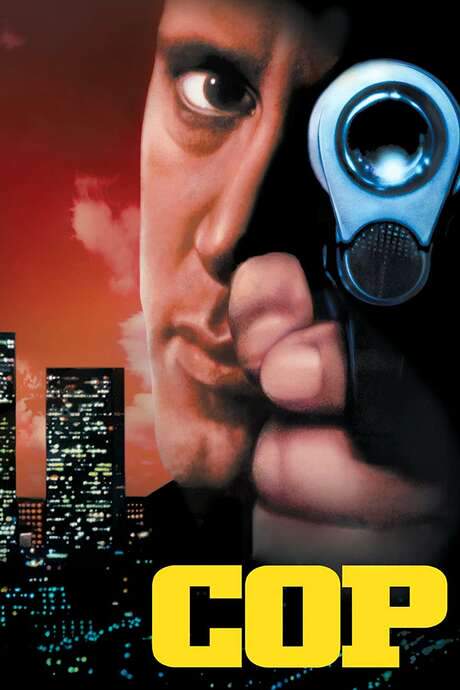
Morally Complex Crime Investigations like in L.A. Confidential

Crime stories where the search for truth forces impossible ethical choices. If you were fascinated by the clashing methods and ethical dilemmas of the cops in L.A. Confidential, explore these movies. They feature investigations that delve into moral ambiguity, where the heroes are flawed and justice is never simple. Discover more films with heavy emotional weight and bittersweet resolutions.

  • moral ambiguity
  • complex
  • tense
  • heavy
  • gritty
  • psychological
  • Tone: dark, bittersweet, heavy
  • Pacing: steady, character-driven
Why these movies?

The story pattern: The plot revolves around a central mystery or crime that exposes the flawed morality of all involved. Multiple characters with conflicting perspectives—the by-the-book cop, the brutal enforcer, the opportunistic informant—collide, showcasing different facets of a corrupt world. The resolution rarely offers clean victory, instead delivering a sobering reckoning with the cost of achieving a compromised form of justice.

Why they belong together: These films are grouped by their shared focus on moral complexity within the crime genre. They prioritize character-driven narratives over simple action, featuring heavy emotional weight, steady pacing that allows for psychological depth, and endings that are more bittersweet than triumphant.

If you liked this

Movies Like L.A. Confidential

Similar movies to L.A. Confidential: the same genre, themes or kind of story. Each one comes with its own plot summary, timeline and ending explained.

Browse all movie summaries

Every angle

L.A. Confidential (2003) Explained: Plot, Timeline & Characters

Everything about L.A. Confidential in one place: what happens in the plot summary, the timeline in chronological order, the characters and meaning and a spoiler-free summary. What's After the Movie adds the cast, box office and post-credit scenes.

Coming soon on iOS and Android

The Plot Explained Movie Summary App

Plot summaries, endings explained and timelines on your phone. Catch up on any movie in minutes, save your favorites and never miss a twist again.

Be the first to know when we launch. Your email stays private, always.

Learn more about the app