Plot Explained Spoilers guaranteed!
Plot Explained

Browse by genre

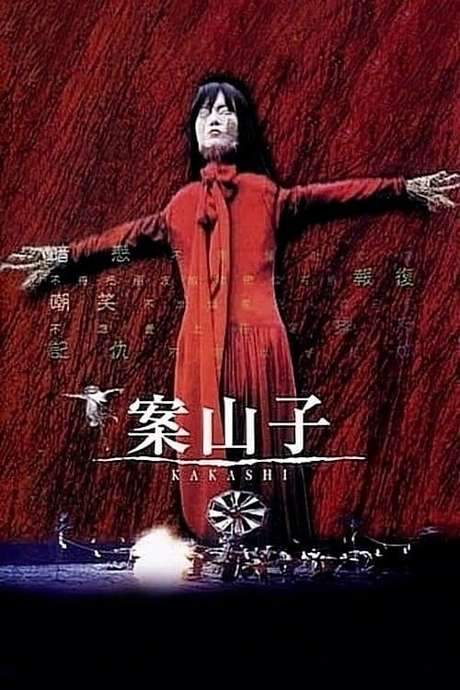
Kakashi (2001) movie poster

Characters & Themes

Kakashi (2001) Characters, Setting & Themes Explained

Release, runtime and language
2001 · 86 mins · Japanese
Loading streaming availability…
Directed by
Norio Tsuruta
Starring
Yoshiyuki Morishita, Yoji Tanaka, Maho Nonami, Ko Shibasaki, Bob Suzuki, Yoshiki Arizono

Kaoru’s search for her missing brother Tsuyoshi brings her to the isolated village of Kozukata, deep in rural Japan. The townspeople are hostile toward her, except for a compassionate Chinese girl named Sally. After her car breaks down, Kaoru finds herself stranded and must confront a past mistake that may demand repayment.

On this page (9)
  1. 1 Where to watch
  2. 2 Characters explained (12)
  3. 3 Where & when it takes place
  4. 4 Themes & meaning (3)
  5. 5 Character & meaning questions
  6. 6 The book behind the movie
  7. 7 Movie threads
  8. 8 Movies like Kakashi
  9. 9 Every angle
Loading streaming availability…

12 main characters · contains spoilers

Kakashi Characters Explained: Who Is Who

The main characters of Kakashi (2001), heroes and villains: what drives them, how they change over the course of the story and what each of them reveals about the film's bigger ideas.

  • Kaoru Yoshikawa (Maho Nonami)

    A determined young woman who travels to Kozukata to find her missing brother Tsuyoshi. Her protective nature clashes with Izumi's legacy, pulling her into the village's deadly traditions. As the festival unfolds, she must confront both a haunting past and the consequences of fierce family loyalty.

    • 🎭 Protagonist
    • 🧭 Determined
    • 🛡️ Protective
  • Izumi Miyamori (Ko Shibasaki)

    Former friend of Kaoru who had fallen in love with Tsuyoshi. She died years ago, and her ghost reappears during Kakashi Matsuri, driving jealousy and shaping the scarecrow ritual. Her presence reveals the dark side of unrequited love and grief turning deadly.

    • 👻 Ghost
    • 💔 Jealous
    • 📝 Diary
  • Tsuyoshi Yoshikawa (Shunsuke Matsuoka)

    Kaoru's brother who slips into a trance in the village; he becomes a catalyst for their escape and ultimately appears as a guiding spirit to Kaoru. His loyalty to his sister and his own quiet strength anchor the trio's attempt to flee the festival's horrors.

    • 👦 Brother
    • 🧭 Loyal
    • 🌀 Trance
  • Kozo Miyamori (Kenzo Kawarasaki)

    played by Kenzō Kawarasaki

    Izumi's father who warmly welcomes Kaoru but is entangled in the village's ritual. He recognizes the danger yet participates in the festival's cycle, contributing to the tragic grip the tradition has on the family and community.

    • 👨 Father
    • 🪵 Traditional
    • 💡 Realist
  • Yukie Miyamori (Lily)

    Izumi's mother, cold and wary like many villagers. She participates in the festival's ritualistic atmosphere, ultimately meeting a brutal end as Izumi's scarecrow asserts its deadly reach.

    • 👩 Mother
    • ❄️ Cold
    • 🪶 Stoic
  • Sally Chen (Grace Yip Pui-Man)

    A Chinese resident of Kozukata whose presence stirs tension with Kaoru. Her father is revealed to be a living scarecrow, and Sally's stance shifts from antagonism to reluctant alliance as they attempt to survive the night.

    • 🧭 Outsider
    • 🧩 Ally
    • 🔮 Secrets
  • Shûsaku Noji (Yoshiki Arizono)

    Ayumi Noji's father who participates in the festival. He becomes a victim of the ritual when Ayumi, revealed as a scarecrow, turns against him and others.

    • 👨 Father
    • ⚔️ Fearless
    • 🩸 Tragedy
  • Ayumi Noji (Mizuho Igarashi)

    A young girl revealed to be a scarecrow who kills her father and Kozo during the festival. She embodies Izumi's vengeful spirit and acts as the instrument by which the haunting intensifies.

    • 👧 Child
    • 🎭 Scarecrow
    • 🪡 Innocence corrupted
  • Mura-bito (Yoshiyuki Morishita)

    An elder figure tied to the Kakashi tradition, whose presence hints at the ritual's deeper origins and its potential to unleash danger when misinterpreted or misused.

    • 🧙 Sage
    • 🗝️ Secretive
    • 🌀 Ritualist
  • Junsa (Yoji Tanaka)

    An officer encountered at the village station, representing the law and order side of the story. He intersects with Kaoru's investigation as the mystery deepens.

    • 👮 Authority
    • 🧭 Investigative
    • 🗺️ Minor
  • Kanri-nin (Yukimi Koyanagi)

    A village administrator who embodies the institutional face of Kozukata, providing oversight and information within the community during the festival and its fallout.

    • 🧾 Official
    • 🧭 Governance
    • 🌀 Local
  • Villager (Tomoko Ogawa)

    A local who participates in the village's rituals and conversations, representing the everyday people caught in the web of tradition and fear.

    • 👥 Villager
    • 🗣️ Gossip
    • 🗺️ Local

Last updated: October 04, 2025 at 12:07

Was this helpful?

Setting

Where and When Does Kakashi Take Place?

The setting of Kakashi (2001): the year and time period, the places and locations, and how they shape the characters, the mood and the tension of the story.

Time period

Location

Kozukata Village

Hidden in the hills, Kozukata Village is a secluded mountain community. It hosts the Kakashi Matsuri, a festival that mingles memory, grief, and the living with scarecrows. The village's winding tunnels and a red windmill create a claustrophobic backdrop for the ritual's deadly consequences.

  • 🏔️ Mountain village
  • 🎎 Traditional festival
  • 👻 Haunted

Last updated: October 04, 2025 at 12:07

Was this helpful?

3 major themes

Kakashi Meaning: Themes & Message Explained

What is Kakashi (2001) really about? The emotional, social and philosophical themes the film keeps returning to, its symbolism and the message beneath the surface.

  • Tradition

    The Kakashi ritual sits at the heart of Kozukata, turning memory and mourning into a living threat. The villagers' faith in burning straw effigies and eventual living scarecrows blurs the line between protection and danger. As the festival unfolds, the ritual's consequences spiral beyond intention, dragging outsiders into a cycle of haunting and violence.

  • Jealousy

    Izumi's unrequited love for Tsuyoshi awakens Kaoru's protective jealousy, turning personal grief into a village-wide reckoning. Izumi's spirit weaponizes longing, and her diary reveals how past hurts drive present horrors. The conflict between loyalty, love, and resentment fuels the haunting as characters confront the truth about Izumi's death and her longing.

  • Haunting

    Spirits inhabit Kozukata during Kakashi Matsuri, reanimating scarecrows into mindless threats. Izumi's ghost manipulates Kaoru and the living villagers, blurring the boundary between memory and the afterlife. The tunnel, windmill, and forested hills serve as thresholds where the dead reach out to the living, culminating in a tragic confrontation.

Last updated: October 04, 2025 at 12:07

Was this helpful?

Character & theme questions

Kakashi Characters & Meaning: Your Questions Answered

The questions people ask about Kakashi (2001): who the characters really are, their relationships, what the symbols mean, where it takes place and what the movie is really about. Each answer contains spoilers.

Q1

Where is the movie set?

Kakashi takes place in Kozukata Village, a secluded mountain community hidden in the hills of rural Japan. The village features winding tunnels and a prominent red windmill that create a claustrophobic atmosphere. It hosts the annual Kakashi Matsuri festival, which serves as the story's central event.

  • kozukata village
  • rural japan
  • mountain village
  • setting
Q2

What is the Kakashi Matsuri?

The Kakashi Matsuri is a traditional festival in Kozukata Village that commemorates the dead through scarecrows. The ritual involves burning straw effigies and eventually creating living scarecrows, blurring the line between protection and danger. This festival is the catalyst for the supernatural events that unfold.

  • kakashi matsuri
  • festival
  • scarecrow
  • tradition
  • ritual
Q3

What role does tradition play in the story?

Tradition is central to Kakashi, as the villagers' faith in the Kakashi ritual drives the entire conflict. The festival transforms memory and mourning into a living threat, with consequences that spiral beyond the villagers' intentions. This cycle pulls outsiders like Kaoru into a deadly tradition that blends grief with violence.

  • tradition
  • ritual
  • village customs
  • cultural practices
Q4

What themes does the movie explore?

Kakashi explores several interconnected themes: tradition and its deadly consequences, jealousy stemming from unrequited love, and haunting where spirits blur the boundary between memory and the afterlife. These themes intertwine as Izumi's ghost manipulates the living during the festival, turning personal grief into village-wide horror.

  • jealousy
  • love
  • grief
  • tradition
  • haunting
  • themes
Q5

Who is Izumi Miyamori?

Izumi Miyamori was Kaoru's former friend who fell in love with Tsuyoshi. She died years before the story takes place, and her ghost reappears during Kakashi Matsuri. Her unrequited love and resentment drive much of the supernatural haunting, as her jealousy shapes the deadly ritual and targets those connected to Tsuyoshi.

  • izumi miyamori
  • ghost
  • jealousy
  • tsuyoshi
Q6

Who is the main character?

Kaoru Yoshikawa is the protagonist, a determined young woman who travels to Kozukata to find her missing brother Tsuyoshi. Her protective nature and fierce family loyalty pull her into the village's deadly traditions. Throughout the story, she must confront both a haunting past and the consequences of her own past mistakes.

  • kaoru yoshikawa
  • protagonist
  • main character
Q7

Who is Tsuyoshi Yoshikawa?

Tsuyoshi Yoshikawa is Kaoru's brother who disappears into Kozukata Village. He falls into a trance-like state and becomes a catalyst for escape attempts. Later, he appears as a guiding spirit to Kaoru, anchoring the emotional core of the story with his loyalty to his sister.

  • tsuyoshi yoshikawa
  • brother
  • spirit guide
Q8

Who is Sally Chen?

Sally Chen is a Chinese resident living in Kozukata Village. Her presence initially creates tension with Kaoru, but their relationship evolves as they face the festival's horrors together. Sally's father is revealed to be a living scarecrow, and she becomes a reluctant ally in the survival attempt.

  • sally chen
  • chinese resident
  • ally
  • grace yip pui-man
Q9

What do the scarecrows represent?

The scarecrows in Kakashi represent the dangerous intersection of memory, grief, and the supernatural. During the festival, they are reanimated into mindless threats that serve Izumi's vengeful spirit. They embody how the dead reach out to the living, blurring the boundary between the physical and spiritual worlds.

  • scarecrows
  • supernatural
  • spirits
  • reanimation
  • haunting
Q10

When does the movie take place?

The movie does not specify an explicit time period, though the isolated rural setting and traditional festival suggest a contemporary or somewhat timeless portrayal of Japanese countryside life. The lack of modern technology in the village reinforces its secluded, almost otherworldly quality.

  • time period
  • era
  • setting context
Q11

What is the tone and atmosphere of the film?

Kakashi maintains a consistently dark and tense atmosphere driven by themes of death, unresolved grief, and supernatural vengeance. The steady pacing methodically unveils the village's secrets while the ever-present scarecrow threat creates sustained tension. The emotional weight is heavy, culminating in a bleak ending that leaves no room for levity.

  • tone
  • atmosphere
  • horror
  • dark
  • bleak

Movie threads

More Movies Like Kakashi, by Mood & Story

Curated lists built around what makes Kakashi tick: the same mood, the same kind of story or the same emotional payoff. Each list explains why these movies belong together.

Folk horror movies with rural dread like Kakashi

Stories where ancient traditions in isolated communities awaken malevolent forces. If you liked the folk horror and rural isolation of Kakashi, explore more movies where characters confront ancient rituals and malevolent spirits in secluded villages. These films share a similar vibe of sinister traditions, hostile locals, and supernatural vengeance emanating from the land itself.

  • folk horror
  • sinister
  • oppressive
  • isolated
  • supernatural
  • ancient ritual
  • Tone: dark, sinister, oppressive
  • Pacing: steady, methodical
Why these movies?

The story pattern: Narratives in this thread typically follow an outsider—often someone searching for a missing person or answers—who enters a closed-off community. Their investigation unravels a dark secret tied to local folklore, leading to a confrontation with a supernatural entity or ritual that demands a terrible price. The journey is one of discovery that quickly turns into a fight for survival.

Why they belong together: Movies are grouped here for their shared foundation in folkloric horror, the central role of an isolated setting, and the theme of confronting ancient, often vengeful, supernatural forces. They prioritize a slow-building, atmospheric dread over jump scares, creating a pervasive sense of inescapable doom.
Psychological horror fueled by grief like Kakashi

Horror stories where psychological trauma and past sins manifest as supernatural torment. For viewers who appreciated how Kakashi uses grief and a haunted past to drive its horror, this section features similar movies where psychological torment and supernatural terror are intertwined. These stories explore characters grappling with loss and guilt, often leading to bleak and emotionally heavy conclusions.

  • psychological
  • grieving
  • melancholic
  • haunted past
  • guilt
  • torment
  • Tone: dark, melancholic, bleak
  • Pacing: steady, psychological unraveling
Why these movies?

The story pattern: The narrative pattern involves a protagonist haunted by a specific past mistake or a profound loss. Their journey to find closure or answers forces them to confront this repressed trauma, which actively shapes the horrific events around them. The supernatural elements often feel like a direct, personalized punishment or a consequence of their unresolved pain, leading to a climactic reckoning.

Why they belong together: These films are united by their focus on grief, guilt, or trauma as the engine of the plot. The horror is not random; it is a direct consequence of the character's psychological state. They share a heavy emotional weight, a dark tone, and often conclude on a bleak note as the character is consumed by their past.

If you liked this

Movies Like Kakashi

Similar movies to Kakashi: the same genre, themes or kind of story. Each one comes with its own plot summary, timeline and ending explained.

Browse all movie summaries

Every angle

Kakashi (2001) Explained: Plot, Timeline & Characters

Everything about Kakashi in one place: what happens in the plot summary, the timeline in chronological order, the characters and meaning and a spoiler-free summary. What's After the Movie adds the cast, box office and post-credit scenes.

Coming soon on iOS and Android

The Plot Explained Movie Summary App

Plot summaries, endings explained and timelines on your phone. Catch up on any movie in minutes, save your favorites and never miss a twist again.

Be the first to know when we launch. Your email stays private, always.

Learn more about the app