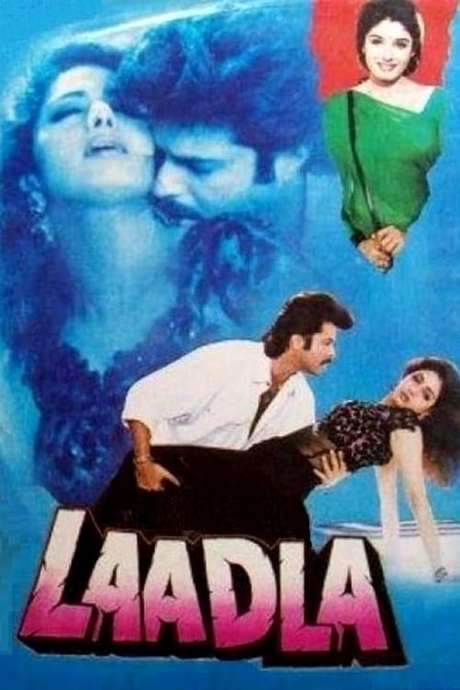
Kalpana, Nanda is the daughter of a very wealthy man who constantly fears that she might fall in love. To keep her from close contact with men, her father forbids any conversations with boys, but Kalpana refuses to bow to these rules. She moves to her uncle’s house to pursue her studies, and soon finds herself drawn to the city’s art world. In a gallery, she is captivated by a painting by an artist named Rajesh, and an unwanted attempt by a photographer to sketch her without consent only fuels her resolve to stand her ground.
In a parallel thread, an aspiring artist is pressed by deadline to complete an ad campaign for the company where Kalpana’s uncle works. Under the pressure to deliver, he sketches Kalpana for the advertisement without her knowledge, dissatisfied with the models he has seen so far. The next day, Kalpana’s image graces the newspaper, and she erupts in anger at the intrusion. Yet when she learns the sketch was done by the artist [Rajesh], her temper softens, and the two grow into friends who eventually fall in love.
Kalpana’s proud father learns of the romance and fabricates a deceitful tale, telling her that Kalpana’s mother is ill. She rushes back home, only to discover that it is a lie designed to force her to stay closer to home. He goes further, arranging a marriage for Kalpana to a rich man’s son who is described as looking like an elephant. Fearing the loss of freedom she has just begun to enjoy, Kalpana escapes to [Rajesh] and pleads with him to marry her despite the odds. He is hesitant at first because his finances are not stable, but Kalpana’s insistence wears him down, and the couple marry and begin their life together in earnest.
Rajesh suggests they should seek reconciliation with Kalpana’s father and apologize for the earlier upheavals, but Kalpana decides to handle the confrontation herself. She goes inside alone, where her father openly insults [Rajesh], accusing him of chasing Kalpana for money and property. Enraged, Kalpana leaves with Rajesh, and the couple continue to exchange letters with Kalpana’s mother, painting a picture of Rajesh’s supposed wealth—talk of a bungalow and a car—as a way to provoke her father. The couple are blessed with a son, and the aging father’s heart softens enough to want to meet his grandchild, even as Kalpana feels the sting of her deception.
Trouble surfaces again when Kalpana rents a bungalow and a car for a short two-day period to accommodate her parents’ planned stay, while Rajesh tries to guide her away from lying. When she refuses to listen, he admonishes her with sharp words and leaves. Kalpana then enlists her friend’s brother to pose as her husband for those two days, a plan that her parents agree to, even as they worry about the chaos in their daughter’s life. Rajesh, ashamed of abandoning his wife, returns and settles in as a domestic helper to support her.
Thus begins a strange little triangle of mischief, with a bungalow shared by Kalpana, her husband in title only, and the fake spouse who is betrothed to Kalpana’s other friend, all under the same roof for two days. The situation grows more tangled when the couple’s parents decide to extend their stay to spend more time with their grandchild and to secure the heir. Creditors and the landlord come knocking, craving rent and belongings, while Kalpana’s cousin—who expected to inherit the family fortune—kidnaps the baby.
In a climactic turn, Rajesh rescues the child and protects the family’s money, and the truth behind the deceptions comes to light. Kalpana’s parents, having witnessed the strength of their daughter’s marriage and Rajesh’s character, decide to make things right: they purchase a proper house, a car, and furniture, and they ask forgiveness for not understanding Rajesh’s true nature earlier. With misunderstandings resolved, the family’s life settles into a more honest and hopeful rhythm, and Kalpana and Rajesh begin their life together with a deeper sense of trust and partnership.