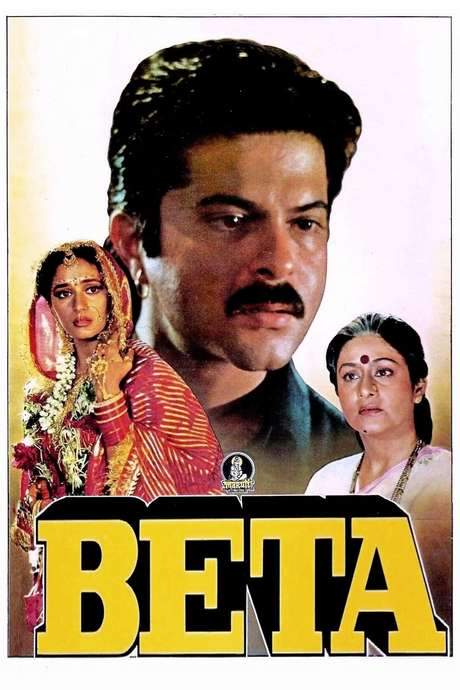
The Dhanraj saga unfolds in a sprawling, opulent household where wealth masks a web of tension and jealousy. At the center stands Mr. Dhanraj, a patriarch whose grip on the family is challenged by his formidable wife and a chorus of in-laws, including Ganga, the widow of the eldest son, and their children: Ram Dhanraj and his wife, Sita; their third son, Amar Dhanraj, and their daughter, Uma. Uma is married to Lallu Ram but refuses to live with him because of his poverty, which has turned him into a ghar jamai. The family dynamic is further shaped by the temperamental matriarch, while the brothers navigate love, obligation, and resentment within this vast social circle.
The story’s heart lies in Amar’s romance with the beautiful Asha. Their bond develops in secret as Amar worries about his mother’s reaction, while Asha carries her own burdens, including the harsh treatment she endures from her sister-in-law. Fearful of uproar, Amar confides only in Sita, whom he trusts deeply and treats almost like a mother. Yet the moment Uma overhears their plans, she schemes to drive a wedge between Ram Dhanraj and Sita by insinuating an affair between Amar and Sita. This seed of doubt sets Ram on a vigilante path, spying on the couple as they navigate their path toward marriage.
As the plot thickens, Amar and Sita press forward with their plans to wed Asha, all while Ram’s suspicions intensify. Ram’s mistrust strains his relationship with Sita, even after Amar and Asha marry. A turning point arrives when he ends up at a hotel, drunk and desolate, where a friend and doctor named Deepa step in. Deepa helps stabilize him, offering care and a chance at healing even as Ram begins to lean on her emotionally. He spends more and more time away from the family, while the tensions at home mount. When Sita becomes pregnant, Ram’s mind warps his fear into certainty, and he starts to believe the child might not be Amar’s.
Meanwhile, Asha chooses to stand up to Mrs. Dhanraj’s violence. She refuses to be cowed and even directly challenges the aggression when Mrs. Dhanraj tries to strike her, breaking the stick in two. Asha’s courage becomes a catalyst for the family to rethink their power dynamics. In an effort to restore harmony, Amar persuades the patriarch to take a stronger leadership role in the house, encouraging a turning point where the man of the house must confront the mother’s cruelty. The family reaction shifts as the elder Dhanraj asserts himself, and the others rally behind him, signaling a possible new balance.
Seeking a way forward, Ram asks Deepa to marry him, but she asks for time to consider. She visits Sita and reveals troubling news—that Ram has been unfaithful. When Ram returns home, he accuses Sita of infidelity and demands a divorce. He heads to Deepa’s house, but she declines to marry him, and his anger turns violent before he finally quiets down and exits. Amar steps in to mediate, pleading for Ram to return home. A confrontation erupts as Ram accuses Amar of having an affair with Sita, but the entire family—Mr. Dhanraj and the others, including Asha, Uma, and Lallu—arrive to separate them.
In a candid confession, Uma admits that she tried to turn Ram against Sita and that she stole a necklace Ram had given to Sita. Asha explains that Amar and Sita had gone to a park not to flirt, but so Sita could meet Asha, clarifying the misunderstood situation. Realizing the gravity of his misjudgment, Ram races home to find Sita in a moment of extreme distress. He saves her from attempting suicide, and the family comes together at last, choosing to forgive and reunite.
This intricate web of love, manipulation, and reform ultimately centers on the resilience of family ties and the courage to stand up against cruelty. The Dhanraj household moves toward reconciliation, guided by acts of truth, accountability, and the healing power of coming home.