




Plot Explained Spoilers guaranteed!
Plot Explained

Browse by genre

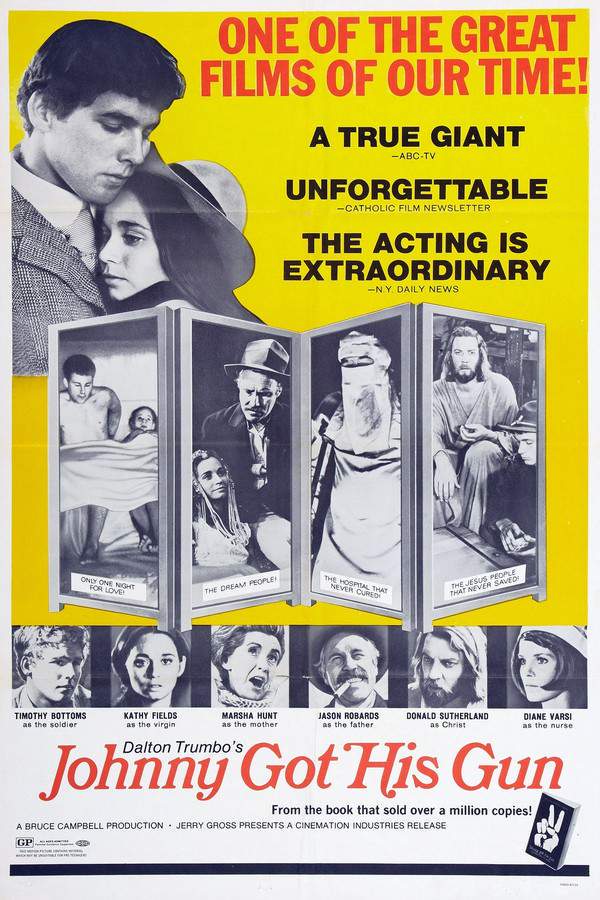
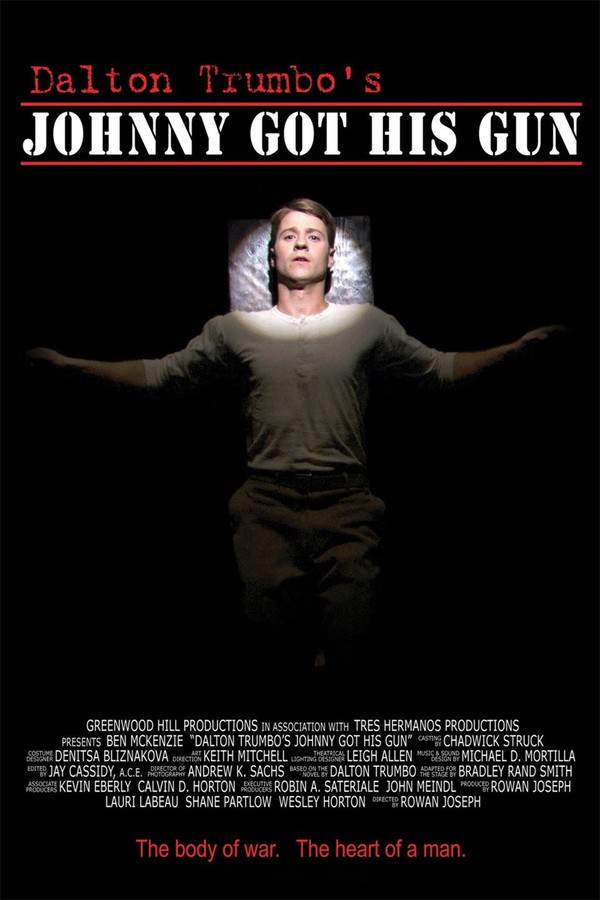
Johnny Got His Gun (1971) movie poster

Characters & Themes

Johnny Got His Gun (1971) Characters, Setting & Themes Explained

Release, runtime and language
1971 · 111 min · English
JustWatch #28,276 4
Directed by
Dalton Trumbo
Starring
Charles McGraw, Timothy Bottoms, Donald Sutherland, Jason Robards, Don 'Red' Barry, Kathy Fields

Following a devastating war, a young American soldier suffers horrific injuries, leaving him completely paralyzed and unable to communicate. Though his body is trapped, his mind remains alert and filled with a desperate longing for connection. He struggles to find a way to convey his thoughts and feelings to the outside world and to reclaim a sense of self after such profound loss, grappling with the physical and emotional trauma of his situation.

On this page (9)
  1. 1 Where to watch
  2. 2 Characters explained (2)
  3. 3 Where & when it takes place
  4. 4 Themes & meaning (2)
  5. 5 Character & meaning questions
  6. 6 The book behind the movie
  7. 7 Movie threads
  8. 8 Movies like Johnny Got His Gun
  9. 9 Every angle

Where to watch

Where to Watch Johnny Got His Gun (1971)

Where can you watch Johnny Got His Gun? Stream, rent or buy it in the US, including on Amazon Prime Video, Amazon Video and Fandango At Home: current JustWatch availability with up-to-date prices.

Streaming availability powered by JustWatch

2 main characters · contains spoilers

Johnny Got His Gun Characters Explained: Who Is Who

The main characters of Johnny Got His Gun (1971), heroes and villains: what drives them, how they change over the course of the story and what each of them reveals about the film's bigger ideas.

  • Joe Bonham

    played by Timothy Bottoms

    Joe Bonham is a young American soldier whose life is irrevocably altered by the horrors of World War I. Left blind, deaf, mute, and without limbs, he embodies the tragedy of war and the struggle for identity in a world that no longer recognizes him. His resilience and deep yearning for connection highlight his inner strength, even amidst profound suffering.

    • 🪖 Soldier
    • 💔 Suffering
    • 🕊️ Pacifism
  • Compassionate Nurse

    The compassionate nurse serves as a beacon of empathy amid Joe's grim reality. Despite the misunderstanding of the medical staff, she instinctively senses Joe's pain and yearning for communication. Her willingness to assist him in finding peace reflects the humanity that can emerge, even within the mechanistic nature of war.

    • ❤️ Compassion
    • 🌹 Empathy
    • 👩‍⚕️ Caregiver

Last updated: October 22, 2024 at 21:55

Was this helpful?

Setting

Where and When Does Johnny Got His Gun Take Place?

The setting of Johnny Got His Gun (1971): the year and time period, the places and locations, and how they shape the characters, the mood and the tension of the story.

Time period

World War I

World War I was marked by unprecedented levels of violence and loss, drastically changing the landscape of warfare. This period saw technological advancements in weaponry and tactics, which led to devastating casualties. The film captures the emotional and physical toll of the war on individuals, emphasizing the need for compassion and understanding amidst the horrors of conflict.

Location

Hospital, War Zone

The movie takes place primarily in a hospital, a sterile environment that represents both sanctuary and confinement for Joe Bonham. The contrast of the hospital setting against the backdrop of World War I highlights the brutal realities of war and its aftermath, where the wounded are treated, but often left forgotten. The war zone symbolizes destruction, revealing the chaos and violence that leads to personal tragedies like Joe's.

  • 🏥 Hospital
  • ⚔️ War Zone

Last updated: October 22, 2024 at 21:55

Was this helpful?

2 major themes

Johnny Got His Gun Meaning: Themes & Message Explained

What is Johnny Got His Gun (1971) really about? The emotional, social and philosophical themes the film keeps returning to, its symbolism and the message beneath the surface.

  • Pacifism

    The theme of pacifism runs strong throughout the narrative, as Joe Bonham's harrowing experience in war leads to a profound longing for peace. His interactions and desperate measures to communicate illustrate the stark consequences of violence on human life. The film advocates for a deeper consideration of the impacts of war, pushing the audience to reflect on the moral implications of conflict.

  • Suffering

    Suffering is a central theme, depicted through Joe's unimaginable condition after the war. His internal struggles echo a broader commentary on the emotional scars left by war. The film vividly portrays the isolation and despair of those who endure the physical and psychological aftermath of conflict, drawing attention to the need for empathy and humane treatment.

Last updated: October 22, 2024 at 21:55

Was this helpful?

Character & theme questions

Johnny Got His Gun Characters & Meaning: Your Questions Answered

The questions people ask about Johnny Got His Gun (1971): who the characters really are, their relationships, what the symbols mean, where it takes place and what the movie is really about. Each answer contains spoilers.

Q1

Where is most of the movie set?

Most of the film takes place in a hospital, a sterile environment that serves as both sanctuary and prison for the main character. The war zone appears in flashbacks and represents the destruction and violence that caused his condition. This contrast between the hospital and battleground highlights the journey from active conflict to its aftermath.

  • hospital setting
  • war zone
  • setting
  • location
Q2

What time period is the story set in?

The story is set during World War I, a period marked by unprecedented violence and technological advancement in warfare that led to devastating casualties. This historical context grounds the film in the real consequences of industrialized war.

  • world war 1
  • time period
  • historical context
  • era
Q3

What is the movie's main message about war?

The film delivers a powerful anti-war message, arguing that the violence and destruction of conflict leave lasting scars on individuals and society. Through the protagonist's devastating condition, the movie advocates for pacifism and urges viewers to consider the moral costs of war.

  • anti-war message
  • pacifism
  • war criticism
  • movie message
Q4

What does the film explore about suffering?

The film deeply explores the theme of suffering, depicting the protagonist's unimaginable physical and psychological trauma after the war. It draws attention to the isolation and despair experienced by those who endure the aftermath of conflict, emphasizing the need for empathy and humane treatment of war victims.

  • suffering
  • trauma
  • war casualties
  • emotional scars
Q5

Who is the main character Joe Bonham?

Joe Bonham is a young American soldier whose life is irrevocably altered by World War I. He is left blind, deaf, mute, and without limbs, completely paralyzed but fully conscious. His story embodies the tragedy of war and his desperate yearning for connection highlights his inner strength despite profound suffering.

  • joe bonham
  • main character
  • soldier
  • protagonist
Q6

Who is the compassionate nurse in the story?

The compassionate nurse serves as a beacon of empathy in Joe's grim reality. She instinctively senses his pain and desperate need to communicate, representing the humanity that can emerge even within the mechanistic nature of war and medical treatment.

  • nurse
  • supporting character
  • empathy
  • compassion
Q7

Why is the hospital setting significant?

The hospital setting is significant because it represents both treatment and abandonment, wounded soldiers are kept alive but often left forgotten. The sterile, confined environment contrasts sharply with the chaotic war zone, emphasizing how war's victims are marginalized once the fighting ends.

  • hospital
  • confinement
  • medical care
  • war aftermath
Q8

What are the main themes explored in the film?

The film primarily explores pacifism and suffering as its central themes. It advocates for peace by showing the devastating consequences of violence, while also depicting the profound emotional and physical trauma that war leaves on individuals.

  • themes
  • pacifism
  • suffering
  • movie themes
Q9

What does the movie say about isolation and connection?

The movie portrays extreme isolation, being trapped in a body that cannot move or communicate, while emphasizing the desperate human need for connection. Joe's internal monologue reveals how isolation erodes identity and underscores the importance of human contact and recognition.

  • isolation
  • connection
  • communication
  • identity
Q10

Why is the film considered a powerful anti-war statement?

The film is considered a powerful anti-war statement because it shows the human cost of conflict in the most visceral way possible. Rather than depicting battle glory, it shows a young man's complete loss of agency and humanity, forcing viewers to confront the moral implications of sending people to war.

  • anti-war
  • protest
  • war criticism
  • political message
Q11

How does the movie portray the aftermath of war?

The movie portrays war's aftermath as physically and emotionally devastating, with the hospital representing a liminal space where soldiers are kept alive but often forgotten. The film shows that the true cost of war extends far beyond the battlefield, affecting individuals profoundly and permanently.

  • war aftermath
  • consequences of war
  • veterans
  • trauma

Movie threads

More Movies Like Johnny Got His Gun, by Mood & Story

Curated lists built around what makes Johnny Got His Gun tick: the same mood, the same kind of story or the same emotional payoff. Each list explains why these movies belong together.

Movies about Trapped Consciousness like Johnny Got His Gun

Stories about characters whose minds are alert but bodies are imprisoned. If you were captivated by the claustrophobic psychological horror of Johnny Got His Gun, explore more movies like it. These films feature characters whose minds are awake but bodies are imprisoned, creating intense, introspective journeys into memory, trauma, and the struggle for communication.

  • claustrophobic
  • psychological
  • desperate
  • nightmarish
  • isolating
  • reflective
  • Tone: bleak, desperate, nightmarish
  • Pacing: slow, meditative, internal
Why these movies?

The story pattern: Stories in this thread are defined by an internal, psychological conflict. The plot is often driven by a character's desperate attempts to communicate or make sense of their reality from a state of extreme physical limitation, using flashbacks and hallucinations to contrast their past freedom with their present confinement.

Why they belong together: Movies are grouped here based on their shared exploration of the mind-body disconnect. They create a uniquely claustrophobic and introspective viewing experience, focusing on psychological survival, existential dread, and the haunting power of memory in the face of physical helplessness.
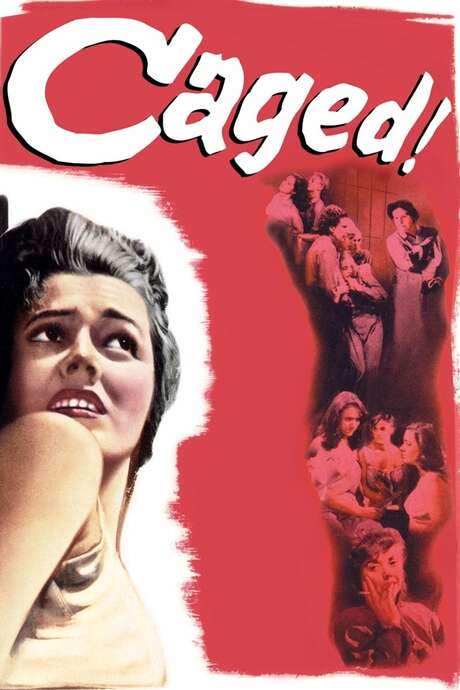
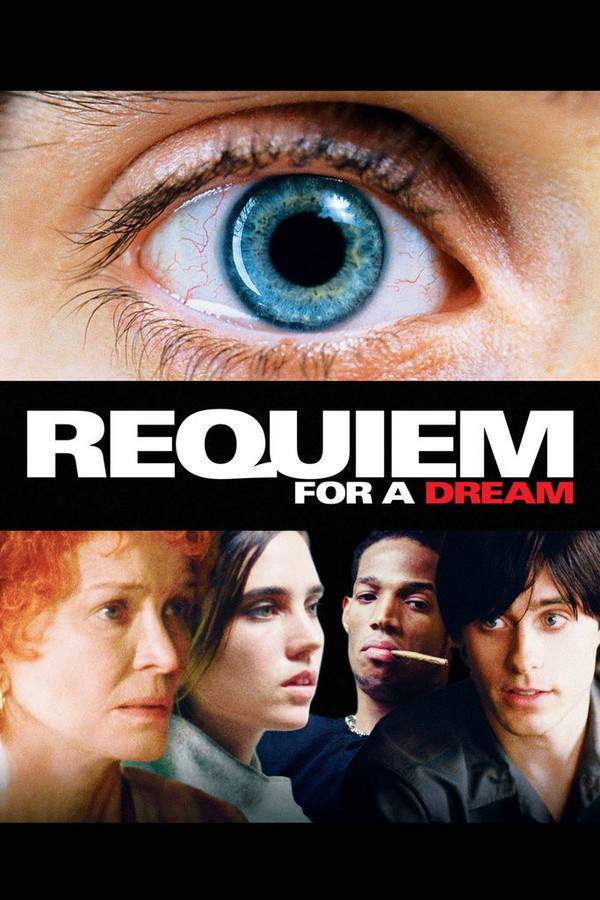
Bleak Anti-War movies like Johnny Got His Gun

Bleak films that expose the dehumanizing and traumatic reality of warfare. For viewers seeking more powerful anti-war stories similar to Johnny Got His Gun. These movies depict the grim reality and profound trauma of combat, focusing on the dehumanizing effects and heavy emotional cost of war rather than glorified action.

  • somber
  • melancholic
  • devastating
  • brutal
  • reflective
  • grim
  • Tone: bleak, somber, melancholic
  • Pacing: slow, deliberate
Why these movies?

The story pattern: The narrative pattern in this thread often follows a character's descent into the existential horror of war, showcasing the destruction of their former self. The conflict is internal as much as external, dealing with the struggle to retain humanity in the face of unimaginable violence and loss.

Why they belong together: These films are united by their bleak perspective on war, prioritizing emotional truth and traumatic consequence over spectacle. They share a heavy, somber mood and aim to leave the viewer with a profound sense of the inhumanity and pointless destruction of armed conflict.

If you liked this

Movies Like Johnny Got His Gun

Similar movies to Johnny Got His Gun: the same genre, themes or kind of story. Each one comes with its own plot summary, timeline and ending explained.

Browse all movie summaries

Every angle

Johnny Got His Gun (1971) Explained: Plot, Timeline & Characters

Everything about Johnny Got His Gun in one place: what happens in the plot summary, the timeline in chronological order, the characters and meaning and a spoiler-free summary. What's After the Movie adds the cast, box office and post-credit scenes.

Coming soon on iOS and Android

The Plot Explained Movie Summary App

Plot summaries, endings explained and timelines on your phone. Catch up on any movie in minutes, save your favorites and never miss a twist again.

Be the first to know when we launch. Your email stays private, always.

Learn more about the app