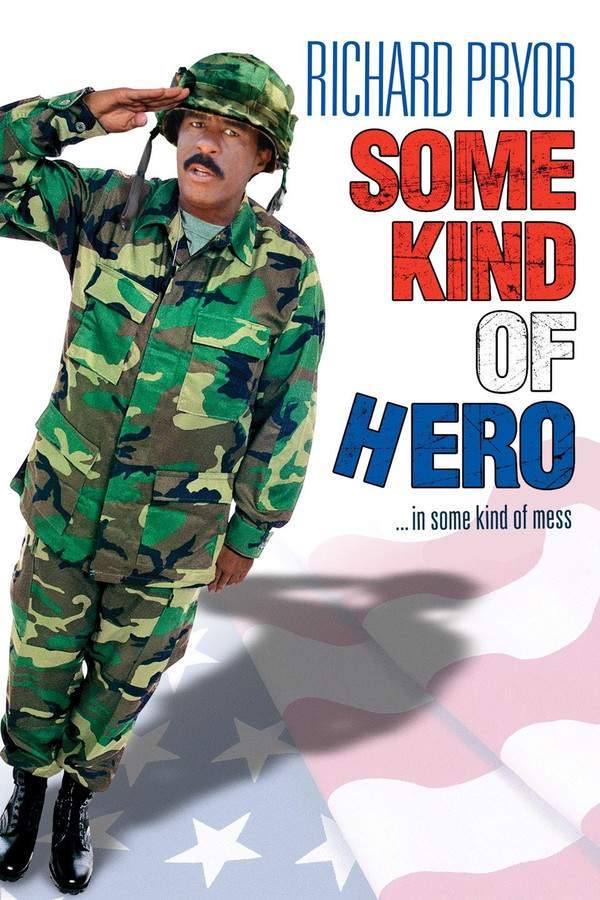
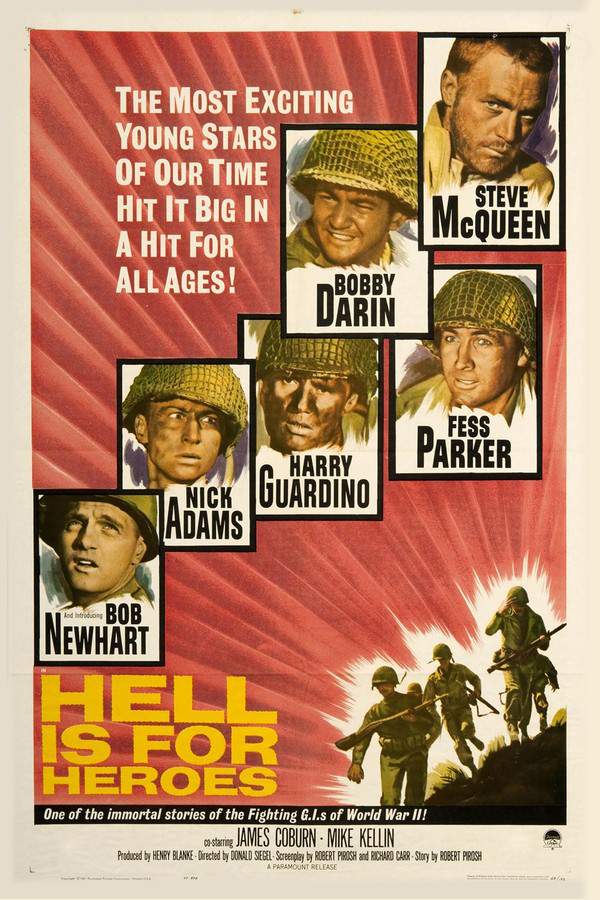
Sergeant Sam Gifford is a Pacific-front tale set in 1945, where a fierce moment of anger costs him his stripes and lands him in a punishment company led by the ruthless Captain Grimes, a commander who insists on being called “Waco” to shield himself from the deadly precision of Japanese snipers. The film uses stark flashbacks to peel back Gifford’s past, revealing a man whose civilian life was split between wealth and power as a cotton farmer and a strained marriage to Jenny Gifford, the daughter of his National Guard commander, the imposing Colonel Cousins. On home soil, Cousins’s daughter is the bright thread that connects their worlds, a plantation owner’s family whose status will shadow Gifford’s decisions in the swamp of war.
As his reserve unit heads toward the front, Gifford earns the respect of his new men by leading with competence and courage, even as the memories of his former life nag at him. He earns a medal for valor, yet signs of fear, fatigue, and underlying neurosis flicker beneath the surface. The pattern intensifies when the seasoned Colonel Cousins is felled by a sniper, and another officer, Lieutenant Ray Mosby, treats the troops as expendable, firing on Gifford’s friends out of panic and cowardice. In a moment of brinkmanship, Gifford strikes out at Mosby with his rifle butt, a raw display of the pressure boiling beneath the surface. The flashback ends as Waco summons him back to company headquarters, a reminder that command in this war is often personal as well as tactical.
Back in the present, Waco sends Gifford to lead a patrol to San Carlos, a town whispered to be a Japanese stronghold. The squad spots a mortar platoon on the move and presses on, only to find San Carlos eerily deserted. Gifford returns with a front-door name plate from the town’s church as proof of their presence, which becomes a flashpoint when Waco accuses him of loafing. The exchange is interrupted by a heavy Japanese mortar barrage, underscoring the stakes of trust and leadership in combat.
Gifford is then assigned to an outpost duty alongside a lieutenant nicknamed Little Joe Johnson, where he begins to form real bonds with the men he once regarded as social inferiors. A key relationship forms with Corporal Willie Crawford, a sharecropper-turned-soldier who offers camaraderie and a different lens on leadership. Gifford confronts himself—he admits he can be too harsh on those not of his class, yet he also acknowledges the possibility of change through empathy and friendship. The unit endures another assault, and the radio goes silent, forcing Gifford to ferry fresh batteries back to HQ.
When he arrives, he discovers Waco has been relieved, though the former commander’s last words are oddly generous, praising the San Carlos patrol. In a final act of bravado, Waco dons his Class A uniform and orders the squad to salute him, only to fall to a Japanese sniper’s aim. The image is a stark reminder of how fragile a moment of pride can be in war.
The outpost soon comes under heavy pressure, and Little Joe is killed in the ensuing chaos. Gifford and Crawford survive, with Crawford wounded in the leg and insisting that Gifford return to HQ to warn the company of a looming, massive Japanese buildup. Gifford initially resists abandoning Crawford, but the insistence of his wounded comrade wins out. He fights his way toward the main line, wounded yet determined, and reaches his company just as a new offensive erupts. He warns the battalion about the enemy masses in the hills and demands they rescue Crawford, a plea that intensifies as Gifford collapses.
Consciousness returns as a patrol arrives with Crawford on a stretcher, both men alive but forever altered by the ordeal. They are told they are being shipped home, and in a quiet, resolute moment, Gifford promises that Crawford will have a new life back home and a job at his own company—a quiet pledge of a future beyond war, forged in the crucible of shared hardship and sacrifice.