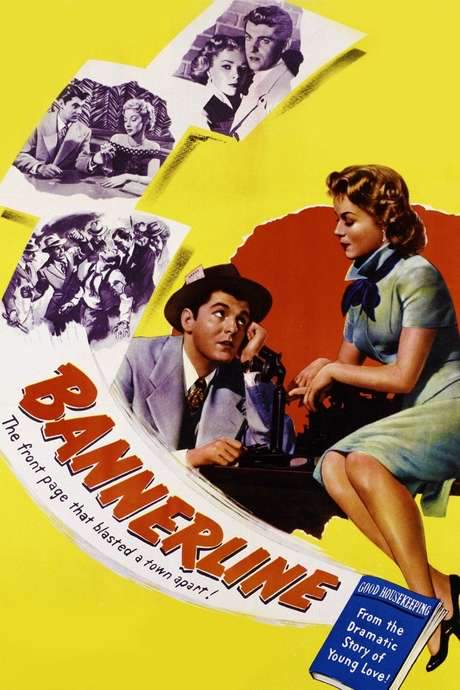
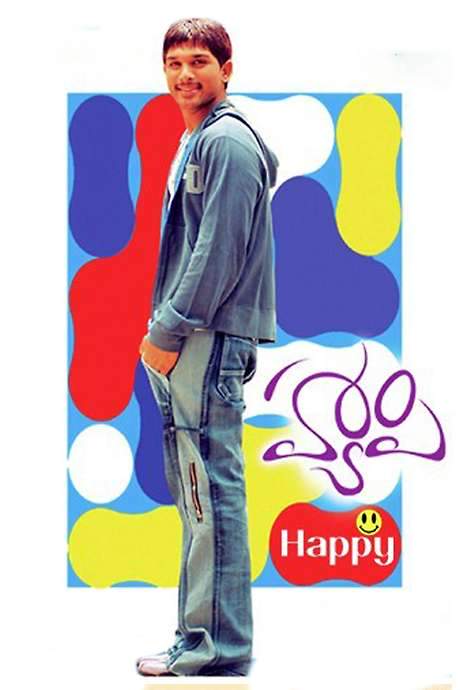
In 1906, Tom Richards [James Cagney] arrives in the small town of Plattsville as a drifting loner who quickly draws attention in the crowded town square, where he’s spotted by the sharp-eyed newspaper proprietor Vinnie McLeod [Grace George]. She offers him a way out of a bleak future, and soon he is ushered into the town’s turbulent political mix by meeting the powerful and corrupt mayor Pete Dougherty [William Henry], who also controls a rival newspaper. The encounter sets the stage for a collision between conscience and ambition, truth and propaganda, as the town’s stories begin to unfold under the weight of competing papers and competing loyalties.
Vinnie McLeod later crosses Richards again in a town courtroom where he faces a vagrancy charge. Seeing a chance to reform a life in motion, she offers him a job as a journalist to spare him imprisonment, and Richards accepts with a resolve to shake the town’s foundations. He asks for a bold move: to close the Shield and Banner for three days so he can redesign and relaunch it, with a sharp, targeted assault on Dougherty’s influence. This gambit signals a widening conflict between a man of principles and a ruler who thrives on control, and it marks Richards as a figure who won’t be easily silenced.
Meanwhile, Dougherty’s son is entangled in a romance with Vinnie McLeod’s niece, Jane [Marjorie Lord], adding a personal stake to the political drama. The dynamic tension between romance and power deepens as Richards refuses a tempting offer from Dougherty—three times the pay, but a man of his morals won’t betray his newfound mission. Dougherty, determined to protect his own interests, turns to violence: two hired guns shoot at Vinnie, hitting her hand. Richards, foreseeing danger and already armed, drives the attackers away and wounds one of them, underscoring the danger that accompanies the town’s political games.
The plot thickens when an eccentric, flamboyantly rich woman known as 'Gashouse Mary' [Marjorie Main] redirects funds that Dougherty usually channels to charitable causes into Richards’s hands. Her bold taunt toward Dougherty lands her behind bars on a bail of $1,500, a melodramatic twist that underscores the town’s capricious sense of justice. The once-dominant Dougherty begins to feel the heat as the town itself turns against him, marching in a public spectacle that features an effigy of him atop a gibbet, a visual indictment of his power and reach.
Tempers flare into a street brawl as Richards confronts Dougherty’s younger ally in the family feud, the younger Dougherty, and a scuffle erupts in broad daylight. Richards is seized and taken away in a horse-drawn black Maria, while the townspeople, moved by a wave of collective defiance, crowd the jail in a dramatic bid to release him. The town’s citizens prove how quickly public opinion can overturn the grim arithmetic of power, and Richards finds himself back among the community he set out to challenge.
In the closing turn of the tale, Dougherty Sr. meets with Vinnie McLeod and Richards, recognizing that the town’s welfare—and the happiness of those he loves—depends on him stepping away. He agrees to leave Plattsville for the sake of his son and his niece, and in a gesture of concession, returns the mortgage on Vinnie’s property. Richards, too, decides to move on, choosing a new path rather than a lingering fight. The story concludes with a quiet, moral resolution: power is tempered by accountability, and the town’s citizens—driven by courage and affection—shape a future that favors integrity over influence.