Plot Explained Spoilers guaranteed!
Plot Explained

Browse by genre

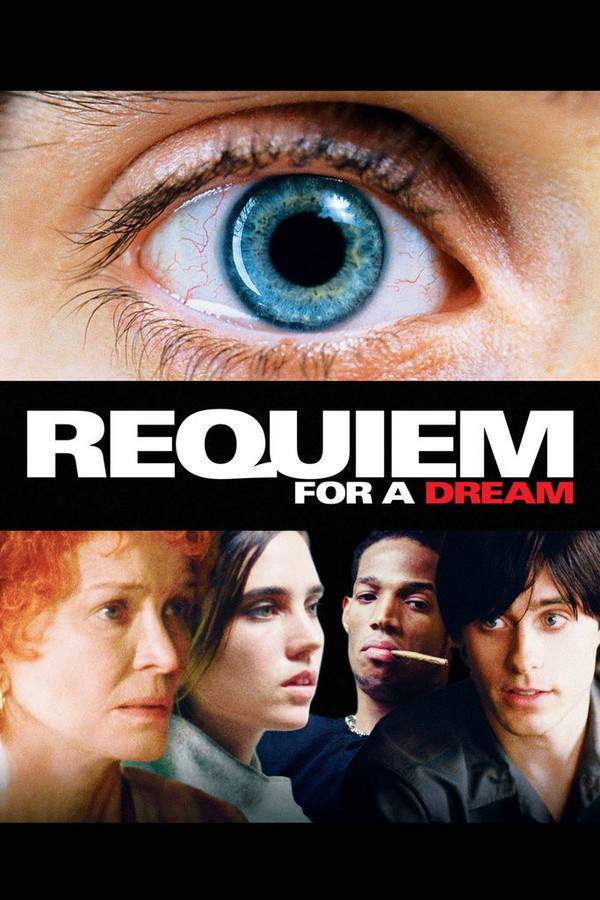
Requiem for a Dream (2000) movie poster

Plot Summary

Requiem for a Dream (2000) Plot Summary Explained

Release, runtime and language
2000 · 102 min · English
JustWatch #1,647 88
Directed by
Darren Aronofsky
Starring
Jared Leto, Ellen Burstyn

A lonely widow, Sara Goldfarb, clings to the hope of reconnecting with her friends through a strict diet, while her son Harry navigates a life of disappointment and addiction. Their intertwined stories explore themes of longing, delusion, and the desperate search for happiness. As their individual pursuits spiral out of control, the film offers a haunting portrayal of human connection and the devastating consequences of chasing fleeting dreams.

On this page (7)
  1. 1 Where to watch
  2. 2 What happens: full plot
  3. 3 Plot questions answered
  4. 4 The book behind the movie
  5. 5 Movie threads
  6. 6 Movies like Requiem for a Dream
  7. 7 Every angle

Where to watch

Where to Watch Requiem for a Dream (2000)

Where can you watch Requiem for a Dream? Stream, rent or buy it in the US, including on Peacock Premium, Peacock Premium Plus and Sundance Now: current JustWatch availability with up-to-date prices.

Streaming availability powered by JustWatch

Full plot summary · contains spoilers

What Happens in Requiem for a Dream: Full Plot Summary

The whole story of Requiem for a Dream (2000) explained, from the opening scene to the final frame: every key event, every twist and what it all adds up to. Read it as a quick recap before the sequel, to check a scene you missed, or to finally understand what really happened.

Harry Goldfarb, played by Jared Leto, along with his close friend Tyrone Love (Marlon Wayans), navigate the gritty streets of Brooklyn, New York. Their lives revolve around drugs, which they fund through petty thefts such as Harry pawning his mother's television. On the other side of the City, Harry's mother, Sara Goldfarb, portrayed by Ellen Burstyn, is a widowed woman living alone in Brighton Beach. She constantly finds herself buying back her TV from the local pawn shop run by Abe Rabinowitz (Mark Margolis). Despite Abe urging her to turn Harry in for his misdeeds, Sara’s love for her son prevails—after losing her husband Seymour two decades ago, Harry represents her last connection to family.

As Harry and Tyrone devise a plan to make a fortune by selling heroin on the streets, they dream of escaping their mundane lives. Their scheme begins to yield profits, and they talk excitedly about acquiring a pound of high-quality heroin, believing this could be their ticket to a better life. Marion Silver (Jennifer Connelly), Harry's girlfriend, although distant from her own parents, indulges in their lifestyle. The trio spends their days engaging in drugs while fantasizing about a brighter future, with Harry envisioning a clothing store for Marion, where she can thrive as a designer.

Simultaneously, Sara becomes infatuated with television, particularly an infomercial hosted by the charismatic self-help guru Tappy Tibbons (Christopher McDonald), embodying the JUICE philosophy: Join Us In Creating Excitement. One day, she receives a call that she believes is an invitation to appear on the show, sparking her ambition to showcase Harry to the world. It’s a dream complicated by her inability to fit into the red dress she donned at Harry's graduation, a garment that carries memories of better times with her late husband. Encouraged by friends, she attempts a weight loss journey using a restrictive diet but soon turns to dangerous medications that only deepen her obsession and struggles.

As financially successful drug dealings unfold, Harry and Tyrone stow their cash in a shoe box hidden in the wall of Tyrone's apartment. This seemingly carefree summer turns ominous, as drug dependency begins to unravel their lives. Harry treats Sara to a new television set as Tyrone faces the consequences of his dealings, including jail time amidst escalating violence from rival drug gangs. In a poignant moment, Harry discovers that Sara's diet pills are actually methamphetamine, leading to a tense confrontation where Sara passionately asserts that her upcoming television debut rejuvenates her spirit.

Yet, as seasons shift from a hopeful summer to a desolate winter, the drugs that once provided an escape begin to suffocate them. Harry finds himself in dire circumstances, struggling with the rising void of addiction both in himself and Marion. Their relationship crumbles under the weight of desperation as Marion is compelled to turn to Arnold (Sean Gullette), her psychiatrist, for a loan that necessitates a painful compromise.

Meanwhile, Sara increasingly retreats into her hallucinatory world, eagerly anticipating her TV appearance while the reality of her situation deteriorates. Tensions rise as the trio's drug supplies dwindle, leading them into frenzied and risky situations. As Harry's arm festers from substance abuse and his mental health declines, he is forced to confront the harsh reality of his addiction during a harrowing hospital visit.

In a chilling crescendo, Sara's hallucinations intensify; she flees into the snowy streets, unable to discern reality from her fevered imagination. Subsequently, she is admitted to a mental hospital, where her condition continues to worsen. Simultaneously, Harry and Tyrone find themselves entangled in the criminal justice system, facing the brutal realities of addiction and despair.

In an unrelenting cycle of degradation, all four characters spiral into a hopeless state: Harry succumbing to the effects of his drug use, Marion trading her dignity for fleeting moments of high, Tyrone languishing in a prison cell, and Sara lingering in a mental institution, each left to grapple with their own demons. The film concludes with haunting imagery of their individual suffering, as Sara hallucinates her moment of glory on a television show while the true costs of addiction lay bare.
Last updated: November 04, 2024 at 00:27

Was this helpful?

Plot questions answered

Requiem for a Dream Plot Explained: Your Questions Answered

The questions people ask most about Requiem for a Dream (2000): what happens in the confusing scenes, why the characters do what they do, the twists, hidden details and what the ending means. Each answer contains spoilers.

Q1

Why does Sara start taking diet pills in the movie?

Sara begins taking diet pills after becoming obsessed with losing weight to fit into the red dress she wore at Harry's graduation. She believes a TV producer has called her to appear on Tappy Tibbons' infomercial, and she thinks looking thin will help her reconnect with her late husband Seymour and showcase Harry to the world. Her desperation to escape loneliness drives her to dangerous medications that are actually methamphetamine.
Foreshadowing: Earlier, Sara is shown repeatedly watching Tappy Tibbons' infomercials, which introduces the JUICE philosophy that fuels her delusion.

  • sara goldfarb
  • diet pills
  • methamphetamine
  • weight loss
  • television obsession
Q2

Why does Harry confront Sara about her pills?

Harry discovers that Sara's diet pills are actually methamphetamine when he finds her supply. During the confrontation, Sara dismisses his concerns and insists her upcoming television appearance gives her purpose and energy. Harry realizes his mother is suffering from the same addiction consuming his own life, but he cannot stop her.

Foreshadowing: The confrontation mirrors Harry's own denial about his addiction, showing the parallel destruction happening in both their lives.

  • harry goldfarb
  • sara goldfarb
  • confrontation
  • methamphetamine
  • denial
Q3

Why does Marion sleep with her psychiatrist?

Marion goes to her psychiatrist Arnold because she desperately needs money for heroin. With Harry unable to provide for her due to their declining drug operation, Marion makes the painful compromise to exchange sexual favors for the money she needs to fuel her addiction.

Foreshadowing: Earlier, Marion is shown distancing herself from her wealthy parents who disapprove of her lifestyle, establishing her financial vulnerability.

  • marion silver
  • arnold
  • prostitution
  • psychiatrist
  • drug money
Q4

What happens to Tyrone in the movie?

Tyrone gets arrested and ends up in prison as their drug dealing operation collapses. While incarcerated, he reflects on his choices and the harsh realities of the criminal justice system. The prison sequence shows his physical deterioration and psychological decline, mirroring the fate of the other characters.

Foreshadowing: Earlier, Tyrone faces escalating violence from rival drug gangs, setting up the dangerous consequences of their criminal lifestyle.

  • tyrone love
  • prison
  • arrest
  • drug dealing consequences
Q5

Why does Sara end up in a mental hospital?

Sara's methamphetamine addiction causes severe hallucinations. She becomes convinced she is appearing on television and eventually flees into the snowy streets of Brighton Beach, unable to distinguish reality from her fevered imagination. She is arrested and committed to a mental hospital where her condition continues to deteriorate.

Foreshadowing: Her increasingly delusional state was established earlier when she talks to her reflection as if it were a TV host interviewing her.

  • sara goldfarb
  • mental hospital
  • hallucinations
  • methamphetamine
  • psychosis
Q6

What causes Harry's arm to become infected?

Harry's arm becomes severely infected from repeatedly injecting drugs. The festering wound is a visual representation of how drug abuse is literally killing him from the inside. He eventually ends up in the hospital, where he receives a grim diagnosis about his condition.

Foreshadowing: Earlier scenes show Harry injecting drugs in increasingly unsanitary conditions, building to this physical manifestation of his addiction.

  • harry goldfarb
  • arm infection
  • drug injection
  • hospital
  • physical decline
Q7

Why does Marion become a prostitute?

Marion turns to prostitution because she is trapped in heroin addiction with no financial support. After Harry's arm becomes infected and he can no longer deal drugs, and with their drug supply dwindling, Marion is compelled to find any means to get money for her fix. She propositions clients in degrading conditions, trading her dignity for fleeting moments of being high.

Foreshadowing: Marion's financial dependence on Harry was established early, as she lacks support from her estranged wealthy parents.

  • marion silver
  • prostitution
  • heroin addiction
  • dignity
  • drug desperation
Q8

Why does Sara think she's going to be on TV?

Sara receives what she believes is a phone call inviting her to appear on Tappy Tibbons' infomercial. This triggers her obsession with losing weight and fitting into her red dress. In reality, the call appears to have been either a hallucination or a misdial, but Sara's loneliness and desperate need for validation make her believe this is her chance at redemption and connection.

Foreshadowing: The Tappy Tibbons infomercials are shown repeatedly throughout the film as Sara's primary form of escape and hope.

  • sara goldfarb
  • tappy tibbons
  • television
  • delusion
  • infomercial
Q9

Why does Harry keep pawning his mother's TV?

Harry repeatedly pawns his mother's television to fund his heroin addiction. This represents the exploitation of family bonds for drug money. Sara constantly buys it back from pawnbroker Abe Rabinowitz, who urges her to turn Harry in to the police, but Sara's love for her son keeps her from doing so. This cycle continues throughout the film.

Foreshadowing: The opening scene establishes Harry pawning the TV as a recurring pattern that defines his relationship with his mother.

  • harry goldfarb
  • tv
  • pawn shop
  • drug money
  • abe rabinowitz
Q10

Why do all the main characters end in institutions?

Each character's destructive coping mechanism leads to complete collapse. Sara's attempt to find purpose through television leads to meth addiction and mental hospitalization. Harry's drug dealing results in hospitalization. Marion resorts to prostitution and drug abuse. Tyrone is imprisoned. The film depicts how addiction and delusion trap all four characters in institutions, showing the interconnected destruction of their individual pursuits of happiness.

Foreshadowing: The parallel storylines were established from the beginning, showing each character's descent toward inevitable ruin.

  • ending
  • institutions
  • addiction
  • destruction
  • consequences
Q11

What happens to the money Harry and Tyrone hide?

Harry and Tyrone stash their drug earnings in a shoebox hidden in the wall of Tyrone's apartment. As their situation deteriorates, the money becomes irrelevant, their addiction consumes everything. Tyrone's arrest and imprisonment mean he cannot access the money, and Harry's declining health prevents him from retrieving it. The hidden fortune never leads to their dreams of escape.

Foreshadowing: Their excitement about the hidden cash earlier in the film sets up the bitter irony of its uselessness.

  • money
  • shoebox
  • tyrone apartment
  • drug earnings
  • dreams
Q12

What is the significance of the red dress?

The red dress represents Sara's last connection to her happier past with her late husband Seymour and a time when she felt valuable and loved. She wears it at Harry's graduation and believes fitting into it again will restore her sense of purpose. The dress symbolizes her denial about how much her life has deteriorated and her desperate attempt to reclaim her lost identity.

Foreshadowing: Sara's struggle to zip the dress is shown early, establishing her obsession with reclaiming her past self.

  • red dress
  • seymour
  • graduation
  • memory
  • identity

Movie threads

More Movies Like Requiem for a Dream, by Mood & Story

Curated lists built around what makes Requiem for a Dream tick: the same mood, the same kind of story or the same emotional payoff. Each list explains why these movies belong together.

Movies with a Relentless Psychological Descent like Requiem for a Dream

Films that chronicle an inescapable spiral into psychological ruin and despair. If you were captivated by the harrowing psychological collapse in Requiem for a Dream, this collection features similar movies about characters spiraling into despair. These films share a bleak tone and heavy emotional weight, exploring themes of addiction, delusion, and the destruction of the self.

  • harrowing
  • desperate
  • unsettling
  • claustrophobic
  • psychological
  • dark
  • Tone: bleak, haunting, oppressive
  • Pacing: steady, methodical
Why these movies?

The story pattern: Stories in this thread follow a downward trajectory, often starting from a point of fragile hope or ambition that swiftly curdles into obsession and madness. The narrative structure is typically cause-and-effect, showing a clear path from a initial flaw or decision to a devastating, irreversible conclusion.

Why they belong together: Movies are grouped here for their shared commitment to portraying psychological decline as an oppressive, inescapable force. They connect through a consistently bleak tone, high emotional intensity, and a focus on the internal devastation of their characters.

Movies about Urban Decay and Broken Dreams like Requiem for a Dream

Gritty stories set against a backdrop of decaying cities and shattered aspirations. For viewers who appreciated the gritty urban setting and themes of exploitation in Requiem for a Dream, this list highlights similar films. Discover movies that use decaying cityscapes to tell stories of loneliness, desperate dreams, and the harsh consequences of chasing illusions.

  • gritty
  • melancholic
  • lonely
  • anxious
  • desolate
  • raw
  • Tone: bleak, melancholic, desperate
  • Pacing: steady, deliberate
Why these movies?

The story pattern: Narratives often follow interconnected characters struggling to find meaning or escape in an oppressive environment. The world itself is antagonistic, reflecting and amplifying the characters' alienation and downward spirals through themes of economic despair, addiction, and societal neglect.

Why they belong together: These films are linked by their atmospheric use of dilapidated urban settings to enhance themes of despair and degradation. They share a desperate, melancholic mood and a focus on the collision between fragile human hopes and a harsh, uncaring reality.

If you liked this

Movies Like Requiem for a Dream

Similar movies to Requiem for a Dream: the same genre, themes or kind of story. Each one comes with its own plot summary, timeline and ending explained.

Browse all movie summaries

Every angle

Requiem for a Dream (2000) Explained: Plot, Timeline & Characters

Everything about Requiem for a Dream in one place: what happens in the plot summary, the timeline in chronological order, the characters and meaning and a spoiler-free summary. What's After the Movie adds the cast, box office and post-credit scenes.

Coming soon on iOS and Android

The Plot Explained Movie Summary App

Plot summaries, endings explained and timelines on your phone. Catch up on any movie in minutes, save your favorites and never miss a twist again.

Be the first to know when we launch. Your email stays private, always.

Learn more about the app