Plot Explained Spoilers guaranteed!
Plot Explained

Browse by genre

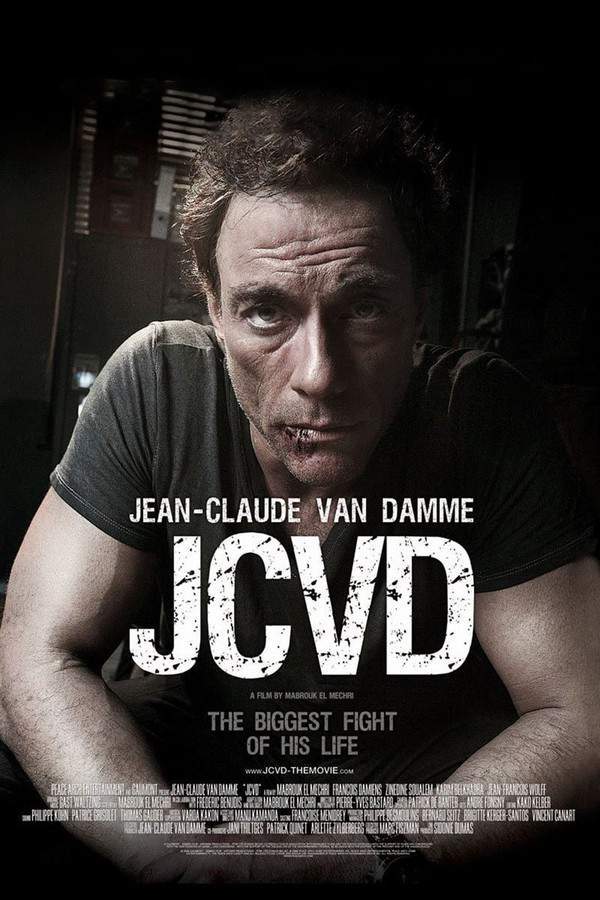
JCVD (2008) movie poster

Timeline

JCVD (2008) Timeline Explained – Every Event in Order

Release, runtime and language
2008 · 97 min · English
Loading streaming availability…
Directed by
Mabrouk El Mechri
Starring
Jean-Claude Van Damme

Facing financial hardship and a stalled career, Jean-Claude Van Damme portrays a fictionalized version of himself in this darkly comedic film. As he battles legal troubles and struggles to regain his action hero standing, a hostage crisis erupts in Brussels. Unexpectedly thrust into the center of the unfolding events, Van Damme’s persona takes on a new, raw intensity, leading to an explosive media spectacle that dramatically alters his public image and forces him to confront his legacy.

On this page (6)
  1. 1 Where to watch
  2. 2 Events in order (13)
  3. 3 Timeline questions answered
  4. 4 Movie threads
  5. 5 Movies like JCVD
  6. 6 Every angle
Loading streaming availability…

13 events in order · contains spoilers

JCVD Timeline: Events in Chronological Order

Every key event of JCVD (2008) in order, scene by scene, with when and where it takes place. Use it to untangle flashbacks, time jumps and parallel storylines, to refresh your memory before the sequel or to find the exact scene you are thinking of.

  1. Career Low Point

    The film opens with Jean-Claude Van Damme's struggle during a challenging phase in his career. Financially struggling and facing a custody battle, he feels the weight of the world as he battles against time to secure his daughter's future.

  2. Return to Brussels

    In an attempt to regain control over his life, Van Damme returns to his hometown of Brussels, Belgium. There, he is met with both reverence and nostalgia, as locals remember him as a national hero despite his personal turmoil.

    Where
    Brussels, Belgium
  3. Post Office Visit

    While at the post office to collect a wire transfer, Van Damme inadvertently becomes a part of a hostage crisis. This unexpected situation drastically changes the course of his day and soon spirals into chaos for him and the hostages.

    Where
    Post Office
  4. Mistaken Identity

    A tragic misunderstanding occurs when the police wrongly identify Van Damme as the instigator of the hostage situation. This leads to a tense series of events where he must navigate being viewed as both a hero and a suspect.

    Where
    Post Office
  5. Evolving into Hero

    Throughout the crisis, Van Damme unexpectedly takes on the role of a reluctant hero. As he tries to protect the hostages and negotiate with the thieves, the complexity of the situation deepens, showcasing his resilience.

    Where
    Post Office
  6. Profound Monologue

    In a standout moment, Van Damme lifts himself above the chaos to deliver a heartfelt six-minute monologue. Breaking the fourth wall, he shares a candid reflection on his feelings of failure, addiction, and personal struggles, engaging the audience directly.

    Where
    Post Office
  7. Convincing a Robber

    In a surprising turn of events, Van Damme successfully persuades one of the robbers to release the hostages. However, this moment of triumph quickly deteriorates as gunfire erupts during the standoff, leading to unexpected casualties.

    Where
    Post Office
  8. Tense Standoff

    As police arrive on the scene following the gunfire, a tense standoff unfolds between the remaining robbers and law enforcement. Van Damme finds himself caught in the crossfire, heightening the dramatic tension throughout the narrative.

    Where
    Post Office
  9. Confrontation with Robber

    In a climactic moment, Van Damme comes face-to-face with the last remaining robber, who threatens him at gunpoint. In a split-second decision, he resorts to using his martial arts skills, albeit in a more practical way than he originally envisioned.

    Where
    Post Office
  10. Arrest and Charges

    Following the chaotic events of the hostage crisis, Van Damme is arrested and faced with serious charges. He is accused of extortion for demanding money from the law firm overseeing his custody battle, after posing as a criminal mastermind.

  11. Prison Sentence

    Van Damme is sentenced to one year in prison due to the charges stemming from the hostage crisis. This period becomes an opportunity for him to reflect on his life choices and explore personal redemption despite his dire circumstances.

    Where
    Prison
  12. Teaching Karate in Prison

    During his time behind bars, Van Damme finds solace and purpose in teaching karate to fellow inmates. This new role allows him to connect with others, and it becomes a transformative experience as he seeks redemption.

    Where
    Prison
  13. Visit from Family

    The story culminates with a poignant visit from Van Damme's mother and daughter. This moment serves as a glimmer of hope for reconciliation and personal growth, as he contemplates the possibility of a new beginning.

    Where
    Prison

Last updated: November 03, 2024 at 21:26

Was this helpful?

Timeline questions answered

JCVD Timeline Explained: Your Questions Answered

When does it happen, and why in that order? The questions people ask about the chronology of JCVD (2008): time jumps, flashbacks, cause and effect between scenes and the correct order of events, each answered with spoilers.

Q1

Why is Van Damme mistaken for the bank robber at the post office?

Van Damme walks into the post office to collect a wire transfer just as a robbery is in progress. When police arrive, they find him inside with the hostages and, given his action star background and the chaotic circumstances, immediately assume he's the perpetrator rather than an innocent bystander caught in the wrong place at the wrong time.

  • mistaken identity
  • post office robbery
  • police
  • hostage situation
Q2

How does Van Damme become a hero during the hostage crisis?

Despite being viewed as a suspect, Van Damme takes initiative to protect the hostages. He negotiates directly with the robbers, using his fame and charisma to build rapport. He successfully convinces one robber to release the hostages by appealing to the robber's humanity, effectively becoming an unlikely mediator between the criminals and police.

  • hero
  • hostage
  • negotiation
  • robbers
  • mediator
Q3

Why is the six-minute monologue significant in the film?

The monologue is the film's emotional centerpiece where Van Damme breaks the fourth wall to directly address the audience. In a single take, he delivers a raw, vulnerable reflection on his failing career, multiple divorces, substance abuse struggles, and feelings of irrelevance. This meta-moment blurts the line between fiction and reality, making the film a candid self-portrait rather than just a standard action movie.

  • monologue
  • fourth wall
  • career
  • addiction
  • vulnerability
Q4

Why is Van Damme arrested for extortion after the hostage crisis?

Prior to the hostage situation, Van Damme had called the law firm handling his custody battle while disguised as a criminal mastermind, demanding $465,000. When this extortion scheme is traced back to him after the post office events, he faces criminal charges that result in a one-year prison sentence, despite his heroics during the robbery.

  • extortion
  • custody battle
  • prison sentence
  • charges
Q5

What happens at the end of JCVD?

Van Damme is sentenced to one year in prison for extortion. However, the ending offers a glimmer of hope as he finds purpose teaching karate to fellow inmates. The film concludes with a touching visit from his mother and daughter, suggesting personal redemption is possible despite his circumstances.

  • ending
  • prison
  • karate
  • daughter
  • redemption
Q6

Why does the film show the same events from different angles?

The film presents the hostage crisis multiple times from different vantage points, mimicking how media constructs narratives. This structural choice reinforces the film's meta-commentary on how celebrity images are shaped - each perspective presents a different version of Van Damme (hero, villain, victim), reflecting how public perception is constructed rather than absolute.

  • multiple angles
  • perspective
  • media
  • narrative structure
Q7

Why does Van Damme return to Brussels in the film?

Van Damme returns to Brussels, his hometown, because he's at a career low point and facing a difficult custody battle. Despite his declining Hollywood status, he remains revered as a national hero in Belgium. The trip represents an attempt to reclaim control over his life and find a sense of belonging where he's still celebrated.

  • Brussels
  • hometown
  • career
  • custody battle
  • national hero
Q8

What happens to the hostages at the post office?

Van Damme successfully convinces one of the robbers to release the hostages before the situation turns violent. However, when the robbery orchestrator is shot during the chaos that follows, more gunfire erupts. The police storm in, another thief is shot, and the remaining robber holds Van Damme at gunpoint before being subdued.

  • hostages
  • post office
  • robbery
  • release
  • police
Q9

Why does Van Damme use an elbow instead of a martial arts move against the last robber?

In the climactic confrontation, Van Damme finds himself face-to-face with the last remaining robber. While he envisions executing a spectacular martial arts maneuver like in his action movie heyday, the reality is much more mundane - he simply elbows the robber and manages to disarm him, allowing police to apprehend the criminal. This moment underscores the gap between his cinematic fantasies and actual capability.

  • robber
  • confrontation
  • martial arts
  • elbow
  • reality vs fantasy
Q10

Why does Van Damme lose custody of his daughter?

During a custody hearing, the judge appears biased toward granting full custody of his daughter to his ex-wife. While the film doesn't fully explain the judge's reasoning, Van Damme's financial struggles, erratic career, and personal issues likely factor into the decision. This legal defeat motivates his desperation to regain control of his life.

  • custody
  • daughter
  • ex-wife
  • judge
  • court

Movie threads

More Movies Like JCVD, by Mood & Story

Curated lists built around what makes JCVD tick: the same mood, the same kind of story or the same emotional payoff. Each list explains why these movies belong together.

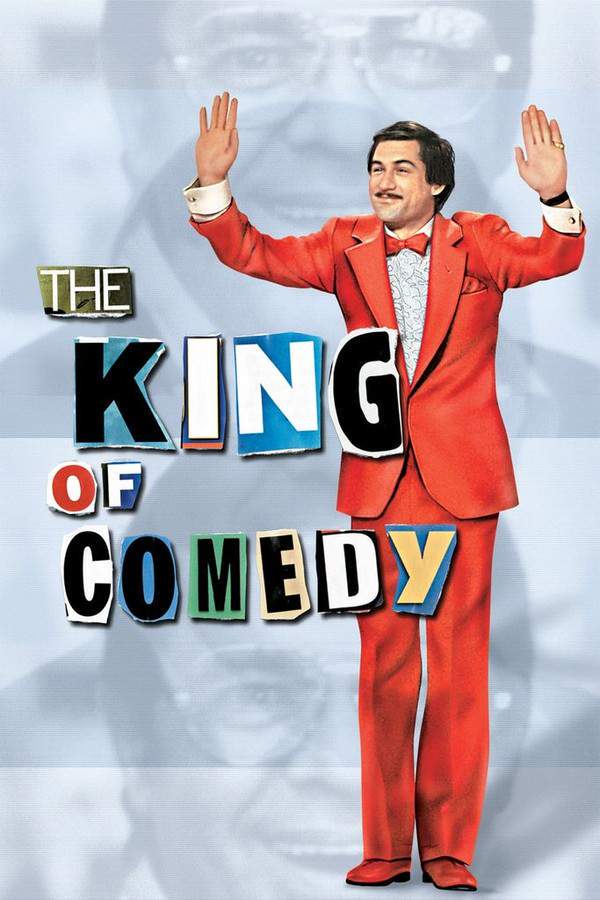
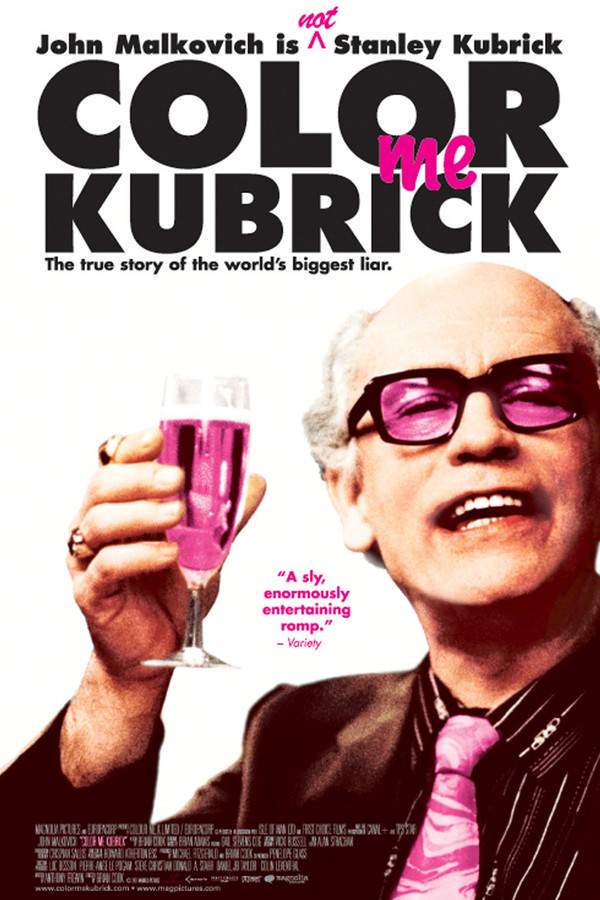
Meta-Fiction Movies Starring Actors as Themselves like JCVD

Films that blur the line between a star's public persona and private reality. Explore movies like JCVD where famous actors play self-reflective versions of their own personas. This collection features films that deconstruct celebrity and fame, blending drama with dark comedy in stories about identity crises and public perception. If you liked the meta-commentary in JCVD, you'll find similar thoughtful and raw explorations here.

  • meta
  • self-reflective
  • satirical
  • anxious
  • raw
  • wistful
  • Tone: dark, self-reflective, satirical
  • Pacing: variable, blending introspective moments with dramatic bursts
Why these movies?

The story pattern: These narratives typically follow a celebrity figure confronting a personal or professional crisis that forces them to re-evaluate their legacy. The plot often involves a media spectacle or a situation that highlights the gap between their manufactured image and their authentic self, leading to a journey of introspection, self-parody, or a desperate search for redemption.

Why they belong together: These films are grouped together because they share a foundational meta-fictional structure and a thematic focus on deconstructing celebrity. They blend drama with a specific, often dark, comedic tone derived from self-awareness and critique of the fame machine, creating a unique subgenre of character study.
Intense Hostage Crisis Thrillers with Tense Standoffs like JCVD

High-stakes situations where negotiation and desperation collide. Discover tense thriller movies similar to JCVD that feature intense hostage crises and prolonged standoffs. These films focus on high-stakes negotiations, moral dilemmas, and the raw tension of characters trapped in a volatile situation. If you enjoyed the explosive media spectacle and紧张气氛 in JCVD, you'll find more gripping stories here.

  • tense
  • claustrophobic
  • suspenseful
  • gritty
  • desperate
  • unpredictable
  • Tone: tense, dark, gritty
  • Pacing: fast, variable, suspenseful
Why these movies?

The story pattern: Stories in this thread typically unfold in a confined space, building claustrophobic tension as a volatile situation escalates. The narrative drives on the interplay between the hostage-takers' motives, the hostages' survival instincts, and the external pressures from law enforcement and the media, often leading to an unpredictable and explosive resolution.

Why they belong together: These movies are grouped by their core plot mechanism—a hostage crisis—which creates a specific, high-tension narrative structure. They share a fast or variable pacing driven by suspense, a dark or tense tone, and a focus on the psychological unraveling of characters under duress.

If you liked this

Movies Like JCVD

Similar movies to JCVD: the same genre, themes or kind of story. Each one comes with its own plot summary, timeline and ending explained.

Browse all movie summaries

Every angle

JCVD (2008) Explained: Plot, Timeline & Characters

Everything about JCVD in one place: what happens in the plot summary, the timeline in chronological order, the characters and meaning and a spoiler-free summary. What's After the Movie adds the cast, box office and post-credit scenes.

Coming soon on iOS and Android

The Plot Explained Movie Summary App

Plot summaries, endings explained and timelines on your phone. Catch up on any movie in minutes, save your favorites and never miss a twist again.

Be the first to know when we launch. Your email stays private, always.

Learn more about the app