Plot Explained Spoilers guaranteed!
Plot Explained

Browse by genre

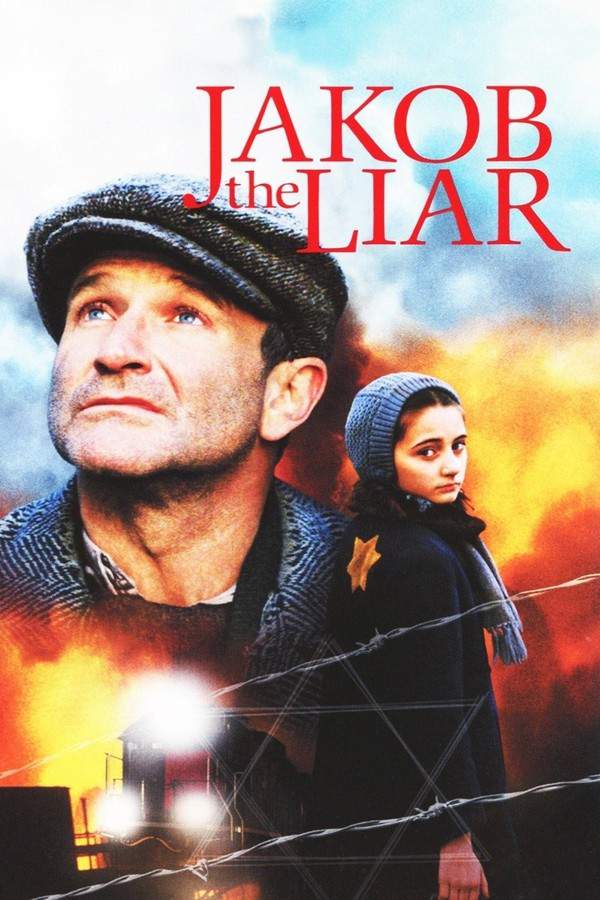
Jacob the Liar (1974) movie poster

Characters & Themes

Jacob the Liar (1974) Characters, Setting & Themes Explained

Release, runtime and language
1974 · 100 mins · German
Loading streaming availability…
Directed by
Frank Beyer
Starring
Henry Hübchen, Vlastimil Brodský, Hermann Beyer, Peter Pauli, Gabriele Gysi, Armin Mueller-Stahl

In a 1944 Eastern European Jewish ghetto, Jakob Heym accidentally hears a German broadcast announcing the Soviet advance. To keep his friend Mischa from risking his life for food, he pretends to own a hidden radio—a crime punishable by death. The rumor spreads, giving the ghetto new hope, and Jakob is forced to invent increasingly elaborate stories to sustain the illusion.

On this page (8)
  1. 1 Where to watch
  2. 2 Characters explained (7)
  3. 3 Where & when it takes place
  4. 4 Themes & meaning (3)
  5. 5 Character & meaning questions
  6. 6 Movie threads
  7. 7 Movies like Jacob the Liar
  8. 8 Every angle
Loading streaming availability…

7 main characters · contains spoilers

Jacob the Liar Characters Explained: Who Is Who

The main characters of Jacob the Liar (1974), heroes and villains: what drives them, how they change over the course of the story and what each of them reveals about the film's bigger ideas.

  • Jakob Heym

    played by Vlastimil Brodský

    A resourceful yet morally complex resident who uses invented reports of the Red Army to lift the spirits of his starving neighbors. He risks punishment for owning a radio and disseminating information. His lies create a communal sense of possibility, but also blur the line between truth and fiction. Ultimately, his confession reveals the moral cost of his actions as the threat of deportation closes in.

    • 🕯️ Hope
    • 🗣️ Deception
    • 🛡️ Survival
  • Frankfurter

    played by Dezső Garas

    A member of the Frankfurter family who seeks information to protect and feed his loved ones in the ghetto. He is depicted as a resident who relies on news and rumors to navigate the dangers around him. As the stories become more important, he and others cling to them for a sense of control, even as peril looms.

    • 🧭 News-seeker
    • 🛡️ Family-provider
    • 🕯️ Community anchor
  • Mrs. Frankfurter

    played by Zsuzsa Gordon

    A figure of worry and endurance within the Frankfurter family. She embodies the emotional burden carried by those living under occupation and how rumor impacts family morale. Her reactions to Jakob’s tales reflect the delicate balance between hope and fear in the community.

    • 🕯️ Worry
    • 🧭 Family resilience
    • 🕊️ Hope
  • Rose Frankfurter

    played by Blanche Kommerell

    A member of the Frankfurter family who shares in the fear and hope of the ghetto. Her presence underscores the collective experience of survival, rumor, and small acts of defiance that keep the community going.

    • 🕯️ Family ties
    • 🧭 Hope
    • 🕊️ Quiet resilience
  • Kowalski

    played by Erwin Geschonneck

    A Nazi guard who enforces the regime's control and serves as a constant reminder of the oppressive machinery crushing the ghetto. His role embodies the threat of authority and punishment that looms over every resident.

    • ⚔️ Authority
    • 🛡️ Oppression
    • 🕵️ Surveillance
  • Roman Schlamm

    played by Armin Mueller-Stahl

    A member of the Schlamm family whose experience within the ghetto reflects the broader community’s vulnerability to rumor and fear. He represents the everyday person navigating life under occupation and the strain of awaiting uncertain news.

    • 🕯️ Memory
    • 🗺️ Rumor-driven survival
  • Herschel Schlamm

    played by Reimar Johannes Baur

    Another member of the Schlamm family, connected to the broader network of neighbors who rely on each other for support amid scarcity and danger. His presence helps illustrate the close-knit bonds that form in extreme circumstances.

    • 🕯️ Family ties
    • 🧭 Hope
    • 🕊️ Resilience

Last updated: February 18, 2026 at 23:34

Was this helpful?

Setting

Where and When Does Jacob the Liar Take Place?

The setting of Jacob the Liar (1974): the year and time period, the places and locations, and how they shape the characters, the mood and the tension of the story.

Time period

1940s, World War II

The events take place during the height of the Nazi occupation in Poland in the 1940s. Life in the ghetto is governed by strict orders, shortages, and the ever-present threat of deportation. Propaganda and limited communication shape what residents know and believe, intensifying the sense of urgency and danger.

Location

Jewish ghetto, German-occupied Poland

The setting is a crowded Jewish ghetto in German-occupied Poland, where fear and scarcity shape daily life. Guards, curfews, and a watchtower symbolize constant surveillance and control. The environment functions as a closed world where rumors and small acts of defiance become a coping mechanism for survival.

  • ❗️ War-torn Poland
  • 🕯️ Jewish ghetto life
  • 🛡️ Occupation

Last updated: February 18, 2026 at 23:34

Was this helpful?

3 major themes

Jacob the Liar Meaning: Themes & Message Explained

What is Jacob the Liar (1974) really about? The emotional, social and philosophical themes the film keeps returning to, its symbolism and the message beneath the surface.

  • Hope

    Jakob’s stories about the Red Army bring a rare spark of hope to a starving community. Hope here acts as a lifeline in the face of deprivation, giving people something to cling to. Yet the tales rest on falsehoods, forcing a moral reckoning about whether comfort can justify deception. The film uses this tension to explore how hope sustains people under oppression, even when built on lies.

  • Truth vs Lies

    The narrative centers on the clash between truth and deception as Jakob disseminates rumors to protect or uplift others. The community’s reaction ranges from protective to wary as trust becomes a scarce commodity. When the truth surfaces, it complicates relationships and underscores the heavy cost of manipulation under tyranny.

  • Desperation

    Scarcity and fear push residents to grasp at any narrative that might offer relief. In this closed environment, rumors become a social currency that influences choices and dynamics. The looming deportations intensify the sense of fragility, making even small acts of storytelling feel crucial for survival.

Last updated: February 18, 2026 at 23:34

Was this helpful?

Character & theme questions

Jacob the Liar Characters & Meaning: Your Questions Answered

The questions people ask about Jacob the Liar (1974): who the characters really are, their relationships, what the symbols mean, where it takes place and what the movie is really about. Each answer contains spoilers.

Q1

What is the setting of Jacob the Liar and why is it important?

The film takes place in a Jewish ghetto in German-occupied Poland during World War II. This setting is crucial because it establishes a world of constant surveillance, scarcity, and life-or-death stakes, where even small acts like sharing news can carry fatal consequences. The cramped, oppressive environment creates the tension that drives Jakob's impossible situation.

  • jewish ghetto
  • german-occupied poland
  • setting
  • world war 2
  • concentration camp context
  • holocaus
Q2

What time period does the movie depict?

Jacob the Liar is set in 1944, during the height of the Nazi occupation of Poland. This timing is significant because it places the story near the end of World War II, when Soviet forces were advancing and the Jewish ghettos faced imminent liquidation and deportation to concentration camps.

  • 1940s
  • world war 2
  • 1944
  • nazi occupation
  • historical period
Q3

What does the movie say about hope?

The film explores how hope functions as a lifeline in extreme circumstances. Jakob's fabricated reports about the Red Army's advance give the starving community something to live for, yet this hope rests on lies. The movie grapples with whether providing comfort through falsehood is justified when survival itself is at stake.

  • hope
  • survival
  • lies
  • truth
  • optimism
  • resistance
  • morale
Q4

How does Jacob the Liar handle the theme of truth versus lies?

The central tension of the film revolves around Jakob's deception. While his lies uplift the community and provide psychological survival, they also create complications when the truth emerges. The movie does not offer a simple moral answer, instead showing how truth and lies become blurred under tyrannical rule where information itself is a matter of life and death.

  • truth
  • lies
  • deception
  • morality
  • trust
  • manipulation
  • ethics
Q5

What role does desperation play in the story?

Desperation shapes every interaction in the ghetto, where residents grasp at any rumor that might offer relief from starvation and constant threat of deportation. In this closed environment, stories and news become valuable currency that influences decisions and sustains the community, even when the information is uncertain or invented.

  • desperation
  • scarcity
  • hunger
  • rumors
  • deportation
  • survival
  • ghetto life
Q6

Who is Jakob Heym and what is his role in the story?

Jakob Heym is the protagonist, a resourceful yet morally conflicted resident who accidentally learns about the Soviet advance. To protect his friend from dangerous foraging missions, he pretends to own a radio and invents optimistic reports about the Red Army. His role evolves from a protective liar to a community leader whose stories become a source of collective hope, though he must continually fabricate new details to sustain the illusion.

  • jakob heym
  • protagonist
  • radio
  • lies
  • hope
  • leader
  • moral complexity
Q7

Who is Kowalski and what does he represent?

Kowalski is the Nazi guard who enforces the regime's control over the ghetto. He embodies the ever-present threat of authority and punishment that hangs over every resident. His presence serves as a constant reminder of the oppressive machinery that governs the characters' lives and makes Jakob's secret radio possession a capital offense.

  • kowalski
  • nazi guard
  • authority
  • oppression
  • threat
  • occupation
  • violence
Q8

Who are the Frankfurter characters in the film?

The Frankfurter family includes Frankfurter, Mrs. Frankfurter, and Rose Frankfurter. They represent the broader community's response to crisis, seeking information to protect loved ones, carrying the emotional burden of occupation, and clinging to hope despite fear. Their reactions to Jakob's stories reflect the delicate balance between optimism and dread that defines ghetto life.

  • frankfurter family
  • mrs. frankfurter
  • rose frankfurter
  • community
  • family
  • survival
Q9

What is Roman Schlamm's role in Jacob the Liar?

Roman Schlamm represents the everyday person navigating life under occupation. His experience reflects the broader community's vulnerability to rumor and the psychological strain of awaiting uncertain news. He embodies how ordinary residents cope with constant danger through connection with neighbors and shared stories.

  • roman schlamm
  • schlamm family
  • neighbor
  • community
  • vulnerability
  • occupation
Q10

How does Jacob the Liar balance comedy and drama?

Though classified as a comedy, the film uses dark, situational humor that arises from the absurdity of Jakob's impossible predicament rather than light entertainment. The comedy is understated and bittersweet, emerging from the immense pressure of maintaining a life-saving deception in a deadly environment. This tonal approach highlights the resilience of the human spirit even in the darkest circumstances.

  • comedy
  • drama
  • tone
  • dark humor
  • bittersweet
  • tone
  • genre
  • survival
Q11

What is the ending context of Jacob the Liar?

The film ends on a bleak note as the characters face deportation to concentration camps, reflecting the tragic historical reality of Jewish ghettos during World War II. This ending underscores the weight of Jakob's lies and the futility of hope against the machinery of the Holocaust, while also highlighting how his stories, however false, provided genuine human connection and dignity in final moments.

  • ending
  • deportation
  • concentration camps
  • bleak
  • tragedy
  • historical context
  • holocaust

Movie threads

More Movies Like Jacob the Liar, by Mood & Story

Curated lists built around what makes Jacob the Liar tick: the same mood, the same kind of story or the same emotional payoff. Each list explains why these movies belong together.

Movies where hope is a dangerous delusion like Jacob the Liar

Stories where a fragile hope becomes a life-sustaining but perilous lie. Explore movies like Jacob the Liar where characters fabricate hope under oppressive regimes. These similar films feature desperate lies that sustain communities, creating a bittersweet and tense viewing experience for fans of wartime dramas.

  • desperate
  • hopeful
  • anxious
  • tragic
  • oppressive
  • moral dilemma
  • Tone: bittersweet, tense
  • Pacing: steady, deliberate
Why these movies?

The story pattern: The narrative follows a protagonist who, often accidentally, fabricates a source of hope. This lie takes on a life of its own, forcing the character into a high-stakes performance. The story's tension builds from the need to perpetuate the fiction and the ever-present threat of exposure.

Why they belong together: These films are grouped by their shared bittersweet tone and heavy emotional weight. They explore the moral weight of deception for a greater good and feature a steady pacing that allows the psychological pressure on the protagonist to mount, culminating in a bleak or bittersweet resolution.

Claustrophobic survival dramas with a similar feel to Jacob the Liar

Intense stories of people trapped together, clinging to humanity against all odds. Find movies similar to Jacob the Liar that unfold in confined, oppressive spaces. If you liked the tense atmosphere of the ghetto, you'll appreciate these films about communities under pressure, focusing on survival and moral choices.

  • claustrophobic
  • oppressive
  • anxious
  • desperate
  • grim
  • tragic
  • Tone: bleak, grim, anxious
  • Pacing: steady, methodical
Why these movies?

The story pattern: These narratives are set within tightly constrained environments that act as a pressure cooker for human drama. The plot focuses on the collective psychology of a group, the erosion of norms, and the small, defiant acts that constitute resistance. The pacing is often steady, building a sense of inevitable dread.

Why they belong together: These films share a high-intensity, claustrophobic mood and an oppressive atmosphere. They are united by their focus on the human spirit tested by confinement, featuring heavy themes and a bleak or bittersweet emotional conclusion that underscores the cost of survival.

If you liked this

Movies Like Jacob the Liar

Similar movies to Jacob the Liar: the same genre, themes or kind of story. Each one comes with its own plot summary, timeline and ending explained.

Browse all movie summaries

Every angle

Jacob the Liar (1974) Explained: Plot, Timeline & Characters

Everything about Jacob the Liar in one place: what happens in the plot summary, the timeline in chronological order, the characters and meaning and a spoiler-free summary. What's After the Movie adds the cast, box office and post-credit scenes.

Coming soon on iOS and Android

The Plot Explained Movie Summary App

Plot summaries, endings explained and timelines on your phone. Catch up on any movie in minutes, save your favorites and never miss a twist again.

Be the first to know when we launch. Your email stays private, always.

Learn more about the app