Plot Explained Spoilers guaranteed!
Plot Explained

Browse by genre

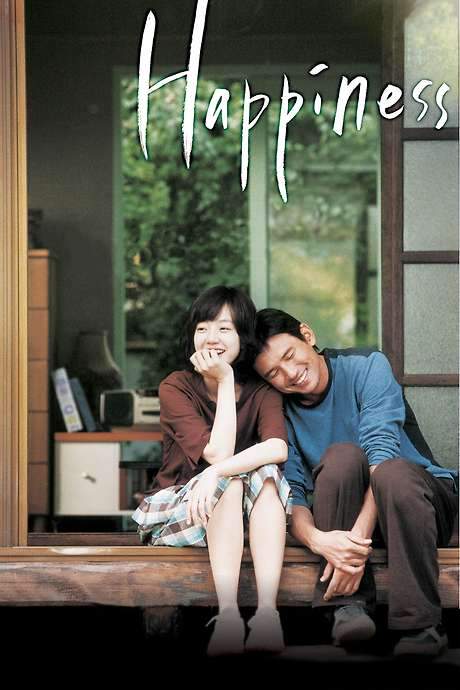
Happiness (2007) movie poster

Plot Summary

Happiness (2007) Plot Summary Explained

Release, runtime and language
2007 · 124 mins · Korean
Directed by
Hur Jin-ho
Starring
Gong Hyo-jin, Yoo Seung-mok, Hwang Jung-min, Kim Ki-cheon, Ryu Seung-su, Lim Soo-jung

When a carefree young man learns he has a terminal illness, he is hospitalized for treatment. While there, he meets another patient and they fall in love, discovering that love can shift even in difficult times. After his recovery, he must decide whether to return to his former life or embrace the changes.

On this page (5)
  1. 1 What happens: full plot
  2. 2 Plot questions answered
  3. 3 Movie threads
  4. 4 Movies like Happiness
  5. 5 Every angle

Full plot summary · contains spoilers

What Happens in Happiness: Full Plot Summary

The whole story of Happiness (2007) explained, from the opening scene to the final frame: every key event, every twist and what it all adds up to. Read it as a quick recap before the sequel, to check a scene you missed, or to finally understand what really happened.

When Young-su, portrayed by Hwang Jung-min, is diagnosed with liver cirrhosis, he decides to leave behind his hedonistic and reckless lifestyle in the bustling city. He also parts ways with his live-in girlfriend and the dwindling nightclub that once defined his identity. Seeking treatment for his deteriorating health, he retreats to a rural sanatorium, where fate introduces him to a fellow patient, Eun-hee, played by Lim Soo-jung. Eun-hee has been living with a severe lung disease that has dramatically reduced her lung capacity to about 40 percent, putting her at constant risk of respiratory failure.

As their lives intertwine within the sanatorium's walls, Young-su and Eun-hee discover a deep connection that blossoms into romance. Once they leave the confines of the hospital, they find solace and joy in a quaint and inviting farmhouse. Their health appears to improve wonderfully during this time, leading them to enjoy moments of optimism and love. However, when Young-su's friends from the city visit, he becomes increasingly torn. The allure of his previous lifestyle starts to pull him away from the humble, simple life he has come to share with Eun-hee, leading him to question whether he should abandon rural living for the distractions of the city once more.

Ultimately, Young-su finds himself unable to cope with the tedium of country life and makes the fateful decision to leave Eun-hee behind as he ventures back to Seoul in search of regaining his former glory. Unfortunately, this choice proves catastrophic; his nightclub business collapses yet again, his rekindled relationship with his ex-girlfriend crumbles, and his health deteriorates as his liver cirrhosis returns with vengeance. Stripped of everything that once mattered, Young-su makes his way back to the countryside, driven by a desperate need to reunite with Eun-hee, only to arrive at a heartbreaking realization: her condition has deteriorated to a terminal stage, rendering her bedridden and on the brink of death.

In her final moments, Eun-hee offers Young-su her silent forgiveness, but the pain of his choices weighs heavily on him as he grapples with the reality of their love lost. After her passing, he is left to mourn over her ashes, which serves as a painful reminder of the genuine connection they shared. Returning alone to the sanatorium, Young-su is left to grapple with the heavy regrets regarding the woman who had shown him true love and happiness, now overshadowed by the consequences of his past decisions. The cycle of his life comes full circle, as he is forced to confront his actions and their profound impact on both his life and the life of Eun-hee.

Last updated: September 30, 2026 at 11:09

Was this helpful?

Plot questions answered

Happiness Plot Explained: Your Questions Answered

The questions people ask most about Happiness (2007): what happens in the confusing scenes, why the characters do what they do, the twists, hidden details and what the ending means. Each answer contains spoilers.

Q1

Why did Young-su leave his city life behind for a sanatorium?

Young-su was diagnosed with liver cirrhosis, a direct consequence of his hedonistic and reckless lifestyle in Seoul. Realizing his health was deteriorating, he chose to abandon his nightclub business and his live-in girlfriend in order to seek proper treatment at a rural sanatorium. This move was both a medical necessity and the first step toward changing the way he had been living.

Foreshadowing: Early scenes show Young-su drinking heavily and ignoring his failing health, foreshadowing the cirrhosis diagnosis that forces him into a hospital setting.

  • young-su
  • liver cirrhosis
  • seoul
  • sanatorium
  • diagnosis
  • lifestyle
Q2

How did Young-su and Eun-hee meet at the sanatorium?

They met as fellow patients inside the rural sanatorium where Young-su had gone for liver treatment. Eun-hee had been living there for a long time due to a severe lung disease that had reduced her lung capacity to roughly 40 percent. Their shared experience of chronic illness allowed them to form a deep emotional bond that eventually turned into romance.

Foreshadowing: Their first meeting is framed around mutual vulnerability rather than attraction, which sets up the slow, intimacy-driven pace of their relationship.

  • young-su
  • eun-hee
  • sanatorium
  • meeting
  • lung disease
Q3

Why did Young-su and Eun-hee's health improve at the farmhouse?

Leaving the clinical environment of the sanatorium for a warm, quiet farmhouse allowed both of them to escape the stress and emotional weight of hospital life. A calmer routine, better rest, and the emotional support they gave each other created the right conditions for their bodies to recover. Their optimism about the future together reinforced this period of physical healing.

Foreshadowing: The farmhouse scenes use softer lighting and slower pacing compared to the city sequences, hinting that this peace is fragile and will not last.

  • farmhouse
  • recovery
  • health
  • young-su
  • eun-hee
  • rural life
Q4

Why did Young-su's friends' visit make him doubt his life with Eun-hee?

When Young-su's friends from Seoul arrived at the farmhouse, they brought reminders of the nightlife, status, and excitement he had previously enjoyed. Their visit reawakened desires he thought he had left behind and exposed how unsatisfied he felt with the simplicity of rural living. Instead of reinforcing his commitment to Eun-hee, the visit pulled him back toward the identity he was trying to escape.

Foreshadowing: Young-su's body language during the visit, including his hesitation when asked about returning to the city, hints that his commitment to the rural life is already weakening.

  • young-su
  • friends
  • seoul
  • doubt
  • farmhouse
  • temptation
Q5

Why did Young-su decide to abandon Eun-hee and return to Seoul?

Unable to cope with the monotony of rural life and seduced by the appeal of his old identity, Young-su chose to chase the comfort and excitement he once knew in the city. He abandoned Eun-hee despite their relationship and her fragile health, believing he could reclaim his former glory. This decision marks the pivotal turning point that collapses both of their futures.

Foreshadowing: His growing impatience with rural life is visible in earlier scenes where he stares blankly at farm work, suggesting his dissatisfaction long before the actual departure.

  • young-su
  • eun-hee
  • abandonment
  • seoul
  • decision
  • turning point
Q6

Why did Young-su's nightclub fail again after he returned to Seoul?

Young-su tried to revive the same nightclub business that had already been declining before his diagnosis, but the foundations of that life were already gone. The habits, relationships, and momentum that once sustained it no longer existed, and his health made it impossible to keep up with the demands of running it. The collapse was less about bad luck and more about him trying to return to a chapter that had already closed.

Foreshadowing: Early hints that the nightclub was 'dwindling' before he left foreshadow that the business was already in decline and could not simply be restarted.

  • nightclub
  • seoul
  • business failure
  • young-su
  • decline
Q7

Why did Young-su's liver cirrhosis come back after he returned to the city?

Going back to Seoul meant returning to the drinking, stress, and unhealthy habits that had caused the cirrhosis in the first place. Combined with the emotional collapse of his business and relationship, his body quickly gave way under the same conditions that had originally damaged it. The relapse is the physical consequence of his choice to abandon the healing life he had built with Eun-hee.

Foreshadowing: A doctor earlier warns him that reverting to his old habits will destroy his liver again, a warning he ignores.

  • young-su
  • liver cirrhosis
  • relapse
  • seoul
  • health
Q8

Why did Eun-hee's condition get worse while Young-su was gone?

Eun-hee was already suffering from a severe, progressive lung disease that had reduced her lung capacity to about 40 percent, putting her at constant risk of respiratory failure. Her condition was not going to improve on its own, and losing Young-su's emotional support removed a key part of what had been sustaining her. By the time he came back, her illness had advanced to a terminal stage, leaving her bedridden and on the verge of death.

Foreshadowing: Doctors at the sanatorium had already explained that her lung capacity was unlikely to recover, foreshadowing the inevitability of her decline.

  • eun-hee
  • lung disease
  • deterioration
  • terminal
  • illness
Q9

What does Eun-hee's silent forgiveness mean in her final moments?

In her final moments, Eun-hee offers Young-su forgiveness without words, acknowledging the pain he caused but releasing him from the weight of his guilt. It reflects the depth of her love, which persists even after his abandonment, and shows that she understands his weakness rather than punishing him for it. This quiet acceptance is the emotional core of the film's tragedy, because it comes far too late to undo the damage.

Foreshadowing: Earlier scenes show Eun-hee choosing patience over confrontation when Young-su expresses doubt, foreshadowing her capacity for silent grace.

  • eun-hee
  • forgiveness
  • death
  • young-su
  • love
  • ending
Q10

Did Young-su and Eun-hee reconcile before she died?

They did not get the chance to truly reconcile. By the time Young-su returned to the farmhouse, Eun-hee was already bedridden and on the brink of death, unable to speak or act. Her silent forgiveness in those final moments is the closest thing to reconciliation the film offers, but it happens too late for any real future together.

Foreshadowing: His desperate journey back to the countryside is contrasted with her deteriorating state, foreshadowing that reconciliation will be emotional rather than practical.

  • young-su
  • eun-hee
  • reconciliation
  • death
  • farmhouse
Q11

Why does Young-su return to the sanatorium alone at the end of Happiness?

With his business gone, his relationship with his ex-girlfriend over, his health failing again, and Eun-hee now dead, Young-su has nothing left in either the city or the farmhouse. Returning to the sanatorium brings the story full circle to the place where he first began to change, but this time he arrives alone. The ending forces him to sit with the consequences of his choices rather than escape into another version of his old life.

Foreshadowing: The opening scenes establish the sanatorium as a place of reflection, making his final return there a deliberate echo of where his transformation began.

  • young-su
  • sanatorium
  • ending
  • regret
  • full circle
Q12

What is the overall message or theme of Happiness?

Happiness explores how the inability to commit to genuine growth can destroy the very things that bring meaning to life. Young-su's brief experience of real love and healing is undone because he cannot let go of the comfort of his old identity, and the tragedy lies not in fate but in his choices. The film suggests that happiness is fragile, and that indecision between comfort and growth often costs everything that matters.

Foreshadowing: The film's title itself is ironic, foreshadowing that the happiness Young-su glimpses is destined to be lost rather than sustained.

  • happiness
  • theme
  • regret
  • love
  • growth
  • tragedy

Movie threads

More Movies Like Happiness, by Mood & Story

Curated lists built around what makes Happiness tick: the same mood, the same kind of story or the same emotional payoff. Each list explains why these movies belong together.

Hospital sanctuary romances like Happiness

Tender connections bloom where life is most fragile, only to be torn apart by fate. Movies like Happiness where love blooms in hospitals or sanatoriums between people facing terminal illness. These tender, bittersweet dramas explore fragile romance, mortality, and the quiet devastation of losing someone you only just found. If you liked Happiness, these emotionally heavy stories of love in the shadow of death will resonate just as deeply.

  • tender
  • fragile
  • mortality
  • sanctuary
  • wistful
  • devastating
  • Tone: bittersweet, tender, devastating
  • Pacing: steady, contemplative
Why these movies?

The story pattern: Stories in this thread typically follow two patients who meet in a medical setting, drawn together by shared vulnerability and the strange intimacy of facing death side by side. The early stages are warm and gentle, often featuring small daily rituals, quiet conversations, and a sense that this love is both a miracle and a borrowed gift. Health may briefly recover, allowing a taste of normal life together, before illness returns or circumstances force them apart. The central tension is never whether they love each other, but whether love alone is enough to survive what is coming. Endings tend to lean tragic, with one partner often lost and the other left carrying the weight of what they shared.

Why they belong together: They are grouped together because they share the same emotional core: love that is awakened, deepened, and ultimately threatened by illness, mortality, or the limits of medical reality. The pacing is steady and reflective, allowing small gestures to carry enormous meaning. The tone is bittersweet rather than purely tragic because the love itself is genuine and transformative, even when the outcome is devastating. The settings tend to be quiet, intimate spaces where time slows down and characters are forced to confront what truly matters.

If you liked this

Movies Like Happiness

Similar movies to Happiness: the same genre, themes or kind of story. Each one comes with its own plot summary, timeline and ending explained.

Browse all movie summaries

Every angle

Happiness (2007) Explained: Plot, Timeline & Characters

Everything about Happiness in one place: what happens in the plot summary, the timeline in chronological order, the characters and meaning and a spoiler-free summary. What's After the Movie adds the cast, box office and post-credit scenes.

Coming soon on iOS and Android

The Plot Explained Movie Summary App

Plot summaries, endings explained and timelines on your phone. Catch up on any movie in minutes, save your favorites and never miss a twist again.

Be the first to know when we launch. Your email stays private, always.

Learn more about the app