Plot Explained Spoilers guaranteed!
Plot Explained

Browse by genre

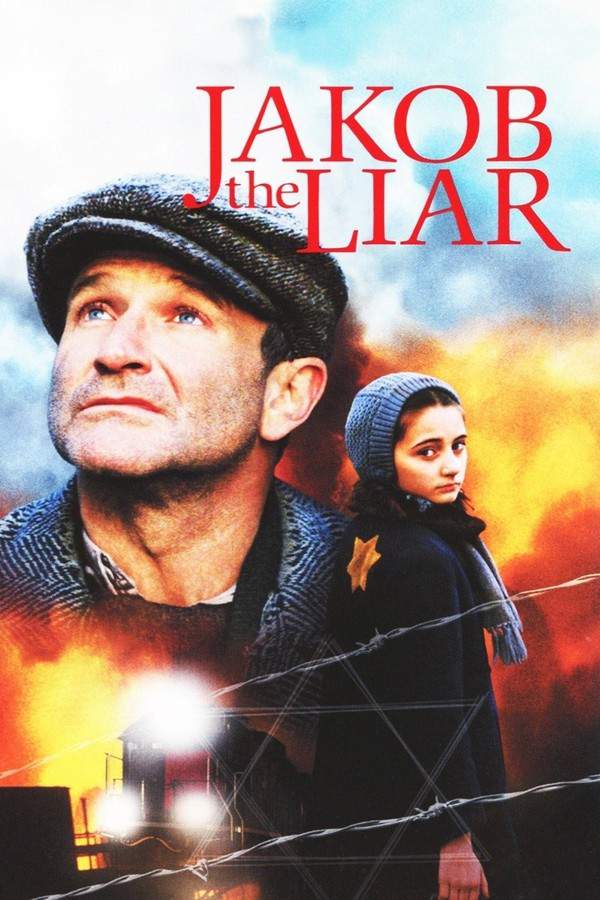
Jacob the Liar (1974) movie poster

Plot Summary

Jacob the Liar (1974) Plot Summary Explained

Release, runtime and language
1974 · 100 mins · German
Loading streaming availability…
Directed by
Frank Beyer
Starring
Henry Hübchen, Vlastimil Brodský, Hermann Beyer, Peter Pauli, Gabriele Gysi, Armin Mueller-Stahl

In a 1944 Eastern European Jewish ghetto, Jakob Heym accidentally hears a German broadcast announcing the Soviet advance. To keep his friend Mischa from risking his life for food, he pretends to own a hidden radio—a crime punishable by death. The rumor spreads, giving the ghetto new hope, and Jakob is forced to invent increasingly elaborate stories to sustain the illusion.

On this page (6)
  1. 1 Where to watch
  2. 2 What happens: full plot
  3. 3 Plot questions answered
  4. 4 Movie threads
  5. 5 Movies like Jacob the Liar
  6. 6 Every angle
Loading streaming availability…

Full plot summary · contains spoilers

What Happens in Jacob the Liar: Full Plot Summary

The whole story of Jacob the Liar (1974) explained, from the opening scene to the final frame: every key event, every twist and what it all adds up to. Read it as a quick recap before the sequel, to check a scene you missed, or to finally understand what really happened.

Jakob Heym Vlastimil Brodský sits in a crowded Jewish ghetto in German-occupied Poland, where danger and hunger shape every moment. One night, a watchtower guard Hermann Beyer detains him for supposedly breaking curfew, ordering him to report to a German military office. Though the officer is asleep when Jakob arrives, a radio broadcast nearby announces Soviet Army advances, offering a sliver of news in a world built on silence and fear. The guard ultimately sends Jakob home, whether by mistake or intention, leaving him to wonder what really happened and what might come next.

Back among friends, Jakob tries to cushion their fear with a careful lie: he tells them that the Russians are not far away, a claim meant to steer them away from a hollow, suicidal impulse. Yet the danger of his supposed trip to the Nazi office—an act that could cost him his life—gnaws at him, and he fears what will happen when the truth would surface. The rumor mill starts to turn, and Jakob finds himself expected to supply more news, even as the danger grows with every whispered update.

In a desperate bid to lift the spirits of a population pressed to the edge, Jakob begins to weave stories of a Red Army advance toward their ghetto. The residents, famished and breathless for relief, cling to these fables as if they might sustain them through another day. The act is small in scope, but its impact is immense: it rekindles a fragile hope and a will to live that hardship had nearly extinguished. When Jakob finally confesses to a trusted friend that most of his reports were fabrications, the friend offers a poignant point: the simple power of hope can keep people going even when the truth is harsher.

As the story unfolds toward its inexorable conclusion, the film culminates in a chilling, inevitable deportation. Jakob and countless others are marched away, their lives uprooted, their futures erased, as they are sent to extermination camps. The closing image lingers on the weight of truth and the enduring question of what hope can mean in the face of annihilation.

Last updated: February 18, 2026 at 23:47

Was this helpful?

Plot questions answered

Jacob the Liar Plot Explained: Your Questions Answered

The questions people ask most about Jacob the Liar (1974): what happens in the confusing scenes, why the characters do what they do, the twists, hidden details and what the ending means. Each answer contains spoilers.

Q1

Why did Jakob pretend to own a radio?

Jakob pretended to own a radio after accidentally hearing a German broadcast about Soviet Army advances while detained for breaking curfew. When his friend Mischa was considering a suicidal impulse, Jakob used this information to give him hope by claiming the Russians were nearby. When nobody believed he had actually visited the Nazi office and survived, he panicked and claimed he owned a hidden radio, a crime punishable by death. This lie spiraled as the entire ghetto began relying on him for news.

Foreshadowing: The dangerous lie begins when Jakob first tells a friend that the Russians are not far away, planting the seed for his later fabrications.

  • radio
  • lie
  • hope
  • Jakob Heym
  • curfew
Q2

What happened when Jakob was taken to the German military office?

Jakob was ordered to report to a German military office after being caught supposedly breaking curfew. When he arrived, the officer was asleep, but Jakob heard a radio broadcast nearby announcing Soviet Army advances. The guard eventually sent him home after misreading the time. This accidental exposure to real news became the foundation for all his later fabrications.

Foreshadowing: The broadcast Jakob overhears is the only true news he ever shares, making his subsequent lies possible.

  • German office
  • curfew
  • broadcast
  • Soviet army
Q3

Why did Jakob start making up stories about the Red Army?

After giving his friend Mischa a small piece of hope by mentioning the Russians were nearby, the rumor spread through the desperate ghetto. People began pressuring Jakob for more news, expecting him to use his supposed radio to gather information. To sustain the fragile hope he had sparked among the starving residents, Jakob began inventing increasingly elaborate stories about Red Army advances toward their ghetto.

Foreshadowing: Jakob's initial truthful report about the Russians triggers the community's demand for more news, forcing him to fabricate.

  • Red Army
  • lies
  • fabrications
  • hope
  • ghetto residents
Q4

What happened when Jakob confessed that his reports were lies?

Jakob eventually confessed to a trusted friend that only the first report about the Red Army being nearby was true, and all subsequent reports were fabrications. His friend responded with a poignant observation: the lies had given the starving residents hope and the will to live through another day. The paradox of lies that saved lives became the moral center of the story.

Foreshadowing: The confession reveals the ethical weight of Jakob's deception, but also acknowledges its unexpected benefit.

  • confession
  • lies
  • truth
  • friend
  • hope
Q5

Why did the ghetto residents believe Jakob's stories?

The residents of the ghetto were starving, desperate, and living under constant threat of death. They were so hungry for any positive news that they clung to Jakob's stories as if they might sustain them. The line between truth and fabrication blurred completely as people found renewed purpose and cautious optimism in the imagined news of liberation. The psychological need for hope in their hopeless situation made belief easier than doubt.

Foreshadowing: The community's desperate state is established early, making their willingness to believe logical.

  • ghetto residents
  • desperate
  • hope
  • belief
  • starvation
Q6

What happened at the end of the movie?

The film ends with Jakob and the other ghetto residents being marched away in a deportation to extermination camps. Despite the hope Jakob's stories provided, the hopeful thread is brutally cut short by the grim historical reality. The closing image underscores the tragic fate awaiting them and the question of what hope can mean in the face of annihilation.

Foreshadowing: The constant threat of deportation hangs over the entire film, making the ending inevitable yet devastating.

  • deportation
  • extermination camps
  • ending
  • tragedy
Q7

What was the punishment for owning a radio in the ghetto?

In the Nazi-occupied Jewish ghetto, possessing a radio was a crime punishable by death. This made Jakob's claim that he owned a radio extremely dangerous, not only because he was lying, but because if discovered, the lie could be verified and he would face execution. The constant threat of discovery added to the perpetual fear throughout the film.

Foreshadowing: The stakes of Jakob's lie are established early through the warning that radio possession means death.

  • radio
  • punishment
  • death
  • Nazi
  • danger

Movie threads

More Movies Like Jacob the Liar, by Mood & Story

Curated lists built around what makes Jacob the Liar tick: the same mood, the same kind of story or the same emotional payoff. Each list explains why these movies belong together.

Movies where hope is a dangerous delusion like Jacob the Liar

Stories where a fragile hope becomes a life-sustaining but perilous lie. Explore movies like Jacob the Liar where characters fabricate hope under oppressive regimes. These similar films feature desperate lies that sustain communities, creating a bittersweet and tense viewing experience for fans of wartime dramas.

  • desperate
  • hopeful
  • anxious
  • tragic
  • oppressive
  • moral dilemma
  • Tone: bittersweet, tense
  • Pacing: steady, deliberate
Why these movies?

The story pattern: The narrative follows a protagonist who, often accidentally, fabricates a source of hope. This lie takes on a life of its own, forcing the character into a high-stakes performance. The story's tension builds from the need to perpetuate the fiction and the ever-present threat of exposure.

Why they belong together: These films are grouped by their shared bittersweet tone and heavy emotional weight. They explore the moral weight of deception for a greater good and feature a steady pacing that allows the psychological pressure on the protagonist to mount, culminating in a bleak or bittersweet resolution.

Claustrophobic survival dramas with a similar feel to Jacob the Liar

Intense stories of people trapped together, clinging to humanity against all odds. Find movies similar to Jacob the Liar that unfold in confined, oppressive spaces. If you liked the tense atmosphere of the ghetto, you'll appreciate these films about communities under pressure, focusing on survival and moral choices.

  • claustrophobic
  • oppressive
  • anxious
  • desperate
  • grim
  • tragic
  • Tone: bleak, grim, anxious
  • Pacing: steady, methodical
Why these movies?

The story pattern: These narratives are set within tightly constrained environments that act as a pressure cooker for human drama. The plot focuses on the collective psychology of a group, the erosion of norms, and the small, defiant acts that constitute resistance. The pacing is often steady, building a sense of inevitable dread.

Why they belong together: These films share a high-intensity, claustrophobic mood and an oppressive atmosphere. They are united by their focus on the human spirit tested by confinement, featuring heavy themes and a bleak or bittersweet emotional conclusion that underscores the cost of survival.

If you liked this

Movies Like Jacob the Liar

Similar movies to Jacob the Liar: the same genre, themes or kind of story. Each one comes with its own plot summary, timeline and ending explained.

Browse all movie summaries

Every angle

Jacob the Liar (1974) Explained: Plot, Timeline & Characters

Everything about Jacob the Liar in one place: what happens in the plot summary, the timeline in chronological order, the characters and meaning and a spoiler-free summary. What's After the Movie adds the cast, box office and post-credit scenes.

Coming soon on iOS and Android

The Plot Explained Movie Summary App

Plot summaries, endings explained and timelines on your phone. Catch up on any movie in minutes, save your favorites and never miss a twist again.

Be the first to know when we launch. Your email stays private, always.

Learn more about the app