Plot Explained Spoilers guaranteed!
Plot Explained

Browse by genre

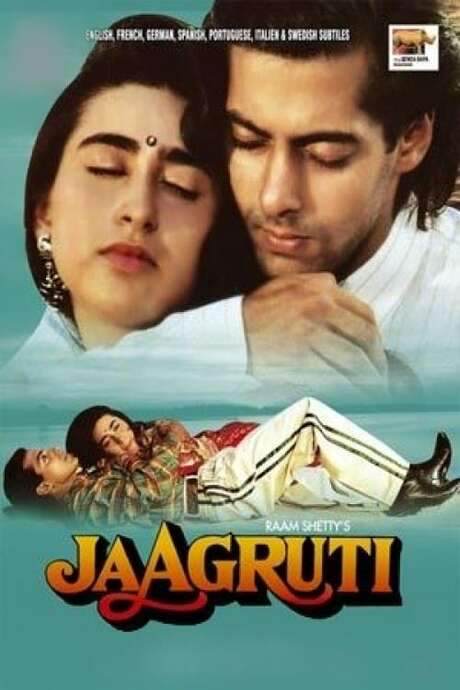
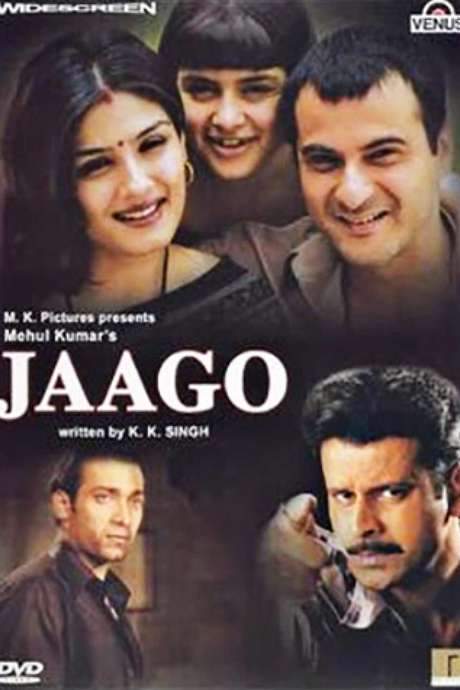
Jaago (2004) movie poster

Plot Summary

Jaago (2004) Plot Summary Explained

Release, runtime and language
2004 · 122 mins · Hindi
Loading streaming availability…
Starring
Sanjay Kapoor, Manoj Joshi, Dinesh Lamba, Manoj Bajpayee, Akhilendra Mishra, Raveena Tandon

The film follows 10‑year‑old Shruti, who rides the train to school each day. On one trip she is brutally attacked and raped by a group of drug addicts, shocking the whole town. Traumatized, she fights to survive while her parents, Srikant and Shraddha, mourn and pray for her recovery. The community demands justice, but the perpetrators remain elusive.

On this page (6)
  1. 1 Where to watch
  2. 2 What happens: full plot
  3. 3 Plot questions answered
  4. 4 Movie threads
  5. 5 Movies like Jaago
  6. 6 Every angle
Loading streaming availability…

Full plot summary · contains spoilers

What Happens in Jaago: Full Plot Summary

The whole story of Jaago (2004) explained, from the opening scene to the final frame: every key event, every twist and what it all adds up to. Read it as a quick recap before the sequel, to check a scene you missed, or to finally understand what really happened.

After a long day at school, ten-year-old Shruti Verma, Hansika Motwani as Shruti Verma, is accidentally locked inside the school building, and by the time she is found and released, night has already fallen. She boards a commuter train home, sharing a carriage with an elderly couple and their daughter. Then a trio of intoxicated, violent young men enters the wagon, notices the girl, and brutally gang-rapes her. The other passengers are too frightened to intervene; only after the attackers have left do they call the police. Shruti is taken to a hospital, but she dies from the trauma in front of her anguished parents, Sanjay Kapoor as Shrikant Verma and Raveena Tandon as Shradha Verma.

Inspector Kripa Shankar Thakur, Manoj Bajpayee as Inspector Kripa Shankar Thakur, is entrusted with the case by the Police Commissioner. He discovers that the culprits are the sons of wealthy and influential citizens. After tracing the identities of the witnesses, Thakur devises a daring sting: Shradha boards the same train, dressed provocatively, to lure the attackers and lay a trap for them. In her relentless fury over her daughter’s suffering, Shradha retrieves a knife from her handbag and fatally stabs one of the assailants, an act that lands her under arrest for manslaughter.

Undeterred, Inspector Thakur presses on, confronting a rising tide of corruption and threats that test his integrity. He sees arrests made and witnesses protected, but the system itself seems bent by power and money. Bribes are offered, allies are tested, and even trusted friends become pawns in a larger game. When a trusted associate, Sawant, appears ready to sabotage the proceedings, Thakur fights back: he abducts Sawant’s wife and son to force Sawant to withdraw his threats and let the witnesses testify.

With testimonies gathered and the emotional pleas of the Vermas, the courtroom drama reaches a turning point as the presiding judge uncovers systemic corruption within the political establishment. In a dramatic reversal, the Vermas are acquitted of wrongdoing, and the last of the culprits is sentenced to death by hanging, with Shrikant and Shradha standing as the rightful executioners. The verdict marks a hard-won sense of justice, but at a heavy personal and moral cost.

In the final moments, the judge walks toward a sunset beach and delivers a somber reflection that echoes as a call to awakening: > After delivering the verdict, I handed in my resignation. I don't know how those who know the law will react to my decision. What I do know, however, is that I have done justice to my soul. I have truly awakened, and it's time you awakened too. <

Last updated: October 09, 2025 at 15:21

Was this helpful?

Plot questions answered

Jaago Plot Explained: Your Questions Answered

The questions people ask most about Jaago (2004): what happens in the confusing scenes, why the characters do what they do, the twists, hidden details and what the ending means. Each answer contains spoilers.

Q1

Why were the attackers difficult to catch?

The culprits were sons of wealthy and influential citizens, which gave them powerful connections and protection. Their families used money and political influence to obstruct the investigation, bribe witnesses, and intimidate anyone willing to testify against them.

  • attackers
  • wealthy
  • connections
  • corruption
  • investigation
Q2

Why did Shradha volunteer to act as bait on the train?

Driven by relentless fury over her daughter's suffering and death, Shradha volunteered to lure the attackers so Inspector Thakur could set a trap. She wanted to confront the men who destroyed her family and help ensure they were caught.

  • Shradha
  • bait
  • trap
  • justice
  • revenge
Q3

Why did Shradha kill one of the attackers?

When the three culprits attempted to rape Shradha on the train, she acted in a moment of overwhelming fury and retrieved a knife from her handbag, stabbing one attacker to death. This act resulted in her arrest for manslaughter.

  • Shradha
  • killing
  • manslaughter
  • train
  • attack
Q4

Why did Shrikant shoot the suspect in court?

Overcome by grief and rage after witnessing the judicial process fail repeatedly, Shrikant burst into the courthouse during a preliminary trial and shot one of the offenders. The act was an explosion of desperation against a system that seemed to protect the guilty.

  • Shrikant
  • shooting
  • court
  • desperation
  • anger
Q5

Why did Inspector Thakur kidnap Sawant's family?

When lawyer Satyaprakash Satwani bribed Sawant, Thakur's ally, to have the witnesses killed before they could testify, Thakur responded by abducting Sawant's wife and son. This forced Sawant to withdraw his threats and allow the witnesses to testify, protecting the case.

  • Thakur
  • Sawant
  • kidnapping
  • witness protection
  • coercion
Q6

How did the judge rule in the case?

In a dramatic reversal, the presiding judge acquitted Shrikant and Shradha of all wrongdoing while sentencing the last remaining culprit to death by hanging. The judge also uncovered systemic corruption within the political establishment that had influenced the case.

  • judge
  • verdict
  • acquitted
  • death sentence
  • corruption
Q7

Why did the judge resign at the end?

The judge resigned because he felt he had betrayed his own conscience by participating in a corrupt system. After delivering the verdict, he stated he had done justice to his soul and needed to 'awaken' - a message urging society to recognize and fight systemic injustice.

Foreshadowing: Earlier scenes showed the judge struggling with political pressure and corruption throughout the trial.

  • judge
  • resignation
  • awakening
  • conscience
  • justice
Q8

Why didn't the other passengers intervene during the attack?

The other passengers were too frightened to intervene. The train compartment only contained an elderly couple, their daughter, and Shruti. Faced with three intoxicated, violent young men, the passengers lacked the means or courage to stop the assault.

  • passengers
  • fear
  • attack
  • train
  • witnesses
Q9

Why were Shruti's parents made the executioners?

The film concludes with Shrikant and Shradha standing as the executioners carrying out the death sentence. This was part of the controversial verdict, symbolically forcing the parents to complete the justice they had fought for, even at immense personal and moral cost.

  • executioners
  • hanging
  • death sentence
  • parents
  • justice
Q10

What was the sting operation to catch the attackers?

Inspector Thakur devised a plan where Shradha would board the same train route, dressed provocatively, to lure the attackers into a trap. The idea was to catch them in the act with witnesses present, though the operation led to Shradha killing one attacker instead of a clean capture.

  • sting
  • trap
  • train
  • operation
  • Thakur

Movie threads

More Movies Like Jaago, by Mood & Story

Curated lists built around what makes Jaago tick: the same mood, the same kind of story or the same emotional payoff. Each list explains why these movies belong together.

Vigilante justice thrillers like Jaago

Stories where broken systems force ordinary people to take justice into their own hands. Movies like Jaago where a brutal crime ignites a quest for revenge outside the law. If you liked the themes of systemic failure and moral compromise in Jaago, these films explore similar journeys of vigilante justice and the heavy price of taking matters into one's own hands.

  • vengeful
  • tense
  • righteous
  • grim
  • urgent
  • sorrowful
  • Tone: dark, vengeful
  • Pacing: steady, relentless
Why these movies?

The story pattern: The narrative typically begins with a horrific, personal crime that shatters the protagonist's world. The ensuing investigation reveals systemic corruption or legal loopholes that protect the guilty. This failure pushes the protagonist—often a grieving parent or victim—to plan and execute their own form of justice, culminating in a climax that questions the very nature of right and wrong.

Why they belong together: These movies are grouped by their shared exploration of a specific moral dilemma: what happens when the path to justice requires becoming a criminal. They share a dark, tense tone, high emotional stakes, and a focus on the psychological toll of vengeance.

Intense parental grief dramas like Jaago

Emotional journeys of parents confronting unimaginable loss and fighting for their child. If you were moved by the heavy portrayal of parental grief in Jaago, these films similarly explore the depths of a parent's sorrow and resilience after a child's trauma. They are emotionally taxing dramas about love, loss, and the relentless fight for a child.

  • sorrowful
  • grieving
  • tense
  • heavy
  • heartbreaking
  • resilient
  • Tone: sorrowful, dark
  • Pacing: steady, character-driven
Why these movies?

The story pattern: The story is anchored by the perspective of parents coping with a sudden, catastrophic event involving their child. The narrative follows their emotional collapse, the strain on their relationship, and their gradual—or frantic—transformation into advocates or avengers. The focus is less on the external plot mechanics and more on the intimate, harrowing portrait of grief and determination.

Why they belong together: These films are united by their primary focus on the parental point of view in the aftermath of trauma. They share a heavy emotional weight, a somber and sorrowful mood, and a central theme of enduring love in the face of unbearable loss.

If you liked this

Movies Like Jaago

Similar movies to Jaago: the same genre, themes or kind of story. Each one comes with its own plot summary, timeline and ending explained.

Browse all movie summaries

Every angle

Jaago (2004) Explained: Plot, Timeline & Characters

Everything about Jaago in one place: what happens in the plot summary, the timeline in chronological order, the characters and meaning and a spoiler-free summary. What's After the Movie adds the cast, box office and post-credit scenes.

Coming soon on iOS and Android

The Plot Explained Movie Summary App

Plot summaries, endings explained and timelines on your phone. Catch up on any movie in minutes, save your favorites and never miss a twist again.

Be the first to know when we launch. Your email stays private, always.

Learn more about the app