Plot Explained Spoilers guaranteed!
Plot Explained

Browse by genre

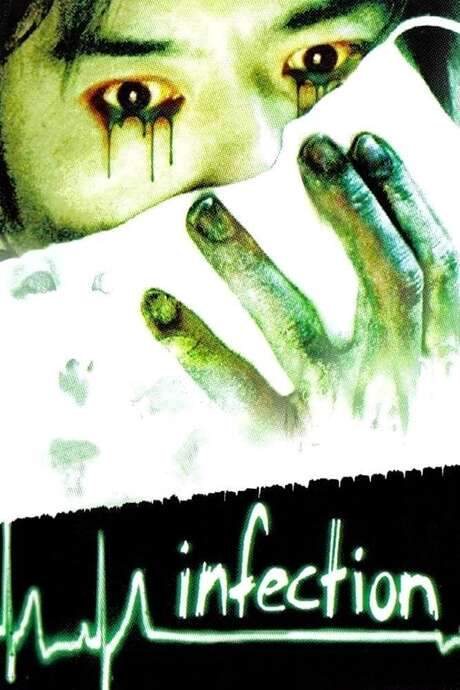
Infection (2004) movie poster

Characters & Themes

Infection (2004) Characters, Setting & Themes Explained

Release, runtime and language
2004 · 98 mins · Japanese
Loading streaming availability…
Directed by
Masayuki Ochiai
Starring
Yoko Maki, Masanobu Takashima, Mari Hoshino, Shirô Sano, Kaho Minami, Moro Morooka

Set in a bleak, isolated hospital, the film follows a single doctor’s error that spirals into a lethal crisis for a patient. As the infection spreads, the once‑sterile corridors become a tightening trap where death lurks around every breath, turning the facility into a nightmarish battlefield of fear and contagion.

On this page (8)
  1. 1 Where to watch
  2. 2 Characters explained (8)
  3. 3 Where & when it takes place
  4. 4 Themes & meaning (3)
  5. 5 Character & meaning questions
  6. 6 Movie threads
  7. 7 Movies like Infection
  8. 8 Every angle
Loading streaming availability…

8 main characters · contains spoilers

Infection Characters Explained: Who Is Who

The main characters of Infection (2004), heroes and villains: what drives them, how they change over the course of the story and what each of them reveals about the film's bigger ideas.

  • Dr. Akiba (Koichi Sato)

    A doctor who orders the wrong drug and becomes entangled in a cover-up. He is pragmatic at first, but as the crisis deepens, his grip on reality weakens and the line between truth and illusion blurs. The narrative hints that his actions may drive a larger, recursive twist about responsibility and identity.

    • 🧪
    • ⚖️
    • 🩺
  • Dr. Uozumi (Masanobu Takashima)

    A fellow physician who becomes overwhelmed by guilt over the cover-up. He succumbs to the escalating crisis, his emotions catching up with him as fear and infection push him toward a tragic end. His fate highlights how remorse can fuel dangerous responses in a crumbling hospital.

    • 🧪
    • 🩺
    • 💉
  • Dr. Akai (Shirô Sano)

    A mysterious doctor who argues that the infection spreads mentally and acts as a catalyst for the story’s twist. His presence unsettles others and challenges their assumptions about causality, pushing the plot toward its reveal about reality and perception.

    • 🧪
    • 🧠
    • 🩺
  • Dr. Nakazono (Michiko Hada)

    A perceptive physician who steps in to assess the chaos and ultimately recognizes that events may be a hallucination. She calls the police, providing a grounded counterpoint to the increasingly surreal crisis and anchoring the narrative’s turning point.

    • 🧪
    • 🧭
    • 🩺
  • Head Nurse (Kaho Minami)

    The authoritative leader of the nursing staff who tries to maintain order as the crisis spreads. She confronts mounting fear and ethical strain, and her authority is tested by the infection’s reach.

    • 🧪
    • 🫶
    • 🩺
  • Mean Nurse (Yoko Maki)

    A cruel, self-serving nurse who participates in the cover-up. She becomes a casualty of the outbreak as the chaos and green goo spread through the staff, illustrating how malice can amplify a crisis.

    • 🩺
    • 🧪
    • 💀
  • Young Nurse (Mari Hoshino)

    An impulsive nurse who engages in reckless acts—such as drawing her own blood—that escalate the infection. Her behavior embodies curiosity that veers into danger, driving the horror forward.

    • 🩺
    • 🧪
    • 🎭
  • Nurse (Tae Kimura)

    One of the hospital nurses who operates in the background as the crisis unfolds. Her role underscores how ordinary staff members are drawn into the spreading threat and its aftermath.

    • 🩺
    • 🧪
    • 🔬

Last updated: October 04, 2025 at 12:20

Was this helpful?

Setting

Where and When Does Infection Take Place?

The setting of Infection (2004): the year and time period, the places and locations, and how they shape the characters, the mood and the tension of the story.

Time period

Location

Run-down hospital

A run-down hospital with limited staff forms the setting. Its cramped corridors and overcrowded wards create a tense atmosphere, amplifying fear and poor decision-making. Room 3 becomes the focal point of a crisis where errors and cover-ups spiral out of control.

  • 🏥 Hospital setting
  • 🧪 Medical crisis
  • ⚠️ Ethical dilemma

Last updated: October 04, 2025 at 12:20

Was this helpful?

3 major themes

Infection Meaning: Themes & Message Explained

What is Infection (2004) really about? The emotional, social and philosophical themes the film keeps returning to, its symbolism and the message beneath the surface.

  • Ethics

    Infection examines medical ethics under extreme strain, where staff choose to cover up a death to avoid blame. The narrative centers on guilt, responsibility, and the consequences of unethical decisions within a high-pressure hospital setting.

  • Reality vs. Illusion

    The story constantly questions what is real as events unfold in surreal, shifting ways. Characters experience delusions and altered perceptions, culminating in a twist that redefines the entire sequence of events.

  • Infection

    The outbreak is depicted not just as a physical contagion but as a mental phenomenon that influences perception and behavior. Green goo imagery and rapid changes blur the boundary between mind and body, underscoring the infection's reach.

Last updated: October 04, 2025 at 12:20

Was this helpful?

Character & theme questions

Infection Characters & Meaning: Your Questions Answered

The questions people ask about Infection (2004): who the characters really are, their relationships, what the symbols mean, where it takes place and what the movie is really about. Each answer contains spoilers.

Q1

What is the significance of Room 3 in the film?

Room 3 serves as the focal point of the entire crisis in the film. It is the location where a doctor's error with the wrong drug leads to a patient's death, triggering the subsequent cover-up and outbreak. The cramped, confined space of this single room becomes the epicenter from which the infection spreads throughout the hospital's corridors, turning the entire facility into a trap.

  • room 3
  • hospital
  • error
  • cover-up
  • patient death
Q2

Why is the run-down hospital an important setting?

The deteriorating hospital setting creates an atmosphere of decay that mirrors the moral and physical collapse of its staff. The limited resources, cramped corridors, and overcrowded wards amplify fear and poor decision-making, turning what should be a sterile healing environment into a nightmarish battlefield where the infection spreads unchecked.

  • hospital
  • setting
  • decay
  • corridors
  • atmosphere
Q3

What does the film say about medical ethics?

Infection examines how medical professionals under extreme pressure choose to cover up a death to avoid blame rather than accept responsibility. The film explores guilt, responsibility, and the consequences of unethical decisions, showing how a single cover-up spirals into a larger crisis as staff prioritize self-preservation over patient safety.

  • medical ethics
  • cover-up
  • guilt
  • responsibility
  • professional failure
Q4

How does the film explore reality versus illusion?

The story constantly questions what is real as events unfold in surreal, shifting ways. Characters experience delusions and altered perceptions, culminating in a twist that reveals much of the horror may be a hallucination. This blurs the line between actual infection and psychological breakdown, challenging viewers to question the causality of everything they've witnessed.

  • reality
  • illusion
  • hallucination
  • delusion
  • perception
Q5

What does the infection represent in the film?

The infection is depicted not just as a physical contagion but as a mental phenomenon that influences perception and behavior. The green goo imagery and rapid changes blur the boundary between mind and body, suggesting the infection represents guilt, moral decay, and the psychological weight of unethical decisions spreading through the staff.

  • infection
  • green goo
  • contagion
  • psychological
  • symbolism
Q6

Who is Dr. Akiba and what is his role in the story?

Dr. Akiba is the doctor who orders the wrong drug, initiating the chain of events. He begins as a pragmatic figure but becomes entangled in the cover-up. As the crisis deepens, his grip on reality weakens and the line between truth and illusion blurs, with the narrative hinting that his actions may drive a larger twist about responsibility and identity.

  • dr akiba
  • koichi sato
  • doctor
  • error
  • cover-up
Q7

Who is Dr. Akai and what does he believe about the infection?

Dr. Akai is a mysterious doctor who argues that the infection spreads mentally rather than physically. His presence unsettles other staff and challenges assumptions about causality, pushing the plot toward its reveal about reality and perception. He serves as the catalyst for the film's central twist about the nature of the outbreak.

  • dr akai
  • shiro sano
  • mental infection
  • reality
  • twist
Q8

Who is Dr. Nakazono and what does she do?

Dr. Nakazono is a perceptive physician who steps in to assess the escalating chaos. She ultimately recognizes that events may be a hallucination and calls the police, providing a grounded counterpoint to the increasingly surreal crisis. Her role anchors the narrative's turning point and represents the voice of reason amid unraveling reality.

  • dr nakazono
  • michiko hada
  • hallucination
  • police
  • reason
Q9

What happens to Dr. Uozumi in the film?

Dr. Uozumi is a fellow physician who becomes overwhelmed by guilt over the cover-up. He succumbs to the escalating crisis as his emotions catch up with him, his fear and psychological strain pushing him toward a tragic end. His fate illustrates how remorse can fuel dangerous responses when moral pressure becomes unbearable.

  • dr uozumi
  • masanobu takashima
  • guilt
  • fate
  • tragedy
Q10

What is the tone and atmosphere of the film?

The film maintains an unambiguously dark tone rooted in professional failure, moral decay, and a supernatural psychological threat. The atmosphere is oppressive and claustrophobic, with the hospital becoming a tightening trap. The intensity comes from relentless focus on lethal medical crisis, graphic body horror, and the psychological unraveling of staff under pressure.

  • tone
  • atmosphere
  • dark
  • horror
  • psychological terror
Q11

What roles do the nurses play in the crisis?

The nurses each respond differently to the crisis. The Head Nurse tries to maintain order as authority is tested. The Mean Nurse participates in the cover-up and becomes a casualty, showing how malice amplifies crisis. The Young Nurse engages in reckless acts like drawing her own blood, escalating the infection through dangerous curiosity.

  • nurses
  • staff
  • cover-up
  • infection
  • chaos

Movie threads

More Movies Like Infection, by Mood & Story

Curated lists built around what makes Infection tick: the same mood, the same kind of story or the same emotional payoff. Each list explains why these movies belong together.

Claustrophobic institutional horror movies like Infection

A lethal threat unfolds within the oppressive walls of a failing institution. If you liked the feeling of being trapped in a deteriorating hospital in 'Infection', explore these movies that feature similar confined horror settings. These films use isolated locations like labs, ships, or asylums to create unbearable tension and amplify the sense of doom.

  • claustrophobic
  • paranoid
  • unsettling
  • oppressive
  • terrifying
  • isolated
  • Tone: dark, oppressive, paranoid
  • Pacing: steady, methodical dread
Why these movies?

The story pattern: Stories in this thread typically begin with a breach of safety within a controlled environment, leading to a rapid or methodical collapse of order. Characters are forced to confront a hidden threat while dealing with failing systems, professional guilt, and the breakdown of their colleagues, often culminating in a struggle for survival within a now-hostile space.

Why they belong together: These films are grouped because they share a core premise: a contained setting that turns into a labyrinthine death trap. They leverage feelings of confinement and professional failure to build high-tension, atmospheric horror where the environment is as much a threat as the monster or disease.


Psychological horror movies about guilt like Infection

A character's fatal mistake manifests as a terrifying, reality-bending punishment. For viewers who appreciated the psychological depth and guilt-driven narrative of 'Infection', this section highlights movies where the horror stems from a character's internal trauma. These stories explore how a single mistake can unravel sanity, blending reality with nightmarish visions.

  • guilt-ridden
  • unsettling
  • nightmarish
  • psychological
  • hallucinatory
  • mind-bending
  • Tone: dark, bleak, psychologically intense
  • Pacing: steady, psychological build
Why these movies?

The story pattern: The narrative follows a character haunted by a past transgression. Their psychological distress begins to physically manifest, often as a supernatural entity, a disease, or a series of horrific events that may or may not be real. The story becomes a distorted journey of confession and punishment, where the truth is revealed gradually, challenging the viewer's perception of events.

Why they belong together: These movies are linked by their focus on internal horror. They use psychological breakdowns, unreliable narrators, and surreal imagery to explore themes of responsibility, shame, and self-destruction. The terror is intellectual and emotional, rooted in character psychology rather than an external monster.

If you liked this

Movies Like Infection

Similar movies to Infection: the same genre, themes or kind of story. Each one comes with its own plot summary, timeline and ending explained.

Browse all movie summaries

Every angle

Infection (2004) Explained: Plot, Timeline & Characters

Everything about Infection in one place: what happens in the plot summary, the timeline in chronological order, the characters and meaning and a spoiler-free summary. What's After the Movie adds the cast, box office and post-credit scenes.

Coming soon on iOS and Android

The Plot Explained Movie Summary App

Plot summaries, endings explained and timelines on your phone. Catch up on any movie in minutes, save your favorites and never miss a twist again.

Be the first to know when we launch. Your email stays private, always.

Learn more about the app