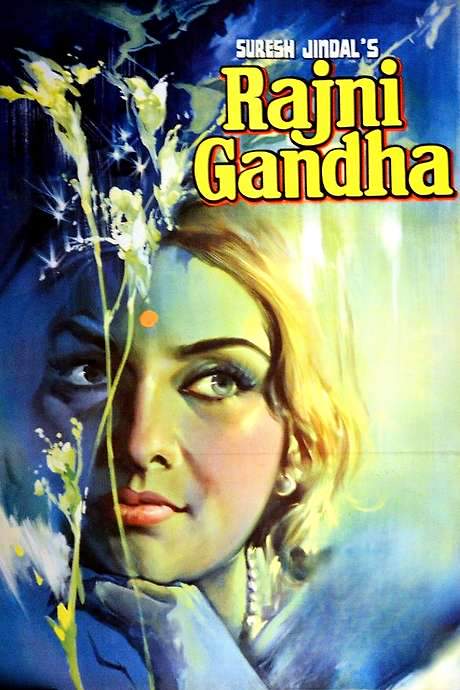
Indrani Suchitra Sen is the only daughter of a staunch Brahmin family in a village. She studies in Kolkata and stays in a girls’ hostel, where she first encounters Sudarshan Uttam Kumar Dutta, a brilliant former student who is already pursuing a PhD. The connection between them grows quickly, and Indrani becomes eager to wed as soon as possible. She returns to her village to share her plans with her father, a man wary of the match. Indrani’s father Pahadi Sanyal voices two strong objections: Sudarshan is not a Brahmin and, in his view, lacks steady employment. Despite his reservations, the couple’s chemistry and conviction push them toward a marriage that will challenge both families and traditions.
The wedding draws Indrani into Sudarshan’s crowded home, where his mother and sisters‑in‑law create a tense, emotionally charged atmosphere. To shield herself from the mounting strains, Indrani takes up a teaching job in Dinajpur, seeking independence and a sense of purpose beyond the confines of the household. Yet the new life only highlights the growing rift between the newlyweds. Miscommunication, mismatched egos, and outside pressures begin to corrode the trust they once shared, turning tender love into brittle distance. A fierce argument marks a turning point, and Sudarshan decides to leave home in search of work elsewhere, hoping to rebuild something of his life apart from the painful scene he just left behind.
On his own, Sudarshan crosses paths with a retired teacher Chhabi Biswas, a woman with a practical vision and a compassionate heart who dreams of lifting the have-nots. The two form a partnership rooted in shared ideals: they travel to a remote village to develop irrigation, digging a canal from a nearby river and bringing water—and hope—to land long hampered by scarcity. The work earns them recognition, and Sudarshan’s perseverance begins to gain public notice. Back home, Indrani discovers the depth of the talent she always believed slept within him, and in a bold move, she leaves her Dinajpur position to join him, driven by love and faith in what they could accomplish together.
Yet the road to reconciliation is not immediate. Sudarshan carries the hurt of earlier misunderstandings and a lingering fear that Indrani may retreat again when circumstances become difficult. He muses over the years of their relationship, weighing the promise of their shared dreams against the friction that once pulled them apart. The couple’s journey toward healing is intensified by the danger and drama of their work in the village, the slow-building trust between them, and the realization that their bond runs deeper than pride or prideful independence.
A fire later erupts, testing their resolve and their commitment. In the blaze, both Indrani and Sudarshan confront what they truly mean to one another: not just lovers who once believed in each other, but partners who can weather hardship through mutual respect, support, and a shared purpose. The crisis becomes a catalyst for renewed closeness, reaffirming the love that began their story and underscoring the idea that their best future lies in walking forward together, with patience, communication, and a shared dream for the lives they can build.