Plot Explained Spoilers guaranteed!
Plot Explained

Browse by genre

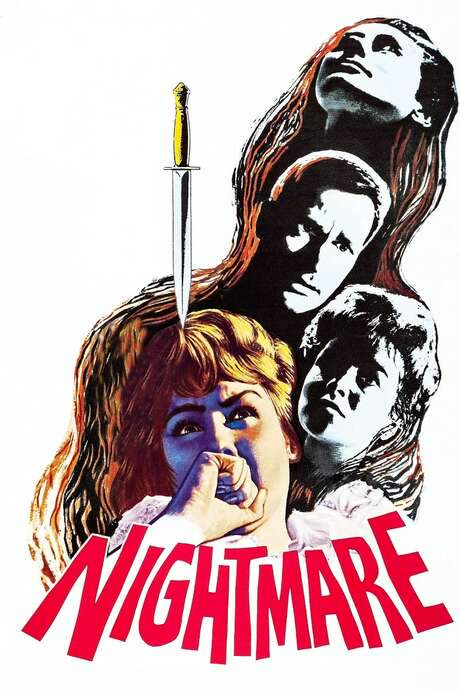
I Start Counting (1970) movie poster

Characters & Themes

I Start Counting (1970) Characters, Setting & Themes Explained

Release, runtime and language
1970 · 105 mins · English
Loading streaming availability…
Directed by
David Greene
Starring
Fay Compton, Jenny Agutter, Bryan Marshall, Simon Ward, Lally Bowers, Jim Brady

In the world of the nightmare, a little blood adds colour! An English schoolgirl suspects the foster brother she worships is a serial killer.

On this page (8)
  1. 1 Where to watch
  2. 2 Characters explained (19)
  3. 3 Where & when it takes place
  4. 4 Themes & meaning (3)
  5. 5 Character & meaning questions
  6. 6 Movie threads
  7. 7 Movies like I Start Counting
  8. 8 Every angle
Loading streaming availability…

19 main characters · contains spoilers

I Start Counting Characters Explained: Who Is Who

The main characters of I Start Counting (1970), heroes and villains: what drives them, how they change over the course of the story and what each of them reveals about the film's bigger ideas.

  • Wynne Kinch (Jenny Agutter)

    A 14-year-old girl living with adoptive parents who harbors a romantic fixation on her 32-year-old stepbrother, George. Her inner world is intense and private, mixing puppy-love with a growing sense of danger. She moves between curiosity, longing, and courageous acts as she investigates clues about George and the disappearances around town.

    • 💞 Forbidden crush
    • 🔎 Curious teen
    • 🧭 Risky obsession
  • George Kinch (Bryan Marshall)

    Wynne's 32-year-old adoptive stepbrother. He is presented as charming yet elusive, with a private life Wynne does not fully understand. His relationship with Wynne is complicated by later revelations of an affair with a mentally unstable woman and hints of darker secrets, complicating Wynne's suspicions.

    • 🔥 Charismatic
    • 🧩 Hidden motives
    • 🕳️ Dangerous allure
  • Conductor (Simon Ward)

    A bus conductor who Wynne encounters repeatedly; he becomes the town's killer figure in her mind. He is revealed as the killer when he confesses to the murders, escalating the tension as he pursues Wynne. The confrontation culminates in a chase that ends with police intervention.

    • 🔪 Killer
    • 🏷️ Confessional menace
    • 🧭 Pursuit
  • Corinne (Clare Sutcliffe)

    Wynne's best friend who teases her about the crush and flirts with George, complicating Wynne's feelings. She is impulsive and socially bold, pushing boundaries in a small-town setting. Corinne's death later in the story intensifies Wynne's fear and sense of loss.

    • 💃 Flirtatious friend
    • 🌓 Teenage rebellion
    • 🎭 Social dynamics
  • Aunt Rene (Lally Bowers)

    Aunt Rene represents the extended family dimension in Wynne's world, contributing to the domestic milieu of the story. Her presence underscores the routine, sometimes stifling, aspects of family life in the small town.

    • 👵 Aunt figure
    • 🏠 Domestic sphere
    • 🗣️ Gossip subtext
  • Mother (Madge Ryan)

    The adoptive mother who anchors the family in domestic life. Her interactions with Wynne reflect care, control, and the tensions that arise as Wynne's obsessions and suspicions intensify.

    • 👩 Protective mother
    • 💬 Domestic life
  • Priest at Church (Lewis Fiander)

    A town priest who represents the moral and religious backdrop of Wynne's world, providing direction or commentary on the events in the story.

    • ⛪ Spiritual authority
    • 💬 Moral ambiguity
  • Corinne (Clare Sutcliffe)

    Duplicate entry to reflect the character already described above. (Included for cast alignment.)

  • Ice Cream Vendor (Phil Collins)

    A minor figure encountered in a scene at an ice cream stand; his presence punctuates everyday life in the town.

    • 🍦 Ice cream vendor
    • 🪫 Uncredited cameo
  • Jim (Michael Feast)

    A character who appears in town scenes; a secondary presence in Wynne's social circle.

    • 👤 Supporting character
    • 🗺️ Town life
  • Granddad (Billy Russell)

    The elder member of Wynne's social circle; provides a memory connection to the past and the family’s history within the town.

    • 🧓 Elderly figure
    • 🕰️ Memory keeper
  • Len (Gregory Phillips)

    A teen character who appears in scenes at school or neighborhood in the town; part of Wynne's social circle.

    • 👦 Youth presence
    • 🗺️ School life
  • Tramp (Gordon Richardson)

    A minor offscreen-like figure encountered in the town; adds a sense of urban texture to Wynne's world.

    • 👞 Tramp life
    • 🕯️ Street corner
  • Nun at School (Fanny Carby)

    A nun encountered in school settings; part of the town's religious and educational framework.

    • 👩‍🎓 School life
    • 🕊️ Religious instruction
  • Priest at School (Charles Lloyd Pack)

    A priest seen at school, contributing to the community’s moral atmosphere.

    • ⛪ Moral authority
    • 🗣️ Community role
  • Leonie (Lana Morris)

    A town resident who appears in scenes; part of Wynne's social life.

    • 👧 Town friend
    • 🗺️ Community life
  • Corinne (Clare Sutcliffe) - Additional

    Additional reference for cast alignment in extended scenes; narrative impact remains tied to her earlier portrayal.

  • Ice Cream Vendor (Phil Collins) - Additional

    Background note for cast alignment; same role as above referenced in scene contexts.

  • Man Waiting in Line to Buy Ice Cream (Jim Brady)

    A minor background character seen in the ice cream shop scene.

    • 🚶 Background character
    • 🕰️ Momentary appearance

Last updated: October 04, 2025 at 14:49

Was this helpful?

Setting

Where and When Does I Start Counting Take Place?

The setting of I Start Counting (1970): the year and time period, the places and locations, and how they shape the characters, the mood and the tension of the story.

Time period

Location

English town

Set in a quiet English town and Wynne's adoptive family home, the story centers on intimate, everyday places. Key locations include Wynne's former house, George's van, a local bus, a pond, and the community spaces of a school and church. The town feels intimate and claustrophobic, heightening Wynne's obsession and the sense that danger lurks beneath ordinary life.

  • 🏘️ English town
  • 🏡 Domestic settings

Last updated: October 04, 2025 at 14:49

Was this helpful?

3 major themes

I Start Counting Meaning: Themes & Message Explained

What is I Start Counting (1970) really about? The emotional, social and philosophical themes the film keeps returning to, its symbolism and the message beneath the surface.

  • Forbidden Love

    Wynne's crush on her 32-year-old stepbrother George drives the emotional core of the story. The film explores adolescence, desire, and the way sexual feelings can distort judgment in a close-knit environment. Her fantasies blur lines between family and romance, creating tension and danger as reality intrudes. The obsession exposes the fragility of boundaries in adulthood and youth alike.

  • Mystery & Danger

    A serial-killer subplot frames a sense of menace over a seemingly ordinary town. Wynne's suspicions push her toward risky, secretive acts as she probes George's life. The discovery of a confession from the bus conductor intensifies the danger and drives the pursuit to a physical confrontation. The film uses suspense to explore how truth can emerge from perilous situations.

  • Family & Memory

    The narrative juxtaposes domestic life with hidden violence, highlighting Wynne's sense of belonging and its fractures. The demolished house at the end serves as a stark symbol of memory, loss, and change for a family under strain. The interplay of memory and danger suggests that the past can haunt the present in unsettling ways. Through Wynne's eyes, the film questions what a family is and what it costs to uncover the truth.

Last updated: October 04, 2025 at 14:49

Was this helpful?

Character & theme questions

I Start Counting Characters & Meaning: Your Questions Answered

The questions people ask about I Start Counting (1970): who the characters really are, their relationships, what the symbols mean, where it takes place and what the movie is really about. Each answer contains spoilers.

Q1

Where is I Start Counting set?

The film is set in a quiet English town, focusing on intimate domestic settings like Wynne's adoptive family home. Key locations include the family house, George's van, a local bus, a pond, and community spaces like a school and church. The small-town setting creates a claustrophobic atmosphere where danger lurks beneath ordinary life.

  • english town
  • setting
  • domestic settings
  • small town
Q2

Who is Wynne Kinch?

Wynne Kinch is a 14-year-old girl played by Jenny Agutter who lives with adoptive parents. She harbors a romantic fixation on her 32-year-old stepbrother George. Her character is defined by an intense, private inner world that mixes puppy love with a growing sense of danger as she investigates clues about George's secrets.

  • wynne kinch
  • jenny agutter
  • protagonist
  • teen girl
Q3

Who is George Kinch in the story?

George Kinch is Wynne's 32-year-old adoptive stepbrother, played by Bryan Marshall. He is portrayed as charming yet elusive, with a private life that Wynne does not fully understand. His relationship with Wynne becomes complicated as revelations emerge about his affairs and darker secrets, fueling Wynne's suspicions.

  • george kinch
  • bryan marshall
  • stepbrother
  • adoptive brother
Q4

What is the Forbidden Love theme about in I Start Counting?

The film explores Wynne's crush on her 32-year-old stepbrother George as its emotional core. This theme examines adolescence, desire, and how sexual feelings can distort judgment in close-knit family environments. Her fantasies blur boundaries between family and romance, creating tension and danger as reality intrudes.

  • forbidden love
  • adolescence
  • crush
  • stepbrother
  • family
Q5

How does the serial killer subplot work in the film?

A serial-killer subplot frames the story with menace over the seemingly ordinary town. Wynne's suspicions about George push her toward risky, secretive acts as she investigates. The discovery of a confession from the bus conductor intensifies the danger and drives a physical confrontation, using suspense to explore how truth emerges from perilous situations.

  • serial killer
  • mystery
  • danger
  • suspense
  • bus conductor
Q6

What does the Family and Memory theme represent?

The narrative juxtaposes domestic life with hidden violence, highlighting Wynne's sense of belonging and its fractures. The demolished house at the end serves as a symbol of memory, loss, and change for a family under strain. The film questions what constitutes a family and what it costs to uncover hidden truths.

  • family
  • memory
  • house
  • loss
  • domestic life
Q7

Who is the bus conductor in I Start Counting?

The bus conductor, played by Simon Ward, is a character Wynne encounters repeatedly in town. He becomes the killer figure in her mind but is later revealed as the actual murderer when he confesses to the crimes. This revelation escalates tension as he pursues Wynne, leading to a confrontation that ends with police intervention.

  • bus conductor
  • simon ward
  • killer
  • murderer
Q8

Who is Corinne in the film?

Corinne, played by Clare Sutcliffe, is Wynne's best friend who teases her about her crush on George and openly flirts with him. She is impulsive and socially bold, pushing boundaries in the small-town setting. Her death later in the story intensifies Wynne's fear and sense of loss.

  • corinne
  • best friend
  • friend
  • death
Q9

Why is the small-town setting important to the story?

The intimate, claustrophobic English town setting heightens Wynne's obsession and creates a sense that danger lurks beneath ordinary life. The close-knit environment makes secrets hard to keep and amplifies the tension between domestic normalcy and the hidden violence beneath the surface.

  • small town
  • setting
  • claustrophobic
  • atmosphere
  • english town
Q10

What is the emotional tone of I Start Counting?

The film has a tense tone established through Wynne's constant suspicion and the looming threat of violence. The mood is melancholic, reinforced by themes of lost childhood and fractured family dynamics. The ending is bittersweet, the immediate threat is resolved, but the demolition of the family house signifies the destruction of innocence.

  • tone
  • mood
  • melancholic
  • tension
  • bittersweet ending
Q11

What does the demolished house represent in the film?

The demolished house at the film's end serves as a stark symbol of memory, loss, and change for the family. It represents the destruction of innocence and the somber acceptance of a changed reality. The house embodies the interplay of memory and danger, suggesting the past can haunt the present.

  • house
  • demolition
  • symbol
  • memory
  • innocence

Movie threads

More Movies Like I Start Counting, by Mood & Story

Curated lists built around what makes I Start Counting tick: the same mood, the same kind of story or the same emotional payoff. Each list explains why these movies belong together.

Tense coming-of-age thrillers with dark obsessions like I Start Counting

Stories where teenage obsession and danger blur into a tense coming-of-age. If you liked the dangerous infatuation and paranoid tension in I Start Counting, explore these movies where young protagonists navigate a world of suspicion and threat. These stories blend the drama of sexual awakening with the suspense of a thriller, creating a specific, unsettling mood.

  • unsettling
  • obsessive
  • paranoid
  • atmospheric
  • melancholic
  • suspenseful
  • Tone: tense, melancholic
  • Pacing: steady, deliberate
Why these movies?

The story pattern: The narrative follows a young protagonist, often isolated or misunderstood, who fixates on a person or situation that represents a forbidden thrill. Their subjective viewpoint is key, blending fantasy and paranoia as they investigate a mystery or threat, leading to a loss of innocence and a confrontation with harsh truths.

Why they belong together: These films are grouped by their shared focus on the disturbing side of adolescence, a tense and melancholic mood, and the thematic blend of sexual discovery with crime or danger. They typically feature a steady pace that builds psychological unease from a singular, obsessive perspective.
Psychological thrillers from a paranoid perspective like I Start Counting

Thrillers where a single character's growing suspicion creates a claustrophobic reality. Fans of the claustrophobic suspicion in I Start Counting will appreciate these movies that trap you inside a character's paranoid mind. Discover similar thrillers and dramas where the line between real danger and psychological unraveling is blurred, creating a tense and ambiguous viewing experience.

  • paranoid
  • claustrophobic
  • tense
  • psychological
  • ambiguous
  • suspenseful
  • Tone: tense, ambiguous
  • Pacing: steady build-up
Why these movies?

The story pattern: The plot unfolds almost entirely through the eyes of one character who becomes convinced of a hidden threat, often involving a close relation. Clues are ambiguous, and the narrative structure layers their fantasies and fears with reality, leading to an climax that may or may not validate their suspicions, leaving a lingering sense of unease.

Why they belong together: These films share a core mechanic of restricted narration and psychological ambiguity. They are united by a tense, claustrophobic mood, a moderate complexity that hinges on perspective, and a central theme of questioning reality and the trustworthiness of those closest to you.

If you liked this

Movies Like I Start Counting

Similar movies to I Start Counting: the same genre, themes or kind of story. Each one comes with its own plot summary, timeline and ending explained.

Browse all movie summaries

Every angle

I Start Counting (1970) Explained: Plot, Timeline & Characters

Everything about I Start Counting in one place: what happens in the plot summary, the timeline in chronological order, the characters and meaning and a spoiler-free summary. What's After the Movie adds the cast, box office and post-credit scenes.

Coming soon on iOS and Android

The Plot Explained Movie Summary App

Plot summaries, endings explained and timelines on your phone. Catch up on any movie in minutes, save your favorites and never miss a twist again.

Be the first to know when we launch. Your email stays private, always.

Learn more about the app