








Year: 1964
Runtime: 141 mins
Language: Spanish
Director: Mikhail Kalatozov
Four vignettes show Cubans in the pre‑revolutionary era. In Havana, María is embarrassed when a lover learns how she earns a living. In the countryside, farmer Pedro discovers his land is being sold to an American firm. A student watches friends beaten by police while handing out Fidel‑supporting leaflets. Finally, a peasant family is threatened by Batista’s army.
Get a spoiler-free look at I Am Cuba (1964) with a clear plot overview that covers the setting, main characters, and story premise—without revealing key twists or the ending. Perfect for deciding if this film is your next watch.
In the sultry heat of pre‑revolutionary Cuba, the film unfolds as a lyrical mosaic of everyday lives caught between glittering indulgence and grinding need. A steady, resonant narration—known as the Voice of Cuba—threads through each vignette, reminding the audience that the island is both a playground for foreign fortunes and a home to its resilient people. The cinematography lingers on Havana’s neon‑lit casinos and the stark expanse of the countryside, creating a visual tension that feels both intimate and sweeping.
María lives on the margins of the city’s dazzling nightlife, balancing a modest partnership with the hidden demands of a world that glitters just beyond her doorway. Her quiet dignity is tested by the contradictions of a society that celebrates excess while ignoring the hardships of its own citizens. In the rural heartland, Pedro tends to his family’s fields, confronting the looming presence of external powers that threaten to reshape ownership and identity. His relationship to the land is both practical and deeply personal, reflecting a broader struggle over who controls the island’s resources.
Among the youthful fervor of the capital, Enrique moves through university corridors where ideas spark and danger lurks. His involvement with a circle of activists hints at the growing undercurrent of dissent, while the ever‑watchful police presence adds a palpable edge to every conversation. Meanwhile, Mariano embodies the weary farmer whose simple wishes for peace are constantly challenged by the encroaching forces of conflict, urging him to consider a place beyond his fields.
Together these four lives paint a portrait of a nation on the brink, where ordinary people navigate love, labor, and longing amid mounting social pressures. The film’s tone is contemplative yet urgent, inviting viewers to feel the heartbeat of Cuba through whispered reflections and stark, unvarnished moments that linger long after the screen fades.
Last Updated: December 04, 2025 at 23:43
Discover curated groups of movies connected by mood, themes, and story style. Browse collections built around emotion, atmosphere, and narrative focus to easily find films that match what you feel like watching right now.
Stories where separate fates converge into a collective, world-changing act.If you liked the interconnected storytelling of I Am Cuba, explore more movies that use multiple vignettes to build a powerful portrait of societal upheaval. These films share a focus on collective awakening, political revolution, and the personal stories that fuel historic change.
Narratives in this thread are structured around multiple perspectives, often vignettes, that initially seem separate. They gradually reveal a shared thematic core, building towards a climactic event—typically a revolution or protest—that unites the disparate characters and delivers a cathartic, though often hard-won, sense of hope.
Movies are grouped here for their shared structural approach and thematic focus. They combine a VARIABLE pacing that shifts between intimate character studies and chaotic public events, a DARK tone rooted in social injustice, and a narrative arc that moves from personal tragedy to collective action.
Visually stunning and emotionally raw indictments of systemic oppression.For viewers who appreciated the visual poetry and heavy themes of I Am Cuba, this collection features stylistically bold movies about poverty, dispossession, and protest. These films use striking cinematography to amplify stories of social injustice and human resilience.
The narrative journey is often less about traditional plot and more about an emotional and thematic arc. It moves from depicting the grim realities of exploitation and poverty towards a moment of awakening or defiance, using visual symbolism and a heavy mood to convey its message powerfully.
These films are united by a shared commitment to visual artistry in service of a serious political theme. They share a HIGH intensity, a DARK tone, HEAVY emotional weight, and a focus on themes like exploitation and protest, creating a cohesive vibe of urgent, beautiful despair.
Don't stop at just watching — explore I Am Cuba in full detail. From the complete plot summary and scene-by-scene timeline to character breakdowns, thematic analysis, and a deep dive into the ending — every page helps you truly understand what I Am Cuba is all about. Plus, discover what's next after the movie.
Read a complete plot summary of I Am Cuba, including all key story points, character arcs, and turning points. This in-depth recap is ideal for understanding the narrative structure or reviewing what happened in the movie.
Track the full timeline of I Am Cuba with every major event arranged chronologically. Perfect for decoding non-linear storytelling, flashbacks, or parallel narratives with a clear scene-by-scene breakdown.
Discover the characters, locations, and core themes that shape I Am Cuba. Get insights into symbolic elements, setting significance, and deeper narrative meaning — ideal for thematic analysis and movie breakdowns.
Visit What's After the Movie to explore more about I Am Cuba: box office results, cast and crew info, production details, post-credit scenes, and external links — all in one place for movie fans and researchers.
Discover movies like I Am Cuba that share similar genres, themes, and storytelling elements. Whether you’re drawn to the atmosphere, character arcs, or plot structure, these curated recommendations will help you explore more films you’ll love.
I Am Cuba (1964) Scene-by-Scene Movie Timeline
I Am Cuba (1964) Movie Characters, Themes & Settings
I Am Cuba (1964) Spoiler-Free Summary & Key Flow
Movies Like I Am Cuba – Similar Titles You’ll Enjoy
Cuba (1979) Complete Plot Breakdown
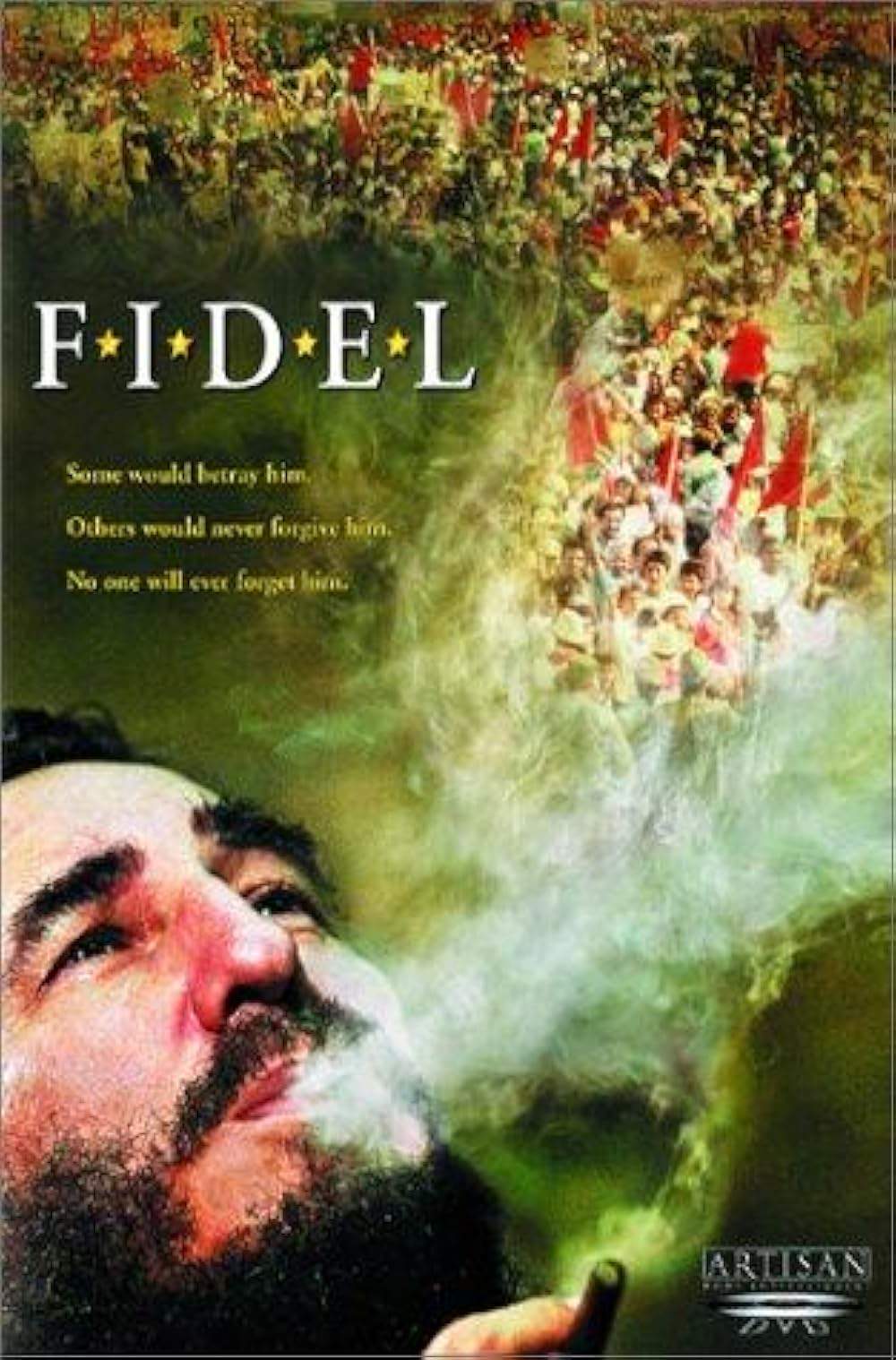
Fidel (2002) Detailed Story Recap
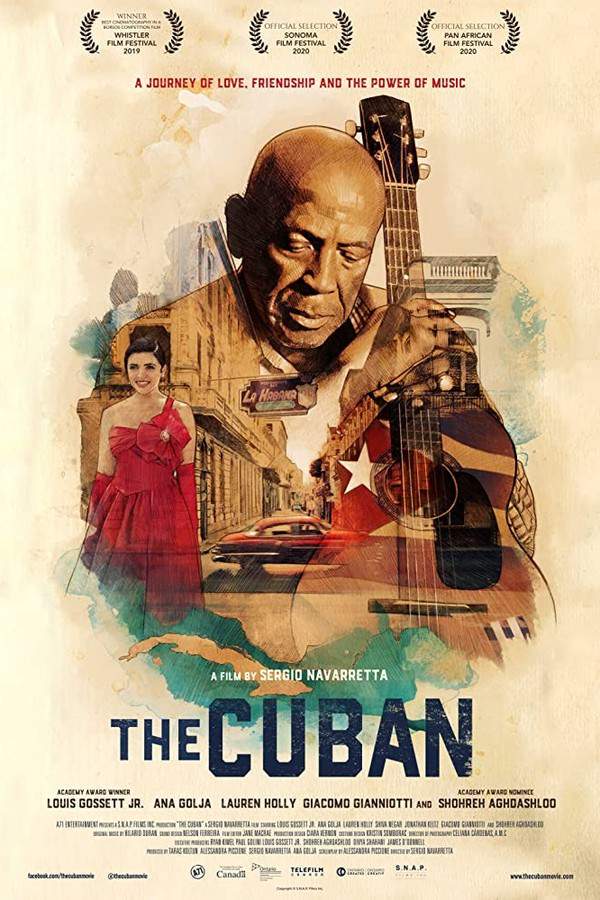
The Cuban (2020) Plot Summary & Ending Explained
Cuba and the Cameraman (2017) Plot Summary & Ending Explained
Barrio Cuba (2001) Full Summary & Key Details
Cuba (2019) Plot Summary & Ending Explained
The Cuban (2019) Ending Explained & Film Insights
Habana Blues (2005) Plot Summary & Ending Explained
Cuba Crossing (1980) Plot Summary & Ending Explained
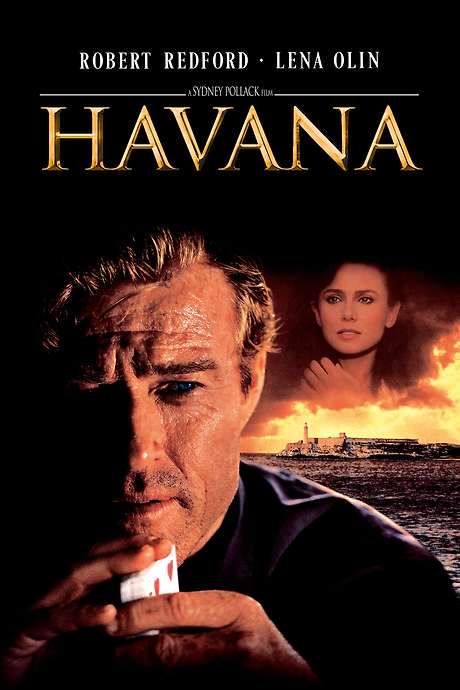
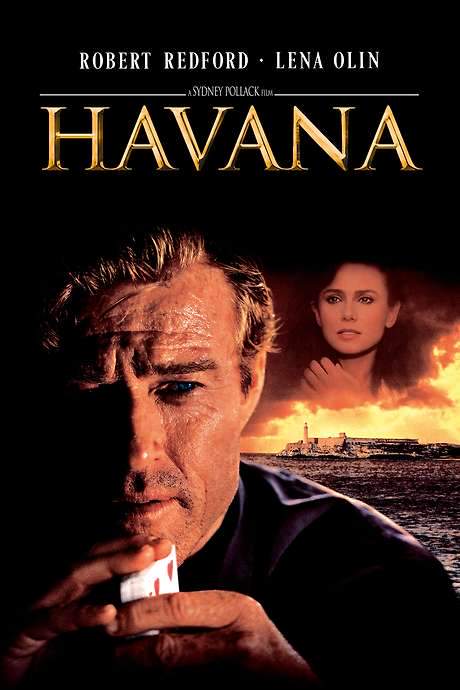
Havana (1990) Full Summary & Key Details
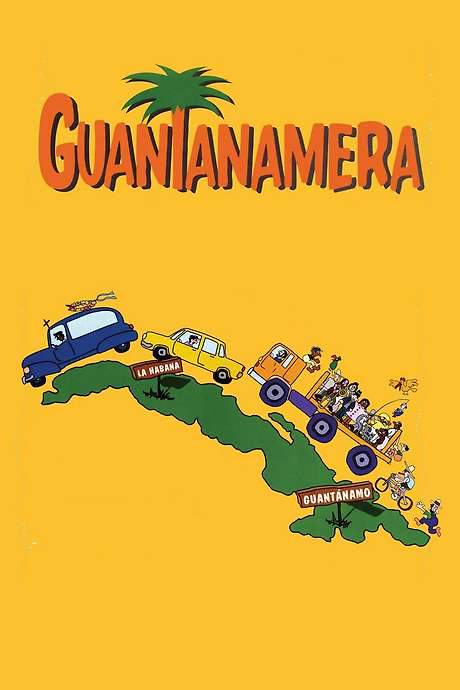
Guantanamera (1995) Detailed Story Recap
I Am a Son of America (1972) Detailed Story Recap
Things I Left in Havana (1998) Full Movie Breakdown
Cuba Libre (1996) Ending Explained & Film Insights