Plot Explained Spoilers guaranteed!
Plot Explained

Browse by genre

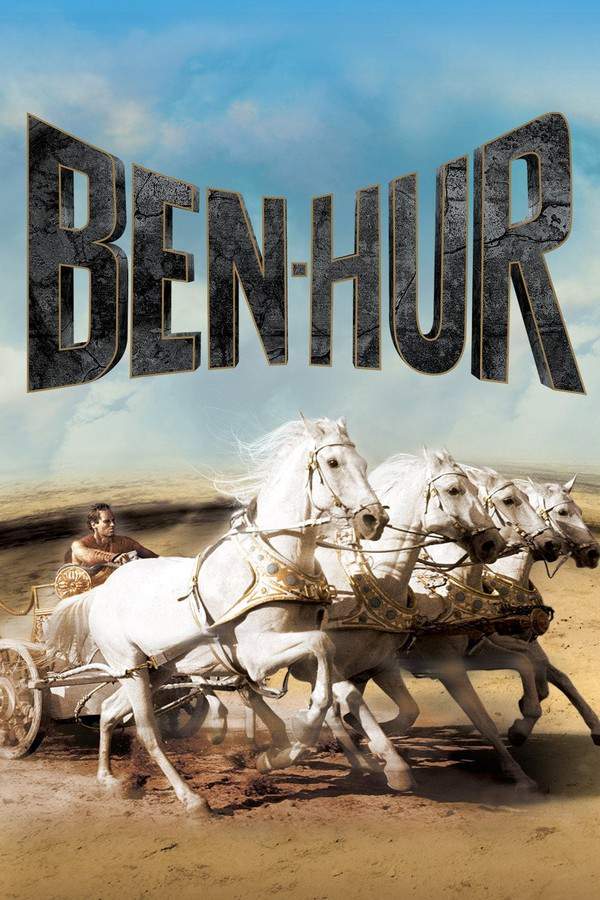
Ben-Hur (2016) movie poster

Plot Summary

Ben-Hur (2016) Plot Summary Explained

Release, runtime and language
2016 · 125 min · English
JustWatch #6,216 105
Directed by
Timur Bekmambetov
Starring
Rodrigo Santoro, Morgan Freeman, Marwan Kenzari, Johan Philip Asbæk, Jack Huston, Toby Kebbell
Budget
$100M

Judah Ben-Hur, a Jewish prince, is betrayed by his adopted brother Messala and unjustly reduced to slavery. Driven by a desire for revenge, he endures hardship and faces incredible challenges while navigating treacherous seas. Ultimately, Judah must confront the complexities of vengeance and seek a path toward redemption, forever changed by his experiences.

On this page (7)
  1. 1 Where to watch
  2. 2 What happens: full plot
  3. 3 Plot questions answered
  4. 4 The book behind the movie
  5. 5 Movie threads
  6. 6 Movies like Ben-Hur
  7. 7 Every angle

Where to watch

Where to Watch Ben-Hur (2016)

Where can you watch Ben-Hur? Stream, rent or buy it in the US, including on fuboTV, MGM Plus and Philo: current JustWatch availability with up-to-date prices.

Streaming availability powered by JustWatch

Full plot summary · contains spoilers

What Happens in Ben-Hur: Full Plot Summary

The whole story of Ben-Hur (2016) explained, from the opening scene to the final frame: every key event, every twist and what it all adds up to. Read it as a quick recap before the sequel, to check a scene you missed, or to finally understand what really happened.

A Hebrew nobleman, Judah Ben-Hur (played by Jack Huston), shares a strong bond with his adoptive Roman brother, Messala (portrayed by Toby Kebbell), despite their contrasting backgrounds. Their friendship takes a turn during a thrilling horse race when Ben-Hur is injured, prompting Messala to carry him back to their family home in Jerusalem. In this warm environment, Ben-Hur's mother, Naomi (by Ayelet Zurer), and sister, Tirzah (played by Sofia Black-D'Elia), offer Messala their heartfelt hospitality, yet he feels increasingly isolated from the family he once cherished.

Driven by his ambitions, Messala joins the Roman army, participating in campaigns across Germany. Meanwhile, Ben-Hur grapples with his feelings for Esther (acted by Nazanin Boniadi), the family slave. Although he loves her, their disparate social standings prevent him from openly pursuing her. When Esther's father, [Simonides](Haluk Bilginer), arranges for her to marry a Roman, Judah boldly professes his feelings, ultimately marrying her.

Three years later, Messala returns as a celebrated Roman officer amid a brewing conflict led by the rebellious Zealots, opposing the harsh Roman rule. Judah, empathizing with the Zealots, harbors a young fighter named [Dismas](Moisés Arias). The reunion between the brothers is tense as Messala seeks to recruit Judah as an informant. Following a dinner that showcases their families, Messala warns them of the arrival of a new governor, [Pontius Pilate](Pilou Asbæk), urging that peace must prevail.

However, chaos erupts when Dismas attempts to assassinate Pilate during his grand entrance into Jerusalem. This leads to severe consequences as the Romans retaliate against Judah's family, resulting in him being enslaved on a Roman galley, while his mother and sister face crucifixion. Bitterly, Judah and Messala sever their bond, harboring animosity for one another's actions. During his harrowing tribulations, Judah crosses paths with Jesus (portrayed by Rodrigo Santoro), who compassionately offers him water during his captivity.

Enduring five grueling years as a galley slave, Judah's fate changes during a naval skirmish when he survives the destruction of his vessel. Rescued by Sheik Ilderim (played by Morgan Freeman), Judah manages to gain his freedom by showcasing his exceptional skills with Ilderim's racing horses. Grateful for Ilderim's kindness, Judah trains to become a chariot racer, aiming not just for glory but also revenge.

The impending chariot race in Jerusalem draws immense attention, with Jesus's teachings capturing the public's interest while Messala, now the commander of the Roman forces and a skilled racer himself, stands poised to reclaim his status. During his time in the city, Judah reconnects with Esther, who has dedicated herself to helping the needy through Jesus's message. However, the tension of their differing priorities keeps them emotionally distant as Judah's thirst for vengeance against Messala simmers.

After a brutal confrontation with Messala at their former home, Judah is forced to flee when Roman soldiers arrive. The brutal crackdown on Hebrews only deepens the divide between him and Esther, who becomes increasingly disillusioned with Judah's thirst for revenge. Under Ilderim’s mentorship, Judah hones his chariot racing abilities, aiming to humiliate the Romans after Ilderim's son was executed for rebellion. A former Roman soldier, Druses (played by Marwan Kenzari), brings news that Judah’s mother and sister are alive, though they suffer from leprosy, shattering Judah's hopes of a family reunion.

With high stakes, Ilderim secures Judah's participation in the race by bribing Pilate with an extravagant wager. Esther urges Messala to reconsider racing against Judah, but he remains determined to reclaim his status. As the race unfolds, Messala employs ruthless tactics against his rivals, but ultimately Judah's strategic approach leads him to triumph. The victory lifts the spirits of the Hebrew spectators and brings a sense of justice for Ilderim.

Despite his hard-won success, Judah remains troubled by the fate of his family and his shared history with Messala. The situation worsens as Esther bears witness to the arrest of Jesus, whom Judah, despite his efforts to offer aid, finds himself severely punished by the Romans. Following a dramatic rainstorm, a miracle occurs as Judah's mother and sister are healed by the blood of Jesus. Through Ilderim's intervention, they are finally liberated.

In a resolution of compassion, Judah and Messala come to terms with their past grievances. Finding in themselves the power to forgive, they reconcile, paving the way for a shared journey as Judah, his family, Esther, and Messala set forth together with Ilderim's caravan, leaving Jerusalem behind as they forge a new chapter in their lives.

Last updated: November 08, 2024 at 01:23

Was this helpful?

Plot questions answered

Ben-Hur Plot Explained: Your Questions Answered

The questions people ask most about Ben-Hur (2016): what happens in the confusing scenes, why the characters do what they do, the twists, hidden details and what the ending means. Each answer contains spoilers.

Q1

Why does Messala have Judah and his family enslaved?

Messala betrays Judah because he sees his Roman background as a liability that could threaten his military career. When Judah refuses to inform on the Hebrew rebels (Zealots) during their tense reunion, Messala uses the assassination attempt on Pilate as an opportunity to have Judah arrested and enslaved, effectively eliminating any connection to his former life while advancing his own position within the Roman empire.

Foreshadowing: Earlier scenes show Messala feeling isolated from Judah's family despite their hospitality, hinting at the growing divide between his Roman ambitions and his Hebrew roots.

  • messala betrayal
  • Judah Ben-Hur enslaved
  • roman officer
  • zealots
Q2

How does Judah survive galley slavery and become free?

Judah survives five grueling years as a galley slave on a Roman warship. His freedom comes after the ship is destroyed during a naval battle, and he is rescued by Sheik Ilderim, a wealthy Arab sheik. Judah earns his complete freedom by demonstrating his exceptional skill with horses, impressing Ilderim enough to grant him release.

Foreshadowing: While enslaved, Judah receives water from Jesus, a moment of compassion that PlantSeeds of hope during his darkest period.

  • galley slave
  • sheik ilderim
  • roman warship
  • freedom
Q3

What happens to Judah's mother and sister after being arrested?

Judah's mother Naomi and sister Tirzah are arrested and crucified by the Romans as punishment for the failed assassination attempt on Pilate. However, they are taken down from the cross before dying and are secretly imprisoned. Years later, Judah discovers they are alive but have contracted leprosy while living in hiding.

Foreshadowing: The summary notes the Romans 'retaliate against Judah's family' following the assassination chaos, setting this tragedy in motion.

  • naomi
  • tirzah
  • crucifixion
  • leprosy
  • roman punishment
Q4

Why does Judah decide to become a chariot racer?

Judah becomes a chariot racer primarily to seek revenge against Messala, who he blames for destroying his family and taking his freedom. Training under Sheik Ilderim, Judah sees the chariot race in Jerusalem as his opportunity to publicly humiliate the Romans and Messala specifically, regaining his honor and identity as a Hebrew prince.

Foreshadowing: Ilderim mentions his own son was executed by the Romans for rebellion, fueling their shared motivation against Roman oppression.

  • chariot race
  • revenge
  • sheik ilderim
  • messala
Q6

How does Judah win the chariot race against Messala?

Judah wins through strategic driving rather than Messala's brutal tactics. While Messala uses ruthless maneuvers to eliminate rivals, Judah maintains control of his horses and timing. Despite Messala attempting to ram him, Judah's superior skill and Ilderim's well-trained horses allow him to cross the finish line first, securing victory and widespread celebration among Hebrew spectators.

Foreshadowing: Earlier training sequences show Ilderim teaching Judah to use his mind and horses wisely rather than relying on brute force.

  • chariot race victory
  • roman chariot
  • jerusalem race
  • messala defeated
Q7

What role does Jesus play in Judah's journey?

Jesus appears as a compassionate figure who offers Judah water during his captivity as a galley slave, showing kindness despite Judah's suffering. Later, Jesus's teachings inspire Esther to help the poor, and his eventual crucifixion provides the blood that miraculously heals Judah's mother and sister from leprosy. His spiritual message of forgiveness ultimately influences Judah's decision to forgive Messala.

Foreshadowing: Jesus is shown teaching in Jerusalem and gaining public attention during the same period as Judah's preparations for the chariot race.

  • jesus of nazareth
  • crucifixion
  • forgiveness
  • healing blood
Q8

Why does Esther become distant from Judah?

Esther becomes disillusioned because Judah's obsession with revenge against Messala contradicts the teachings of Jesus, which she has embraced. While Judah trains for the race and plots vengeance, Esther dedicates herself to helping the needy through Jesus's message. Their differing priorities, revenge versus compassion, create an emotional wedge between them despite their marriage.

Foreshadowing: The timeline notes Esther's 'transformation' while Judah pursues revenge, showing their paths diverging.

  • esther
  • jesus teachings
  • marriage distance
  • revenge vs faith
Q9

How do Judah's mother and sister get healed?

Judah's mother and sister are healed through a miracle following Jesus's crucifixion. When Jesus dies on the cross, his blood drips onto them (or is somehow applied), and their leprosy is instantly cured. This miraculous healing occurs during a rainstorm that follows Jesus's death, allowing Judah to finally reunite with his family.

Foreshadowing: The narrative builds toward this healing as the ultimate demonstration of Jesus's power and compassion.

  • leprosy healed
  • miracle
  • jesus blood
  • family reunion
Q10

Why do Judah and Messala reconcile at the end?

Judah and Messala reconcile after Judah experiences spiritual transformation through Jesus's teachings about forgiveness. After witnessing Jesus's crucifixion and experiencing the miracle of his family's healing, Judah chooses to let go of his vengeful grudge against Messala. Both men recognize the futility of their hatred and the damage it has caused to their families, deciding to start fresh together.

Foreshadowing: Judah's encounter with Jesus earlier in the film, who offered him water without judgment, PlantSeeds the idea of compassion.

  • reconciliation
  • forgiveness
  • messala
  • brothers
  • peace
Q11

Why does the assassination attempt on Pilate destroy Judah's family?

The failed assassination attempt by the Zealot Dismas gives Rome a pretext to crackdown on the Hebrew population. Although Judah had no involvement in the plot, the Romans use the chaos to make an example of prominent Hebrew families. Messala, seeking to prove his loyalty to Rome, does not intervene to save Judah's family, allowing them to be punished as collateral damage.

Foreshadowing: Messala warns the family about Pilate's arrival and urges peace, establishing the Roman authorities' harsh response to any threat.

  • dismas
  • pontius pilate
  • zealous rebellion
  • roman crackdown
Q12

What happens to Dismas, the Zealot who tried to kill Pilate?

Dismas is the young Zealot fighter whom Judah helps hide from the Romans. He attempts to assassinate Pontius Pilate during Pilate's grand entrance into Jerusalem but fails. This failed assassination triggers the Roman retaliation that leads to Judah's enslavement and his family's crucifixion. Dismas's fate after the attempt is not detailed in the summary.
Foreshadowing: Judah sympathizes with the Zealots and shelters Dismas, directly connecting him to the chain of events that destroys his family.

  • dismas
  • zealot assassin
  • pilate assassination
  • rebel fighter

Movie threads

More Movies Like Ben-Hur, by Mood & Story

Curated lists built around what makes Ben-Hur tick: the same mood, the same kind of story or the same emotional payoff. Each list explains why these movies belong together.

Epic Vengeance Stories Like Ben-Hur

Stories where a devastating betrayal ignites an epic quest for revenge. Discover movies similar to Ben-Hur that feature epic narratives of betrayal and revenge. If you enjoyed the grand scale of Judah Ben-Hur's quest for vengeance against Messala, you'll find more historical and action dramas where a hero's life is shattered, leading to a long and arduous climb back.

  • epic
  • revenge-driven
  • tense
  • grim
  • tragic
  • hopeful
  • Tone: dark, revenge-driven
  • Pacing: variable, building to intense climax
Why these movies?

The story pattern: The narrative typically begins with a happy status quo that is violently shattered by a deep betrayal from a trusted friend or family member. The protagonist is cast down from a high station, enduring slavery, imprisonment, or exile, which fuels a burning desire for revenge. The plot follows their grueling struggle to survive, gain strength, and ultimately confront their betrayer in a high-stakes climax.

Why they belong together: These films are grouped by their shared focus on the emotional core of betrayal and the resulting, all-consuming thirst for vengeance. They combine high-intensity action with heavy emotional weight, creating a compelling arc of fall and rise that resonates deeply with viewers.

Movies About Redemption and Suffering Like Ben-Hur

Characters endure immense suffering to find a path to forgiveness and healing. Find films like Ben-Hur that explore profound themes of suffering and spiritual redemption. If you were moved by Judah Ben-Hur's transformation from a vengeful slave to a man seeking forgiveness, you'll appreciate these powerful dramas about overcoming immense hardship to find inner peace.

  • redemptive
  • spiritual
  • tragic
  • hopeful
  • grim
  • emotional
  • Tone: dark, redemptive, hopeful
  • Pacing: variable, with contemplative moments
Why these movies?

The story pattern: The narrative arc follows a character's descent into profound suffering—through slavery, persecution, or loss—which initially fuels anger and a quest for retribution. A parallel spiritual or philosophical influence, often represented by another character or faith, gradually transforms their perspective. The climax involves a choice between continuing the cycle of vengeance or embracing forgiveness, leading to a cathartic and hopeful resolution.

Why they belong together: These movies share a heavy emotional weight and a dark tone for much of their runtime, contrasted by a ultimately happy or hopeful ending centered on redemption. They are connected by the powerful emotional journey from the depths of despair to the light of forgiveness and spiritual peace.

If you liked this

Movies Like Ben-Hur

Similar movies to Ben-Hur: the same genre, themes or kind of story. Each one comes with its own plot summary, timeline and ending explained.

Browse all movie summaries

Every angle

Ben-Hur (2016) Explained: Plot, Timeline & Characters

Everything about Ben-Hur in one place: what happens in the plot summary, the timeline in chronological order, the characters and meaning and a spoiler-free summary. What's After the Movie adds the cast, box office and post-credit scenes.

Coming soon on iOS and Android

The Plot Explained Movie Summary App

Plot summaries, endings explained and timelines on your phone. Catch up on any movie in minutes, save your favorites and never miss a twist again.

Be the first to know when we launch. Your email stays private, always.

Learn more about the app