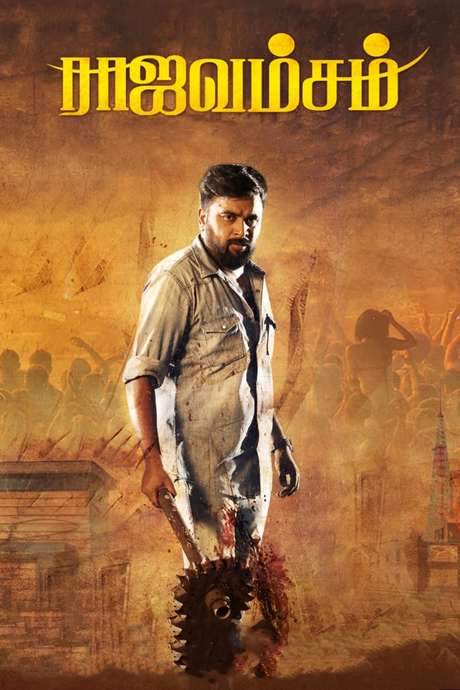
Abhiram is a fun-loving man who stays with his parents in London, soaking in the city’s mix of old-world charm and modern hustle. When eight people win the Thums Up contest, they’re given a rare chance to tour Europe, a journey that becomes both a celebration and a test of hearts. Among the group is Uma, a shy and thoughtful woman who gradually draws Abhiram’s attention. As the days unfold across cities and seas, Abhiram acts as their cheerful tour companion, sharing jokes, navigating unfamiliar streets, and quietly cherishing the moments he spends with Uma. The trip offers them space to grow closer, even as Uma struggles to express her deepest feelings.
Uma’s reticence weighs on her, and she eventually leaves a message on Abhiram’s answering machine in hopes that he will understand her hidden love. But timing betrays them: Abhiram doesn’t hear the message when it arrives, and Uma leaves Europe with her companions believing he doesn’t return her feelings. By the time Abhiram discovers the missed message and reaches out, it is already too late—Uma’s father has arranged her marriage to Jasjit, a man tied to the darker strands of the story’s antagonists.
Meanwhile, a shadowy pursuit unfolds around Jasjit and his gang, who are scouring for a figure named Mahadeva Naidu, a name loaded with significance for those who remember his deeds. Subramanyam’s father, upon glimpsing Abhiram’s photograph, feels a fear that compels him to seek help from Narasimha Naidu, who vows to remove Mahadeva Naidu from the scene. This thread threads through the plot, hinting at a larger conflict that echoes the past and shapes the present danger.
When Abhiram learns that Uma’s marriage might be forced, he travels to her village to elope with her. Their escape is interrupted by pursuers who threaten their lives, and the two lovers must sprint through a web of danger to stay ahead. They manage to evade the gang and reach safety, only to be saved at the last moment by Bhavani. Bhavani, a protective figure, escorts them to a hidden refuge where a small community has taken shelter from the surrounding turmoil.
In this refuge, they are confronted with the truth about Abhiram’s lineage. He learns that he is the son of Mahadeva Naidu, a revered savior who stood up for the Dalits and other oppressed communities in Karamchedu. Mahadeva Naidu’s unwavering dedication to justice made him a target, and he was killed by villains who are revealed to be linked to his own family. The revelation reframes Abhiram’s sense of purpose, setting him on a path of reckoning rather than retreat. The narrative then introduces Rudrama Naidu, who was raised as Abhiram, and who now discovers his true identity—a moment that pivots the story toward a calculated, personal act of revenge.
From this turning point, the film pivots into a saga of vengeance where the rightful heir must confront those who wronged his father and harmed the vulnerable communities he once protected. The tension between love and duty sharpens as Uma stands by the man she has learned to trust, while Rudrama Naidu embraces the weight of a legacy that demands action. The tale blends intimate romance with a broader social message, depicting a community’s resilience in the face of oppression and the courage it takes to challenge entrenched power.
Ultimately, the narrative circles back to the core idea that strength can arise from a shared promise to defend the vulnerable. Abhiram steps into his father’s legacy, not merely as a avenger, but as someone who seeks justice for those who were silenced. The relationship between Abhiram and Uma remains at the heart of the story, now reframed as a bond forged through history, identity, and a renewed commitment to safeguard those in need. The conclusion leaves viewers with a sense of resolution that honors the past while lighting a hopeful, justice-driven path for the future, driven by a son’s pledge to rewrite the outcomes that once seemed written in blood.