Plot Explained Spoilers guaranteed!
Plot Explained

Browse by genre

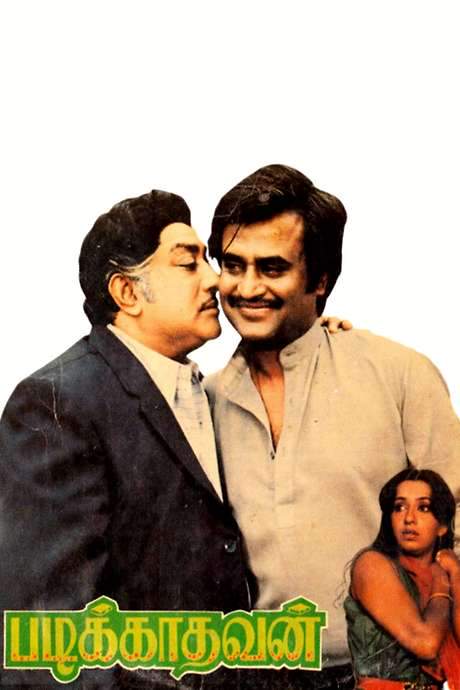
Parasakthi (1952) movie poster

Plot Summary

Parasakthi (1952) Plot Summary Explained

Release, runtime and language
1952 · 188 mins · Tamil
Directed by
R. Krishnan, S. Panju
Starring
V. K. Ramasamy, S. S. Rajendran, Pandari Bai, Sivaji Ganesan, S. V. Sahasranamam, Sriranjani

Set against World II, the film follows three brothers torn apart by the conflict while their sister Kalyani, newly widowed and impoverished, struggles to survive. Each sibling confronts severe hardship and social injustice, their lives intersecting in a dramatic courtroom trial that reveals the era’s brutal truths and ultimately brings the family back together.

On this page (6)
  1. 1 Where to watch
  2. 2 What happens: full plot
  3. 3 Plot questions answered
  4. 4 Movie threads
  5. 5 Movies like Parasakthi
  6. 6 Every angle

Where to watch

Where to Watch Parasakthi (1952)

Where can you watch Parasakthi? Stream, rent or buy it in the US, including on Amazon Video, Google Play Movies and YouTube: current JustWatch availability with up-to-date prices.

Streaming availability powered by JustWatch

Full plot summary · contains spoilers

What Happens in Parasakthi: Full Plot Summary

The whole story of Parasakthi (1952) explained, from the opening scene to the final frame: every key event, every twist and what it all adds up to. Read it as a quick recap before the sequel, to check a scene you missed, or to finally understand what really happened.

Chandrasekaran, Gnanasekaran and Gunasekaran are three Indian immigrant brothers living in Rangoon, Burma, sharing a life with Chandrasekaran's wife Saraswati. Their younger sister, Kalyani, was raised back in their hometown of Madurai, Tamil Nadu, by their father Manickampillai. In 1942, as World War II rages on, the brothers and Saraswati plan a trip to Madurai for the upcoming wedding of Kalyani to a writer named Thangappan. But the war—and a guarded sea route—means the shipping company can offer only one ticket; the youngest brother, Gunasekaran, takes it and heads toward Tamil Nadu. The voyage is delayed by danger, and Kalyani’s marriage occurs without any of her brothers beside her.

Kalyani soon discovers she is pregnant. On the day she gives birth, Thangappan dies in an accident and their father Manickampillai dies from the shock, leaving mother and child destitute. Their home is sold at auction, and Kalyani is forced to put food on the street to survive. After months at sea, Gunasekaran finally reaches Tamil Nadu, but misfortune shadows him: a night watching a dance performance ends with him discovering his pockets emptied after a robbery. Poverty drives him to harsh choices, and he begins to feign madness to cope with the harsh social reality of a state that has fallen on hard times. He eventually finds Kalyani again in Madurai, but she does not recognize him, while he chooses to hide his true identity out of poverty and protection.

Kalyani’s danger continues. A vagabond named Venu nearly molests her, and Gunasekaran intervenes to shield his sister. Later, Kalyani leaves Madurai and travels to Tiruchi, where she works as a maid for Narayana Pillai, a powerful, unscrupulous figure who runs a thriving business network that includes exploitation. Narayana Pillai attempts to take advantage of her, but his wife intervenes to save her, and Kalyani eventually walks away from that perilous job. Gunasekaran, meanwhile, continues to search for his sister and encounters Vimala, a wealthy woman who listens to his tale of woe and offers a glimmer of hope. He rests for a while in her house before resuming the search for Kalyani, determined to reunite the family.

The war’s ferocity spikes as Japanese shelling intensifies in Burma, prompting Chandrasekaran and Gnanasekaran to attempt a perilous return to India. Chandrasekaran reaches Tiruchi with Saraswati and begins a new life as a judge, while Gnanasekaran’s journey ends with a grave wound—he loses a leg and is left to beg for a living. He forms an association for beggars and vows to reform them, carrying the weight of his family’s misfortunes. In the quiet of a temple or a court, Kalyani finally reaches the grand house of Chandrasekaran seeking food, but she is turned away, and she also faces danger from the temple priest who tries to molest her. Frustrated, she strives to survive, and in a desperate moment she throws her baby into a river, hoping to give it a better chance elsewhere, before being arrested for infanticide.

In court, the story shifts as Kalyani defends her act, and the judge, Chandrasekaran, realizes with a shock that the young defendant is his own sister. He faints, overwhelmed by the revelation and the tangled fates that brought them here. Separately, Gunasekaran is brought to trial for having attacked the priest who assaulted his sister, and he speaks openly about the family’s string of misfortunes, arguing that the social ills around them must be confronted. Vimala arrives at the trial and presents Kalyani’s child, which—miraculously—had survived in her boat instead of the river. This revelation confirms the siblings’ identities and marks the turning point of their bond.

With the truth laid bare, Kalyani and Gunasekaran are pardoned and reconciled with Chandrasekaran. Gnanasekaran, who had been raising donations for his beggars’ association, steps into the fold as well, uniting with the others in a shared resolve. Vimala’s compassion culminates in a promise, and Gunasekaran and she decide to marry. The family, finally united, channels their collective strength into establishing a welfare home for orphans, hoping to heal the scars of their past and to build a kinder future for those left vulnerable by war and poverty.


Last updated: October 09, 2025 at 12:35

Was this helpful?

Plot questions answered

Parasakthi Plot Explained: Your Questions Answered

The questions people ask most about Parasakthi (1952): what happens in the confusing scenes, why the characters do what they do, the twists, hidden details and what the ending means. Each answer contains spoilers.

Q1

Why did Gunasekaran pretend to be insane after arriving in Tamil Nadu?

Gunasekaran was robbed of all his belongings shortly after arriving in Tamil Nadu and fell into extreme poverty. With no money, no identification, and unable to find work during wartime, he decided to feign insanity as a survival mechanism. This allowed him to beg for food while also keeping watch over his sister Kalyani without revealing his true identity, which he concealed out of shame about his impoverished state.

  • gunasekaran
  • madurai
  • poverty
  • survival
  • insanity
Q2

Why did Kalyani throw her baby into the river?

Kalyani had been rejected by her own brother Chandrasekaran (who didn't recognize her), nearly assaulted by a temple priest, and was left starving with no means to feed her child. Believing her baby would have a better chance of survival being found by others rather than dying of hunger in her arms, she made the desperate decision to place the child in the river, hoping someone would rescue it.

  • kalyani
  • infanticide
  • river
  • desperation
  • poverty
Q3

Why didn't Gunasekaran reveal his identity to Kalyani when he found her?

Gunasekaran chose not to reveal his identity because he had returned home completely destitute after being robbed. He was ashamed of his poverty and wanted to establish himself before reconnecting with his sister. Additionally, he feared that revealing his identity would burden Kalyani further during her own struggles with widowhood and destitution.

  • gunasekaran
  • kalyani
  • identity
  • shame
  • poverty
Q4

How did Chandrasekaran become a judge in Tiruchi?

When Japanese shelling intensified in Burma during WWII, Chandrasekaran and his wife Saraswati were forced to flee back to India. He managed to reach Tiruchi safely and, through his education and abilities, eventually became a judge. This position gave him the respectable status and home that his sister Kalyani would later approach seeking help.

  • chandrasekaran
  • judge
  • tiruchi
  • burma
  • war
Q5

Why was Kalyani turned away from Chandrasekaran's house?

When Kalyani arrived at Chandrasekaran's grand house in Tiruchi seeking food, she was turned away by the household staff. Chandrasekaran himself did not recognize her because she had been young when he left for Burma years earlier, and her appearance had changed dramatically due to extreme hardship, widowhood, and poverty.
  • kalyani
  • chandrasekaran
  • rejection
  • hunger
  • recognition
Q6

What happened to Gnanasekaran's leg?

During the brothers' perilous journey back to India as Japanese bombing intensified in Burma, Gnanasekaran was severely injured and lost one of his legs. He was left disabled and unable to support himself, forcing him to beg for a living. Despite this tragedy, he eventually formed an association for beggars and dedicated himself to reforming them.

Foreshadowing: Earlier timeline events hint at the brothers' dangerous escape from Burma as wartime conditions deteriorate.

  • gnanasekaran
  • leg
  • burma
  • injury
  • beggar
Q7

Why did Narayana Pillai try to assault Kalyani?

Narayana Pillai was described as a blackmarketeer and unscrupulous businessman who ran a thriving business network. When Kalyani came to work as a maid in his household, he attempted to take advantage of her vulnerability as a young, widowed woman with no family protection. His wife eventually intervened to save Kalyani from his advances.

  • narayana pillai
  • kalyani
  • assault
  • exploitation
  • tiruchi
Q8

How did Kalyani's baby survive after being placed in the river?

When Kalyani threw her baby into the river, the child fell into Vimala's passing boat instead of being carried away by the current. Vimala, a compassionate wealthy woman who had previously helped Gunasekaran, found the baby alive and took it upon herself to care for it until she could bring the truth to light at the courtroom.

  • baby
  • river
  • vimala
  • survival
  • boat
Q9

Why did the temple priest try to assault Kalyani at the temple?

After being turned away from Chandrasekaran's house, Kalyani went to a temple seeking help or shelter. The temple priest (pujari) attempted to exploit her desperation and vulnerability, trying to molest her in the sacred space. This was another example of the exploitation faced by women with no family protection during that era.

  • priest
  • temple
  • kalyani
  • assault
  • vulnerability
Q10

How did the family get reunited through the court trial?

Kalyani was put on trial for infanticide, and the judge was Chandrasekaran, her eldest brother. When Chandrasekaran realized the defendant was his own sister, he fainted from the shock. Meanwhile, Gunasekaran was also brought to court for attacking the priest. Vimala arrived with the surviving child, which confirmed everyone's identity and led to the family's reunion.

  • court
  • reunion
  • chandrasekaran
  • kalyani
  • gunasekaran
Q11

What caused the three brothers to become separated during the war?

The three brothers were initially together in Rangoon, Burma. When they planned to travel to Madurai for Kalyani's wedding, wartime conditions meant only one travel ticket was available. Gunasekaran took it and went ahead, while Chandrasekaran and Gnanasekaran remained in Burma. Later, as Japanese shelling intensified, they attempted to return separately, with different fates befalling each.

  • brothers
  • separation
  • war
  • burma
  • travel
Q12

Why did the family decide to establish a welfare home for orphans?

After being reunited and pardoned, the siblings reflected on the extreme hardships they endured, widowhood, poverty, exploitation, and nearly losing Kalyani's child. To prevent other vulnerable people from suffering as they had, the family decided to channel their collective strength into establishing an orphanage and welfare home, creating a legacy of helping others in need.

  • orphanage
  • welfare
  • family
  • redemption
  • help

Movie threads

More Movies Like Parasakthi, by Mood & Story

Curated lists built around what makes Parasakthi tick: the same mood, the same kind of story or the same emotional payoff. Each list explains why these movies belong together.

Courtroom Justice Dramas Like Parasakthi

Emotional, high-stakes trials that expose deep societal wounds and offer redemption. Explore movies like Parasakthi where a dramatic courtroom trial brings together shattered lives. These films feature emotionally heavy journeys of survival and social critique, culminating in a tense legal battle that reveals profound truths and offers a hopeful resolution.

  • courtroom drama
  • tense
  • socially conscious
  • cathartic
  • desperate
  • grim
  • Tone: dark, tense, hopeful
  • Pacing: variable, culminating in fast-paced climax
Why these movies?

The story pattern: Stories in this thread typically follow characters enduring severe trauma, injustice, and separation. Their parallel, desperate struggles ultimately intersect in a courtroom, where the central conflict is laid bare, leading to a reckoning and a resolution that often unites the fractured parties.

Why they belong together: These films are grouped by their shared narrative engine: a multi-threaded drama of suffering that builds towards a climactic legal confrontation. They combine a dark, somber tone with a variable pacing that accelerates into a tense finale, creating a highly intense and cathartic viewing experience.

Epic Family Survival Stories Like Parasakthi

Saga of siblings separated by war or disaster, fighting to survive and reunite. Discover movies like Parasakthi that portray epic family sagas torn apart by historical crises like war. These heavy, socially conscious dramas follow siblings on parallel paths of desperate survival against injustice, building towards an emotional and hopeful reunion.

  • epic
  • war-torn
  • separated family
  • survival
  • melancholic
  • determined
  • Tone: somber, desperate, determined
  • Pacing: variable, epic in scope
Why these movies?

The story pattern: This thread centers on narratives where a large-scale historical event (like war or famine) acts as the initial catalyst, dispersing a family. The story then unfolds through the separate, often grim ordeals of each member, emphasizing their resilience and the overarching theme of enduring familial bonds despite extreme separation and hardship.

Why they belong together: Movies in this thread share a specific structural pattern: a multi-protagonist epic defined by a historical setting, themes of separation and survival, and a somber yet determined mood. The experience is characterized by high emotional weight, dark tones punctuated by hope, and a complex interweaving of individual fates.

If you liked this

Movies Like Parasakthi

Similar movies to Parasakthi: the same genre, themes or kind of story. Each one comes with its own plot summary, timeline and ending explained.

Browse all movie summaries

Every angle

Parasakthi (1952) Explained: Plot, Timeline & Characters

Everything about Parasakthi in one place: what happens in the plot summary, the timeline in chronological order, the characters and meaning and a spoiler-free summary. What's After the Movie adds the cast, box office and post-credit scenes.

Coming soon on iOS and Android

The Plot Explained Movie Summary App

Plot summaries, endings explained and timelines on your phone. Catch up on any movie in minutes, save your favorites and never miss a twist again.

Be the first to know when we launch. Your email stays private, always.

Learn more about the app